Betta fish are beautiful but territorial, so mixing them with other species requires careful planning. By choosing the right tank size, peaceful companions, and proper setup, you can often create a harmonious community that keeps both your betta and its neighbors thriving.
Key Takeaways
- Tank size matters: A minimum of 10‑20 gallons gives a betta enough space to establish his own territory.
- Choose peaceful, non‑fin‑nipping species: Small tetras, rasboras, and certain catfish are usually safe.
- Male bettas are more aggressive: Females are generally easier to keep with tank mates.
- Provide plenty of hiding spots: Plants, driftwood, and caves reduce stress for all fish.
- Monitor behavior daily: Early signs of stress or aggression mean it’s time to re‑evaluate the community.
- Water parameters must suit everyone: Keep temperature, pH, and hardness within a range that fits both betta and companions.
- Never force a match: If a betta shows relentless aggression, it’s safer to keep him alone.
📑 Table of Contents
- Introduction: The Betta’s Reputation and the Reality of Community Tanks
- Understanding Betta Behavior: What Drives Their Aggression?
- Tank Setup Essentials for a Peaceful Betta Community
- Choosing the Right Tank Mates: Species That Play Nice
- Step‑by‑Step: Introducing a Betta to a Community Tank
- Common Myths Debunked
- Maintenance Tips for a Mixed Betta Tank
- Conclusion: A Balanced Decision for a Happy Aquarium
Introduction: The Betta’s Reputation and the Reality of Community Tanks
When you first see a betta fish, its vivid colors and flowing fins make it the star of any aquarium. The common nickname “Siamese fighting fish” gives the impression that bettas are always ready to battle anyone that shares their space. While there is truth to their territorial nature, the story isn’t as black‑and‑white as many beginners think.
In this article we’ll explore the question “Can a betta fish coexist with other fish?” in depth. You’ll learn when it works, when it doesn’t, and how to set up a tank that keeps everyone happy. By the end, you’ll have a clear roadmap for creating a community aquarium that includes a betta—whether you’re a first‑time keeper or a seasoned hobbyist looking to expand.
Understanding Betta Behavior: What Drives Their Aggression?
Territorial Instincts
Betta fish are native to shallow rice paddies and slow‑moving streams in Southeast Asia. In the wild, they defend small patches of surface water where they hunt for insects. This instinct translates into a strong desire to protect their own “spot” in a tank.

Visual guide about Can a Betta Fish Coexist with Other Fish
Image source: articles.hepper.com
Gender Differences
Male bettas are notoriously aggressive toward other males, especially when they see bright colors or flowing fins that resemble a rival. Females can also be feisty, but they tend to be less confrontational. If you’re considering a mixed community, a female betta often gives you more flexibility.
Fin Nipping and Stress Signals
One of the first warning signs of incompatibility is fin nipping. A betta may flare, chase, or nibble at another fish’s fins. Over time this can lead to infections and loss of color. Look for faded fins, torn edges, or a fish that spends most of its day hiding—that’s stress.
Tank Setup Essentials for a Peaceful Betta Community
Size and Shape Matter
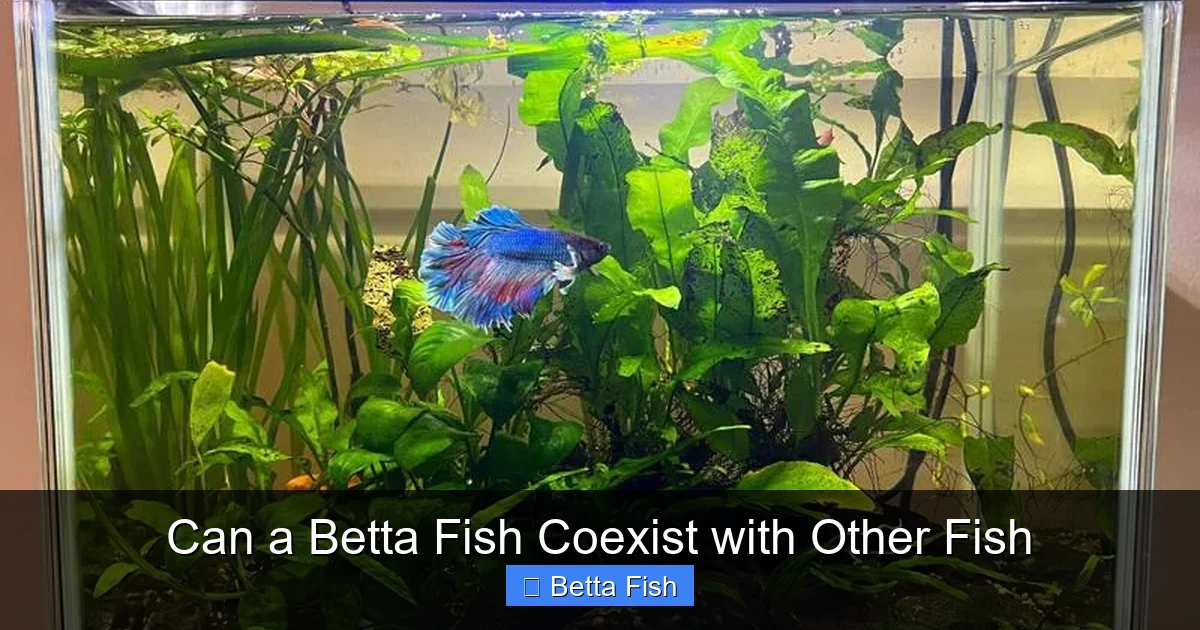
Small bowls are a myth; they trap waste and leave no room for territories. Aim for at least a 10‑gallon (38‑liter) tank for a single betta with one or two small companions. Larger tanks (20‑gallon or more) allow you to add a greater variety of species while giving the betta enough space to claim a corner.
Visual guide about Can a Betta Fish Coexist with Other Fish
Image source: acaquarium.com
Water Parameters that Suit Everyone
Betta fish thrive in water that is 76‑82°F (24‑28°C), slightly acidic to neutral (pH 6.5‑7.5), and soft to moderately hard (dGH 3‑8). Most community fish that pair well with bettas share a similar range, making it easier to keep the whole tank stable.
Plants, Hides, and Flow
Live plants such as Java fern, Anubias, and Amazon swords create natural barriers and reduce line‑of‑sight aggression. Add driftwood, smooth rocks, and ceramic caves for extra hiding places. A gentle filter that creates a soft water flow mimics the betta’s natural surface habitat without creating strong currents that can stress delicate tank mates.
Lighting and Décor
Soft, dimmable lighting helps reduce stress for a betta, who often likes to rest near the water’s surface. Avoid bright, direct lights that can overstimulate him and make him more prone to flare at newcomers.
Choosing the Right Tank Mates: Species That Play Nice
Small, Fast‑Moving Shoals
Neon tetras, ember tetras, and harlequin rasboras are popular choices. Their quick swimming and tendency to stay in the middle or lower levels keep them out of the betta’s prime surface zone. Keep them in groups of six or more so they feel secure.
Visual guide about Can a Betta Fish Coexist with Other Fish
Image source: bettasource.com
Bottom‑Dwelling Peaceful Species
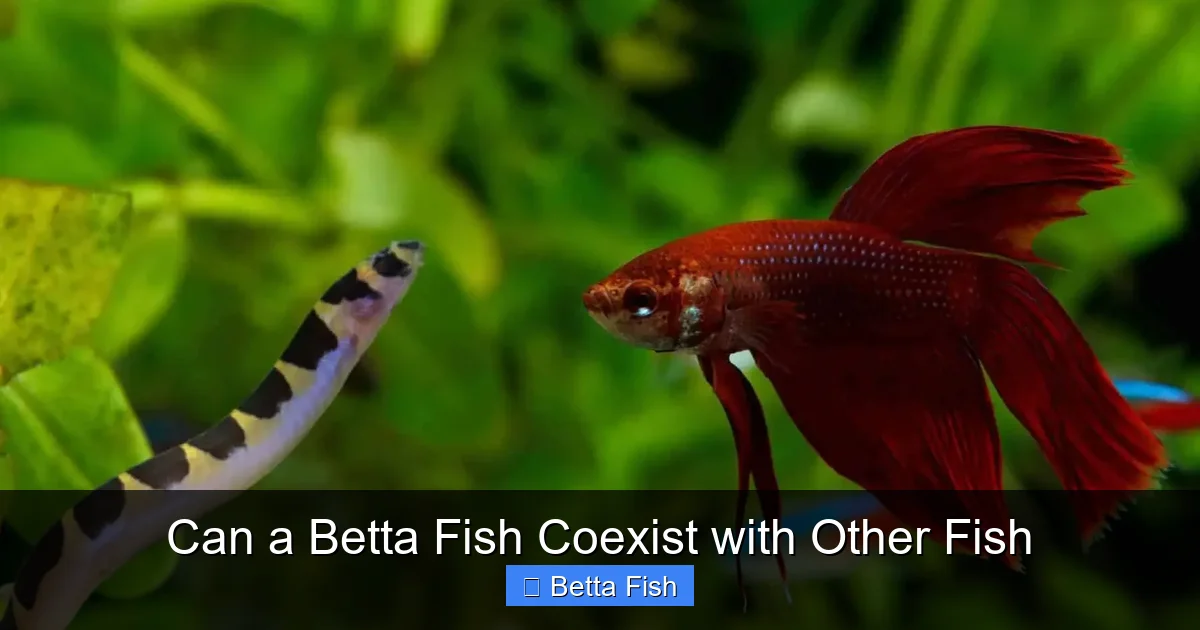
Corydoras catfish, kuhli loaches, and small bristlenose plecos are excellent bottom dwellers. They spend most of their time scouring the substrate, leaving the betta’s surface territory untouched.
Snails and Shrimp
Apple snails and ghost shrimp can add interesting activity without provoking aggression. However, some bettas may view larger shrimp as prey, so monitor their interaction closely during the first few weeks.
What to Avoid
Long‑finned fish such as guppies, fancy goldfish, or other bettas are risky because the betta may mistake their flowing fins for a rival. Aggressive or fin‑nipping species like tiger barbs should also stay far away.
Helpful Resources
For a detailed list of compatible species, see our guide on What Other Fish Can You Put With Betta Fish. It breaks down options by tank size, temperament, and water needs.
Step‑by‑Step: Introducing a Betta to a Community Tank
1. Quarantine New Arrivals
Always quarantine new fish for at least two weeks. This prevents disease spread and lets you observe their behavior before adding them to the main tank.
2. Rearrange the Landscape
Before introducing the betta, rearrange plants and décor. The new layout disrupts any established territory, making the betta less likely to see newcomers as intruders.
3. Use a Divider (Optional)
If you’re unsure, a transparent acrylic divider lets the betta see the other fish without direct contact. After a week or two of calm observation, you can remove the barrier.
4. Slow Introduction
Float the betta’s bag in the tank for 15‑20 minutes to equalize temperature. Then, gently release him into a corner away from the new fish. Watch for flaring or chasing during the first 24‑48 hours.
5. Monitor and Adjust
Check the tank twice daily for signs of stress. If the betta is constantly flaring, consider adding more hiding spots or reducing the number of active swimmers.
6. Be Ready to Rehome
Sometimes, despite best efforts, personalities clash. It’s kinder to rehome the betta or the other fish than to force an unhealthy coexistence.
Common Myths Debunked
Myth 1: All Betta Males Must Be Alone
While many male bettas will fight other males, some can live peacefully with non‑aggressive tank mates if the tank is large enough and the community is carefully selected. Read more about male betta compatibility in our article Can A Male Betta Live With Other Fish.
Myth 2: Betta Fish Can’t Live With Any Other Fish
This is an outdated belief. With the right conditions, a betta can share a home with several small, peaceful species. Our comprehensive guide Can You Keep Other Fish With A Betta covers many successful pairings.
Myth 3: Bigger Tanks Automatically Prevent Aggression
Size helps, but it’s not a guarantee. Even in a 30‑gallon tank, a highly territorial betta may still flare at a bright, active fish that swims near the surface. Proper species selection and décor are equally important.
Maintenance Tips for a Mixed Betta Tank
Regular Water Changes
Swap out 25‑30% of the water weekly to keep nitrate levels low. Use a water conditioner to remove chlorine and chloramines.
Feeding Strategies
Feed the betta high‑quality pellets or frozen bloodworms once or twice a day. Offer sinking foods or algae wafers to bottom dwellers. Observe that the betta isn’t monopolizing the food; otherwise, remove excess after a few minutes.
Cleaning Without Stress
When cleaning, use a gentle siphon to vacuum debris. Avoid harsh chemicals; a mild aquarium-safe algae scrub works best. For more on safe cleaning practices, see Can You Clean A Betta Fish Tank With Soap (spoiler: you shouldn’t).
Health Checks
Look for signs of disease: white spots, clamped fins, loss of appetite, or excessive hiding. Early detection helps you treat issues before they spread to tank mates.
Conclusion: A Balanced Decision for a Happy Aquarium
Can a betta fish coexist with other fish? The answer is a qualified “yes” – provided you respect the betta’s natural instincts, choose compatible companions, and give the tank enough space and hiding places. By following the guidelines in this article, you’ll create a vibrant, peaceful community that showcases the betta’s dazzling colors while keeping all inhabitants healthy.
Remember, every fish has a unique personality. Patience, observation, and a willingness to adjust are your best tools. If a particular combination doesn’t work, don’t be discouraged; there are plenty of other peaceful species that can share a home with your betta. Happy fishkeeping!
Frequently Asked Questions
Can a male betta live with other fish?
Yes, a male betta can share a tank with peaceful, non‑fin‑nipping species if the aquarium is large enough and the tank is well‑decorated.
What are the safest tank mates for a betta?
Small tetras, rasboras, Corydoras catfish, and snails are among the safest companions because they stay out of the betta’s surface territory.
How big should a community tank be for a betta?
At minimum, a 10‑gallon tank is recommended for a betta with one or two small tank mates; larger tanks allow more species and reduce aggression.
What signs show that a betta is stressed?
Frequent flaring, constant hiding, faded colors, and torn fins are clear indicators that a betta is stressed and may need a different setup.
Can I keep a betta with a goldfish?
Generally no. Goldfish produce a lot of waste, prefer cooler water, and are much larger, which can stress a betta and create incompatible water conditions.
Do bettas need a heater in a community tank?
Yes. Betta fish thrive at 76‑82°F (24‑28°C). Using a reliable aquarium heater ensures the temperature stays stable for both the betta and its tank mates.

