Betta fish are tidy swimmers, but they can’t fully clean themselves. Regular tank maintenance, proper feeding, and occasional grooming are essential to keep your betta looking its best.
Key Takeaways
- Self‑cleaning limits: Bettas can remove some debris, but they need a clean environment.
- Gills and fins: Natural cleaning actions focus on gill respiration and fin flaring.
- Tank hygiene: Weekly water changes and substrate cleaning are crucial.
- Diet matters: High‑quality food reduces waste and keeps the skin clear.
- Helpful tank mates: Certain snails and algae eaters can assist with minor cleaning.
- Regular checks: Watch for slime coat loss, fungal spots, or fin rot.
- Proper equipment: A gentle filter and heater create a stable, low‑stress home.
📑 Table of Contents
Introduction: Why the Question Matters
If you’ve ever watched a betta fish glide through its little world, you might wonder, can a betta fish clean themselves? The answer isn’t a simple yes or no. Bettas are equipped with a few natural tricks that help them stay tidy, but those tricks aren’t enough to replace good tank care.
In this article we’ll break down what bettas can do on their own, what they can’t, and how you can support their cleanliness with simple, low‑maintenance steps. Think of it as a friendly chat over a cup of tea, with plenty of practical tips you can start using tonight.
1. What Betta Fish Do Naturally
Gill Flushing
Bettas, like most fish, constantly move water over their gills. This “flushing” action removes tiny particles and helps keep the respiratory surfaces clear. It’s a built‑in cleaning system, but it only works for the water that passes directly over the gills.
Visual guide about Can a Betta Fish Clean Themselves
Image source: i.pinimg.com
Fin Fanning and “Cleaning” Motions
When a betta spreads its fins, it creates a gentle current that can dislodge loose debris. You’ll often see a betta wiggle its fins after a meal – it’s not just for show; it helps push food remnants away from the body.
Slime Coat Production
The slimy mucus covering a betta’s skin acts like a protective barrier. It traps dust and microbes, then sloughs off naturally. A healthy slime coat is a sign that the fish is doing its part to stay clean.
What It Can’t Do
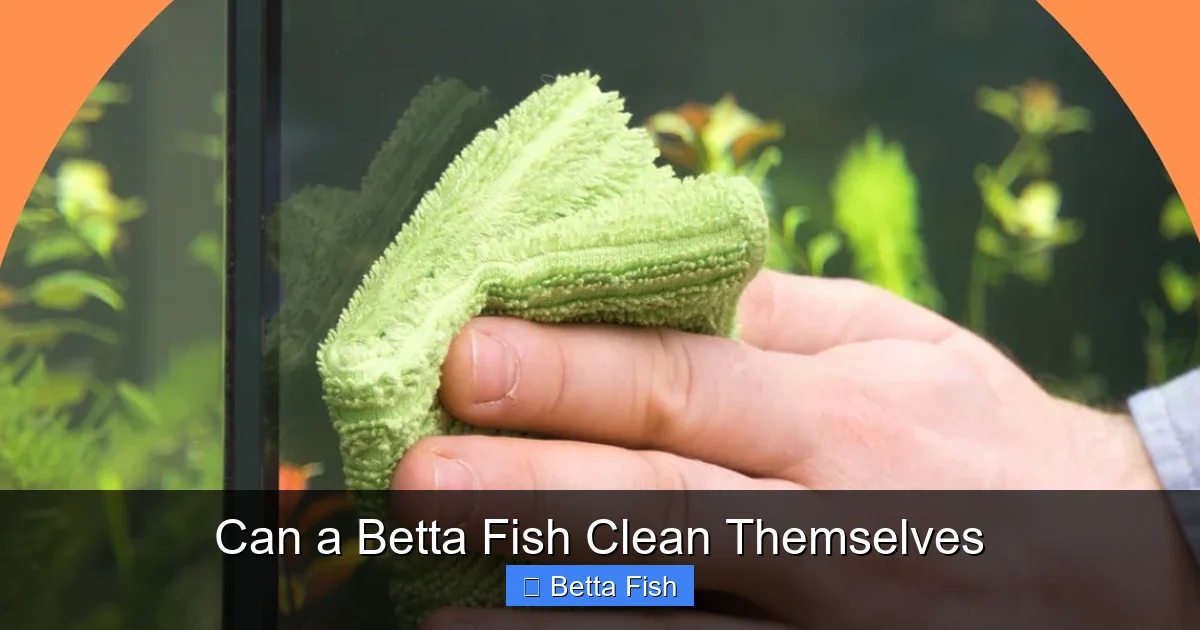
While these natural actions are helpful, they don’t replace regular tank cleaning. A betta cannot scrub algae off glass, vacuum sand, or remove uneaten food that settles on the bottom. Without human help, waste will accumulate, leading to cloudy water and health problems.
2. The Role of the Tank Environment
Water Quality Is Everything
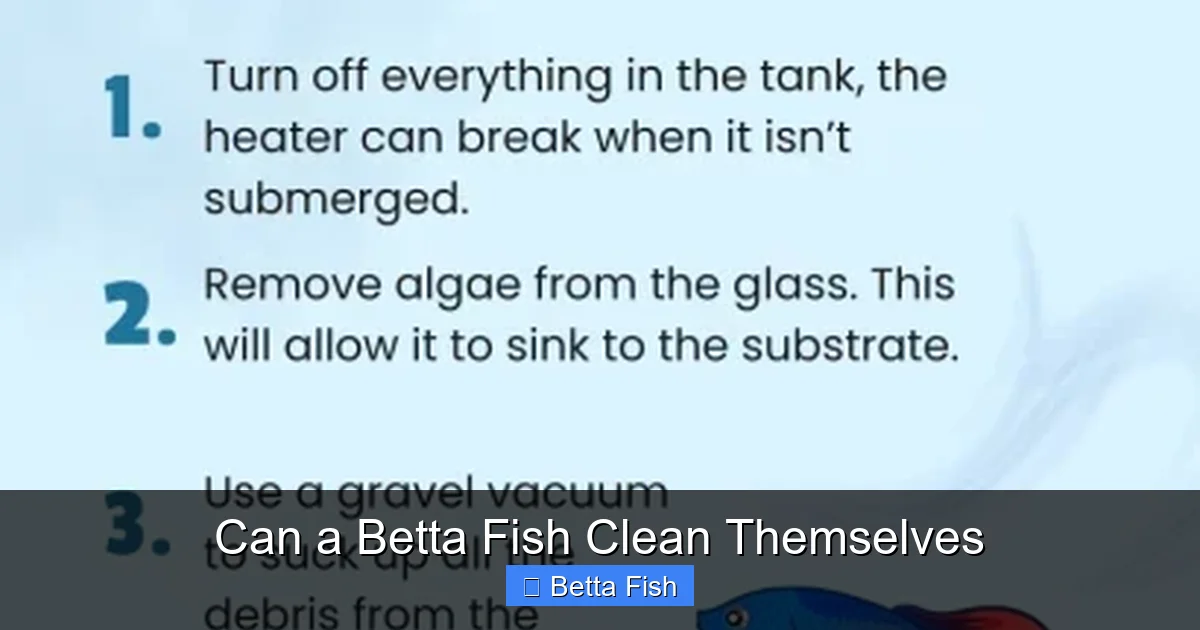
Good water quality is the foundation of a clean betta. Even the best natural cleaners can’t cope with high ammonia, nitrite, or nitrate levels. Perform a 25‑30% water change at least once a week, and test the water with a simple kit.
Visual guide about Can a Betta Fish Clean Themselves
Image source: bettacarefishguide.com
Substrate and Decorations
Fine gravel or sand can trap food particles. Rinse the substrate with dechlorinated water during water changes to prevent buildup. Live plants also help absorb waste, but they need trimming to avoid decay that could foul the water.
Filtration Choices
Because bettas prefer slow currents, a gentle sponge filter works well. It provides biological filtration without stressing the fish. Remember to clean the filter media in tank water (not tap water) to preserve beneficial bacteria.
Temperature and pH
Bettas thrive at 76‑82°F (24‑28°C) and a pH of 6.5‑7.5. Stable conditions reduce stress, which in turn supports a strong slime coat and better natural cleaning.
3. Feeding Practices That Reduce Mess
Portion Control
Overfeeding is the number one cause of excess waste. Offer only as much as your betta can eat in two minutes, once or twice a day. Remove any uneaten food after feeding.
Visual guide about Can a Betta Fish Clean Themselves
Image source: wikihow.com
High‑Quality Diet
Pellets designed for bettas are usually low‑fat and sink slowly, mimicking natural feeding. Occasionally supplement with frozen or live foods like daphnia or brine shrimp for variety and better digestion.
Avoid Human Snacks
Feeding bread, crackers, or other human foods can cloud the water and cause digestive issues. Stick to products formulated for tropical fish.
Link to Related Topic
For more on safe feeding, see our guide on Can You Feed A Betta Fish Tropical Flakes.
4. Helpful Tank Mates and Clean‑Up Crew
Snails
Apple or nerite snails graze on algae and leftover food. They move slowly, so they won’t stress a betta. Keep the snail population low to avoid over‑population.
Algae Eaters
Small loaches or certain dwarf shrimp can nibble on algae without bothering a betta. Check compatibility first; some bettas may see them as food.
Link to Compatibility Article
Learn which companions are safe in What Fish Can Live With A Male Betta.
When to Keep a Betta Solo
Many bettas thrive alone, especially males. If you notice aggression toward tank mates, it’s best to provide a solitary setup.
5. Routine Cleaning Steps
Weekly Water Change
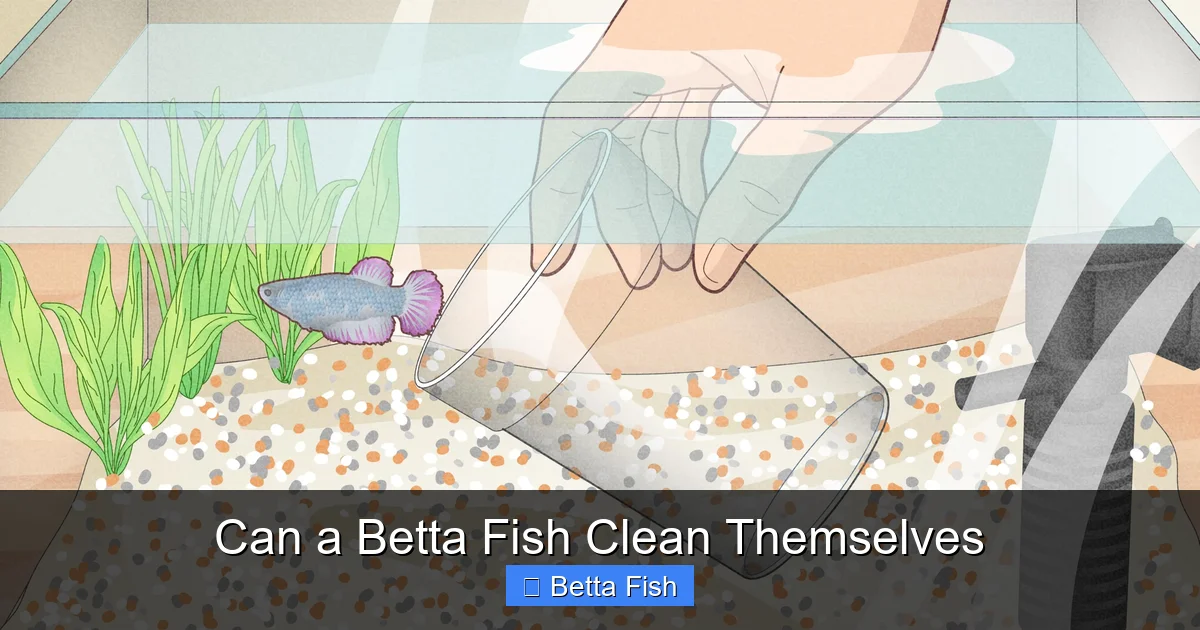
- Turn off the heater and filter.
- Remove 25‑30% of the water with a siphon.
- Rinse the substrate lightly to lift debris.
- Refill with dechlorinated, temperature‑matched water.
- Turn equipment back on.
Monthly Deep Clean
Every 4‑6 weeks, take the following steps:
- Remove decorations and scrub with a soft brush.
- Vacuum the substrate more thoroughly.
- Rinse filter media in tank water.
- Check the heater for mineral buildup.
Cleaning Tools You’ll Need
A small aquarium siphon, a soft brush, a water conditioner, and a test kit are all you need. Avoid harsh chemicals; they can damage the delicate slime coat.
Link to Full Cleaning Guide
For a step‑by‑step walkthrough, read How To Clean Out A Betta Fish Tank.
6. Signs Your Betta Needs Extra Help
Cloudy Water
If the water stays cloudy after a change, it may indicate excess waste or bacterial bloom. Increase the frequency of water changes and check filter function.
Faded Colors or Frayed Fins
These symptoms can signal a weakened slime coat or fin rot, often caused by poor water quality. Act quickly: clean the tank, treat with a mild antifungal if needed, and monitor.
Excessive Gasping
When a betta constantly darts to the surface, it may be lacking oxygen or suffering from ammonia stress. Verify temperature, aeration, and water parameters.
Behavior Changes
Lethargy, loss of appetite, or hiding more than usual are red flags. A clean environment can often reverse these signs.
Conclusion: A Team effort for a Clean Betta
So, can a betta fish clean themselves? The short answer is “partially.” They have built‑in mechanisms like gill flushing, fin fanning, and slime coat renewal that help keep their bodies clean. However, these natural processes cannot replace regular tank maintenance, proper feeding, and occasional assistance from tank mates.
By pairing your betta’s modest self‑cleaning abilities with a consistent cleaning schedule, quality water, and a balanced diet, you give your fish the best chance to thrive. Think of it as a partnership: the betta does what it can, and you fill in the gaps. With a little effort, you’ll enjoy a sparkling tank and a vibrant, healthy betta for years to come.
Frequently Asked Questions
Can a betta fish clean its own tank?
No. A betta can only clean its own body through gill flushing and fin movements. The tank itself requires regular water changes and substrate cleaning.
How often should I change the water for a betta?
A 25‑30% water change once a week is ideal. If you notice cloudiness or strong odor, increase the frequency.
Do bettas need a filter?
Yes, a gentle sponge filter provides biological filtration without creating strong currents that stress bettas.
Can snails help keep a betta tank clean?
Snails like apple or nerite snails eat algae and leftover food, reducing waste and helping maintain water quality.
What signs show my betta’s slime coat is damaged?
Look for dull colors, white patches, fungal growth, or increased susceptibility to fin rot.
Is it okay to use soap when cleaning a betta tank?
Never use soap. Residues can be toxic. Stick to plain water and a dedicated aquarium brush.

