Betta fish and snails can often coexist peacefully when you provide the right environment, tank size, and careful species selection. By managing water parameters, hiding spots, and feeding routines, you’ll create a thriving mini‑ecosystem that benefits both pets.
Key Takeaways
- Compatibility depends on species: Not all snails are safe; apple and nerite snails are the best bets.
- Tank size matters: A minimum of 5‑10 gallons gives both a betta and a snail enough room.
- Water parameters must suit both: Keep temperature around 78°F, pH 6.5‑7.5, and stable ammonia‑free water.
- Provide plenty of hiding places: Plants, driftwood, and caves reduce stress for the betta.
- Feed wisely: Offer sinking foods for snails and avoid over‑feeding to prevent water quality issues.
- Monitor behavior daily: Early signs of aggression or illness help you act before problems spread.
- Regular maintenance is key: Weekly water changes and substrate cleaning keep the tank healthy for both residents.
📑 Table of Contents
- Introduction: Why Pair a Betta with a Snail?
- 1. Understanding Betta Fish Temperament
- 2. Choosing the Right Snail Species
- 3. Setting Up the Tank for Peaceful Co‑habitation
- 4. Water Parameters That Suit Both Species
- 5. Feeding Both Residents Properly
- 6. Monitoring Behavior and Health
- 7. Common Questions and Practical Tips
- Conclusion
Introduction: Why Pair a Betta with a Snail?
If you’ve ever watched a betta flare its fins and then wondered who could share that gorgeous little kingdom, snails are often the first names that pop up. Snails aren’t just cute; they act like tiny janitors, eating algae, leftover food, and detritus. That means a cleaner tank and less work for you. But can a betta fish and a snail live together without drama?
In this guide we’ll walk through everything you need to know—water chemistry, tank set‑up, species selection, feeding tricks, and what to watch for. By the end you’ll feel confident enough to create a harmonious community tank that both your betta and snail will love.
1. Understanding Betta Fish Temperament
1.1 The “Siamese Fighting Fish” Reputation
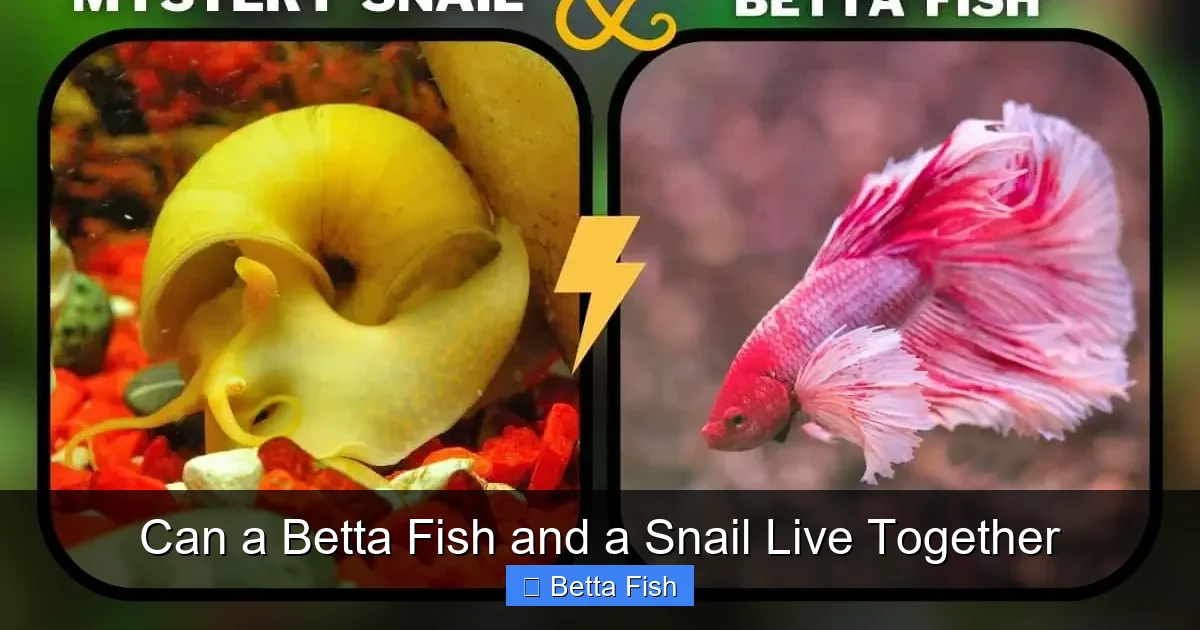
Betta fish earned their nickname because males are fiercely territorial. In the wild they defend small puddles, so in a confined aquarium they can see any newcomer as a threat. That’s why many beginners think a betta must live alone.
Visual guide about Can a Betta Fish and a Snail Live Together
Image source: efishkeeping.com
1.2 When Betta Fish Get Along with Others
Not all bettas are aggressive 24/7. A calm, well‑fed adult male may tolerate slow‑moving, non‑aggressive tank mates—especially if the tank is spacious and offers plenty of visual barriers. For more on betta compatibility, read our article on Can A Betta Fish Live With Other Fish.
2. Choosing the Right Snail Species
2.1 Best Snail Candidates for Betta Tanks
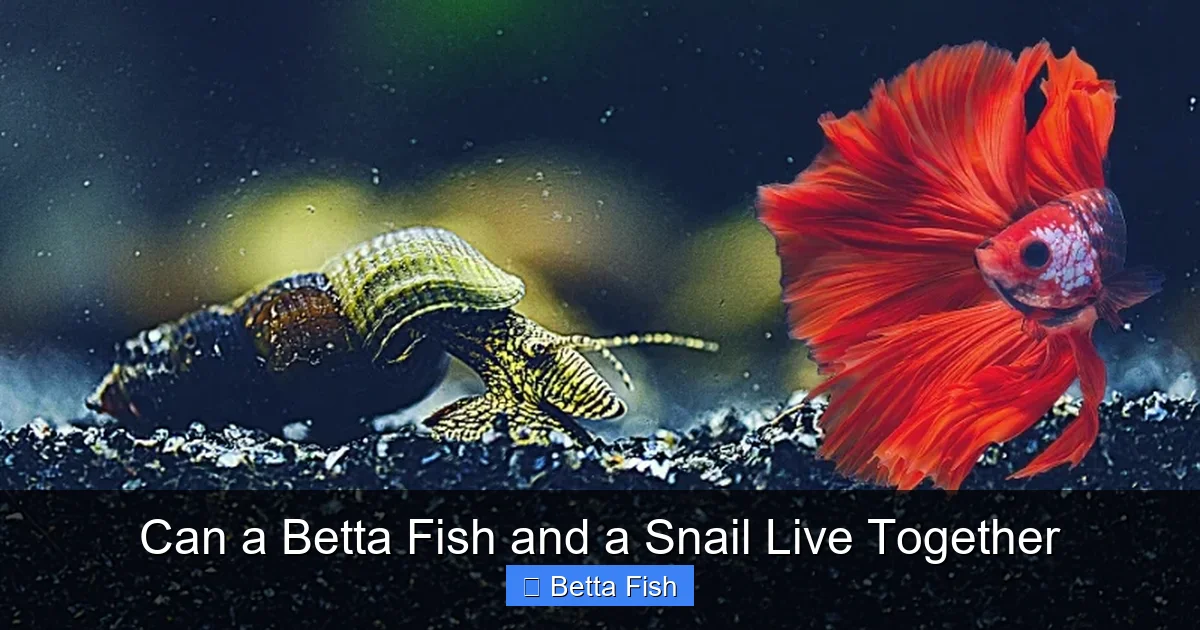
The safest snails are those that move slowly, have hard shells, and are not prone to being nipped. Popular choices include:
Visual guide about Can a Betta Fish and a Snail Live Together
Image source: infishtank.com
- Apple Snails: Large, hardy, and love to munch on plant matter. Their size often deters bettas.
- Nerite Snails: Excellent algae eaters; they cannot reproduce in freshwater, so you won’t get a snail overrun.
- Ramshorn Snails: Small and quick to breed, so use them only if you’re prepared for a possible population boom.
2.2 Snails to Avoid
Some snails, like mystery snails with delicate shells, can become easy targets. Also, avoid any snail that carries parasites or that prefers water temperatures below 70°F, as bettas thrive near 78°F.
3. Setting Up the Tank for Peaceful Co‑habitation
3.1 Minimum Tank Size
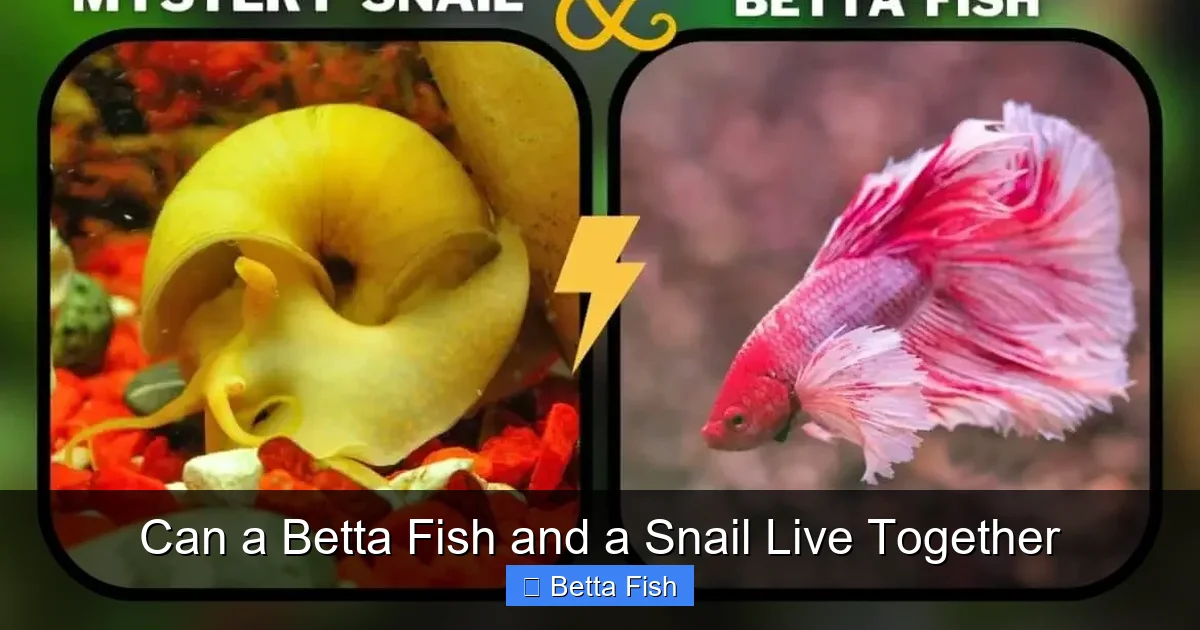
A 5‑gallon tank is the absolute minimum for a single betta and a snail, but a 10‑gallon tank gives you breathing room and makes aggression far less likely. More water also means more stable parameters.
Visual guide about Can a Betta Fish and a Snail Live Together
Image source: efishkeeping.com
3.2 Filtration and Heating
Betta fish love calm water, so choose a low‑flow sponge filter or a gentle hang‑on‑back filter set to “low”. A heater should maintain 76‑80°F (24‑27°C). Consistency is vital; sudden temperature swings stress both betta and snail.
3.3 Decorating for Hiding Spots
Plants (live or silk), driftwood, and ceramic caves create visual barriers. Snails love to crawl on surfaces, while bettas love to perch on leaf tops. The more “rooms” you make, the less likely the betta will see the snail as food.
3.4 Substrate Choices
Fine sand or smooth gravel works well. Avoid sharp or rough substrates that could damage a snail’s shell. A layer of leaf litter also provides extra foraging material for snails.
4. Water Parameters That Suit Both Species
4.1 Temperature
Keep the water at 78°F (25‑26°C). This is optimal for most bettas and safe for apple and nerite snails.
4.2 pH and Hardness
A pH of 6.5‑7.5 and moderate hardness (GH 4‑12) keep both happy. Snails need calcium for shell growth, so consider adding a calcium supplement if your water is soft.
4.3 Ammonia, Nitrite, Nitrate
Zero ammonia and nitrite are non‑negotiable. Keep nitrates below 20 ppm. Regular water changes (20‑30 % weekly) help maintain these levels.
5. Feeding Both Residents Properly
5.1 Betta Diet Basics
High‑quality betta pellets or frozen bloodworms are ideal. Feed 2‑3 small meals per day, only what the fish can eat in 2‑3 minutes.
5.2 Feeding Snails
Snails love algae wafers, blanched veggies (zucchini, spinach), and leftover fish flakes. Offer a small piece of veggie once a day; the snail will graze while the betta swims around.
5.3 Avoid Over‑Feeding
Excess food fuels algae growth, which can drown a snail’s food sources and cloud the water. Stick to a schedule and remove uneaten food after a few minutes.
6. Monitoring Behavior and Health
6.1 Signs of Compatibility
A happy betta will display its fins, explore, and ignore the snail. The snail should be moving around, grazing, and not showing shell damage.
6.2 Warning Signs
If the betta repeatedly chases the snail, flares aggressively, or if the snail’s shell shows bite marks, separate them immediately. Also watch for betta’s loss of color, ragged fins, or snail lethargy—these can signal water quality problems.
6.3 When to Separate
In the rare case of persistent aggression, move the snail to a separate “hospital” tank. You can later re‑introduce once the betta’s temperament calms down.
7. Common Questions and Practical Tips
7.1 Can I Keep Multiple Snails?
Yes, but remember they breed quickly. If you add more than one, be ready for a potential snail population explosion, especially with ramshorn snails.
7.2 Do Snails Help Reduce Betta Stress?
Indirectly. By cleaning algae and leftovers, snails improve water quality, which keeps the betta healthier and less prone to stress‑induced aggression.
7.3 What About Live Plants?
Live plants are a win‑win. They offer hiding spots, improve water chemistry, and give snails extra grazing material. Java moss, Anubias, and Cryptocoryne are betta‑friendly choices.
Conclusion
Yes—a betta fish and a snail can live together happily when you choose the right snail species, provide a spacious, well‑decorated tank, and keep water conditions stable. Think of the snail as a tiny, shell‑clad cleaning crew that can coexist with your flamboyant betta without drama. By following the practical steps above, you’ll enjoy a vibrant, low‑maintenance aquarium that showcases the best of both worlds.
Frequently Asked Questions
Can a betta fish eat a snail?
Betta fish may try to nip at small, slow‑moving snails, but most adult snails with hard shells are usually left alone. Choosing larger snails like apple or nerite reduces the risk.
How big should the tank be for a betta and a snail?
A minimum of 5 gallons is required, but a 10‑gallon tank provides more space, better water stability, and lowers aggression chances.
Do snails need a special diet when living with a betta?
No special diet is needed. Offer algae wafers, blanched vegetables, and occasional fish flakes. The betta’s regular pellets will also serve as occasional snail food.
Can I keep more than one snail with my betta?
Yes, but be aware that some snail species breed quickly. If you add multiple snails, monitor the population and be prepared to manage it.
What are the best plants for a betta‑snail tank?
Java moss, Anubias, and Cryptocoryne are low‑light, hardy plants that provide cover for both betta and snail while helping maintain water quality.
Where can I learn more about snails and bettas together?
Check out our detailed article Can You Have A Snail With A Betta Fish for additional tips and species recommendations.

