Can a Baby Betta Live with Other Fish

Wondering if a baby betta can share a tank? In most cases, a young betta needs a peaceful, well‑filtered community with tiny, non‑aggressive fish. Choose the right mates, watch water parameters, and give plenty of hiding spots to keep everyone thriving.
Key Takeaways
- Size matters: A baby betta should be at least 2‑3 inches long before meeting other fish.
- Temperament is key: Young bettas are less territorial but still prone to flare if stressed.
- Tank size: Minimum 10 gallons for a community; larger is always better.
- Ideal mates: Small, fast‑swimming, peaceful species such as neon tetras, rasboras, and dwarf gouramis.
- Water conditions: Keep temperature 78‑80 °F, pH 6.5‑7.5, and maintain excellent filtration.
- Introduce slowly: Use a quarantine or “copper‑sulphate” method to monitor behavior before full integration.
- Observe daily: Early signs of stress include faded colors, frayed fins, or constant hiding.
📑 Table of Contents
Introduction: The Curious Case of the Baby Betta
Betta fish are famous for their dazzling fins and feisty personalities. When you first bring home a tiny fry or a juvenile, it’s natural to wonder if you can introduce it to a community tank right away. The short answer is “yes, but with caution.” A baby betta is not the same as an adult male that will guard a throne of bubbles. Young bettas are still developing their temperament, and they need the right environment to grow without becoming a bully or a victim.
In this article we’ll explore everything you need to know about whether a baby betta can live with other fish. From tank size and water parameters to the best tank mates and step‑by‑step introductions, you’ll get a clear roadmap for creating a peaceful community that works for both the betta and its companions.
1. Understanding a Baby Betta’s Behavior
1.1 Why Young Bettas Are Different
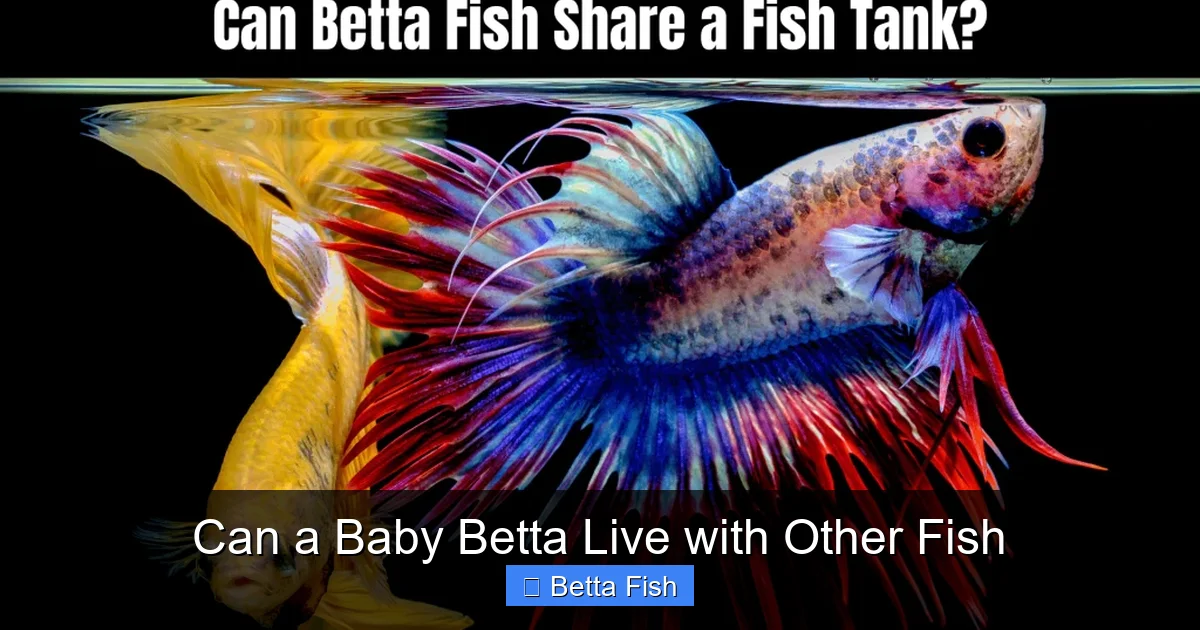
Baby bettas (often called fry or juveniles) are still learning the rules of their world. They are less likely to flare aggressively because they have not yet claimed a territory. However, they are also more vulnerable to bullying from larger, faster swimmers.
Visual guide about Can a Baby Betta Live with Other Fish
Image source: aniimad.com
1.2 The Development Timeline
Most betta fry reach a size of about 1 inch within the first 4‑6 weeks. By the time they are 2‑3 inches long (approximately 8‑12 weeks), they have enough confidence to defend themselves but are still small enough to be considered “peaceful” by many hobbyists.
1.3 Signs of Stress in Young Bettas
- Faded coloration or loss of iridescence
- Frayed or torn fins
- Constant hiding under plants or decorations
- Rapid breathing or gasping at the surface
If you notice any of these signs, it’s a cue to reassess tank mates or water quality.
2. Tank Requirements for a Baby Betta Community
2.1 Minimum Tank Size
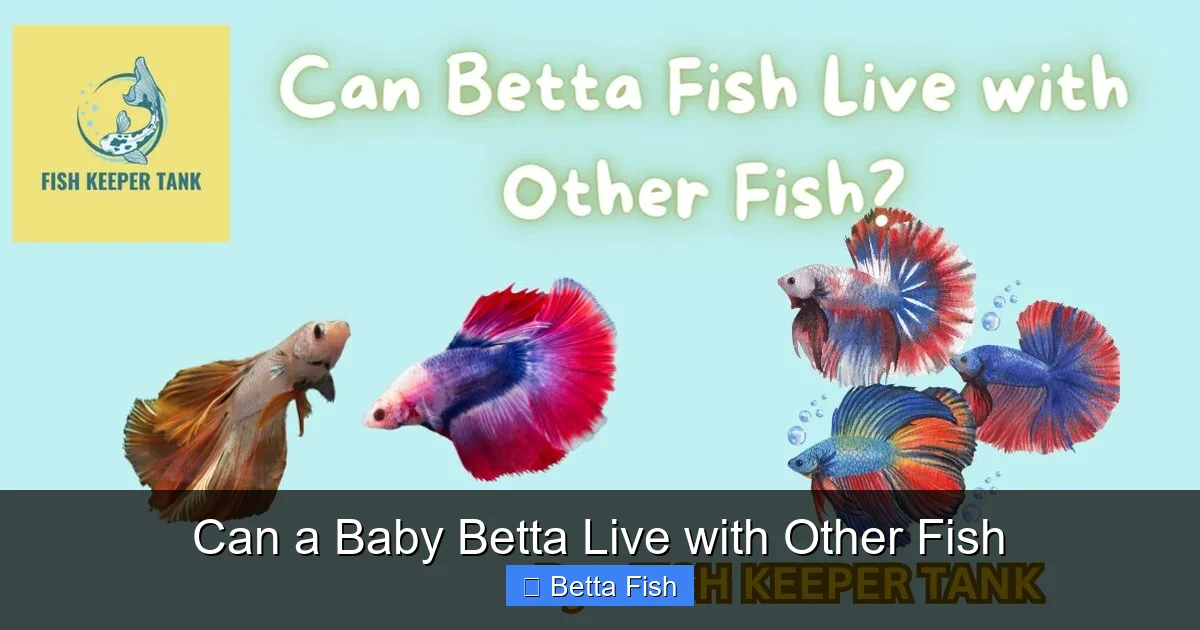
Even a juvenile betta needs space to swim. A 10‑gallon (38‑liter) tank is the absolute minimum for a small community. Larger tanks (20‑gallon or more) give each fish room to establish its own zone, reducing territorial disputes.
Visual guide about Can a Baby Betta Live with Other Fish
Image source: fishkeepertank.com
2.2 Filtration and Water Flow
Betta fish prefer calm water, but a gentle flow is essential for good oxygenation. A low‑profile sponge filter or a hang‑on‑back filter with a spray bar set to a mild setting works well. Remember to perform weekly water changes of 25‑30 % to keep nitrate levels low.
2.3 Temperature and pH
Maintain a stable temperature between 78‑80 °F (25‑27 °C). Use a reliable aquarium heater and a digital thermometer. The ideal pH range is 6.5‑7.5, which matches both bettas and most small community fish.
2.4 Hiding Places and Plant Cover
Live plants such as Java fern, Anubias, and Marimo moss balls create natural hideouts. Add driftwood, smooth rocks, and silicone‑sealed decorations to give your baby betta places to retreat when it feels threatened.
3. Choosing the Right Tank Mates
3.1 What to Look For
- Size: Fish smaller than the betta or similar in size to avoid predation.
- Temperament: Peaceful, non‑aggressive species that won’t nip fins.
- Swim Level: Mid‑ to top‑water swimmers keep the betta’s bottom‑dwelling habit in mind.
33 Ideal Species for a Baby Betta
- Neon tetras (2‑3 cm) – bright, fast, and generally ignore bettas.
- Corydoras catfish – bottom dwellers that stay out of the betta’s way.
- Harlequin rasboras – peaceful schooling fish that add movement.
- Dwarf gourami (male) – can coexist if the tank is large enough.
- Endler’s livebearers – tiny, active, and unlikely to provoke.
3.4 Species to Avoid
Long‑fin guppies, other male bettas, and aggressive cichlids can trigger fin‑nipping or territorial fights. Even some brightly colored barbs may be too boisterous for a young betta.
Visual guide about Can a Baby Betta Live with Other Fish
Image source: infishtank.com
3.5 Linking to More Details
For an in‑depth look at compatible community fish, see our guide on What Other Fish Can Live With Betta Fish.
4. The Introduction Process
4.1 Quarantine First
Always quarantine new fish for at least two weeks. This prevents disease transmission and gives you a chance to observe the newcomer’s behavior.
4.2 Acclimation Steps
- Float the sealed bag in the betta’s tank for 15 minutes to equalize temperature.
- Gradually add small amounts of tank water to the bag every 5 minutes for 30 minutes.
- Use a net to gently transfer the fish, avoiding any water from the bag.
4.3 Monitoring the First 24 Hours
Keep a close eye on the baby betta and its new companions. Look for signs of aggression such as flaring, chasing, or fin damage. If tension rises, use a tank divider or a separate “hospital” tank until the fish settle.
4.4 Long‑Term Observation
After a week of calm coexistence, you can remove any dividers. Continue daily checks for the first month. Most issues surface early, and a well‑balanced community will soon display natural schooling and foraging behaviors.
5. Common Mistakes and How to Fix Them
5.1 Overcrowding
A small tank packed with too many fish raises stress levels. If you notice constant hiding or faded colors, consider moving some fish to another tank.
5.2 Ignoring Water Quality
High nitrate (>20 ppm) or low temperature can make a betta irritable. Test water weekly and perform regular water changes.
5.3 Mixing Sizes Incorrectly
Placing a large, fast swimmer with a tiny baby betta often ends in the betta being chased. Re‑evaluate the size hierarchy and replace problem fish with smaller, slower species.
5.4 Not Providing Hiding Spots
Without enough cover, a baby betta will feel exposed and may become aggressive. Add more plants or decorations to create a balanced environment.
6. When a Baby Betta Should Remain Solo
6.1 Genetic Temperament
Some betta lines are naturally more aggressive, regardless of age. If your juvenile shows early signs of extreme territoriality, it may be best to keep it in a species‑only tank.
6.2 Breeding Set‑ups
If you plan to breed bettas, you’ll need a separate breeding tank. The presence of other fish can stress the pair and reduce spawning success.
6.3 Health Concerns
Ill or weak bettas are more susceptible to disease when housed with other fish. Treat any illness in isolation before re‑introducing to the community.
Conclusion
So, can a baby betta live with other fish? Absolutely—provided you give the right tank size, maintain pristine water, choose peaceful, appropriately sized companions, and introduce them gradually. By following the steps outlined above, you’ll create a vibrant community where your young betta can grow strong, display its brilliant colors, and enjoy a social environment without constant conflict.
Remember, every fish is an individual. Keep observing, stay patient, and don’t be afraid to adjust the community as needed. Your dedication will be rewarded with a thriving aquarium that’s a joy to watch every day.
Frequently Asked Questions
Can a baby betta be kept with neon tetras?
Yes. Neon tetras are small, fast‑swimming, and non‑aggressive, making them excellent companions for a juvenile betta in a well‑planted tank.
What is the minimum tank size for a baby betta and community fish?
A 10‑gallon (38‑liter) tank is the smallest recommended size. Larger tanks provide more stability and reduce territorial disputes.
Do I need a heater for a baby betta?
Absolutely. Bettas are tropical fish and thrive at 78‑80 °F (25‑27 °C). A reliable heater keeps the temperature steady.
How long should I quarantine new fish before adding them to the betta’s tank?
Quarantine for at least two weeks. This helps prevent disease spread and lets you watch the newcomer’s behavior.
Can I keep a baby betta with a dwarf gourami?
Yes, in a sufficiently large tank (20 gallons or more). Both species are semi‑aggressive, so ample space and hiding spots are essential.
What are the signs that my baby betta is stressed?
Look for faded colors, torn fins, constant hiding, or rapid breathing. If you see these, check water parameters and tank mates immediately.