Betta fish do not need to be fed daily; most experts recommend feeding once or twice a day with small portions. Over‑feeding can cause water quality problems and health issues, while a consistent, modest schedule keeps your betta active and colorful. Follow a simple feeding plan, watch your fish’s behavior, and adjust as needed for optimal care.
Key Takeaways
- Frequency matters more than daily feeding: Most bettas thrive on 1‑2 feedings per day.
- Portion control prevents health problems: Only a few pellets or a tiny dab of food each time.
- Quality of food is crucial: Use high‑protein betta pellets or occasional live/frozen treats.
- Observe your fish: Appetite, activity, and waste give clues about feeding adequacy.
- Water quality ties to feeding: Uneaten food fuels ammonia spikes.
- Adjust for age and health: Fry need more frequent feedings; sick bettas may need special care.
- Plan for vacations: Automatic feeders or pre‑portioned meals keep routine steady.
📑 Table of Contents
Introduction: Why the Feeding Question Matters
When you first bring a betta home, the excitement is palpable. You watch that brilliant tail flare, you hear the gentle bubble of the surface, and you want to do everything right. One of the first questions that pops up is, “are you supposed to feed betta fish everyday?” The short answer is “yes, but not as often as you might think.”
Feeding seems simple, yet it’s a balancing act. Too little and your betta may lose color, become lethargic, or develop health issues. Too much and the water turns cloudy, ammonia spikes, and your fish can suffer from constipation or swim‑bladder disease. In this guide we’ll break down the science, share practical tips, and give you a step‑by‑step feeding schedule that works for most bettas.
How Often Should You Feed a Betta?
Daily vs. Twice‑Daily Feeding
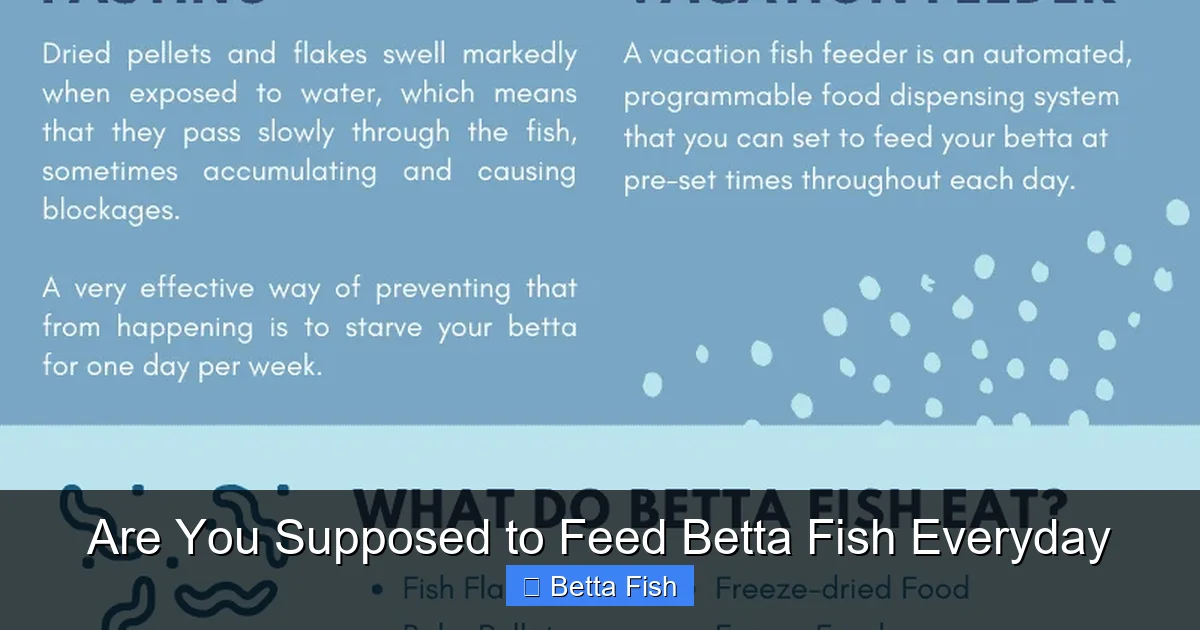
Most experienced hobbyists feed bettas once in the morning and once in the evening. This mimics the natural feeding pattern of wild bettas, which hunt for small insects and larvae throughout the day. Feeding twice a day also helps prevent over‑eating because you can give a tiny portion each time.
Visual guide about Are You Supposed to Feed Betta Fish Everyday
Image source: tankarium.com
If you’re new to betta care, start with How Often Are You Supposed To Feed Betta Fish as a reference point. Many experts suggest feeding 2‑3 small pellets once in the morning and a similar amount in the evening.
Special Cases: Fry, Seniors, and Sick Bettas
- Fry: Young bettas need frequent, tiny meals—about 4‑5 feedings per day.
- Older or less active bettas: They may eat less, so a single small feeding might be enough.
- Sick bettas: Follow a vet‑recommended diet; sometimes more frequent, smaller meals aid digestion.
How Much Should You Feed?
Portion Size Explained
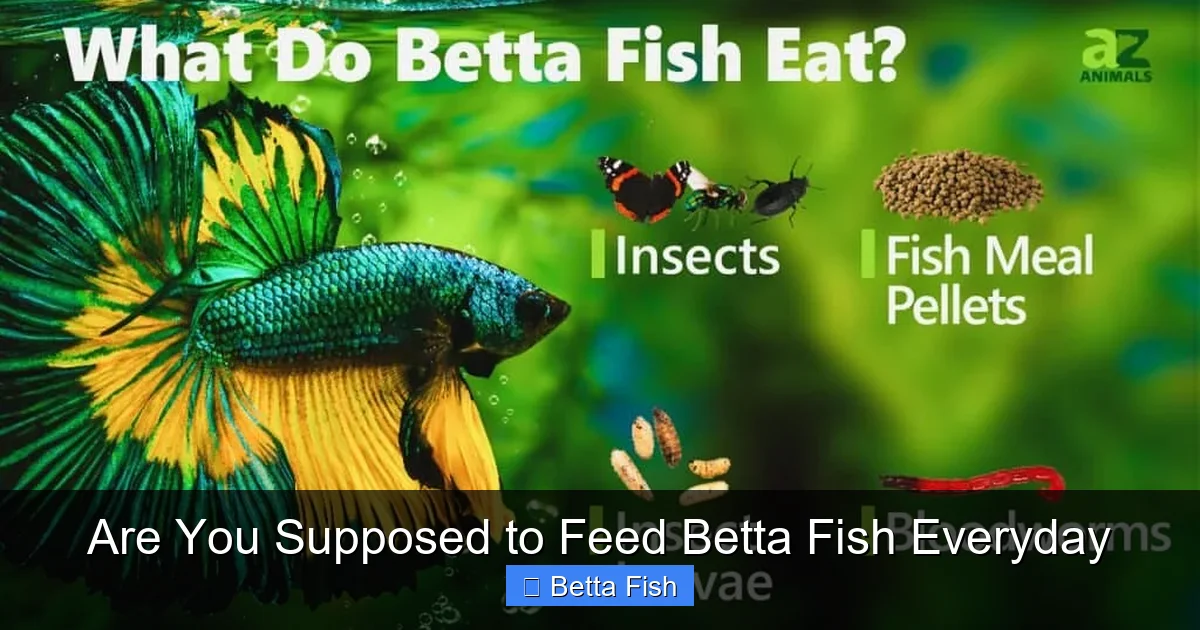
The rule of thumb is “what they can eat in 2‑3 minutes.” For most pellet brands, that’s 2‑3 pellets per feeding for an adult betta. If you’re using frozen or live foods like brine shrimp, a pea‑sized amount is sufficient.
Visual guide about Are You Supposed to Feed Betta Fish Everyday
Image source: a-z-animals.com
Over‑feeding is the #1 cause of cloudy water. Uneaten food settles, decomposes, and spikes ammonia. To avoid this, always remove leftovers after a few minutes.
Choosing the Right Food
High‑protein betta pellets are formulated for their carnivorous needs. Occasionally, you can supplement with live or frozen foods such as brine shrimp, daphnia, or bloodworms. For a quick guide on safe treats, see Can You Feed Brine Shrimp To Betta Fish.
Practical Feeding Routine
Step‑by‑Step Daily Schedule
- Morning (7‑9 am): Offer 2‑3 pellets or a small dab of frozen food. Watch for 2‑3 minutes.
- Mid‑day (optional): If your betta seems hungry, add a tiny pinch of high‑quality flake or a single frozen bite.
- Evening (5‑7 pm): Repeat the morning portion.
- Post‑feeding: Use a small net or siphon to remove any uneaten food.
Tips for Consistency
- Use a timer‑controlled feeder for vacations.
- Keep a feeding log: note date, amount, and any changes in behavior.
- Rotate protein sources weekly to keep your betta interested.
Monitoring Your Betta’s Health
What to Look For
A healthy betta is active, displays bright colors, and eats eagerly. Warning signs of over‑feeding include bloated abdomen, lethargy, and cloudy water. Under‑feeding may show as dull coloration, weight loss, or increased aggression.

Visual guide about Are You Supposed to Feed Betta Fish Everyday
Image source: japanesefightingfish.org
Testing Water Quality
Test kits for ammonia, nitrite, and nitrate should be used weekly. If ammonia rises above 0 ppm after feeding, cut back on portions or increase water changes.
Adjusting the Routine for Special Situations
Vacation Feeding
When you’re away, a small automatic feeder set to release a pre‑measured portion twice daily works well. Alternatively, ask a friend to feed using the same schedule you follow at home.
Feeding During Breeding Season
Breeding bettas eat more to support egg production. Increase feedings to 4‑5 small meals per day, focusing on high‑protein foods like brine shrimp and bloodworms.
Common Mistakes and How to Avoid Them
Over‑Reliance on Flakes
Flakes are often lower in protein than pellets and can disintegrate quickly, polluting the water. Use them sparingly and opt for betta‑specific pellets instead. For more on flake suitability, read Can You Feed Tropical Flakes To Betta Fish.
Feeding the Wrong Species’ Food
Goldfish flakes, for example, are high in fiber and low in protein—poor for bettas. See Can You Feed Goldfish Food To Betta Fish for details.
Conclusion: Finding the Sweet Spot
So, are you supposed to feed betta fish everyday? Yes, but the key is to feed small, appropriate portions once or twice daily rather than a large daily dump. By monitoring your fish’s appetite, keeping the water clean, and choosing the right foods, you’ll enjoy a vibrant, healthy betta for years to come. Remember, consistency beats quantity, and a little observation goes a long way.
Frequently Asked Questions
How many times a day should I feed my betta?
Most adult bettas do well with two small feedings—once in the morning and once in the evening. Fry may need up to five feedings.
Can I feed my betta once a day?
Yes, a single feeding can work if the portion is appropriate and the fish eats all of it within a few minutes. Watch for signs of hunger.
What is the best type of food for a betta?
High‑protein betta pellets are ideal. Supplement occasionally with live or frozen foods like brine shrimp, daphnia, or bloodworms.
Is it okay to give my betta treats every day?
Treats should be occasional, not daily. Over‑reliance on treats can unbalance nutrition and foul the water.
How do I know if I’m over‑feeding my betta?
Cloudy water, excess waste, a bloated belly, or a fish that leaves food uneaten are clear signs of over‑feeding.
What should I do if my betta stops eating?
Check water parameters, reduce stressors, and try offering a different high‑protein food. If the problem persists, consult a vet.

