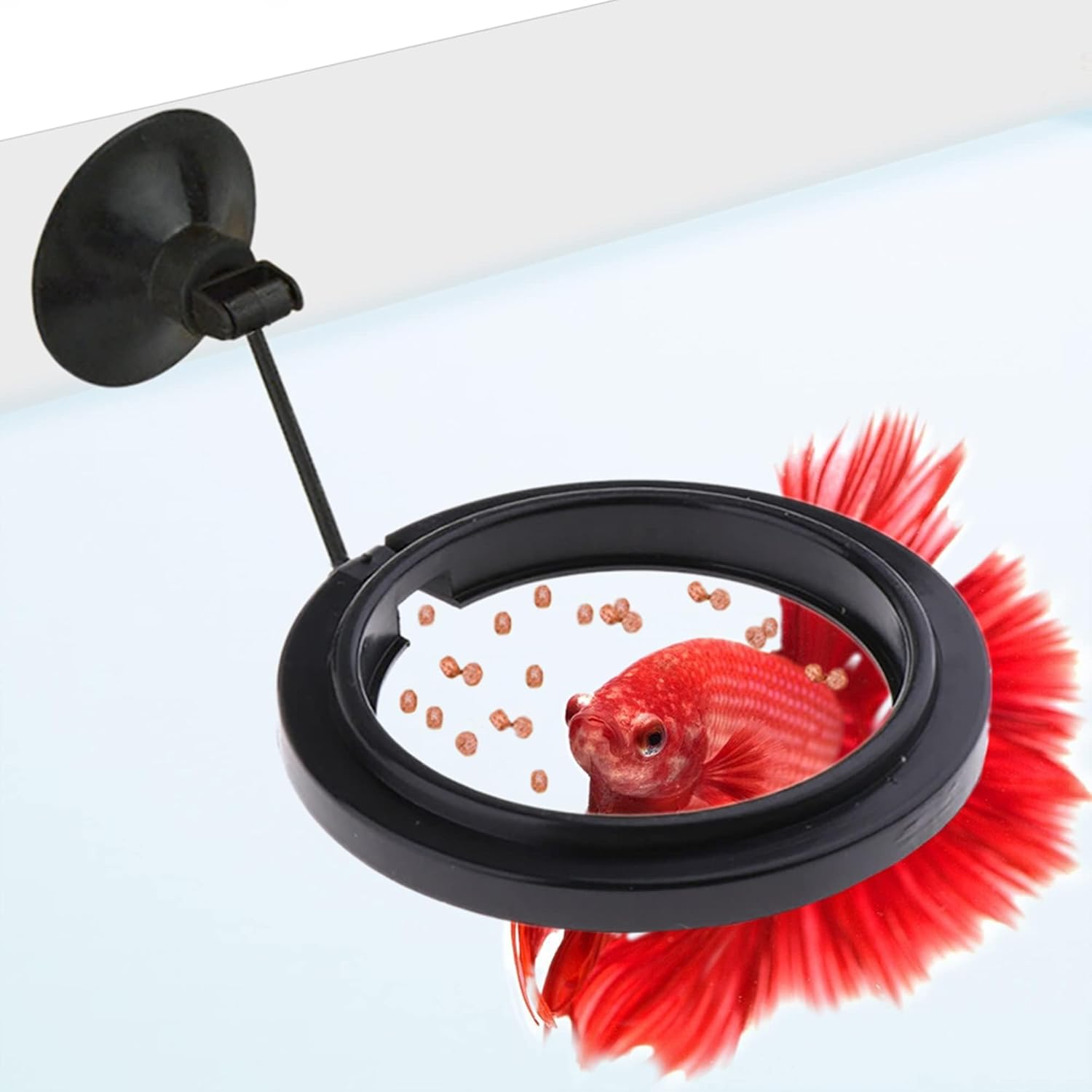
Are Spider Plants Toxic to Betta Fish

Spider plants are generally safe for betta fish, but proper care is essential. When used correctly, they enhance water quality and provide hiding spots, yet neglect can lead to water problems that stress your betta. Follow our guide to keep both plant and fish happy.
Key Takeaways
- Non‑toxic nature: Spider plants (Chlorophytum comosum) are not poisonous to bettas.
- Water quality matters: Decaying leaves can raise ammonia, harming fish.
- Root exposure: Keep roots contained to prevent tank fouling.
- Lighting needs: Moderate light prevents algae and keeps the plant healthy.
- Tank size: Small betta bowls can limit plant growth; aim for 5‑gallon or larger.
- Companion plants: Pair spider plants with other safe live plants for a balanced ecosystem.
- Regular maintenance: Trim, rinse, and monitor water parameters weekly.
📑 Table of Contents
- Introduction: Why the Question Comes Up
- 1. Understanding Spider Plants (Chlorophytum comosum)
- 2. Are Spider Plants Toxic? The Short Answer
- 3. How Spider Plants Influence Water Quality
- 4. Setting Up Spider Plants in a Betta Tank
- 5. Maintenance Tips for a Healthy Betta‑Plant Partnership
- 6. Alternatives and Companion Plants
- Conclusion: Safe, Green, and Happy
Introduction: Why the Question Comes Up
Every betta owner wants a beautiful, natural‑looking tank. Live plants are a quick way to add color, hide spots, and a sense of depth. One plant that shows up often in pet‑store aisles is the spider plant. Its long, arching leaves look great, but many hobbyists wonder: are spider plants toxic to betta fish? The short answer is “no,” but the story is a bit richer than a simple yes or no.
In this article we’ll break down the science behind spider plants, explore how they interact with betta fish, and give you step‑by‑step tips for safe, successful planting. By the end, you’ll know exactly how to use spider plants—or decide if another green friend is a better fit for your tank.
1. Understanding Spider Plants (Chlorophytum comosum)
1.1 Botanical basics
Spider plants are native to southern Africa and are prized for their hardiness. They grow from a central rosette and send out “spiderettes”—tiny plantlets that hang on long stems. In a home aquarium, you’ll usually use the main rosette or a trimmed plantlet.
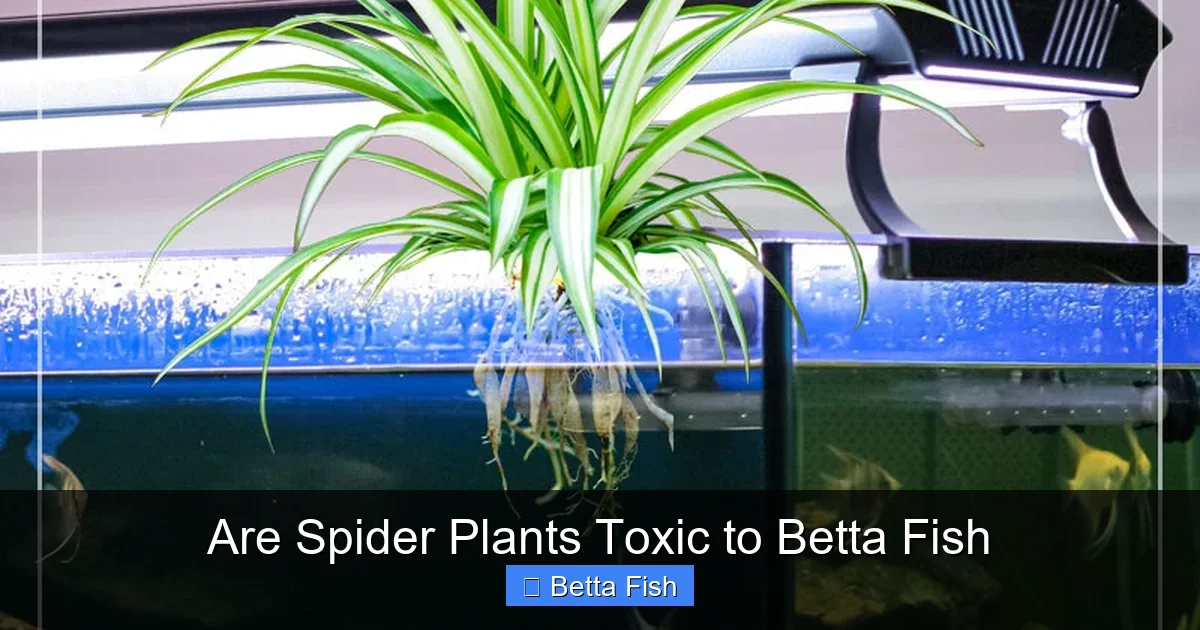
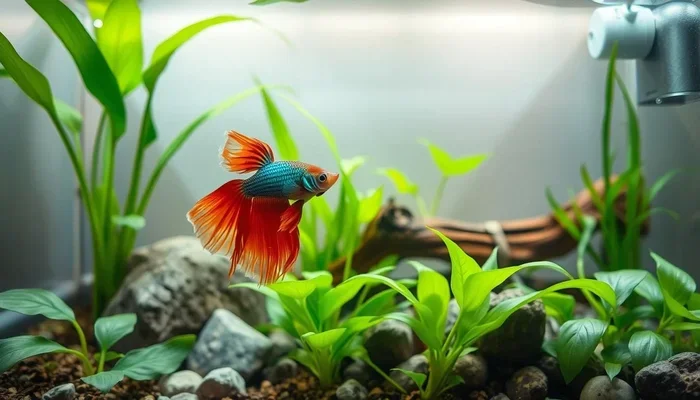
Visual guide about Are Spider Plants Toxic to Betta Fish
Image source: smartaquariumguide.com
1.2 What makes them popular for aquariums?
- Adaptability: They tolerate a wide range of water parameters.
- Low cost: Often sold as cheap houseplants that can be repurposed.
- Air‑purifying qualities: They absorb nitrates, helping keep the water clearer.
2. Are Spider Plants Toxic? The Short Answer
2.1 Toxicity to bettas
Scientific databases list spider plants as non‑toxic to fish, amphibians, and mammals. The plant does not contain alkaloids or saponins that would cause acute poisoning. If a betta nibbles a leaf, you’ll see no harmful reaction.
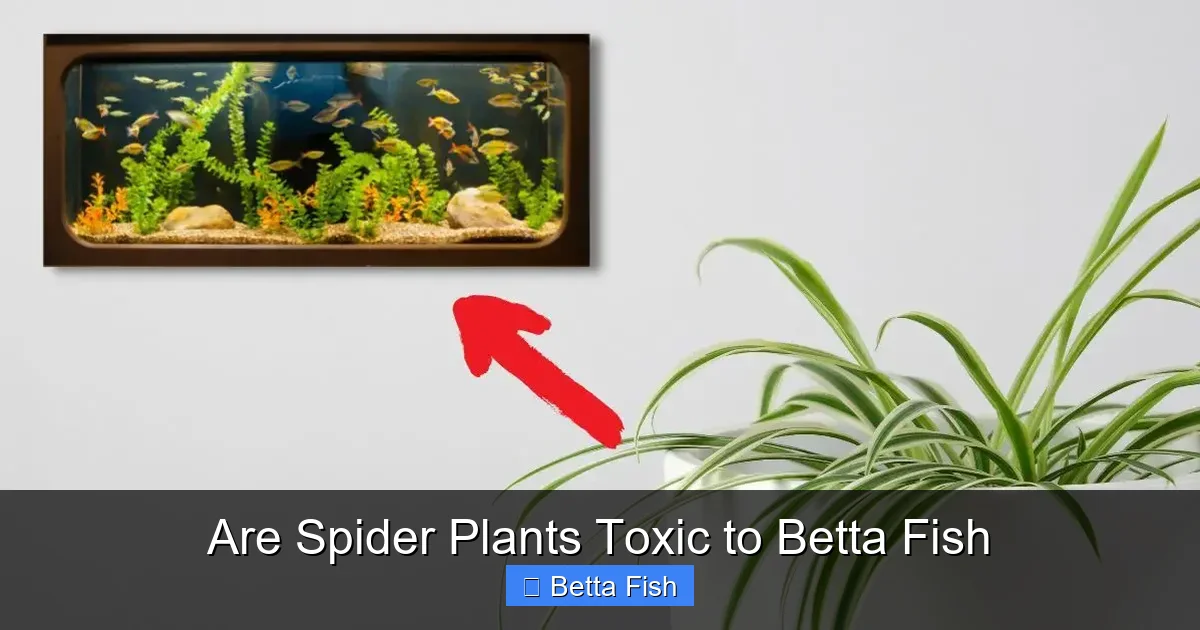
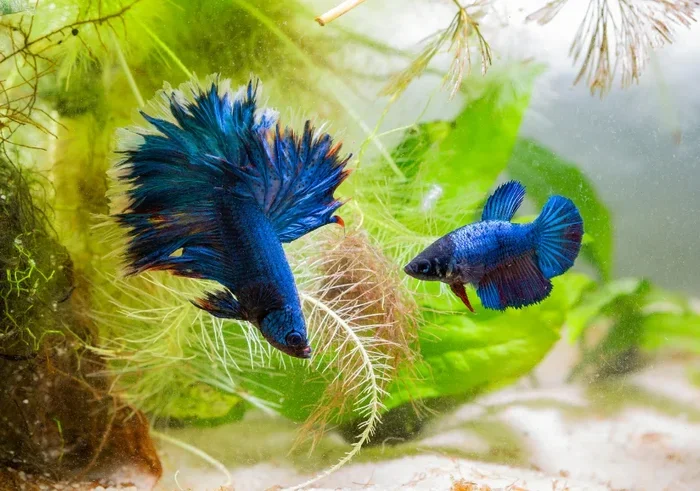
Visual guide about Are Spider Plants Toxic to Betta Fish
Image source: bettafishworld.com
2.2 When “non‑toxic” can still cause trouble
Even a safe plant can become a problem if it deteriorates. Decaying leaf matter releases ammonia and nitrites, which are toxic to bettas. Therefore, the key is to keep the plant healthy and remove any dead material promptly.
3. How Spider Plants Influence Water Quality
3.1 Beneficial effects
Healthy spider plants absorb nitrates, a by‑product of fish waste. This can lower the overall nitrate level, reducing the risk of algae blooms. They also release a small amount of oxygen during photosynthesis, which is a bonus for a betta that likes to breathe surface air.
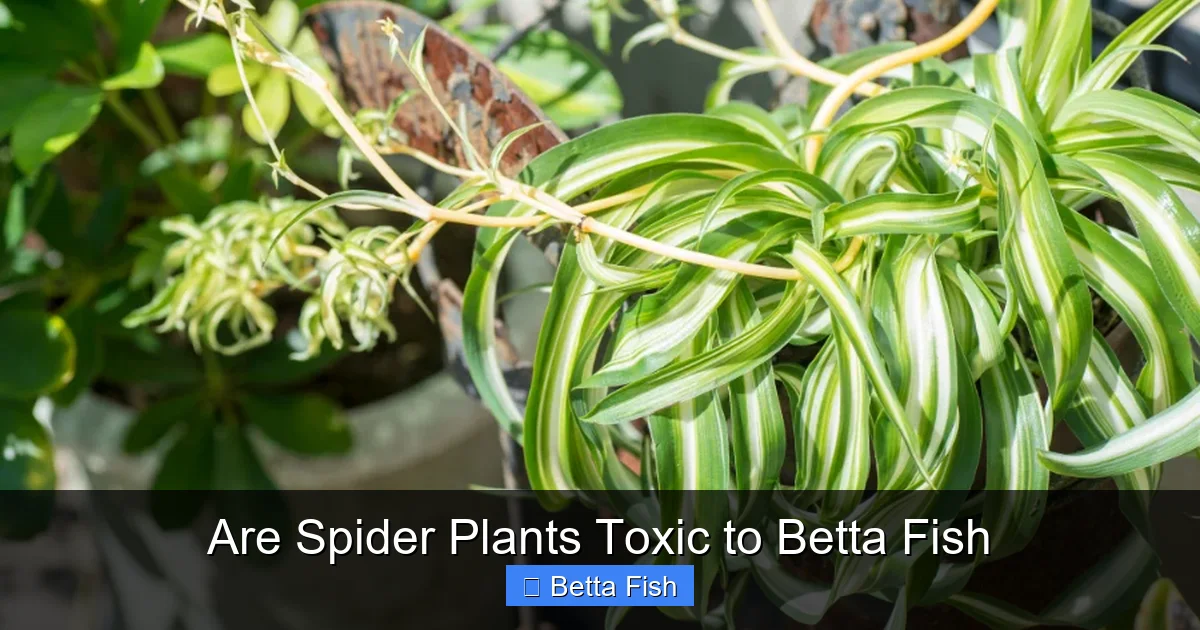
Visual guide about Are Spider Plants Toxic to Betta Fish
Image source: media.graphassets.com
3.2 Potential drawbacks
If the plant’s roots sit in the substrate without enough flow, they can become a breeding ground for bacteria. Over‑growth may also block light, causing other plants to suffer and leading to an imbalance.
4. Setting Up Spider Plants in a Betta Tank
4.1 Choosing the right tank size
Bettas do well in tanks of at least 5 gallons. Larger water volume dilutes any waste the plant might produce and gives you more room to arrange decorations.
4.2 Planting methods
- Rooted method: Place the plant’s roots in a small pot of aquarium‑safe substrate, then bury the pot in the tank’s gravel.
- Floating method: Let the plant float on the surface; the leaves will rest on the water while roots dangle.
Both methods keep the plant’s roots from getting tangled in filter intakes.
4.3 Lighting requirements
Spider plants need moderate light—about 2–3 watts per gallon. Too much light encourages algae, while too little causes the plant to become leggy and drop leaves.
5. Maintenance Tips for a Healthy Betta‑Plant Partnership
5.1 Weekly water checks
Test ammonia, nitrite, nitrate, and pH. If ammonia spikes, it’s a sign of decaying plant matter.
5.2 Pruning and cleaning
- Trim any yellow or brown leaves.
- Rinse the plant in a bucket of tank water during water changes to remove sludge.
5.3 Fertilizing (optional)
Spider plants generally survive without added fertilizer, but a liquid fertilizer once a month can boost growth if you notice slow development.
6. Alternatives and Companion Plants
6.1 When spider plants aren’t the best fit
If your tank is very small or you notice constant water quality swings, you might opt for slower‑growing plants like Java fern or Anubias, which attach to rocks and need less substrate.
6.2 Good companions for spider plants
Mixing spider plants with floating plants such as duckweed or water lettuce can create a layered habitat. For more sturdy options, try Which Live Plants Are Good For Betta Fish to find species that complement spider plants.
Conclusion: Safe, Green, and Happy
Spider plants are a safe, attractive addition to a betta tank when you manage them responsibly. Their non‑toxic nature, nitrate‑absorbing ability, and easy care make them a solid choice for beginners and seasoned hobbyists alike. Keep an eye on water parameters, trim dead leaves, and provide moderate lighting, and both your betta and your spider plant will thrive together.
Ready to start planting? Check out Where To Buy Live Plants For Betta Fish for reputable sources, and remember that a healthy environment is the best gift you can give your finned friend.
Frequently Asked Questions
Are spider plants safe for betta fish?
Yes, spider plants are non‑toxic to bettas. They won’t cause poisoning if the fish nibbles a leaf.
Can spider plants improve water quality?
Healthy spider plants absorb nitrates, helping to keep water clearer and reducing algae growth.
What should I do if my spider plant’s leaves turn brown?
Trim the brown leaves, check lighting levels, and ensure the plant isn’t sitting in stagnant water.
Do I need a special substrate for spider plants?
No special substrate is required; a small pot of aquarium‑safe substrate works fine, or you can let the plant float.
How often should I replace spider plants in my tank?
As long as you maintain good water quality and prune dead material, spider plants can live for years in a betta tank.
Can I keep other fish with a betta and spider plant?
Yes, but choose peaceful, non‑aggressive species and ensure the tank is large enough to provide separate territories.