Are Seven Day Feeders Good for Betta Fish
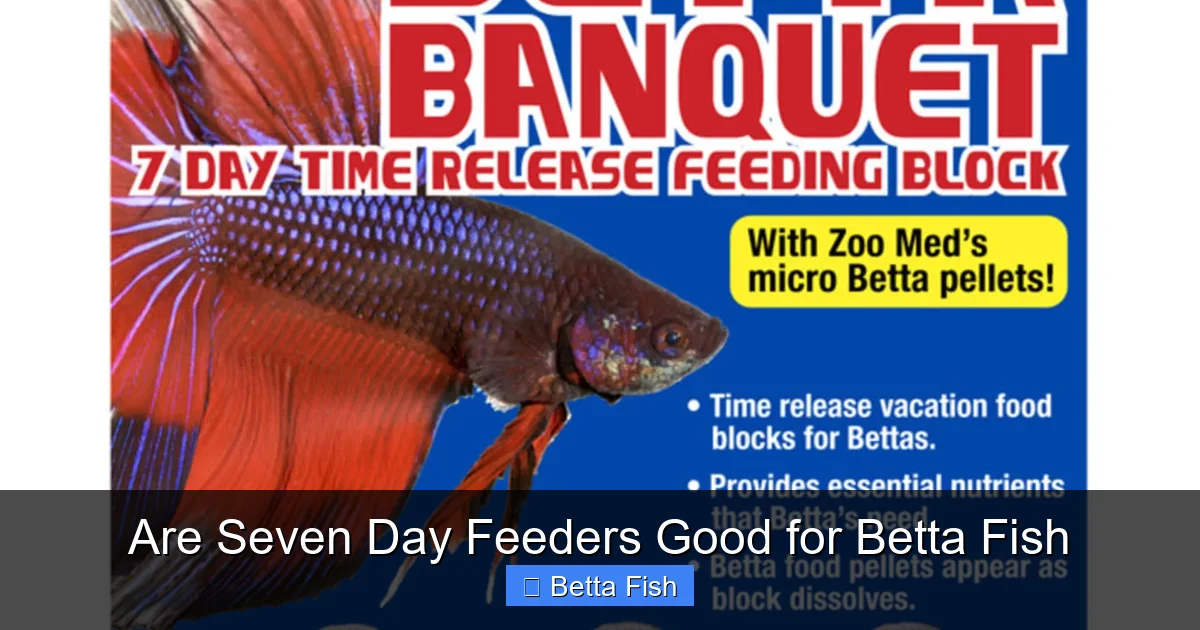
Seven‑day automatic feeders can be convenient, but they aren’t always the best choice for betta fish. Understanding how bettas eat, the risks of over‑feeding, and proper setup will help you decide whether a weekly feeder fits your tank’s needs.
Key Takeaways
- Convenience vs. control: Feeders save time but can hide over‑feeding problems.
- Betta feeding habits: Bettas prefer small, frequent meals that mimic natural hunting.
- Feeder type matters: Gravity‑based feeders work better than timed‑motor units for bettas.
- Water quality impact: Uneaten food can cloud water and spark disease.
- Backup plan: Always have a manual feeding method for power outages.
- Tank size & plants: A well‑planted, appropriately sized tank reduces reliance on feeders.
- Regular monitoring: Check food intake daily, especially the first weeks of use.
📑 Table of Contents
- Introduction: Why the Question Matters
- How Betta Fish Eat in the Wild
- What a Seven‑Day Feeder Actually Does
- Are Seven Day Feeders Good for Betta Fish? The Verdict
- Choosing the Right Feeder for Your Betta
- Best Practices for Feeding Betta Fish
- Alternative Feeding Solutions
- Putting It All Together: A Sample Weekly Feeding Plan
- Conclusion: Make an Informed Choice
Introduction: Why the Question Matters
If you own a betta fish, you’ve probably wondered whether a seven‑day automatic feeder could free you from daily feeding chores. After all, bettas are low‑maintenance, and a weekly feeder sounds like a perfect match for a busy lifestyle.
But bettas are also delicate predators with unique dietary needs. Feeding them too much, too little, or at the wrong time can lead to poor health, cloudy water, and even early death. In this article we’ll explore exactly are seven day feeders good for betta fish, break down the science of betta nutrition, and give you practical steps to decide what works best for your finned companion.
How Betta Fish Eat in the Wild
Natural hunting patterns
In their native Southeast Asian rice paddies, bettas are ambush predators. They strike quickly at insects, larvae, and tiny crustaceans that drift by. This means they are used to eating several small meals throughout the day rather than one large feast.
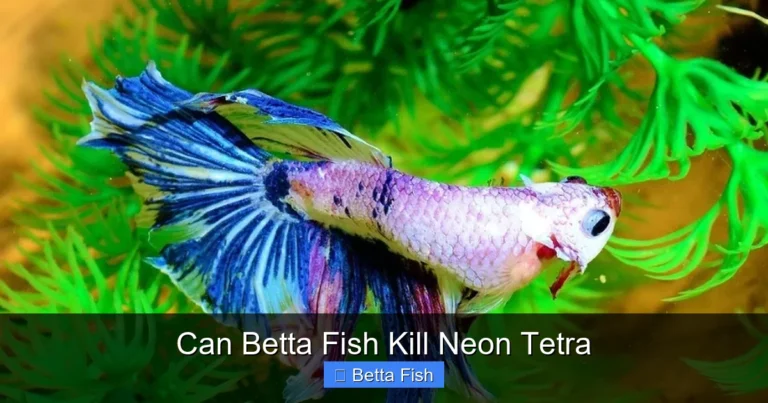
Visual guide about Are Seven Day Feeders Good for Betta Fish
Image source: infishtank.com
Frequency and portion size
In the wild a betta may catch a handful of prey every few hours. In captivity we mimic this by offering 2–3 small feedings per day, each the size of a pea. This keeps their metabolism steady and prevents the digestive system from becoming overloaded.
What a Seven‑Day Feeder Actually Does
Mechanics of the device
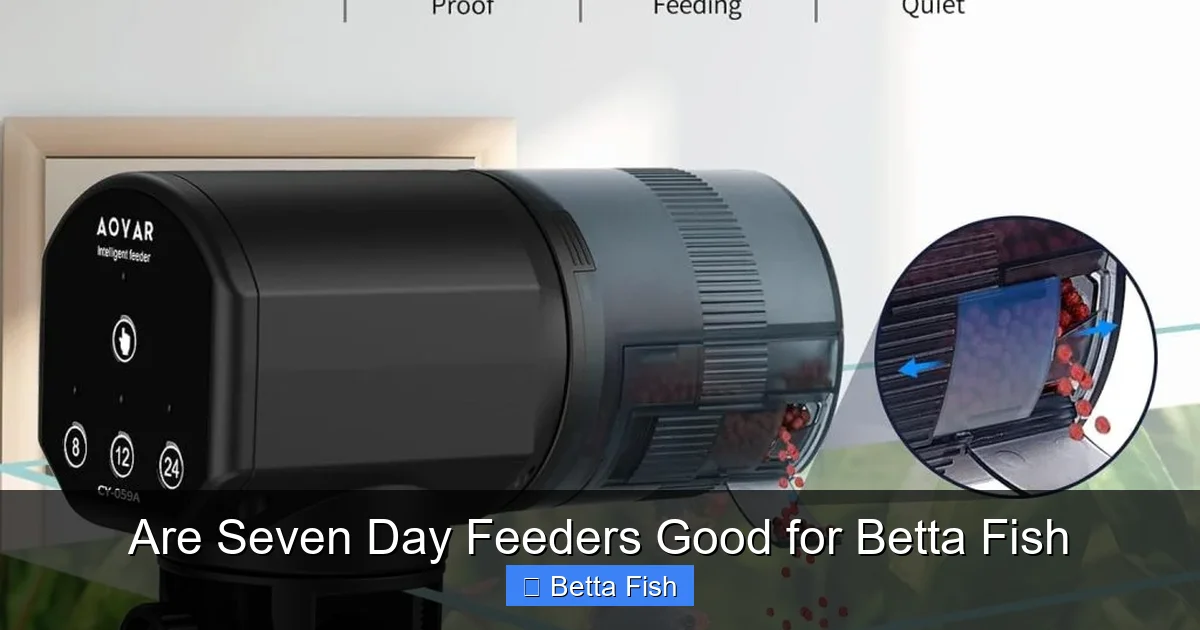
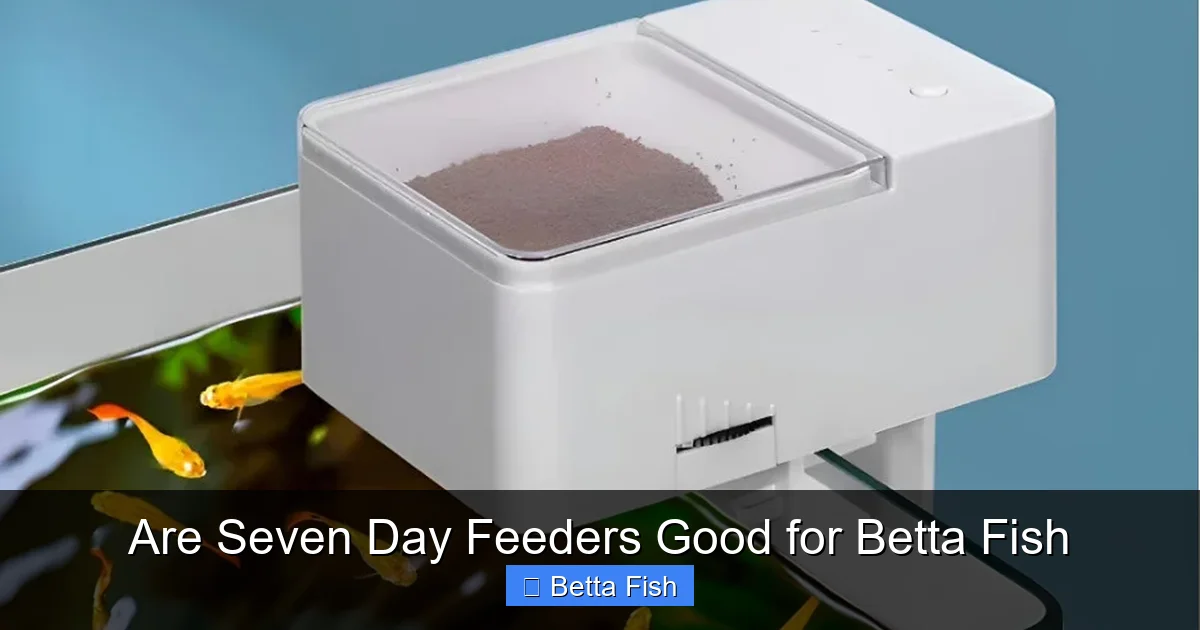
Most seven‑day feeders are gravity‑based containers that release a preset amount of dry food once every 24 hours. Some models have a motor that drops a pellet at a set time. The key point is that they are designed for once‑daily feeding, not the multiple small meals bettas naturally prefer.
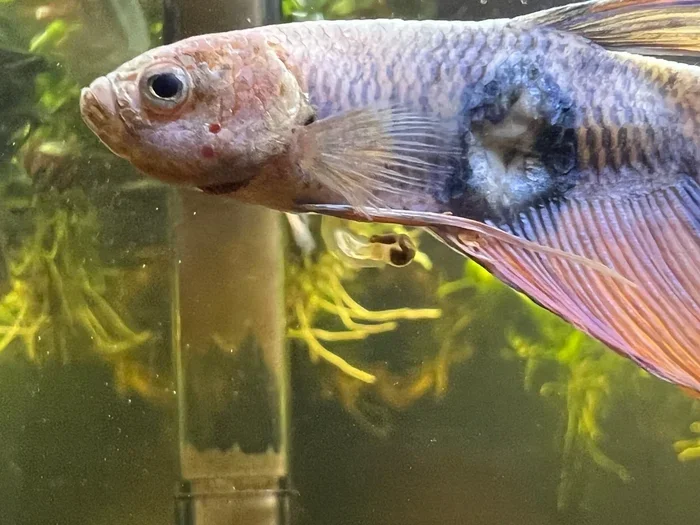
Visual guide about Are Seven Day Feeders Good for Betta Fish
Image source: down-my.img.susercontent.com
Pros of using a weekly feeder
- Hands‑free feeding for travelers or busy owners.
- Consistent schedule reduces the chance of missed meals.
- Can be useful in quarantine tanks where you don’t want to disturb the fish.
Cons you need to consider
- Over‑feeding is easy because the feeder releases the same amount every day.
- Dry food can absorb water, swell, and become a breeding ground for bacteria.
- If the feeder jams, the betta may go without food for days.
Are Seven Day Feeders Good for Betta Fish? The Verdict
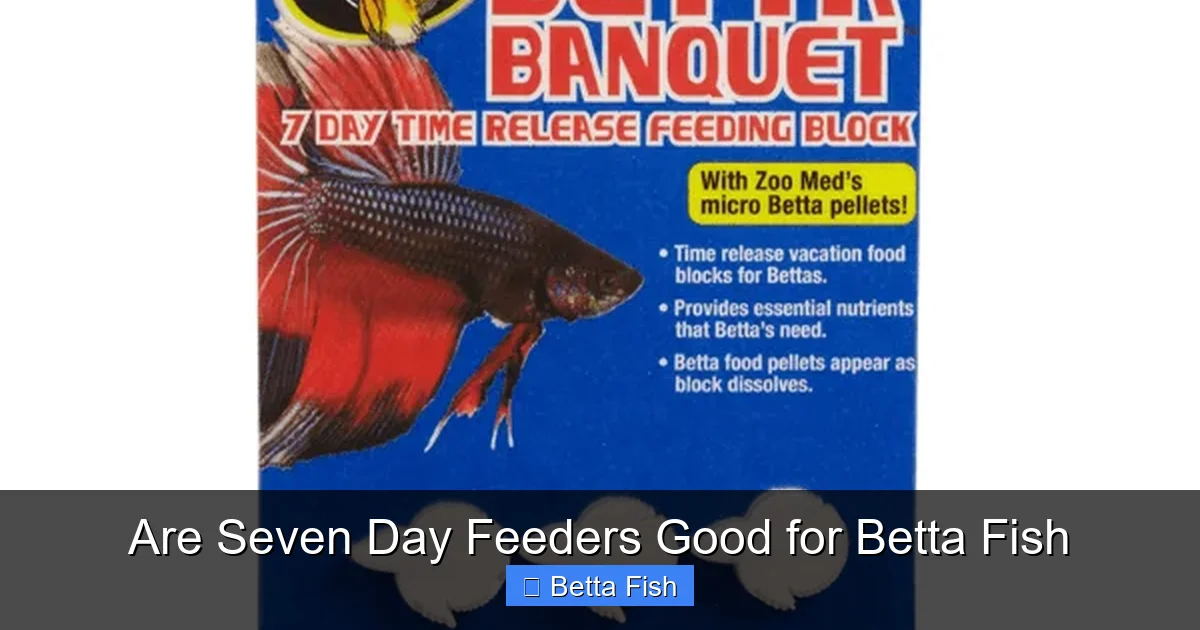
The short answer: they are generally not the best option for most betta owners. While they can work in very specific situations, the risks often outweigh the convenience.
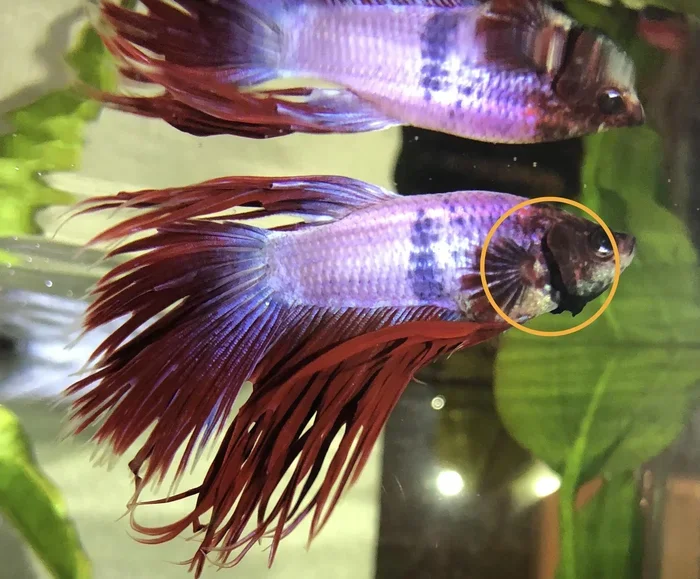
Visual guide about Are Seven Day Feeders Good for Betta Fish
Image source: cutepetsonly.com
When a weekly feeder might be acceptable
- You have a well‑established tank with a stable population of live foods that supplement the dry diet.
- You use a feeder that releases a very small amount (less than ¼ teaspoon) and you monitor the fish closely for leftovers.
- You have a reliable backup plan, such as a friend who can feed the fish if power fails.
Why most bettas do better with daily or multiple‑day feeding
Bettas thrive on small, frequent meals. A single daily portion can lead to:
- Digestive upset and constipation.
- Increased ammonia from uneaten food, which harms gills.
- Loss of natural foraging behavior, making the fish less active.
Therefore, most experts recommend feeding 2–3 times per day with a small amount each time. If you’re interested in a more automated solution, consider a multiple‑day feeder that can be programmed for several small releases per day.
Choosing the Right Feeder for Your Betta
Gravity vs. motor‑driven feeders
Gravity feeders are simple and inexpensive, but they can’t control the size of each drop. Motor‑driven feeders allow you to set the exact amount per release, which is crucial for a betta’s tiny stomach.
Features to look for
- Adjustable portion control: Ability to fine‑tune the amount to a pea‑size serving.
- Multiple release settings: Some models let you program 2–3 drops per day.
- Easy cleaning: Food residue should be removable to prevent mold.
- Battery backup: Keeps the feeder running during short power outages.
Top recommended models (as of 2026)
While we won’t name brand‑specific products here, look for feeders marketed to “small tropical fish” or “nano tank” owners. Read reviews that mention “precision dosing” and “no clogs.”
Best Practices for Feeding Betta Fish
Daily manual feeding routine
Even if you use a feeder, it’s wise to supplement with manual feedings. Offer a tiny pinch of high‑quality betta pellets or frozen bloodworms 2–3 times a day. This ensures the fish gets the protein it craves and keeps its hunting instincts sharp.
How to test your feeder
- Fill the feeder with a small amount of dry betta food.
- Set it to release once per day and watch the first drop.
- Measure the amount with a kitchen scale; aim for 0.2–0.3 g.
- Adjust the dial until the portion matches a pea‑size serving.
- Run the feeder for a week while observing your betta for leftover food.
Water quality checklist
Uneaten food is the number one cause of cloudy water in betta tanks. After each feeding, check the bottom of the tank:
- If you see food particles, reduce the portion size.
- Perform a partial water change (20‑30%) weekly to keep ammonia low.
- Use a gentle sponge filter to help remove debris without creating strong currents.
Alternative Feeding Solutions
Live and frozen foods
Live or frozen foods such as daphnia, brine shrimp, and bloodworms are excellent protein sources. They also stimulate natural hunting behavior. Offer them 2–3 times a week in addition to dry pellets.
Multi‑day programmable feeders
Some newer feeders let you set multiple small releases per day for up to 7 days. This mimics the betta’s natural feeding pattern more closely than a single daily drop.
Community feeding tips
Join betta hobby forums or local clubs. Many experienced keepers share custom feeder hacks, like using a small syringe to dispense precise drops.
Putting It All Together: A Sample Weekly Feeding Plan
Here’s a simple schedule that balances automation with manual care:
- Monday‑Sunday: Use a multi‑day feeder set to release ¼ teaspoon at 9 AM.
- Twice daily (morning & evening): Manually give 1–2 pellets or a tiny piece of frozen bloodworm.
- Saturday: Replace feeder food with a fresh batch to prevent moisture buildup.
- Sunday: Perform a 25% water change and clean any leftover food from the bottom.
This plan keeps your betta fed, reduces the risk of over‑feeding, and maintains water quality.
Conclusion: Make an Informed Choice
So, are seven day feeders good for betta fish? The answer is nuanced. For most hobbyists, a single‑drop weekly feeder is too coarse for a betta’s delicate diet. However, if you select a feeder with precise portion control, use it alongside regular manual feedings, and keep a close eye on water quality, it can work as a supplemental tool.
Remember that bettas thrive on variety, small frequent meals, and clean water. Use automation to make your life easier, not to replace attentive care. By following the tips above, you’ll give your betta the best chance to live a vibrant, healthy life.
Frequently Asked Questions
Can I use any dry betta food in a seven‑day feeder?
Yes, but choose a high‑quality pellet that doesn’t crumble easily. Crumbled food can clog the feeder and dissolve in water, leading to water quality problems.
What should I do if the feeder stops working?
Check the battery or power source first. If it’s a mechanical jam, clean the feeding tube with a soft brush. Always have a backup manual feeding plan.
Will a feeder affect my betta’s coloration?
Proper nutrition supports bright colors. Over‑feeding or feeding low‑quality food can dull the fins. Combine feeder use with occasional live or frozen foods for optimal coloration.
How often should I clean the feeder?
At least once a week. Remove any leftover food, rinse with warm water, and dry thoroughly before refilling.
Is it safe to leave a feeder on for more than seven days?
Most feeders are designed for a week’s supply. Extending beyond that increases the risk of moisture buildup, mold, and stale food, which can harm your betta.
Can a seven‑day feeder replace regular water changes?
No. Feeders only manage food delivery. You still need weekly partial water changes and regular testing to keep ammonia and nitrate levels low.