Are Round Fishbowls Bad for Betta Fish
Round fishbowls are not ideal for betta fish because they limit swimming space, create poor water flow, and make temperature control difficult. Switching to a proper tank with a lid, heater, and filtration will dramatically improve your betta’s health and lifespan.
Key Takeaways
- Shape matters: The curved walls of round bowls cause distorted swimming patterns and stress.
- Volume is vital: Betta fish need at least 5 gallons of water to thrive, far more than most bowls provide.
- Temperature stability: Round bowls lose heat quickly; a heater and thermometer are essential.
- Water quality: Poor circulation in a bowl leads to ammonia spikes; filtration is a must.
- Enrichment: Adding plants and hiding spots reduces boredom and mimics natural habitats.
- Longevity boost: Proper tanks can add years to a betta’s life compared to bowl living.
- Easy upgrades: Converting from a bowl to a tank is simple and affordable.
📑 Table of Contents
- Introduction: Why the Shape of the Home Matters
- 1. The Physics of a Round Bowl
- 2. Water Quality Challenges
- 3. Space Requirements and Enrichment
- 4. Temperature Control and Heater Use
- 5. Setting Up a Betta‑Friendly Tank
- 6. Frequently Asked Concerns About Switching from a Bowl
- Conclusion: Make the Switch for a Happier Betta
Introduction: Why the Shape of the Home Matters
When you first see a bright, flowing betta fish, it’s tempting to buy the cheapest round fishbowl you can find. After all, they look cute, they’re cheap, and they take up little space. But looks can be deceiving. The round shape, while aesthetically pleasing, creates a host of problems that can shorten a betta’s life and cause chronic stress.
In this article we’ll explore exactly how a round fishbowl affects a betta’s health, compare it to a proper tank setup, and give you practical tips to transition your fish to a better home. By the end you’ll understand why “round fishbowls are bad for betta fish” isn’t just a catchy phrase—it’s a factual statement backed by science and hobby experience.
1. The Physics of a Round Bowl
Distorted Swimming Space
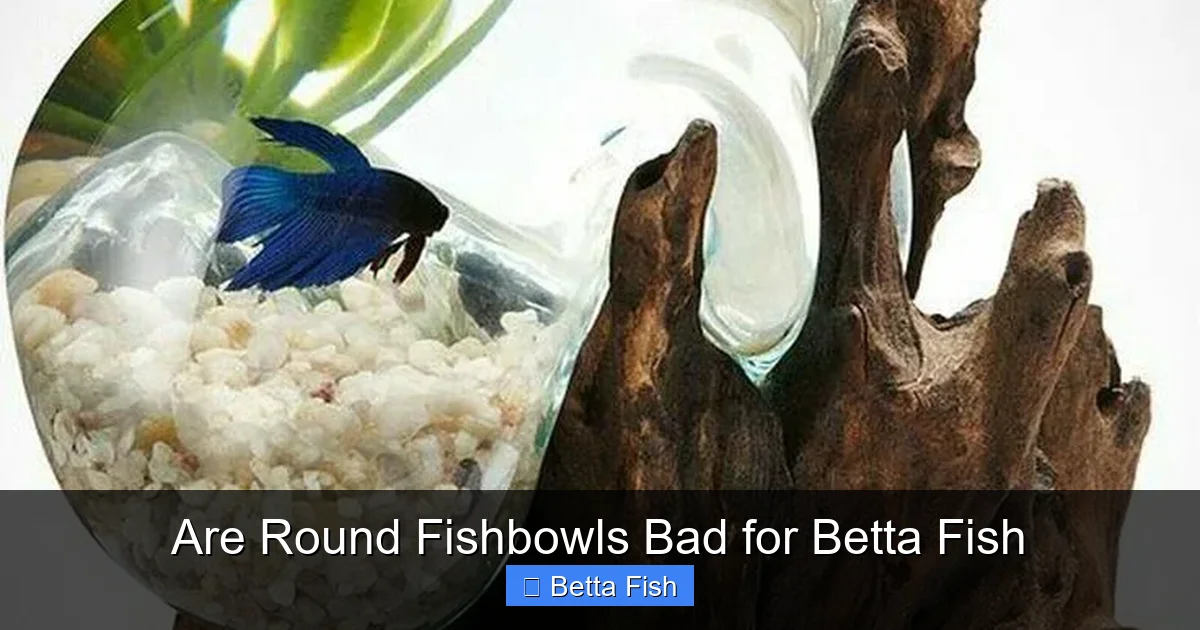
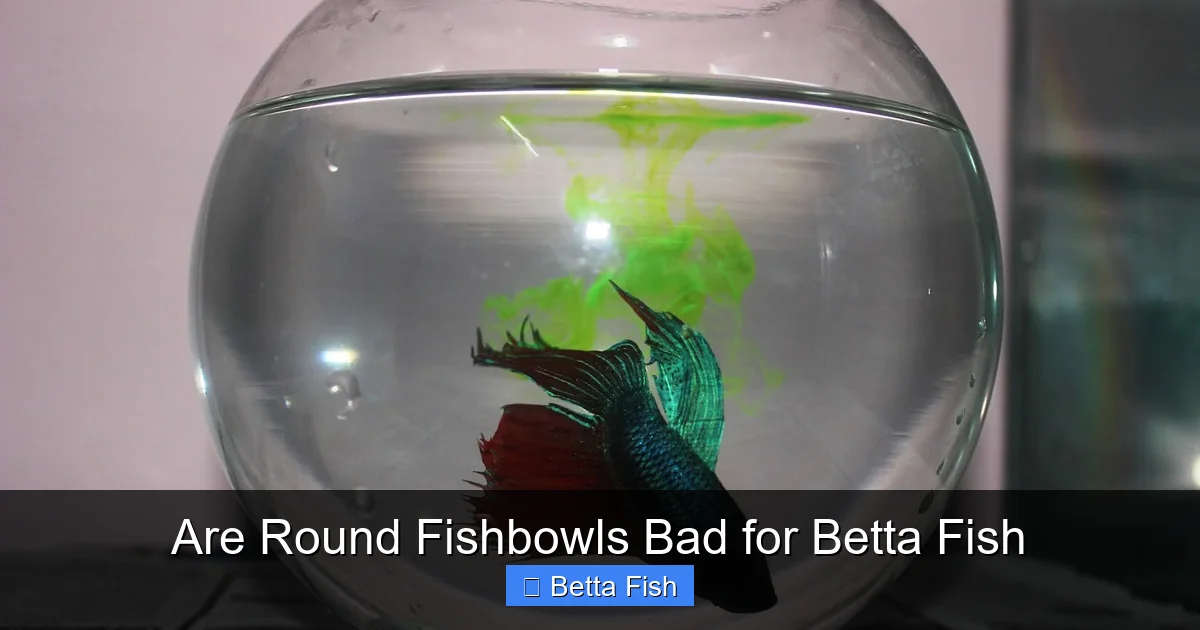
Betta fish are built for vertical swimming. Their long, flowing fins work best in a tall, open column of water. A round bowl forces the fish to swim in a curved path, which can cause constant turning and fatigue.
Visual guide about Are Round Fishbowls Bad for Betta Fish
Image source: i.pinimg.com
Surface Area vs. Volume
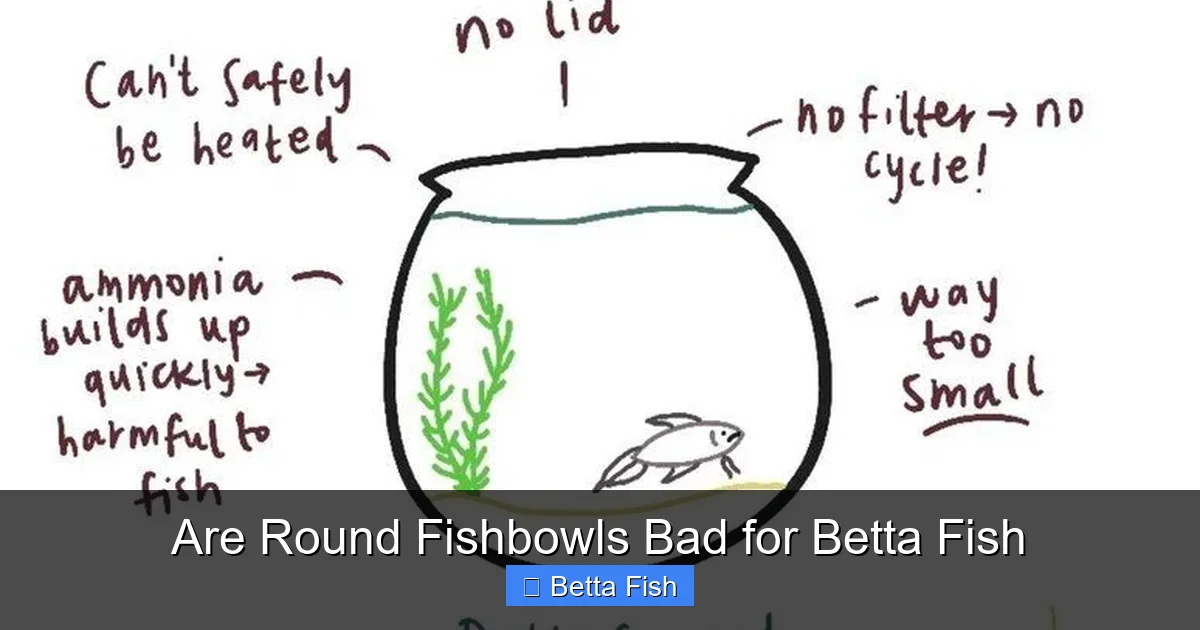
Most round bowls hold 1‑2 gallons of water, yet they have a large surface area. This means more evaporation and faster temperature loss—both deadly for a tropical species that prefers stable warmth.
Heat Distribution Problems
Because the glass is thin and the water is shallow, a heater (if you even try to use one) can overheat one side while leaving the other chilly. Betta fish love water around 78‑80°F (25‑27°C), and temperature swings of even a few degrees stress them.
2. Water Quality Challenges
Stagnant Water = Bad Water
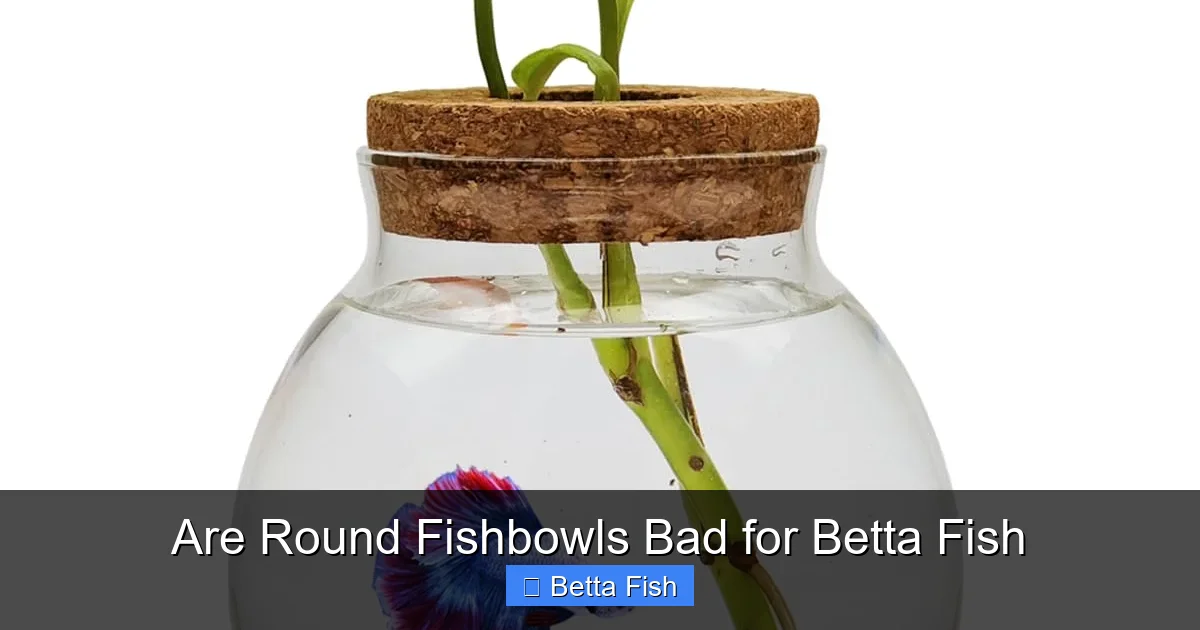
Round bowls have little to no water movement. Without gentle circulation, waste products settle at the bottom, creating pockets of ammonia and nitrite. Betta fish have delicate gills; exposure to high ammonia leads to “fin rot” and respiratory issues.
Visual guide about Are Round Fishbowls Bad for Betta Fish
Image source: m.media-amazon.com
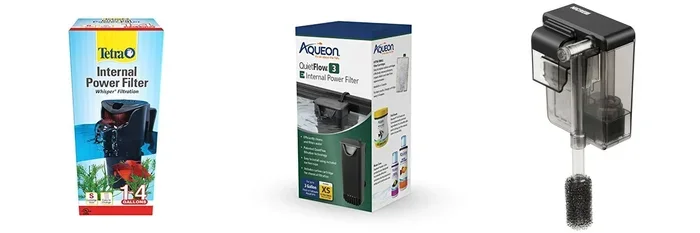
Filtration Is Nearly Impossible
Most bowl owners skip filtration because there’s no space for a filter cartridge. The result? You’re performing daily water changes that still can’t keep up with the rapid waste buildup.
Frequent Water Changes Are Not a Fix
Even changing 25% of the water daily can’t fully reset the nitrogen cycle in a bowl. The cycle needs a stable environment to develop beneficial bacteria, which a bowl simply can’t provide.
3. Space Requirements and Enrichment
Minimum Tank Size
Experts agree that a single betta should have at least 5 gallons of water. This gives enough room for swimming, surface breathing, and adding decorations without crowding.
Visual guide about Are Round Fishbowls Bad for Betta Fish
Image source: 1.bp.blogspot.com
Live Plants and Hiding Spots
Plants not only look pretty; they absorb nitrates and provide natural hiding places. Check out Which Live Plants Are Good For Betta Fish for species that thrive in small tanks.
Behavioral Benefits
When a betta can explore vertical space and hide among roots or leaves, stress hormones drop. You’ll notice brighter colors, more flaring, and a longer, healthier life.
4. Temperature Control and Heater Use
Why Bowls Lose Heat Fast
The thin glass and open top of a round bowl make it a poor insulator. Even room‑temperature changes cause the water to swing dramatically.
Choosing the Right Heater
For a 5‑gallon tank, a 50‑watt submersible heater with an adjustable thermostat works best. Place the heater near a side wall, not directly under a plant, to ensure even heat distribution.
Monitoring Temperature
Use a reliable digital thermometer. Check twice daily for the first week, then once a day. Consistent readings between 78‑80°F are ideal (What Temperature Should Water Be For A Betta Fish).
5. Setting Up a Betta‑Friendly Tank
Step‑by‑Step Guide
- Step 1 – Choose a tank: A 5‑gallon glass or acrylic tank with a lid is perfect.
- Step 2 – Add substrate: Fine gravel or sand (1‑2 inches) provides a natural feel.
- Step 3 – Install heater and thermometer: Follow manufacturer instructions; ensure the heater is fully submerged.
- Step 4 – Add a filter: A low‑flow sponge filter works well for bettas.
- Step 5 – Decorate: Include live plants, driftwood, and a few smooth décor items.
- Step 6 – Cycle the tank: Run the filter for at least 24‑48 hours, test ammonia/nitrite levels, then add your betta.
Water Conditioning
Always treat tap water with a dechlorinator. Betta fish are sensitive to chlorine and chloramine, which can damage gill tissue.
Maintenance Routine
Change 20‑30% of the water weekly, vacuum the substrate, and clean the filter media every 2‑3 weeks. Consistency is key to a stable environment.
6. Frequently Asked Concerns About Switching from a Bowl
Will My Betta Adjust?
Yes! Betta fish are adaptable. Move the bowl gently into the new tank, letting the fish swim out at its own pace. Most adjust within a day.
Is a Lid Really Necessary?
Betta fish can jump, especially when startled. A simple mesh or acrylic lid prevents escapes while still allowing airflow.
What If I Can’t Afford a Heater?
Consider a heated room or a small aquarium heater that plugs into a thermostat. Keeping the room temperature around 78°F can be a temporary solution, but a dedicated heater is the safest long‑term choice.
Conclusion: Make the Switch for a Happier Betta
Round fishbowls may look charming, but they create a stressful, unhealthy environment for betta fish. By understanding the drawbacks—poor water quality, temperature instability, limited space—you can see why “are round fishbowls bad for betta fish” is a question with a clear answer: yes, they are.
Upgrading to a proper tank doesn’t have to be expensive or complicated. With a 5‑gallon tank, a heater, a gentle filter, and a few live plants, you provide a home that mimics the betta’s natural habitat, supports its unique respiratory needs, and showcases its brilliant colors for years to come.
Take the first step today—your betta will thank you with vibrant fins, playful flares, and a longer, healthier life.
Frequently Asked Questions
Are round fishbowls too small for bettas?
Yes. Most round bowls hold 1‑2 gallons, while bettas need at least 5 gallons to swim comfortably and maintain stable water parameters.
Can I use a heater in a round bowl?
It’s possible but not recommended. The shallow water causes uneven heating, leading to hot spots that can burn your betta.
Do bettas need filtration?
Absolutely. Even low‑flow sponge filters remove waste, keep ammonia low, and support beneficial bacteria, which a bowl cannot provide.
What kind of plants are safe for bettas?
Java fern, Anubias, and Marimo moss are hardy, low‑light options that won’t damage delicate betta fins. See Which Live Plants Are Good For Betta Fish for more ideas.
How often should I change water in a proper betta tank?
Change 20‑30% of the water weekly. This routine maintains water quality without disrupting the nitrogen cycle.
Is a lid necessary for a betta tank?
Yes. Betta fish are known jumpers. A secure lid prevents escapes while still allowing airflow.