Plastic plants can be a safe and attractive addition to a betta tank when chosen wisely. They offer durability, easy maintenance, and hiding spots, but not all are created equal—look for smooth, non‑toxic varieties and keep the tank clean.
Key Takeaways
- Safety first: Choose plastic plants made from aquarium‑grade, non‑toxic materials to avoid harming your betta.
- Surface texture matters: Smooth leaves prevent fin damage, while rough surfaces can cause tears.
- Cleaning is essential: Regularly scrub plants to stop algae and bacterial buildup.
- Combine with live plants: Mixing plastic and live greenery creates a natural look and boosts water quality.
- Placement counts: Provide open swimming space and secure the plants to prevent floating debris.
- Budget friendly: Plastic plants are reusable and cost‑effective for beginners.
- Monitor behavior: Watch your betta for signs of stress; adjust décor if needed.
📑 Table of Contents
Introduction: Why the Question Matters
If you’re setting up a home for a betta fish, you’ve probably stared at rows of bright, fake plants and wondered, are plastic plants good for betta fish? The answer isn’t a simple yes or no. It depends on the plant’s design, the tank size, and how you maintain it. In this guide we’ll walk through the pros and cons, safety tips, and practical ways to use plastic décor so your betta stays healthy and happy.
Betta fish love to explore, rest on surfaces, and hide from stressors. A well‑decorated tank can reduce boredom and mimic the shallow, vegetation‑rich waters they come from. Whether you’re a beginner or a seasoned hobbyist, understanding the role of plastic plants helps you make an informed decision without breaking the bank.
1. The Benefits of Plastic Plants
Durability and Longevity
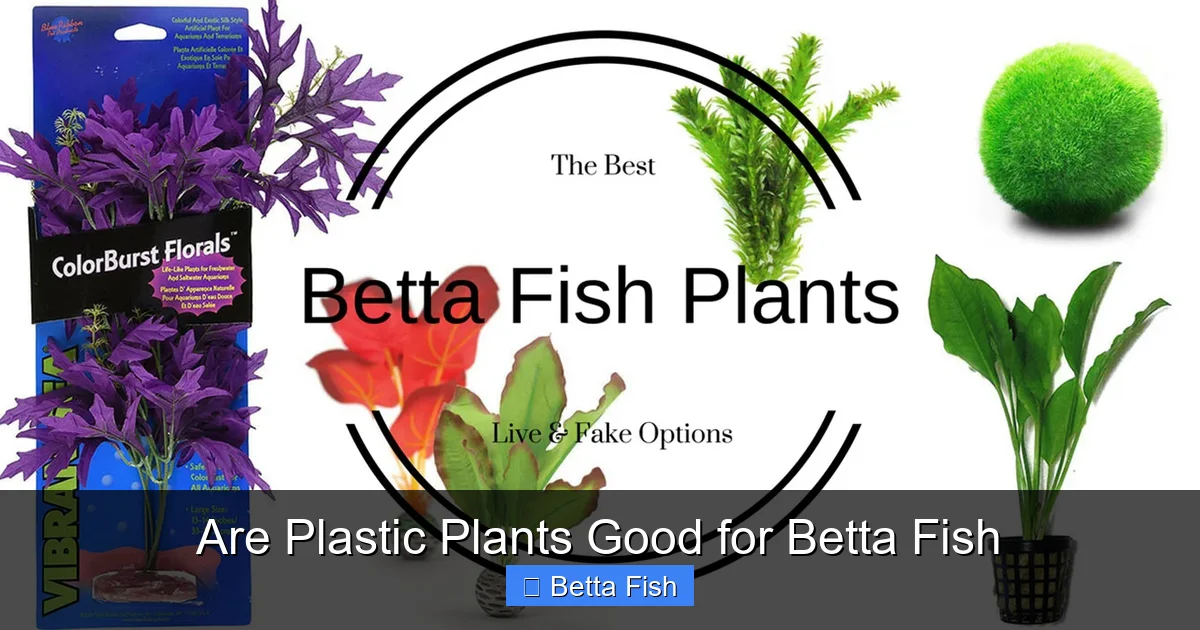
Unlike live plants, plastic varieties never die, turn brown, or require trimming. This makes them ideal for beginners who may not yet master water chemistry or lighting.
Visual guide about Are Plastic Plants Good for Betta Fish
Image source: bettafish.org
Cost‑Effectiveness
A single pack of plastic stems can last years, saving you money on replacement and fertilizers. For hobbyists on a budget, they’re a smart investment.
Low Maintenance
Plastic plants don’t need CO₂ injection, substrate, or regular pruning. A quick rinse during water changes is usually enough to keep them looking fresh.
Design Flexibility
Manufacturers offer a huge range of shapes, colors, and sizes—from tall “Java fern” look‑alikes to short “moss balls.” You can create a custom landscape that fits any tank size.
2. Potential Drawbacks and Risks
Texture Can Harm Fins
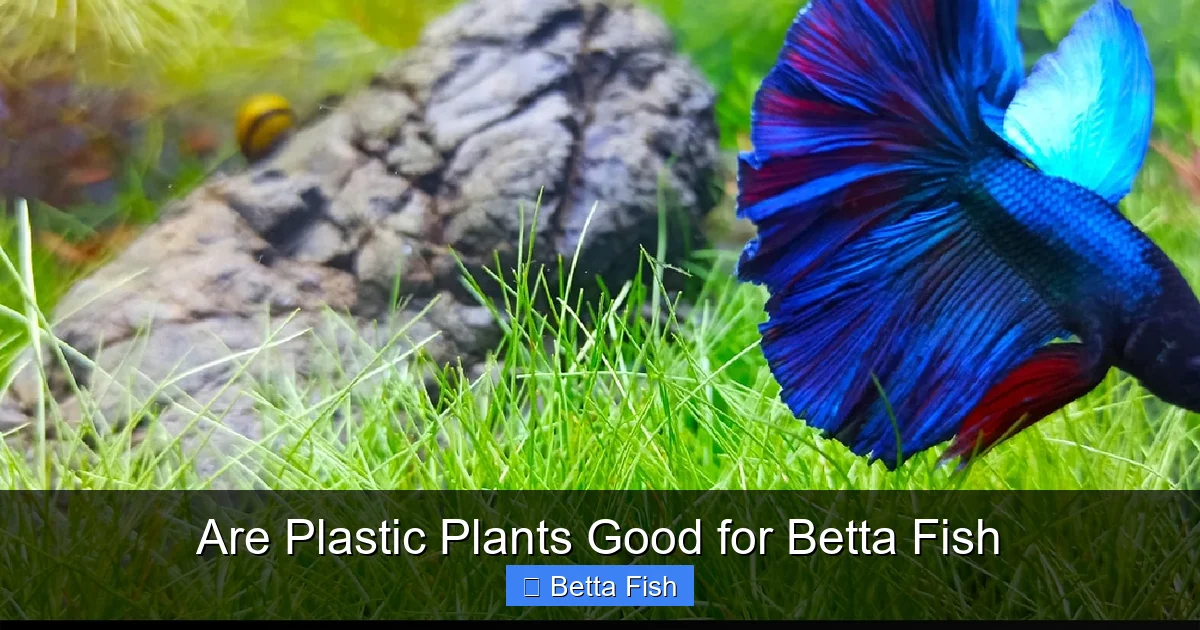
Betta fins are delicate. Rough or sharp edges on cheap plastic plants can snag, leading to frayed or torn fins. Always run your finger over the leaves; they should feel smooth.
Visual guide about Are Plastic Plants Good for Betta Fish
Image source: buildyouraquarium.com
Algae and Bacterial Growth
Plastic surfaces can become a breeding ground for algae if not cleaned regularly. Excess algae reduces water quality and can stress your betta.
Chemical Leaching
Some low‑quality plastics contain harmful additives that may leach into the water over time. Look for products labeled “aquarium safe” or “food grade” to avoid toxicity.
Unnatural Appearance
While many plastic plants look realistic, some appear cheap and can break the natural aesthetic of a well‑planted tank.
3. Choosing the Right Plastic Plants
Material Matters
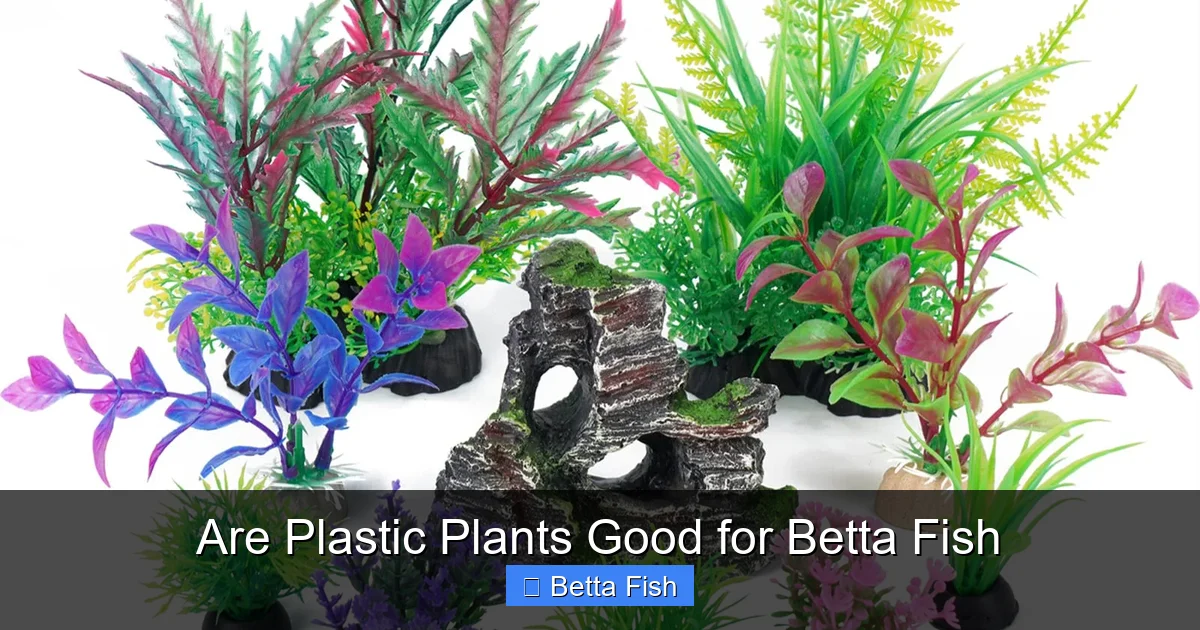
Opt for plants made from PVC‑free, polyethylene, or silicone. These materials are inert and safe for fish. Brands that advertise “aquarium‑grade” are usually reliable.
Visual guide about Are Plastic Plants Good for Betta Fish
Image source: gosupps.com
Check the Finish
Smooth, matte finishes are best. Glossy surfaces can reflect light oddly and attract more algae. If a plant feels gritty, it’s probably not betta‑friendly.
Size and Shape
Match the plant size to your tank. A 5‑gallon tank (see what is a good size tank for a betta fish) benefits from shorter stems that don’t dominate the space. Tall plants work well in larger setups where they provide vertical interest.
Secure Placement
Use aquarium glue or suction cups to anchor plants. Floating debris can stress bettas, especially if it drifts into their mouth while they surface for air.
4. Setting Up a Betta‑Friendly Tank with Plastic Plants
Step‑by‑Step Décor Plan
- Start with a clean substrate. Fine sand or smooth gravel works well.
- Add a background. Dark backgrounds make colors pop and reduce stress.
- Place a few tall plants on the back wall. This creates a “forest” feel.
- Arrange shorter stems in the front. Provide hiding spots and resting places.
- Secure each plant. Use aquarium‑safe glue or zip ties.
- Finish with a smooth rock or leaf. Natural objects add variety.
Mixing Live and Plastic Plants
Combining both types gives the best of both worlds. Live plants improve water quality by absorbing nitrates, while plastic pieces add structure without demanding extra care. Check out which live plants are good for betta fish for compatible species.
Maintenance Routine
- During weekly water changes, gently scrub each plant with a soft brush.
- Remove any visible algae with a cotton swab.
- Inspect for broken stems or sharp edges; replace if needed.
- Monitor water parameters (pH, ammonia, nitrite) to ensure the décor isn’t affecting chemistry.
5. Observing Your Betta’s Reaction
Behavioral Signs of Comfort
A relaxed betta will glide calmly, pause to rest on plant leaves, and display its full coloration. If your fish darts aggressively or hides constantly, the décor may be too crowded or the plants may be irritating its fins.
When to Adjust
If you notice torn fins, faded colors, or unusual stress (e.g., frequent surface gulping), consider removing or replacing the offending plant. Sometimes a simple repositioning—giving the betta more open swimming space—makes a big difference.
Health Checks
Regularly examine your betta’s fins, scales, and eyes. Issues like fin rot can be exacerbated by debris trapped in plant crevices. Prompt cleaning helps prevent disease.
Conclusion: Making the Right Choice
So, are plastic plants good for betta fish? The short answer is: they can be, provided you pick high‑quality, smooth, non‑toxic options and keep them clean. Plastic plants offer durability, low maintenance, and design flexibility—perfect for beginners or for adding extra structure to a live‑plant tank. By following the safety tips, maintenance routine, and observation guidelines outlined above, you’ll create a vibrant, stress‑free environment where your betta can thrive.
Remember, every betta is unique. Pay attention to how yours interacts with the décor, and don’t be afraid to tweak the setup. With the right balance, plastic plants can become a beautiful, functional part of your betta’s home.
Frequently Asked Questions
Can plastic plants cause fin damage?
Yes, if the leaves are rough or have sharp edges they can snag a betta’s delicate fins. Choose smooth, aquarium‑grade plants and test the texture before adding them to the tank.
How often should I clean plastic plants?
During each weekly water change, gently scrub the plants with a soft brush or sponge to remove algae and debris. This keeps the water quality high and prevents bacterial buildup.
Do plastic plants affect water chemistry?
High‑quality plastic plants are inert and won’t change pH or hardness. Low‑quality plastics may leach chemicals, so always buy from reputable aquarium suppliers.
Are plastic plants suitable for breeding bettas?
They can be used as hiding spots, but live plants provide better cover and improve water quality, which is beneficial for breeding. Consider mixing both types for optimal results.
What’s the best way to secure plastic plants?
Use aquarium‑safe silicone glue, suction cups, or zip ties to anchor plants to decorations or the tank glass. This prevents them from drifting and startling the fish.
Can I use any plastic plant from a pet store?
Not all are aquarium‑safe. Look for labels that say “aquarium grade,” “non‑toxic,” or “food‑grade.” If in doubt, research the brand or choose a known safe option.

