Are Male Betta Fish Freshwater or Saltwater
Male betta fish are strictly freshwater species, thriving in warm, soft water with low mineral content. Understanding their natural habitat helps you set up the perfect tank, avoid common mistakes, and keep your vibrant fighter healthy.
Key Takeaways
- Natural habitat: Male bettas originate from Southeast Asian freshwater streams and rice paddies.
- Water parameters: Ideal pH 6.0‑7.0, temperature 76‑82°F, and soft water (0‑5 dGH).
- Saltwater myth: Adding salt is not required for health and can harm a true freshwater betta.
- Tank setup: A 5‑gal filtered tank with plants and hiding spots mimics their natural environment.
- Aggression: Males are territorial; keep them alone or with compatible tank mates.
- Health signs: Watch for faded colors, torn fins, or erratic swimming as clues to water issues.
- Care resources: Learn more about gender differences and tank mates in related articles.
📑 Table of Contents
- Introduction: Why the Freshwater Question Matters
- 1. The Natural Home of Male Betta Fish
- 2. Water Chemistry: The Heartbeat of Betta Health
- 3. Setting Up the Perfect Freshwater Tank
- 4. Male Betta Behavior and Tank Mates
- 5. Common Health Issues Linked to Water Mistakes
- 6. Frequently Overlooked Tips for Long‑Term Success
- Conclusion: Freshwater Is the Only Way
Introduction: Why the Freshwater Question Matters
If you’re new to betta keeping, the first question that often pops up is “are male betta fish freshwater or saltwater?” The answer may seem obvious to seasoned hobbyists, but the confusion persists because bettas are sold in tiny bowls, and some sellers recommend adding salt to the water. Getting this right is crucial—not just for the fish’s health, but also for your peace of mind as a caretaker.
In this guide we’ll dive deep into the biology of male bettas, explore the water conditions they evolved in, bust the saltwater myth, and give you step‑by‑step tips for creating a thriving freshwater home. By the end, you’ll know exactly why male bettas belong in freshwater and how to keep them happy for years.
1. The Natural Home of Male Betta Fish
1.1 Origin and Habitat
Male betta fish (Betta splendens) are native to the shallow, slow‑moving waters of Thailand, Myanmar, and Malaysia. They thrive in:
- Rice paddies and floodplain swamps
- Shaded forest streams with leaf litter
- Soft, slightly acidic water with low dissolved minerals
These environments are unmistakably freshwater. The water is often warm (78‑82°F) because of tropical climates, and the low mineral content keeps the water “soft.”
1.2 Adaptations to Freshwater Life
Betta fish have a specialized organ called the labyrinth, which lets them gulp air from the surface. This adaptation evolved for low‑oxygen freshwater habitats, not for marine conditions. Their gills are built to extract oxygen from fresh water; the high salinity of seawater would actually dehydrate their cells.
1.3 Comparison with True Saltwater Species
Marine fish have different osmoregulatory systems that balance salt and water. Male bettas lack these mechanisms. Trying to keep a betta in a saltwater tank would cause rapid stress, loss of slime coat, and often death within days.
2. Water Chemistry: The Heartbeat of Betta Health
2.1 Ideal Parameters for Male Bettas
Here’s a quick cheat sheet for the perfect freshwater setup:
- pH: 6.0‑7.0 (slightly acidic to neutral)
- Temperature: 76‑82°F (24‑28°C)
- Hardness: 0‑5 dGH (soft water)
- Ammonia/Nitrite: 0 ppm (always)
- Nitrate: <10 ppm (keep low)
These numbers mirror the betta’s native streams. Using a reliable test kit and a small heater will keep conditions stable.
2.2 The Salt Myth: Why Some Keepers Add Salt
Adding a pinch of non‑iodized aquarium salt is a common “cure‑all” suggestion for fish illnesses. While a tiny amount can help with minor fungal infections, it is **not** a substitute for proper water quality. In fact, regular salt dosing can:
- Mask underlying problems like high nitrate
- Stress the fish’s osmoregulatory system
- Cause long‑term kidney strain
For true freshwater bettas, the best “salt” is a well‑filtered, clean tank.
2.3 Practical Tips for Maintaining Freshwater Balance
1. Partial water changes: Replace 25‑30% of the water weekly with pre‑conditioned, temperature‑matched water.
2. Use a gentle filter: A sponge filter provides biological filtration without creating strong currents that stress bettas.
3. Conditioner: Always treat tap water with a dechlorinator to remove chlorine and chloramine.
3. Setting Up the Perfect Freshwater Tank
3.1 Tank Size and Shape
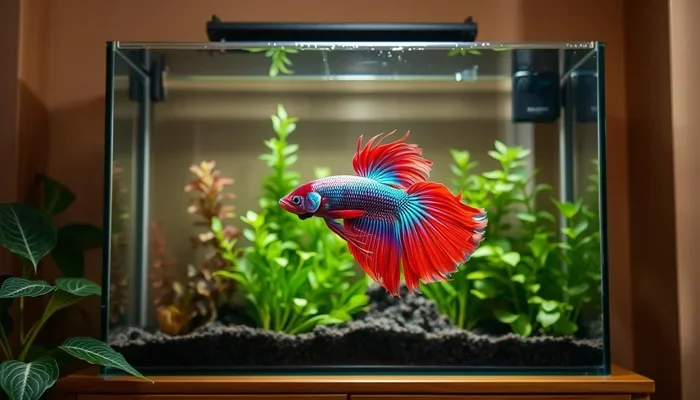
While bettas can survive in small containers, a 5‑gallon (19‑liter) tank is the sweet spot for a male. It offers enough volume to dilute waste and maintain stable parameters, while still being manageable for beginners.
3.2 Substrate, Plants, and Hiding Spots
Live plants like Java moss, Anubias, and floating water lettuce mimic the vegetation of their natural habitat. They also help absorb nitrates. Add a few smooth rocks or driftwood to give your male a place to rest his fins.
3.3 Lighting and Temperature Control
Provide 8‑10 hours of gentle LED lighting daily. Avoid intense heat lamps that could cause temperature spikes. A reliable aquarium heater with an adjustable thermostat is essential.
3.4 Filtration Choices
A low‑flow sponge filter or a hang‑on‑back (HOB) filter set to “bloom” mode works well. The goal is to keep the water clean without creating a strong current that will stress the betta’s delicate fins.
4. Male Betta Behavior and Tank Mates
4.1 Aggression Explained
Male bettas are famously territorial. In the wild, they defend small bubble‑nesting territories. This instinct carries over to the aquarium, which is why you’ll often read “why are male betta fish so aggressive.” For more on this, see our article on why male betta fish are so aggressive.
4.2 Keeping Males Separate
Because of their aggression, it’s safest to keep a single male in its own tank. If you want a community, choose very peaceful, non‑fin‑nipping species like small rasboras or snails, and always provide plenty of hiding spots.
Read more about why male betta fish are kept separate to understand the nuances.
4.3 Compatible Tank Mates
When you do add mates, look for fish that stay at the bottom or mid‑level and are too small to trigger a fight. Examples include:
- Harlequin Rasbora
- Cherry Shrimp (if the male is not overly curious)
- Snails (Nerite or Mystery)
Never house two males together; the result is almost always a bloody showdown.
5. Common Health Issues Linked to Water Mistakes
5.1 Faded Colors and Weak Fins
If your male’s brilliant blues or reds start to look dull, it’s often a sign of poor water quality. Check ammonia, nitrite, and nitrate levels first.
5.2 Fin Rot and Bacterial Infections
Fin rot thrives in dirty water with high nitrate. A clean, well‑filtered tank plus a brief dip in a mild antibacterial bath (no salt) can help.
5.3 Bubble Nest Problems
Male bettas build bubble nests on the water surface when they are ready to breed. A lack of a nest can indicate stress from improper temperature, poor water quality, or aggressive tank mates.
5.4 When to Seek Professional Help
If you notice rapid breathing, loss of appetite, or a swollen abdomen, consult a vet or experienced aquarist. Early intervention can save a betta’s life.
6. Frequently Overlooked Tips for Long‑Term Success
6.1 Seasonal Adjustments
Even indoor tanks can experience temperature shifts with the seasons. Keep a thermometer and adjust the heater as needed.
6.2 Routine Maintenance Schedule
– **Weekly:** Test water parameters, trim plants, clean glass.
– **Bi‑weekly:** Replace filter media (rinse in tank water, not tap).
– **Monthly:** Deep clean substrate with a siphon, inspect equipment.
6.3 Monitoring Growth and Aging
Male bettas reach full size (2.5‑3 inches) within a few months. As they age, they may become less aggressive and more prone to health issues. Adjust feeding and tank conditions accordingly.
Conclusion: Freshwater Is the Only Way
Answering the question “are male betta fish freshwater or saltwater” is simple: they belong in fresh, soft, warm water that mimics their Southeast Asian origins. By respecting their natural habitat, providing a well‑filtered tank, and avoiding unnecessary salt, you set the stage for a vibrant, healthy fighter that will brighten your home for years.
Remember, the key to a happy male betta is stable water parameters, a stress‑free environment, and plenty of places to hide and display his fins. Follow the guidelines above, and you’ll never have to wonder why your betta looks dull or stressed again.
Frequently Asked Questions
Are male betta fish truly freshwater?
Yes. Male bettas are native to soft, warm freshwater streams and rice paddies in Southeast Asia. They do not have the physiological ability to thrive in saltwater.
Can I add aquarium salt to a male betta’s tank?
Only a very small amount may help with minor fungal issues, but regular salt dosing is unnecessary and can stress a freshwater betta.
What temperature should I keep a male betta at?
Maintain the water between 76‑82°F (24‑28°C). Consistent temperature supports their metabolism and vibrant coloration.
Do male bettas need a larger tank than a small bowl?
Yes. A minimum of 5 gallons provides stable water conditions and enough space for the male to establish a territory.
Why do male bettas fight each other?
Male bettas are territorial and will defend their bubble‑nest area. Keeping them separate prevents lethal confrontations.
Can I keep other fish with a male betta?
Only peaceful, non‑fin‑nipping species such as small rasboras, snails, or shrimp can be considered, and even then only in a well‑planted, spacious tank.