Betta fish can be surprisingly sensitive to artificial light, especially when it’s too bright, flickers, or runs nonstop. By understanding their natural lighting needs and adjusting tank illumination, you’ll keep your betta vibrant, stress‑free, and healthy.
Key Takeaways
- Natural rhythm matters: Betta fish thrive on a regular day‑night cycle similar to their wild habitats.
- Intensity counts: Too strong or flickering artificial light can cause stress, color loss, and health problems.
- Duration is crucial: Aim for 8‑10 hours of light daily; continuous lighting is harmful.
- Type of bulb matters: LED and full‑spectrum lights are best; avoid fluorescent bulbs that flicker.
- Shade and hiding spots: Provide plants or décor where bettas can retreat from bright areas.
- Monitor behavior: Pale colors, erratic swimming, or hiding constantly signal lighting issues.
- Adjust with season: Mimic natural seasonal changes for a happier, more robust betta.
📑 Table of Contents
Introduction
If you’ve ever set up a betta tank, you know the excitement of watching those brilliant fins ripple in the water. But there’s a hidden factor that many new owners overlook: the light they use. While bettas love to show off their colors, they are also creatures of the shadows, accustomed to a gentle sunrise‑sunset rhythm in the wild.
In this article we answer the pressing question “are betta fish sensitive to artificial light?” and give you practical steps to create a lighting environment that mimics nature, promotes health, and keeps your fish looking its best.
Understanding Betta Fish Vision and Natural Habitat
How bettas see the world
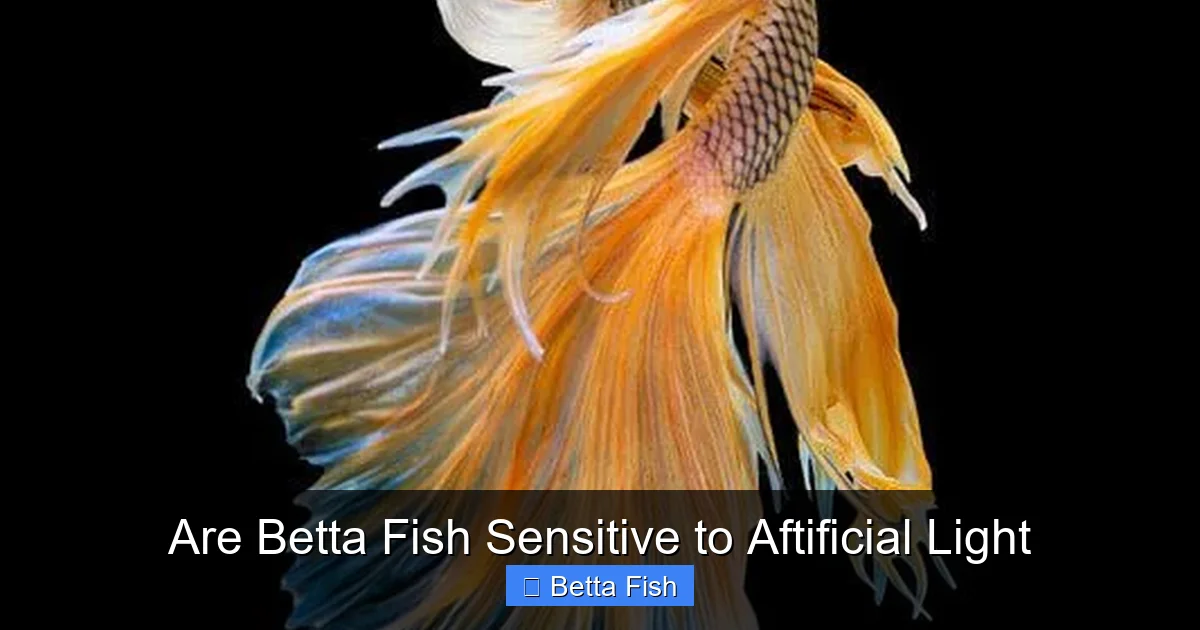
Bettas have a fairly simple visual system compared with mammals. They can detect movement, contrast, and a limited range of colors, especially reds and blues. Their eyes are adapted to the shallow, vegetation‑rich waters of Southeast Asia where sunlight filters through dense plant cover.
Visual guide about Are Betta Fish Sensitive to Aftificial Light
Image source: i.pinimg.com
What their natural lighting looks like
In the wild, bettas experience:
- Soft, dappled light through floating leaves.
- A gradual increase in brightness at dawn.
- A slow dimming at dusk.
- Periods of shade during the day when clouds pass.
This natural ebb and flow tells the fish when to feed, rest, and display their vivid colors. Replicating this rhythm in a home aquarium is the key to answering “are betta fish sensitive to artificial light?” – yes, they are, especially when we break that rhythm.
How Artificial Light Affects Betta Health
Stress from intensity and flicker
Many beginners use cheap fluorescent tubes or cheap LED strips that flicker at a frequency invisible to the human eye. Bettas, however, can perceive this flicker as a constant threat, leading to chronic stress. Signs of stress include:
Visual guide about Are Betta Fish Sensitive to Aftificial Light
Image source: kittyexpert.com
- Pale or washed‑out colors.
- Rapid, erratic swimming.
- Excessive hiding.
- Loss of appetite.
Impact on color and breeding
Bright, steady light can actually enhance a betta’s colors, but only when used correctly. Over‑exposure can cause melanin to break down, resulting in faded hues. For breeding pairs, proper lighting stimulates hormone production; too much or too little can delay spawning.
Link to common health problems
Stress from poor lighting weakens the immune system, making bettas more vulnerable to fin rot, fungal infections, and even dropsy. If you notice a betta’s fins turning ragged, consider whether your lighting schedule might be part of the problem. (Read more about treating dropsy here.)
Choosing the Right Light for Your Betta
LED vs. fluorescent vs. incandescent
LED lights dominate the hobby because they:
Visual guide about Are Betta Fish Sensitive to Aftificial Light
Image source: bettasource.com
- Produce little to no heat, protecting water temperature.
- Offer full‑spectrum options that mimic natural sunlight.
- Are energy‑efficient and long‑lasting.
Fluorescent bulbs can work but often flicker and may emit UV that stresses bettas. Incandescent bulbs are generally a poor choice—they generate too much heat and create harsh, uneven lighting.
Full‑spectrum LEDs: the sweet spot
Look for “full‑spectrum” or “daylight” LEDs with a color temperature around 6500‑7000 K. These provide a balanced mix of blue and red wavelengths, supporting healthy coloration without overwhelming the fish.
Brightness and placement
Place the light source 6‑12 inches above the water surface. The light should be bright enough to see the tank clearly, but not so intense that the water looks like a spotlight. A simple test: sit at the tank’s edge; if you need sunglasses, the light is too strong.
Setting Up a Proper Light Schedule
Why a schedule matters
Just like humans, bettas need a regular circadian rhythm. Continuous lighting tricks the fish’s internal clock, leading to exhaustion and suppressed immune function.
Recommended daily routine
- Morning (8 am‑10 am): Gradual increase – use a dimmer or timer to simulate sunrise.
- Midday (10 am‑4 pm): Full brightness for feeding and activity.
- Evening (4 pm‑8 pm): Dim slowly to mimic sunset.
- Night (8 pm‑8 am): Complete darkness – bettas rest and regenerate.
Aim for 8‑10 hours of light total. If you’re away for a weekend, a programmable timer will keep the cycle consistent.
Seasonal adjustments
In winter, shorten the light period by an hour to reflect shorter days; in summer, you can add an extra hour. These subtle changes keep the fish’s hormone cycles in sync.
Creating a Balanced Tank Environment
Providing shade and hiding places
Even with perfect lighting, bettas need areas to retreat. Live plants, silk moss, or decorative caves give them darkness to escape bright spots. Live plants also filter water and improve water quality, supporting overall health.
Water parameters and lighting interaction
While light itself doesn’t change pH dramatically, algae growth fueled by excessive light can raise nitrate levels. Keep a regular cleaning schedule and consider a small algae‑scrubbing plant like Java moss to keep algae in check.
Link to other care basics
Good lighting works hand‑in‑hand with other care factors. If you’re wondering about the overall ease of caring for bettas, check out Are Betta Fish Easy To Care For for a broader view.
Practical Tips and Common Mistakes to Avoid
Tip 1: Use a timer
Invest in a simple plug‑in timer. Set it once and forget it—your betta will thank you with vibrant colors and steady health.
Tip 2: Test for flicker
Hold a piece of paper under the light. If you see a faint “ripple” or hear a high‑pitched hum, the bulb may flicker. Replace it with a quality LED.
Tip 3: Dim for calm moments
During feeding, a slightly brighter light helps the betta see food. After feeding, dim the lights to let the fish relax.
Mistake to avoid: Leaving lights on 24/7
Continuous illumination deprives bettas of rest, leading to weakened fins and pale colors. Reset your timer if you notice your fish is unusually lethargic.
Mistake to avoid: Using too strong a bulb for a small tank
Small containers amplify light intensity. If you have a 2‑gallon bowl, choose a low‑wattage LED or add a frosted cover to diffuse the beam.
Conclusion
Answering the question “are betta fish sensitive to artificial light” is a clear “yes,” but the good news is that with thoughtful choices you can turn lighting into a strength rather than a stressor. By selecting a flicker‑free, full‑spectrum LED, establishing a consistent 8‑10‑hour day/night cycle, and providing plenty of shaded retreats, you’ll create a vibrant, healthy home for your betta.
Remember, a happy betta isn’t just about the right tank size or food; it’s also about the quality of the light that bathes it each day. Follow the tips above, watch your fish’s behavior, and adjust as needed. Your betta will reward you with dazzling displays that make every glance at the tank a joy.
Frequently Asked Questions
Are betta fish nocturnal?
Bettas are not strictly nocturnal, but they are most active during the early morning and late afternoon. They do need a dark period at night to rest and recover.
Can I use any LED light for my betta tank?
Not all LEDs are equal. Choose a full‑spectrum, flicker‑free LED designed for aquarium use. Low‑intensity “plant” LEDs can be too dim for proper coloration.
How often should I change the light bulb?
LEDs last several years, but if you notice dimming, flicker, or a change in your betta’s behavior, replace the bulb. A good rule is every 2‑3 years for optimal spectrum.
What signs show my betta is stressed by light?
Look for paler colors, excessive hiding, rapid swimming, loss of appetite, or fin damage. These can indicate lighting is too harsh or the cycle is irregular.
Do live plants help with lighting issues?
Yes. Live plants provide natural shade, absorb excess light, and compete with algae, helping maintain stable water parameters and a calmer environment.
Is it okay to leave the aquarium light on while I’m at work?
It’s better to have a timer that turns the light off after 8‑10 hours. Continuous light can stress the fish and promote algae growth.

