Are Betta Fish Mammals
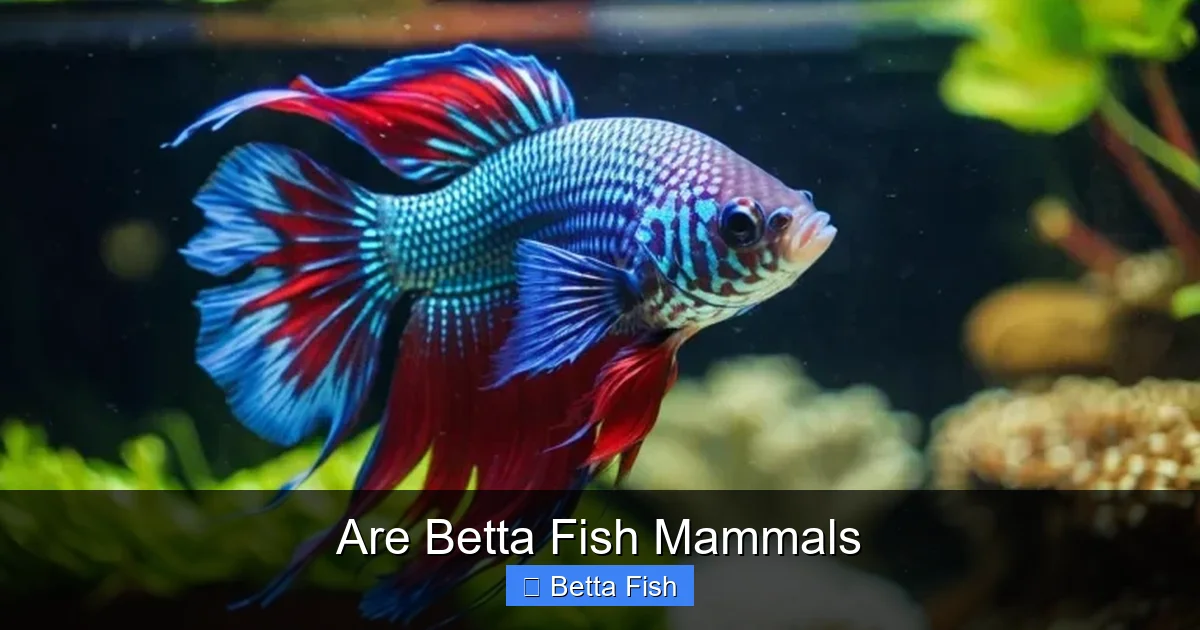
Betta fish are colorful freshwater fish, not mammals. They breathe through gills, lay eggs, and belong to the family Osphronemidae. Understanding their true classification helps you provide the best care for these lively companions.
Key Takeaways
- Classification: Betta fish are ray‑ray fish, part of the order Anabantiformes, not mammals.
- Respiration: They use gills and a specialized labyrinth organ to extract oxygen from water and air.
- Reproduction: Betta fish lay eggs; there is no live birth or mammary glands.
- Temperature needs: As tropical fish, they thrive in warm water (76‑82°F).
- Care simplicity: Despite myths, bettas are relatively easy to keep with proper tank setup.
- Behavior clues: Their aggression and bubble‑nest building are fish traits, not mammalian.
- Fun fact: Male bettas are the ones that build bubble nests, a unique behavior among fish.
📑 Table of Contents
- Introduction: Why the Question Pops Up
- 1. The Basics of Biological Classification
- 2. How Betta Fish Breathe – The Labyrinth Organ
- 3. Reproduction: Eggs, Not Live Birth
- 4. Temperature and Habitat: Tropical Fish, Not Mammals
- 5. Behavior and Social Traits: Aggression, Not Mammalian Instincts
- 6. Common Misconceptions and FAQs
- Conclusion: The Bottom Line
Introduction: Why the Question Pops Up
When you first see a betta fish flaunting its bright fins, you might think, “That looks almost like a tiny, colorful mammal!” The confusion is understandable. Betta fish (often called Siamese fighting fish) have personalities, vibrant colors, and even “showy” displays that feel almost theatrical. But despite their charismatic presence, they are firmly rooted in the fish world, not the mammal kingdom.
In this article we’ll break down the science behind classification, compare key traits of mammals and fish, and answer the “are betta fish mammals?” question once and for all. By the end, you’ll not only know the answer but also gain practical tips for caring for your finned friend.
1. The Basics of Biological Classification
Kingdom, Phylum, Class – Where Betta Fits
All living things are organized into a hierarchy: Kingdom, Phylum, Class, Order, Family, Genus, Species. Betta fish belong to:
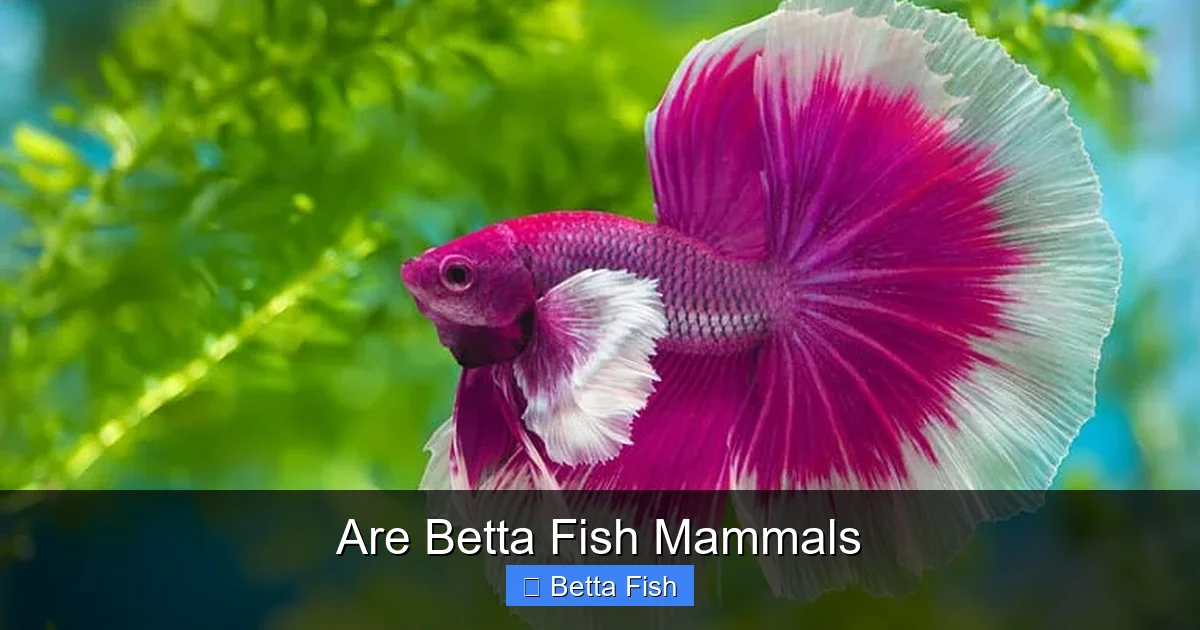
Visual guide about Are Betta Fish Mammals
Image source: a-z-animals.com
- Kingdom: Animalia – same as mammals, birds, reptiles, etc.
- Phylum: Chordata – animals with a notochord (a primitive backbone).
- Class: Actinopterygii – ray‑finned fishes.
- Order: Anabantiformes – includes labyrinth‑fish.
- Family: Osphronemidae – the gourami family.
- Genus & Species: Betta splendens.
Notice that nowhere in this chain do we see “Mammalia.” Mammals belong to a completely different class, Mammalia, characterized by hair, three‑middle ear bones, and mammary glands.
What Makes a Mammal?
Mammals share several defining traits:
- Warm‑blooded (endothermic) metabolism.
- Hair or fur.
- Live birth (with few exceptions like the monotremes).
- Mammary glands that produce milk for young.
- Three middle ear bones (malleus, incus, stapes).
Betta fish lack all of these features. They are cold‑blooded, have scales instead of fur, lay eggs, and breathe through gills and a labyrinth organ. Simple as that.
2. How Betta Fish Breathe – The Labyrinth Organ
Gills vs. Lungs
All fish extract oxygen from water using gills. Betta fish have an additional adaptation: the labyrinth organ. This structure sits above the gills and allows them to gulp air from the surface, extracting oxygen directly. It’s a handy trick for living in low‑oxygen waters like rice paddies where they originated.
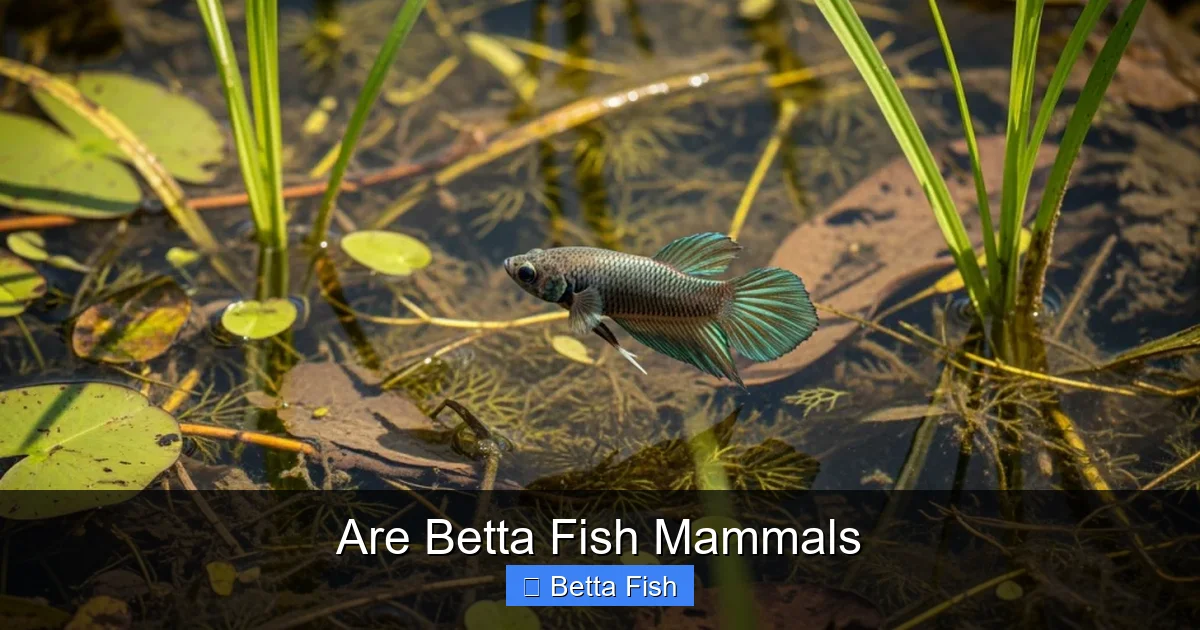
Visual guide about Are Betta Fish Mammals
Image source: yourfishguide.com
This organ is the opposite of mammalian lungs. Lungs are internal sacs that exchange gases with air; the labyrinth organ is a series of folded membranes that function while the fish is at the water’s surface. No mammary glands, no warm‑blooded metabolism – just a clever fish solution.
Practical Tip: Keep the Surface Accessible
When setting up a betta tank, always ensure a calm surface where the fish can reach the air. A covered tank with a tight lid can trap air bubbles and make it hard for the betta to breathe. A small piece of floating leaf or a gentle water flow helps maintain a healthy environment.
3. Reproduction: Eggs, Not Live Birth
The Egg‑Laying Process
Male bettas are famous for building bubble nests. After a courtship dance, the female releases eggs, and the male fertilizes them. He then gathers the eggs in his mouth and places them in the bubble nest, where they develop until hatching.
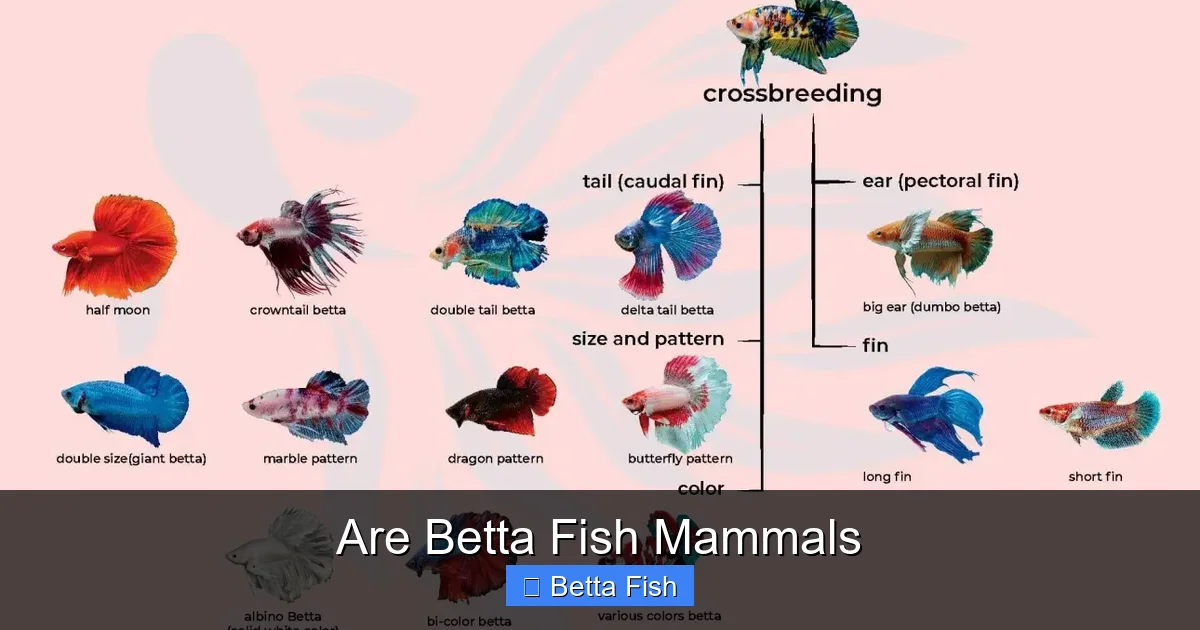
Visual guide about Are Betta Fish Mammals
Image source: ekk4j69ebaa.exactdn.com
This method is typical of many fish, especially those in the gourami family. There is no placenta, no internal gestation, and certainly no milk production – all hallmarks of mammalian reproduction.
Care Tip: Protect the Bubble Nest
If you’re breeding bettas, keep the tank dim and avoid strong currents. The bubble nest can be easily broken, which will reduce hatch rates. A gentle air stone can help maintain surface tension without disrupting the nest.
4. Temperature and Habitat: Tropical Fish, Not Mammals
Warm Water, Not Warm‑Blooded
Betta fish are tropical; they thrive in water temperatures between 76°F and 82°F (24°C‑28°C). They are ectothermic – their body temperature matches the water. Mammals, on the other hand, regulate their internal temperature regardless of the environment.
Because they cannot regulate their own heat, sudden temperature drops can stress bettas, leading to disease. A reliable heater is a must‑have for any betta keeper.
Where Do Betta Fish Come From?
Betta fish are native to the shallow, slow‑moving waters of Southeast Asia, especially Thailand, Cambodia, and Vietnam. Their natural habitat includes rice paddies, swamps, and stagnant pools where the water is warm and low in oxygen – perfect for a fish with a labyrinth organ.
For more about their native range, check out Where Are Betta Fish Native To.
5. Behavior and Social Traits: Aggression, Not Mammalian Instincts
Why Are Male Betta Fish So Aggressive?
Male bettas guard territories and defend against rivals. This aggression is a survival trait, not a mammalian social hierarchy. The famous “fighting” behavior that gave them the name “Siamese fighting fish” is a display of dominance and fitness.
If you keep more than one male, you’ll see the classic flaring of fins, gill pumping, and sometimes outright combat. This is why males are usually housed alone. Female bettas can be kept together in a sorority, but even then you must monitor for aggression.
Read more about male aggression at Why Are Male Betta Fish So Aggressive.
Bubble Nest Building – A Unique Fish Trait
Only male bettas (and a few related species) build bubble nests. They create a floating “foam” of bubbles that supports the eggs until they hatch. This behavior showcases their instinct to protect offspring, a trait seen in many fish but absent in mammals.
6. Common Misconceptions and FAQs
Are Betta Fish Mammals?
No. Betta fish are ray‑finned, cold‑blooded, egg‑laying fish. They lack mammalian features such as hair, mammary glands, and live birth.
Do Betta Fish Have Lungs?
They have a labyrinth organ, not lungs. It allows them to breathe atmospheric air but works very differently from mammalian lungs.
Can Betta Fish Be Kept in Small Bowls?
While they can survive in small containers, bettas thrive in larger, filtered tanks that provide stable water parameters. Small bowls often lead to poor water quality and stress.
Are Betta Fish Smart?
Betas can recognize their owners, learn simple tricks, and navigate mazes. Their intelligence is fish‑level, not mammalian, but still impressive for a small aquatic pet.
Do Betta Fish Need a Heater?
Yes. Maintaining a consistent temperature (76‑82°F) is crucial for health and coloration.
Are Betta Fish Aggressive Toward Other Species?
They can be territorial, especially males. Some peaceful community fish can coexist if the tank is large enough and there are plenty of hiding spots.
Conclusion: The Bottom Line
Betta fish are fascinating, vibrant, and full of personality, but they are unequivocally fish—not mammals. Their gills, labyrinth organ, egg‑laying reproduction, and cold‑blooded nature place them firmly in the class Actinopterygii. Understanding these differences helps you provide proper care, from temperature control to tank size, ensuring your betta lives a healthy, colorful life.
Next time someone asks, “Are betta fish mammals?” you can confidently reply, “No, they’re amazing fish with unique adaptations that make them one of the most popular pets in the aquarium world.”
Frequently Asked Questions
Are betta fish mammals?
No. Betta fish are ray‑finned freshwater fish that breathe through gills and a labyrinth organ, lay eggs, and lack mammalian traits like hair or milk production.
What is the labyrinth organ?
The labyrinth organ is a specialized breathing structure that lets bettas gulp air from the surface, extracting oxygen in low‑oxygen waters.
Do betta fish give birth to live young?
No. Betta fish are egg layers. The male fertilizes the eggs and places them in a bubble nest where they develop until hatching.
Can I keep a male and female betta together?
Only for breeding purposes and under close supervision. Otherwise, males are highly territorial and will fight.
Do bettas need a heater?
Yes. They are tropical fish and thrive in water temperatures between 76°F and 82°F (24°C‑28°C).
Are betta fish smart?
Betta fish can learn simple tricks, recognize their owners, and navigate mazes, showing a level of intelligence common to many fish.