Are Betta Fish Compatible with Shrimp
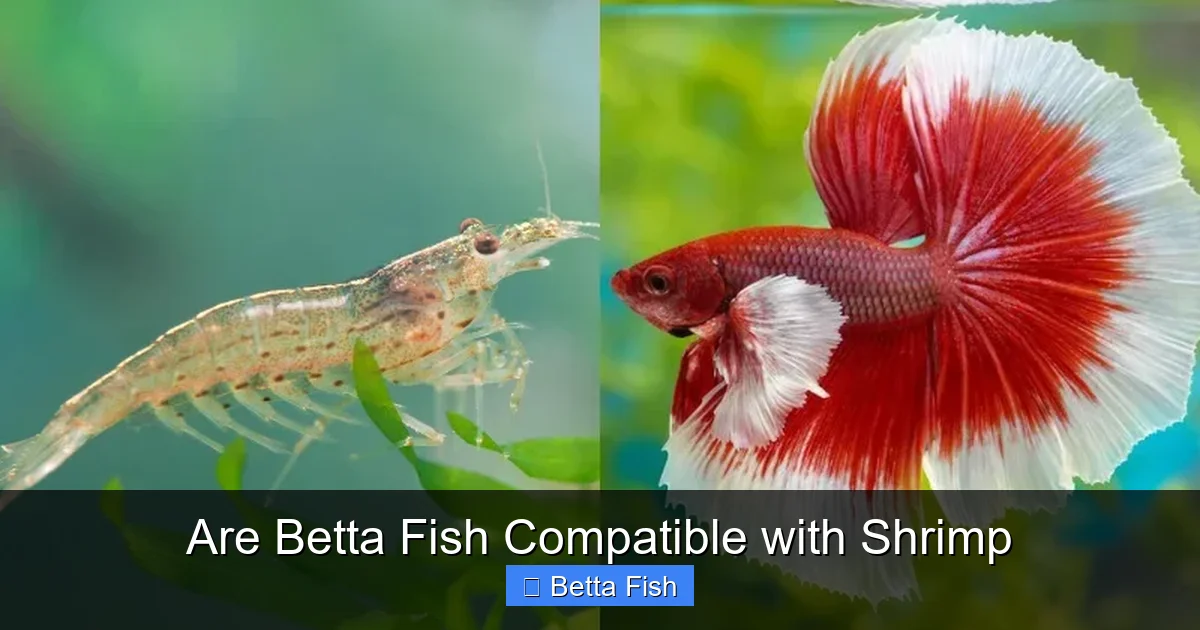
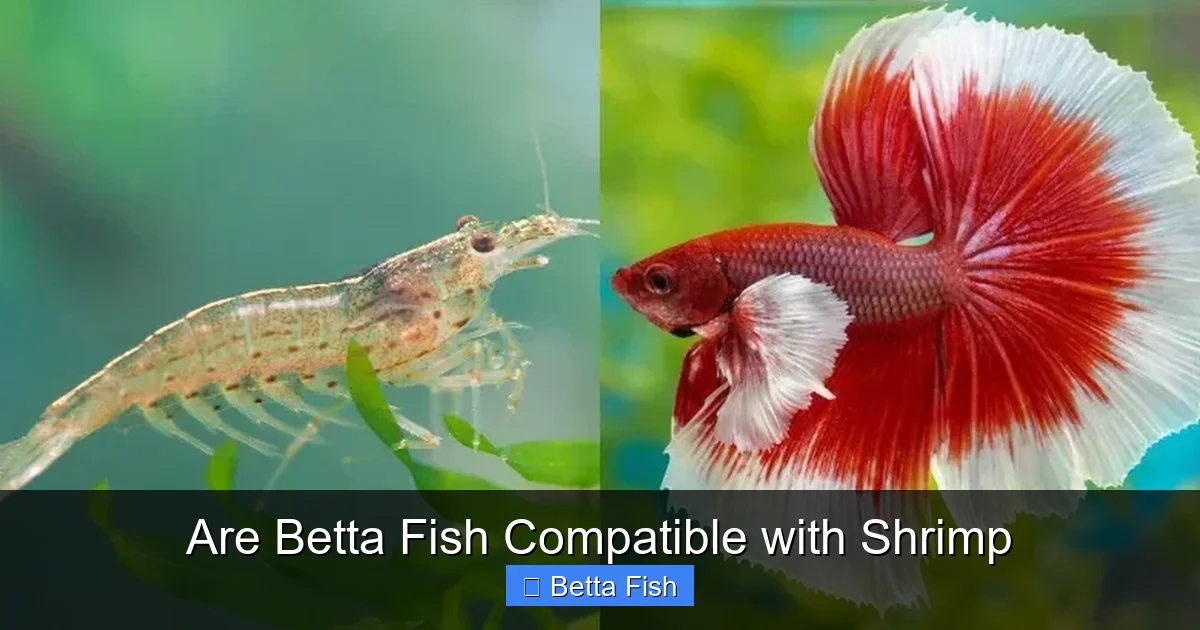
Betta fish can share a tank with shrimp, but success depends on temperament, tank setup, and shrimp size. By providing plenty of hiding spots, monitoring behavior, and choosing the right shrimp species, you can enjoy a lively, low‑maintenance community.
Key Takeaways
- Temperament matters: Peaceful bettas are more likely to tolerate shrimp.
- Tank size & plants: A minimum 10‑gallon tank with dense planting gives shrimp places to hide.
- Choose hardy shrimp: Larger, active species such as Cherry or Amano are less tempting as snacks.
- Watch feeding habits: Over‑feeding can attract bettas to the shrimp’s food and increase aggression.
- Regular monitoring: Early signs of stress let you intervene before losses occur.
- Water parameters: Keep temperature, pH, and hardness in ranges suitable for both betta and shrimp.
- Start slow: Acclimate shrimp first, then introduce the betta to reduce territorial disputes.
📑 Table of Contents
- Introduction: A Curious Question for Community Tanks
- Understanding Betta Behavior
- Choosing the Right Shrimp Species
- Setting Up a Shrimp‑Friendly Betta Tank
- Introducing Shrimp to a Betta Tank
- Monitoring Compatibility Over Time
- Pros and Cons of a Betta‑Shrimp Community
- Frequently Overlooked Details
- Conclusion: Making an Informed Decision
Introduction: A Curious Question for Community Tanks
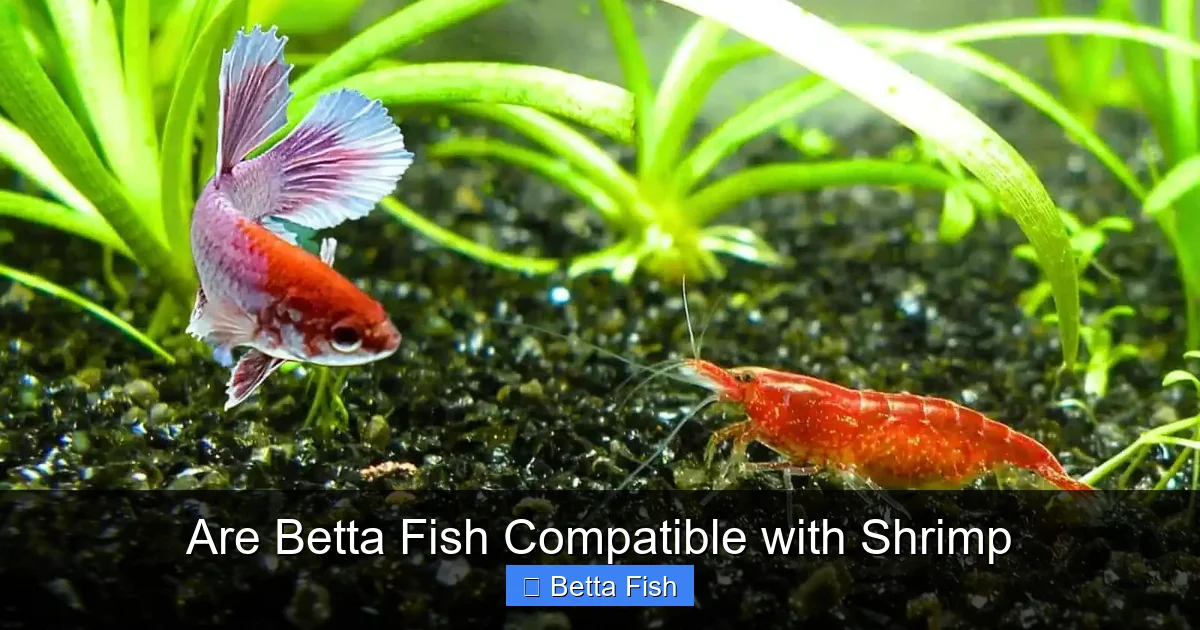
If you’ve ever stared at a vibrant betta flaring its fins and wondered, “are betta fish compatible with shrimp?” you’re not alone. Many hobbyists love the striking colors of a betta and the delicate activity of freshwater shrimp, and the idea of keeping them together is very appealing. The good news is that, under the right conditions, they can coexist peacefully. The bad news? Not every betta will behave like a gentle giant, and not every shrimp species can survive a curious predator.
In this guide we’ll walk through everything you need to know—from the biology of bettas and shrimp to tank setup, species selection, and daily care. By the end you’ll have a clear picture of whether your specific betta and shrimp can become tank‑mates, and how to give them the best chance at a harmonious life together.
Understanding Betta Behavior
What makes a betta tick?
Betta fish (Betta splendens) are native to shallow, warm waters of Southeast Asia. In the wild they are solitary, defending small territories against rivals. This territorial instinct is why male bettas flare and open their gill covers when they feel threatened.
Visual guide about Are Betta Fish Compatible with Shrimp
Image source: koibettafish.com
Temperament spectrum
Not all bettas are aggressive. Some are laid‑back and will ignore small, non‑threatening tank mates. Others are “fighter” types that will chase anything that moves. Observing your betta’s reaction to a mirror or a new decoration can give clues about its temperament.
Why temperament matters for shrimp
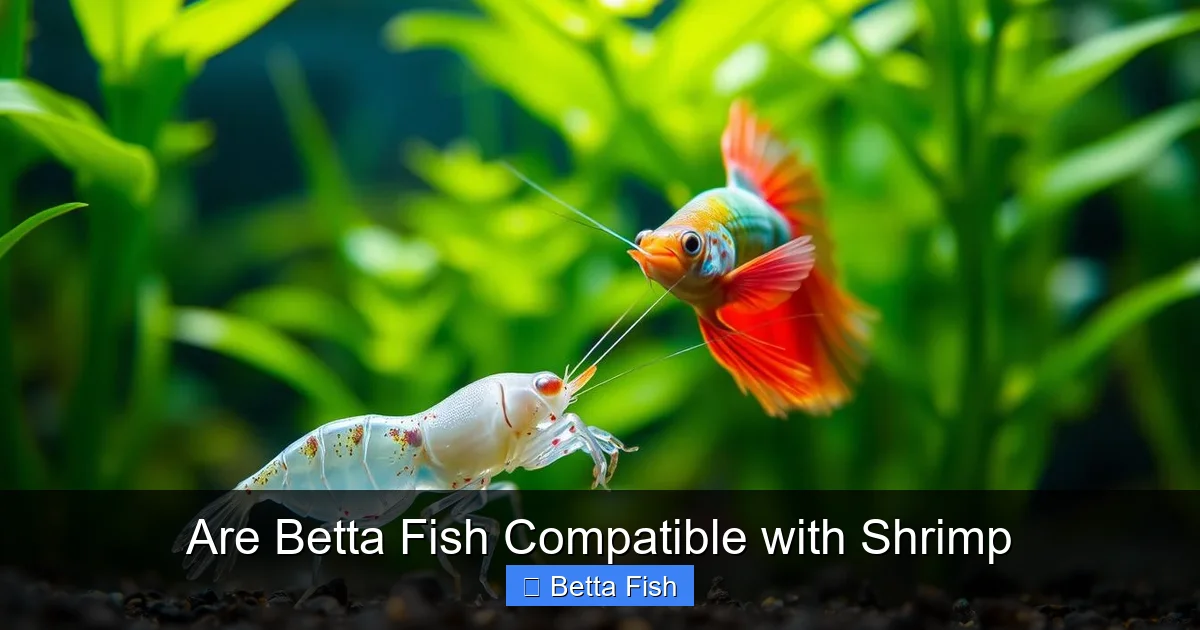
Because shrimp are tiny and move slowly, a curious betta may see them as an easy snack. A calm betta that is well‑fed and has plenty of visual barriers is far less likely to attack.
Choosing the Right Shrimp Species
Size and speed are key
Large, fast‑moving shrimp are harder for a betta to grab. Popular choices include:
Visual guide about Are Betta Fish Compatible with Shrimp
Image source: qwikbetta.com
- Cherry shrimp (Neocaridina davidi): Reach 1.5‑2 cm, active, and colorful.
- Amano shrimp (Caridina multidentata):** Grow up to 3 cm, excellent algae eaters, and robust.
- Ghost shrimp (Palaemonetes sp.):** Transparent, quick, and inexpensive.
Smaller dwarf shrimp (e.g., Bee shrimp) are more vulnerable and generally not recommended unless you have a very peaceful betta.
Hardiness and water needs
All the shrimp listed thrive in temperatures between 72‑78 °F, which matches the ideal range for most bettas. They also prefer slightly acidic to neutral pH (6.5‑7.5). Matching these parameters simplifies care for both parties.
Setting Up a Shrimp‑Friendly Betta Tank
Tank size and shape
A minimum of 10 gallons provides enough space for a betta to establish a territory while giving shrimp room to explore. Longer tanks (rather than tall bowls) create a horizontal plane where shrimp can hide behind décor.
Visual guide about Are Betta Fish Compatible with Shrimp
Image source: bettasource.com
Plants, rocks, and driftwood
Dense planting is the single most important factor for shrimp safety. Live plants like Java moss, Anubias, and Amazon swords create a “shrimp forest” where they can graze and hide. If live plants aren’t an option, use plenty of silk or nylon plants, smooth rocks, and driftwood pieces.
Filtration and water flow
Use a gentle sponge filter or a low‑flow hang‑on‑back filter. Strong currents can stress both betta and shrimp, and a sponge filter also offers a surface for beneficial bacteria to grow, improving water quality.
Lighting
Moderate lighting (8‑10 hours per day) encourages plant growth and lets shrimp display their colors without stressing the betta.
Introducing Shrimp to a Betta Tank
Acclimation steps
- Start by setting up the shrimp in a separate quarantine tank for a few days to ensure they are healthy.
- When ready, float the shrimp bag in the betta tank for 15‑20 minutes to equalize temperature.
- Gradually add small amounts of tank water to the bag every 5 minutes for a total of 30‑45 minutes.
- Gently net the shrimp and release them near a plant or decoration, not directly in the betta’s line of sight.
Why introduce shrimp first?
Letting shrimp settle and claim hiding spots before the betta arrives reduces the chance the betta will see them as intruders.
Monitoring Compatibility Over Time
Behavioral cues to watch
- Chasing: A betta that follows shrimp around the tank may be stressed or bored.
- Fin nipping: If the betta snaps at shrimp, separate them immediately.
- Shrimp stress: Hiding constantly, loss of color, or a few dead shrimp indicate trouble.
Adjusting the environment
If you notice tension, add more plants, create additional hiding zones, or consider a tank divider. Sometimes simply increasing feeding frequency for the betta reduces its predatory drive.
Pros and Cons of a Betta‑Shrimp Community
Benefits
- Natural cleaning crew: Shrimp eat leftover food and algae, helping keep water clear.
- Visual interest: The contrast of a colorful betta with busy shrimp creates a dynamic display.
- Cost‑effective: Shrimp are inexpensive and multiply, adding population without extra purchases.
Potential drawbacks
- Risk of predation: An aggressive betta can quickly decimate a shrimp colony.
- Water parameter sensitivity: Shrimp are more sensitive to spikes in ammonia or nitrite.
- Breeding control: Shrimp reproduce rapidly; you may need to manage overpopulation.
Frequently Overlooked Details
Feeding strategy
Feed the betta a high‑quality pellet or frozen food twice daily. Offer shrimp a supplemental algae wafer or blanched vegetables once a day. Avoid over‑feeding, as excess food can attract the betta to the shrimp’s feeding area.
Water changes
Perform 20‑30 % water changes weekly, using dechlorinated water that matches the tank’s temperature and pH. This keeps ammonia low, which is crucial for shrimp health.
When to consider a different setup
If your betta shows persistent aggression despite adjustments, it’s kinder to house them separately. A dedicated shrimp-only tank can still benefit from a betta‑free environment.
Conclusion: Making an Informed Decision
So, are betta fish compatible with shrimp? The answer is “yes, under the right circumstances.” A calm betta, a suitably sized tank, plenty of live plants, and hardy shrimp species dramatically increase the odds of a peaceful partnership. Always start with observation, provide ample hiding places, and be ready to intervene if aggression surfaces. With patience and proper setup, you can enjoy the best of both worlds—a dazzling betta and a bustling shrimp community sharing the same home.
For more ideas on tank mates, check out our guide on what fish are compatible with betta fish. If you’re curious about other invertebrate options, read about snails you can keep with betta fish. And for a deep dive into water quality basics, visit what are betta fish.
Frequently Asked Questions
Can a male betta live with shrimp?
Yes, a calm male betta can share a tank with shrimp if the tank is well‑planted and the shrimp are large enough to avoid being seen as food.
What shrimp species are safest with bettas?
Cherry shrimp, Amano shrimp, and Ghost shrimp are among the safest choices because of their size, speed, and hardiness.
How big should the tank be for a betta‑shrimp community?
A minimum of 10 gallons is recommended to provide enough space for territories, hiding spots, and water stability.
What signs indicate my betta is harassing shrimp?
Frequent chasing, nipping at shrimp, or the betta hovering near shrimp hideouts are clear warning signs.
Do shrimp need a different temperature than bettas?
Most common freshwater shrimp thrive in the same 72‑78 °F range that bettas prefer, making temperature compatibility easy.
Can I keep more than one betta with shrimp?
Keeping multiple bettas together is generally not advised, as they are highly territorial and will increase the risk to shrimp.