Betta fish and glass catfish can sometimes coexist, but success depends on tank size, temperament, and careful setup. Provide plenty of hiding spots, maintain stable water parameters, and monitor behavior daily to ensure both species thrive together.
Key Takeaways
- Temperament matters: Betta males are territorial; a calm glass catfish reduces conflict.
- Tank size is critical: Minimum 20‑gal provides enough space for both species.
- Water parameters must match: Both prefer 76‑82°F (24‑28°C) and slightly acidic to neutral pH.
- Hiding places are essential: Live plants, caves, and driftwood give the catfish refuge.
- Introduce slowly: Acclimate the glass catfish first, then add the betta after a few days.
- Watch for stress signs: Faded colors, clamped fins, or frantic swimming signal problems.
- Research compatible tank mates: See our guide on what fish are compatible with betta fish for more options.
📑 Table of Contents
Introduction: A Curious Pair
If you’ve ever stared at the delicate, almost invisible body of a glass catfish gliding beside the flamboyant fins of a betta, you might wonder—can these two very different fish live together? The answer isn’t a simple yes or no. It depends on many factors, from the size of your aquarium to the personalities of the individual fish.
In this article we’ll break down everything you need to know about betta fish and glass catfish compatibility. We’ll cover their natural habits, water needs, tank setup, and step‑by‑step introductions. By the end, you’ll feel confident deciding whether to house these two together or keep them separate.
Understanding the Species
Betta Fish Basics
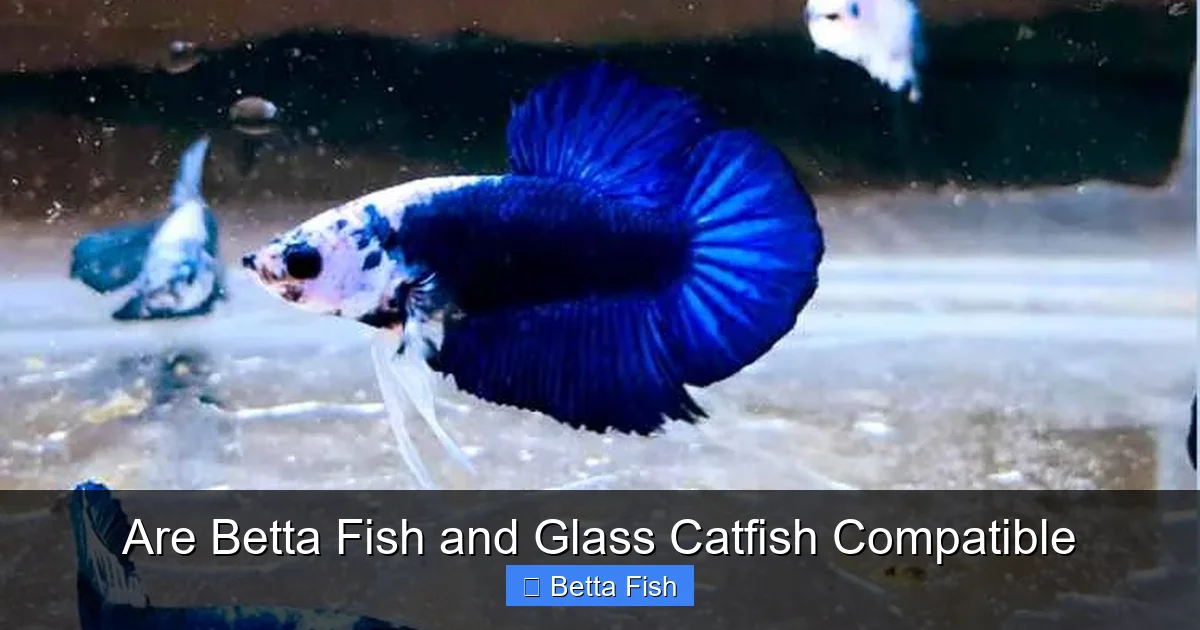
Betta fish (Betta splendens) are native to the shallow waters of Thailand, Cambodia, and Vietnam. Males are famous for their bright colors and long, flowing fins, while females are smaller and less flamboyant. They are easy to care for but can be surprisingly aggressive toward other fish that display similar colors or fin shapes.

Visual guide about Are Betta Fish and Glass Catfish Compatible
Image source: bettacarefishguide.com
Glass Catfish Essentials
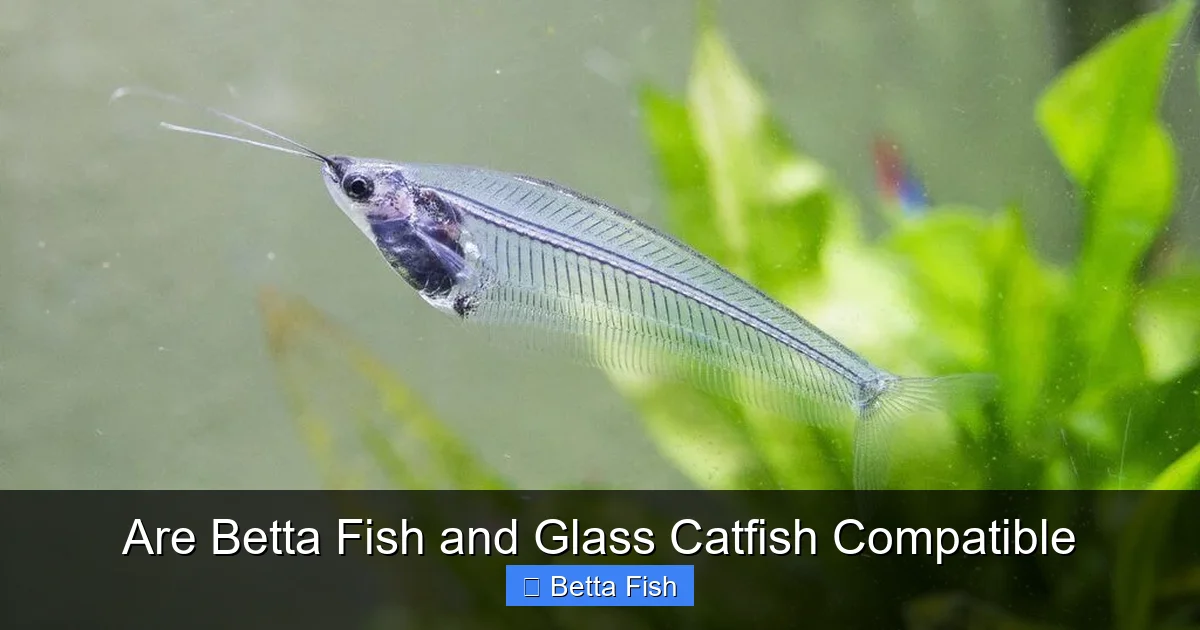
The glass catfish (Kryptopterus vitreolus) earned its name from its almost transparent body. These nocturnal bottom‑dwellers prefer dim lighting and like to hide among plants or driftwood. They are peaceful, shy, and thrive in groups of at least three, which helps them feel secure.
Key Differences
- Activity level: Bettas are surface swimmers, while glass catfish stay near the bottom.
- Temperament: Betta males can be territorial; glass catfish are non‑aggressive.
- Lighting needs: Bettas enjoy moderate light; glass catfish prefer low‑light conditions.
Matching Water Requirements
Temperature
Both species are tropical and love warm water. Aim for a stable range of 76‑82°F (24‑28°C). A reliable heater with a thermostat will keep the temperature consistent and prevent stress.
Visual guide about Are Betta Fish and Glass Catfish Compatible
Image source: tinyfishtank.com
pH and Hardness
Betta fish tolerate a pH of 6.5‑7.5, while glass catfish prefer slightly acidic to neutral water (6.0‑7.0). Keeping the tank at around 6.8 strikes a balance that satisfies both.
Filtration and Flow
Glass catfish are sensitive to strong currents. Use a gentle sponge filter or adjust the flow rate of a hang‑on‑back filter. Bettas can handle a bit more movement, but they also appreciate calm water.
Tank Setup for Harmony
Size Matters
A 20‑gallon (75‑liter) tank is the minimum recommended size for a betta‑glass catfish community. Larger tanks provide more territory, reduce aggression, and allow you to add other compatible species later.
Visual guide about Are Betta Fish and Glass Catfish Compatible
Image source: coralrealm.com
Decoration and Hiding Places
Because glass catfish love to hide, include plenty of live plants, driftwood, and smooth rocks. Java moss, Anubias, and Amazon swords create dense cover without harming the betta’s delicate fins. Remember to keep decorations smooth—sharp edges can tear a betta’s fins.
Lighting
Provide moderate lighting for the betta, but add shaded corners or floating plants to give the catfish a dimmer area. A dimmable LED fixture works well, letting you lower the light during the catfish’s active nighttime.
Substrate
Fine sand or smooth gravel is ideal. Avoid sharp gravel that could injure the catfish’s delicate barbels.
Introducing Betta and Glass Catfish
Step‑by‑Step Acclimation
- Quarantine first: Keep each fish in a separate hospital tank for at least two weeks to watch for disease.
- Set up the main tank: Ensure temperature, pH, and flow are stable.
- Introduce the glass catfish: Use the drip method to slowly adjust them to tank water. Let them explore the bottom for a few days.
- Add the betta: After the catfish are settled, introduce the betta using a net, not a bag, to reduce stress.
- Observe closely: Watch for flaring, chasing, or hiding. If aggression appears, be ready to separate.
Signs of Compatibility
- Betta swims near the surface without flaring at the catfish.
- Glass catfish moves around the bottom calmly, not constantly hiding.
- Both fish display normal colors and active behavior.
When Things Go Wrong
If the betta starts flaring, puffing its gills, or repeatedly nips at the catfish, you have a problem. Likewise, if the catfish becomes lethargic, loses its transparency, or hides all day, stress is likely. In either case, consider a divider or a separate tank.
Alternative Tank Mates
If you decide the betta‑glass catfish combo isn’t for you, there are many other peaceful community fish. Check out our article on which fish are compatible with betta fish for ideas like neon tetras, harlequin rasboras, and small loaches. Remember to keep the same water parameters and provide ample hiding spots.
Maintenance Tips for a Peaceful Community
Regular Water Changes
Change 25‑30% of the water weekly. Use a water conditioner to remove chlorine and chloramines. Consistent water quality prevents disease, which can quickly turn a peaceful tank into a battlefield.
Feeding Strategies
Feed bettas high‑quality pellets or frozen bloodworms once or twice daily. Glass catfish prefer small live foods like daphnia or finely crushed flakes that sink. Feed the catfish after the betta to avoid competition.
Monitoring Health
Look for faded colors, clamped fins, or ragged edges—signs of stress or disease. Early detection lets you act before aggression escalates.
Conclusion: Are They Truly Compatible?
Betta fish and glass catfish can share a tank, but success is not guaranteed. The key factors are a spacious, well‑planted aquarium, stable water conditions, and careful observation during the introduction phase. If you have the patience to set up a suitable environment and monitor both fish closely, you may enjoy the striking contrast of a vibrant betta swimming above a ghost‑like catfish gliding below.
However, if you notice any signs of stress or aggression, it’s best to provide separate homes. A happy, healthy fish is always more important than a mixed‑species “photo‑op.” Use the guidelines above, stay observant, and enjoy the rewarding experience of caring for these fascinating creatures.
Frequently Asked Questions
Can betta fish and glass catfish live together long term?
Yes, they can coexist long term if the tank is large enough (20 gallons or more), water parameters match, and ample hiding places are provided. Continuous monitoring is essential.
Do glass catfish need a group?
Glass catfish feel safest in groups of three or more. Keeping them together reduces stress and encourages natural schooling behavior.
Will a male betta attack a glass catfish?
Male bettas are territorial and may flare at any fish that resembles a rival. Since glass catfish are translucent and stay at the bottom, the risk is lower, but individual temperament varies.
What temperature is best for both species?
Maintain a stable temperature between 76‑82 °F (24‑28 °C). This range satisfies both betta and glass catfish comfort zones.
How often should I clean the tank?
Perform a 25‑30% water change weekly, and clean the substrate and decorations as needed to keep nitrate levels low.
Are there any plants that help reduce betta aggression?
Dense, leaf‑type plants like Java fern, Anubias, and Amazon sword create visual barriers that can calm a betta’s aggression by breaking line of sight.

