Bamboo plants can be a beautiful addition to a betta tank, but only when you choose the right type and maintain proper water conditions. Learn how to select safe bamboo, prevent common problems, and create a thriving habitat for your betta.
Key Takeaways
- True bamboo vs. plastic: Live bamboo (Bambusa spp.) is generally safe, while plastic décor can leach chemicals.
- Water parameters matter: Keep temperature, pH, and hardness within betta‑friendly ranges to avoid stress.
- Root management is crucial: Trim roots regularly to prevent decay and ammonia spikes.
- Compatibility with other plants: Pair bamboo with fast‑growing foregrounds for a balanced aquascape.
- Quarantine first: Always isolate new bamboo to check for pests or diseases before adding it to the main tank.
- Regular maintenance: Clean leaves, monitor for algae, and replace any dying stems promptly.
- Safety first: Avoid bamboo that has been treated with pesticides, fertilizers, or dyes.
📑 Table of Contents
- Introduction: The Allure of Bamboo in Betta Tanks
- 1. Understanding the Types of Bamboo
- 2. Preparing Bamboo for the Betta Tank
- 3. Setting Up Bamboo in the Betta Environment
- 4. Maintaining Water Quality with Bamboo
- 5. Compatibility with Other Live Plants
- 6. Common Problems and How to Fix Them
- Conclusion: A Balanced Approach for a Happy Betta
- Additional Resources
Introduction: The Allure of Bamboo in Betta Tanks
When you first set up a betta tank, you probably picture bright colors, flowing fins, and maybe a few floating leaves. Adding live plants takes that picture to the next level, offering hiding spots, natural filtration, and a more authentic feel. Bamboo, with its tall, graceful stalks, is a popular choice because it looks exotic and creates vertical interest.
But before you rush to the garden store, you might wonder: are bamboo plants safe for betta fish? The answer isn’t a simple yes or no. It depends on the species of bamboo, how it’s prepared, and how you manage water conditions. In this guide we’ll break down everything you need to know, from choosing the right bamboo to keeping it healthy alongside your betta.
1. Understanding the Types of Bamboo
1.1 Live Bamboo (Bambusa spp.)
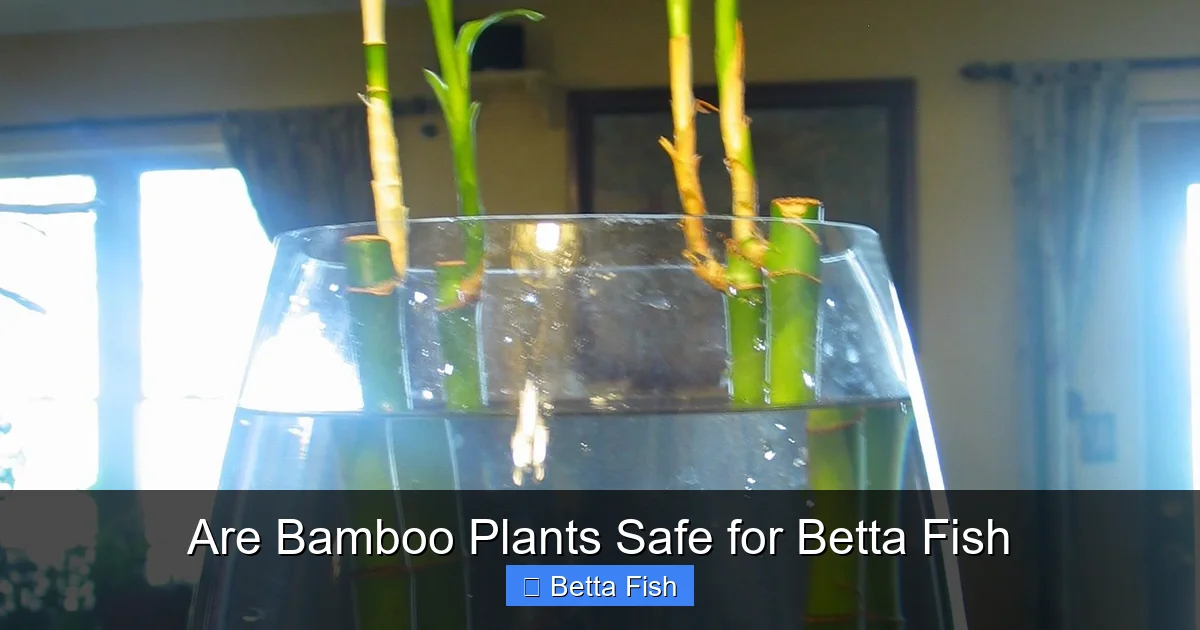
Live bamboo is actually a grass, not a woody tree. It grows in clumps and sends up hollow, jointed stems called culms. In the aquarium hobby, the most common varieties are Bambusa multiplex and Bambusa vulgaris. These species thrive in warm, soft water—conditions that match most betta setups.
Visual guide about Are Bamboo Plants Safe for Betta Fish
Image source: i.pinimg.com
1.2 Artificial Bamboo
Plastic or resin bamboo décor can look realistic, but many pieces contain pigments that may leach into the water. Over time, these chemicals can irritate a betta’s delicate skin and gills. If you prefer artificial décor, choose BPA‑free, aquarium‑grade items and rinse them thoroughly before use.
1.3 Why Live Bamboo Is Preferred
Live bamboo offers natural benefits: it absorbs nitrates, releases oxygen, and provides a natural substrate for beneficial bacteria. However, it also requires more care—especially when it comes to root management and water quality.
2. Preparing Bamboo for the Betta Tank
2.1 Buying the Right Plant
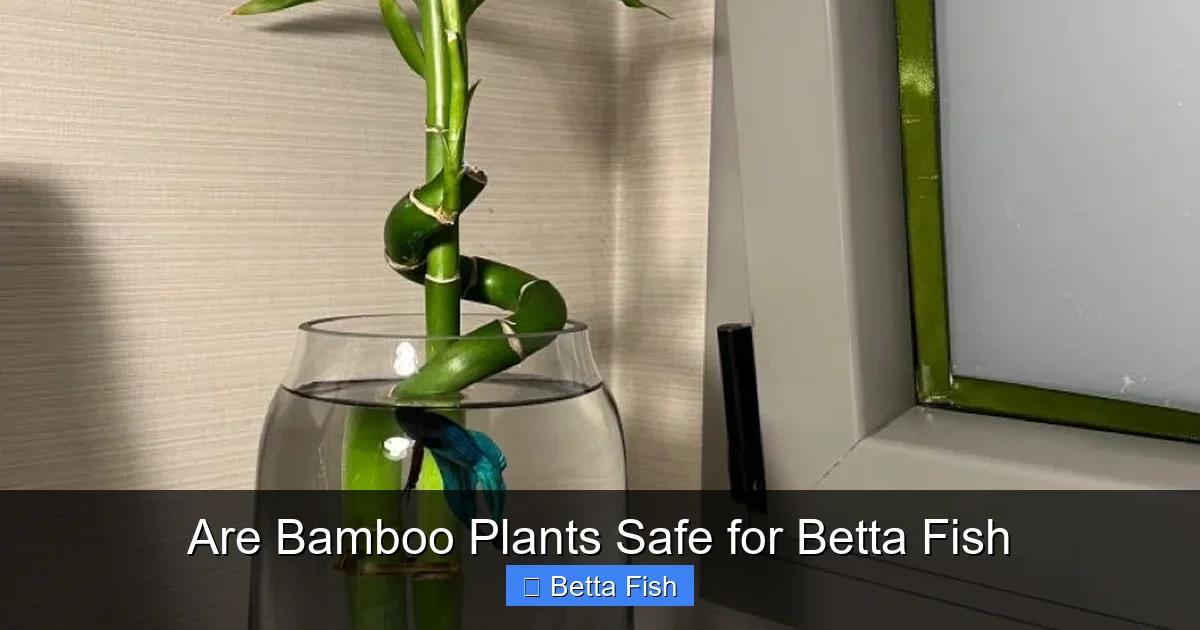
Purchase bamboo from a reputable aquarium store or a trusted online vendor that guarantees the plant is pesticide‑free. Avoid bamboo harvested from outdoor gardens unless you can confirm it has not been treated with chemicals.
Visual guide about Are Bamboo Plants Safe for Betta Fish
Image source: i.pinimg.com
2.2 Quarantine Your New Bamboo
Just like you would quarantine a new betta, place the bamboo in a separate container for 48–72 hours. This step lets you spot any unwanted pests (like snail eggs) or fungal growth before introducing the plant to your main tank.
2.3 Cleaning and Trimming
Rinse the stems under lukewarm water, gently scrubbing any debris with a soft brush. Trim the roots to about 2‑3 inches in length; overly long roots decompose quickly and can spike ammonia levels.
3. Setting Up Bamboo in the Betta Environment
3.1 Choosing the Right Spot
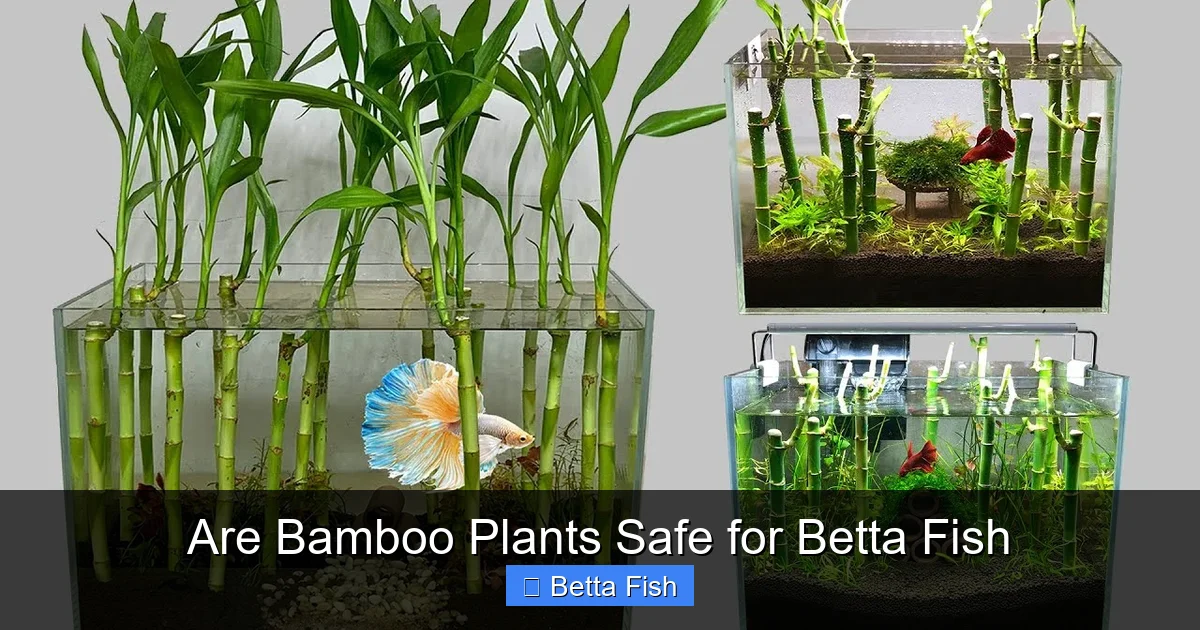
Bettas love to rest near vertical structures where they can hide and feel secure. Position the bamboo near a corner or against the back glass, leaving open swimming space in the center of the tank.
Visual guide about Are Bamboo Plants Safe for Betta Fish
Image source: i.ytimg.com
3.2 Substrate Considerations
A fine‑gravel or sand substrate works well. If you use a nutrient‑rich substrate, the bamboo’s roots will spread more easily, helping the plant establish faster.
3.3 Lighting and CO₂
Bamboo is a low‑light plant. A modest 2‑3 watts of LED light for 8‑10 hours a day is sufficient. Adding CO₂ is optional; most betta tanks do fine without it, but a small drop of liquid carbon can boost growth if you notice slow development.
4. Maintaining Water Quality with Bamboo
4.1 Temperature, pH, and Hardness
Bettas thrive at 78‑82 °F (25‑28 °C) with a pH of 6.5‑7.5 and soft to moderately hard water (50‑150 ppm GH). Bamboo prefers a similar range, making it a compatible companion. Regularly test your water with a reliable kit to keep these parameters stable.
4.2 Monitoring Ammonia and Nitrite
When bamboo roots decay, they release ammonia. Perform weekly water tests during the first month and watch for any spikes. If ammonia levels rise above 0 ppm, do a partial water change (20‑30 %) and consider trimming a few more roots.
4.3 Cleaning Leaves and Stems
Algae loves the broad surface of bamboo leaves. Use a soft algae pad or a gentle brush to clean them during routine tank maintenance. This prevents the build‑up of harmful algae that could shade your betta.
5. Compatibility with Other Live Plants
5.1 Pairing with Foreground Species
Low‑lying plants like Java moss, Cryptocoryne, or Anubias create a layered look and compete with bamboo for nutrients, preventing any one plant from dominating the tank.
5.2 Avoiding Aggressive Growers
Fast‑growing stem plants (e.g., Amazon sword) can shade bamboo stems, reducing their growth. Keep aggressive growers trimmed and spaced out.
5.3 Practical Layout Example
Place a 6‑inch bamboo stem at the back left corner, add a small clump of Java fern at the front right, and scatter a carpet of Marimo moss balls across the bottom. This layout gives your betta places to explore, rest, and hunt.
6. Common Problems and How to Fix Them
6.1 Yellowing or Browning Leaves
Yellow leaves often signal low iron or excess light. Reduce lighting time by an hour and consider a liquid iron supplement.
6.2 Root Rot
If the roots become mushy and emit a foul smell, they are rotting. Remove the affected portion, trim the healthy roots back, and increase water changes to 30 % weekly until the problem clears.
6.3 Pests
Snail eggs or tiny aphid‑like insects can hitch a ride on bamboo from the store. A brief dip in a 1 % hydrogen peroxide solution (1 ml per liter) for 2‑3 minutes will kill most hitchhikers without harming the plant.
Conclusion: A Balanced Approach for a Happy Betta
So, are bamboo plants safe for betta fish? Yes—provided you select live, untreated bamboo, prepare it correctly, and keep a close eye on water quality. By following the steps outlined above, you’ll create a vibrant, natural environment that not only looks stunning but also supports your betta’s health and behavior.
Remember, the key to success is balance: the right plant, the right water conditions, and regular maintenance. With a little effort, your betta will flourish among the elegant stalks of bamboo, displaying its brilliant colors and graceful fins for years to come.
Additional Resources
- Which Live Plants Are Good For Betta Fish – learn about other safe plant options.
- Are Betta Fish Easy To Care For – a beginner’s guide to overall betta care.
- What Water To Use For Betta Fish – detailed water parameter recommendations.
Frequently Asked Questions
Can I use bamboo that I grow at home?
Yes, as long as the bamboo has never been treated with pesticides or fertilizers. Rinse it thoroughly, quarantine it, and trim the roots before placing it in the tank.
How often should I trim the bamboo roots?
Trim the roots every 2‑4 weeks, or whenever you notice them becoming overly long or starting to turn brown. This prevents decay and keeps ammonia levels low.
Will bamboo affect the temperature of my betta’s water?
No. Bamboo does not significantly change water temperature, but it does help stabilize temperature by providing shade and surface area for heat exchange.
Is it okay to use bamboo in a small betta bowl?
Small bowls often lack proper filtration, making it harder to control waste from decaying roots. A larger, filtered tank (at least 5 gallons) is recommended for live bamboo.
Do I need to add fertilizer for bamboo?
Most bamboo will grow slowly without extra fertilizer in a betta tank. If growth stalls, a gentle dose of liquid plant fertilizer once a month is sufficient.
What should I do if my betta hides and stops eating after adding bamboo?
Monitor water parameters closely; a sudden change in pH or a spike in ammonia can stress the fish. Perform a partial water change and observe the betta for improvement.


