Every betta fish has its own blend of colors, patterns, and temperament, making each one truly one‑of‑a‑kind. Understanding these unique traits helps you provide better care and enjoy a more vibrant, personalized betta-keeping experience.
Key Takeaways
- Genetic diversity: Betta fish inherit a wide mix of genes that create endless color and fin variations.
- Personality matters: Even fish with identical looks can behave very differently.
- Environment shapes uniqueness: Tank setup, diet, and water quality influence a betta’s appearance and mood.
- Selective breeding: Hobbyists have amplified rare traits, but natural variation still reigns.
- Spotting individuality: Simple observations—fin shape, flare response, and activity patterns—reveal each fish’s character.
- Care tips: Tailor tank conditions to suit the specific needs of your unique betta.
- Fun fact: No two bettas are exactly alike, even twins from the same clutch.
📑 Table of Contents
- Introduction: The Magic Behind Betta Individuality
- 1. Genetics: The Blueprint of Uniqueness
- 2. Selective Breeding: Human Hands Shape Diversity
- 3. Personality: The Hidden Layer of Uniqueness
- 4. Environment: Shaping the Individual
- 5. Practical Tips to Identify and Celebrate Your Betta’s Uniqueness
- 6. Frequently Overlooked Factors That Add to Uniqueness
- Conclusion: Embrace the One‑of‑a‑Kind Wonder
Introduction: The Magic Behind Betta Individuality
If you’ve ever watched a betta flare its glorious fins, you might have thought, “Wow, they all look the same!” The truth is far more fascinating. Are all betta fish unique? The short answer is a resounding yes. From the swirl of colors on their scales to the quirks of their temperament, every betta carries a distinct signature.
In this article we’ll dive into the science of genetics, the art of selective breeding, and the everyday factors that shape each fish’s personality. By the end, you’ll be able to appreciate the subtle (and not‑so‑subtle) differences that make every betta a one‑of‑a‑kind companion.
1. Genetics: The Blueprint of Uniqueness
1.1. DNA Mix‑And‑Match
Betta fish inherit DNA from both parents, and the combination is virtually limitless. This genetic lottery produces a spectrum of colors—metallic blues, fiery reds, pastel pastels—and countless fin types such as veil, crown, and half‑moon.
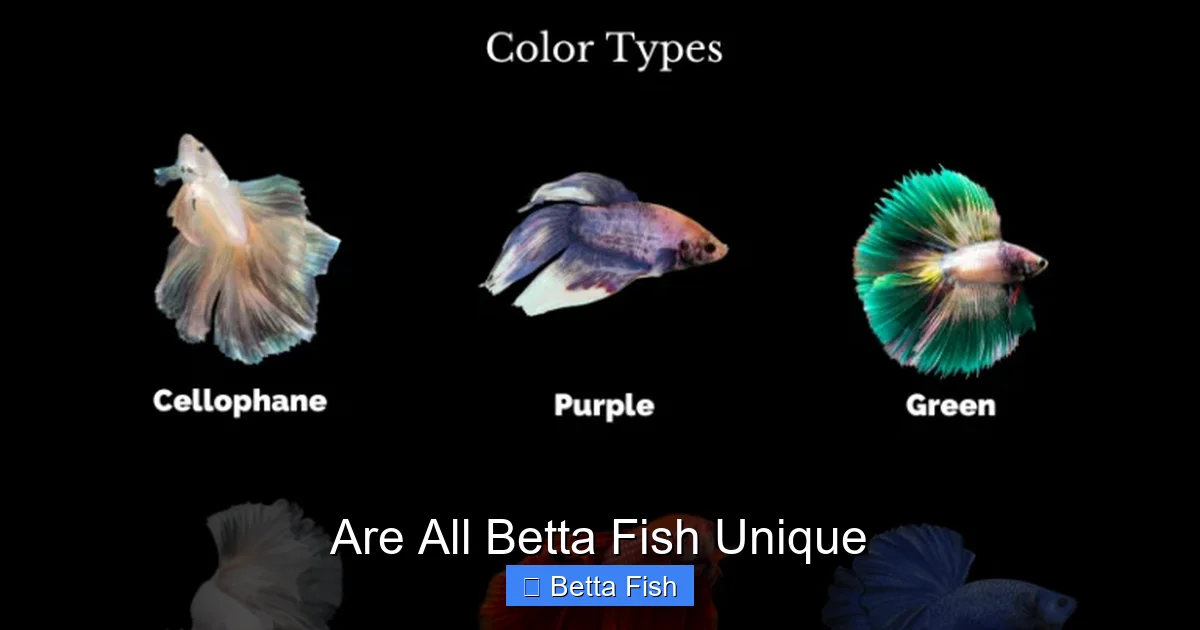
Visual guide about Are All Betta Fish Unique
Image source: fishkeepingadvice.com
1.2. Natural Mutations
Occasionally a mutation will appear in a fry, giving rise to rare traits like solid black bodies or iridescent “dumbo” fins. These spontaneous changes add another layer to the question are all betta fish unique? Even within a single brood, you may see a splash of unexpected patterns.
1.3. The Role of Inbreeding vs. Outcrossing
Breeders who avoid inbreeding keep the gene pool wide, encouraging diversity. Outcrossing—breeding unrelated lines—creates fresh combinations, ensuring that each generation brings new surprises.
2. Selective Breeding: Human Hands Shape Diversity
2.1. From Wild Types to Show Winners
Wild bettas from Southeast Asia display muted greens and simple fins. Hobbyists have selectively amplified vivid hues and elaborate fins for show purposes. This intentional selection proves that while we can guide traits, the outcome is never identical.

Visual guide about Are All Betta Fish Unique
Image source: i.pinimg.com
2.2. The Rise of “Designer” Bettas
Today you can find bettas with “koi” patterns, “butterfly” tails, or even “glass” translucency. Each line started from a unique mutation or a rare natural variant, reinforcing that are all betta fish unique remains true even in the most cultivated stocks.
2.3. Ethical Breeding Practices
Responsible breeders prioritize health over novelty. Over‑finned bettas can suffer from swimming issues, so a balanced approach keeps the fish happy and maintains the natural variety we love.
3. Personality: The Hidden Layer of Uniqueness
3.1. Temperament Spectrum
Even two bettas that look alike can have opposite temperaments. Some are bold and love to explore the tank, while others are shy and spend most of the day hiding. Observing how a betta reacts to a mirror or a new décor item reveals its personal style.

Visual guide about Are All Betta Fish Unique
Image source: ekk4j69ebaa.exactdn.com
3.2. Aggression and Social Behavior
Male bettas are famously territorial, but the intensity varies. Some will flare at the slightest movement; others only defend their space when a real threat appears. Understanding these differences helps prevent unnecessary stress.
3.3. Intelligence and Learning
Betta fish can learn simple tricks, recognize their owner’s presence, and even solve mazes. These cognitive abilities are another reason why are all betta fish unique is more than just a visual question.
4. Environment: Shaping the Individual
4.1. Tank Size and Layout
While many keep bettas in tiny bowls, a well‑planted 5‑gallon tank offers space to display natural behaviors. The environment influences fin development and stress levels, subtly altering a betta’s appearance and demeanor.
4.2. Water Quality and Temperature
Stable parameters (78‑80°F, pH 6.5‑7.5) keep colors bright and fins healthy. Fluctuations can cause dulling or fin rot, making a betta look less vibrant—even if genetically it could be spectacular.
4.3. Diet and Nutrition
High‑protein foods, occasional live or frozen treats, and color‑enhancing pellets boost pigment intensity. A well‑fed betta often shows more vivid hues, highlighting the role of care in the uniqueness equation.
5. Practical Tips to Identify and Celebrate Your Betta’s Uniqueness
5.1. Observation Checklist
- Note fin shape: veil, crown, delta, or half‑moon.
- Record color pattern: solid, marbled, koi, or metallic.
- Watch behavior: active explorer vs. shy dweller.
- Test flare response with a mirror for aggression level.
- Check eating habits and preferred foods.
5.2. Photography for Comparison
Take clear photos from multiple angles. Over time you’ll see subtle changes in fin growth, coloration, and posture—proof that your betta is constantly evolving.
5.3. Tailor Care to the Individual
If your betta is a shy type, provide more hiding spots with live plants (Which Live Plants Are Good For Betta Fish). For an aggressive flarer, keep the tank décor minimal to reduce territorial disputes.
6. Frequently Overlooked Factors That Add to Uniqueness
6.1. Age and Life Stage
Juvenile bettas often display brighter colors that may fade or change as they mature. Conversely, some older bettas develop deeper, richer tones.
6.2. Seasonal Changes
In their native habitats, bettas experience rainy and dry seasons, which can affect coloration. Replicating these subtle shifts with lighting changes can bring out hidden shades.
6.3. Stress Indicators
White spots, torn fins, or rapid breathing signal stress. Addressing the cause (bad water, overcrowding, aggressive tankmates) restores the fish’s natural brilliance.
Conclusion: Embrace the One‑of‑a‑Kind Wonder
So, are all betta fish unique? Absolutely. From the intricate dance of genes to the personal quirks shaped by environment and care, each betta tells its own story. By paying close attention to color, fin type, behavior, and tank conditions, you’ll not only answer the question but also deepen the bond with your aquatic companion.
Celebrate the diversity, provide a stable, enriching home, and enjoy the endless fascination that comes with watching a truly unique betta flourish.
Frequently Asked Questions
Do betta fish from the same clutch look the same?
Not necessarily. Siblings share many genes, but variations in color and fin shape still occur, making each fry distinct.
Can I change my betta’s color through diet?
Diet can enhance existing pigments, especially with high‑quality color‑enhancing foods, but it won’t create new colors that aren’t genetically present.
Why does my betta’s fin look different after a molt?
During a molt, old fin tissue is shed and new growth may appear slightly altered in shape or shade, reflecting the fish’s ongoing development.
Are aggressive bettas less unique?
No. Aggression is just one personality trait. Two aggressive males can still differ in color, fin type, and subtle behaviors.
How often should I rearrange tank décor to keep my betta interested?
Changing décor every 4–6 weeks provides new exploration opportunities without causing undue stress.
Is it true that bettas are nocturnal?
Betta fish are most active during dawn and dusk, but they do rest at night. For more details, see Are Betta Fish Nocturnal.


