Discover why bettas die, how to spot the signs, and the best steps to take when you find a dead betta fish. Follow our friendly guide to prevent future losses and keep your aquarium thriving.
Key Takeaways
- Identify early signs: subtle changes in color, behavior, or appetite often precede death.
- Check water quality: poor parameters are the most common cause of a dead betta fish.
- Safe disposal: learn humane ways to remove a dead betta fish from your home.
- Prevent recurrence: regular maintenance and proper feeding keep bettas healthy.
- Know when to seek help: a dead betta fish can teach you about hidden tank problems.
📑 Table of Contents
Why a Betta Might Suddenly Pass Away
Finding a dead betta fish is heartbreaking, but it’s also a chance to learn. Most owners think the loss is random, yet the truth is that a few simple factors usually trigger the problem. Below we break down the most common reasons a betta fish dies so you can spot them early.
Water quality problems
Betta fish are especially sensitive to ammonia, nitrite, and nitrate spikes. Even a small rise in ammonia can cause gill damage and rapid death. Test your water weekly with a fresh kit and keep the dead betta fish scenario at bay by performing partial water changes of 25‑30 % every few days.
Incorrect temperature
Betta fish are tropical and need water that stays between 76‑82 °F (24‑28 °C). Water that is too cold slows metabolism, while water that is too hot stresses the fish’s immune system. If you’re unsure about the right temperature, read What Temperature Should A Betta Fish Water Be for a quick guide.
Over‑feeding and poor diet
Too much food rots in the tank, creating toxic waste. Under‑feeding, on the other hand, weakens the fish’s defenses. Aim for two small feedings per day and remove any uneaten flakes after five minutes.
Stress from cramped spaces
A tiny bowl may look cute, but it limits water stability. A dead betta fish often results from a lack of swimming room and poor oxygen flow. Upgrade to at least a 5‑gallon tank; see What Size Tank For A Betta Fish for details.
Hidden illnesses
Fin rot, velvet disease, and internal parasites can progress silently. Look for frayed fins, white spots, or cloudy eyes. Early detection can save a life, so keep a close eye on any changes.
How to Recognize That Your Betta Is Dying
Before a betta becomes a dead betta fish, there are warning signs you can act on immediately.
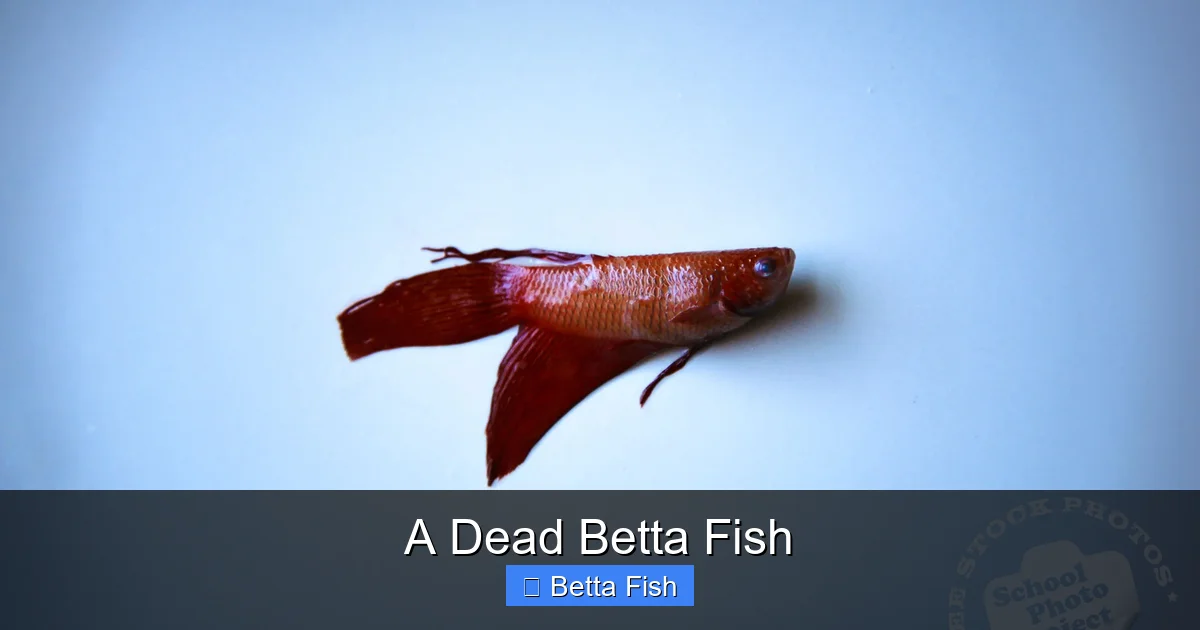
Visual guide about A Dead Betta Fish
Image source: schoolphotoproject.com
Lethargy and loss of color
A healthy betta flares its fins and shows bright hues. If the fish hangs at the bottom, floats listlessly, or its colors fade, it may be struggling.
Loss of appetite
Skipping a meal or two can be normal, but refusing food for three consecutive days is a red flag.
Odd swimming patterns
Spinning, sinking, or swimming upside‑down indicates a possible swim bladder issue or severe water stress.
Surface breathing
Betta fish breathe air at the surface thanks to their labyrinth organ. Excessive gulping can mean low oxygen or poor water quality.
What To Do When You Find a Dead Betta Fish
Finding a dead betta fish is sad, but handling the situation calmly helps you learn and prevents contamination.
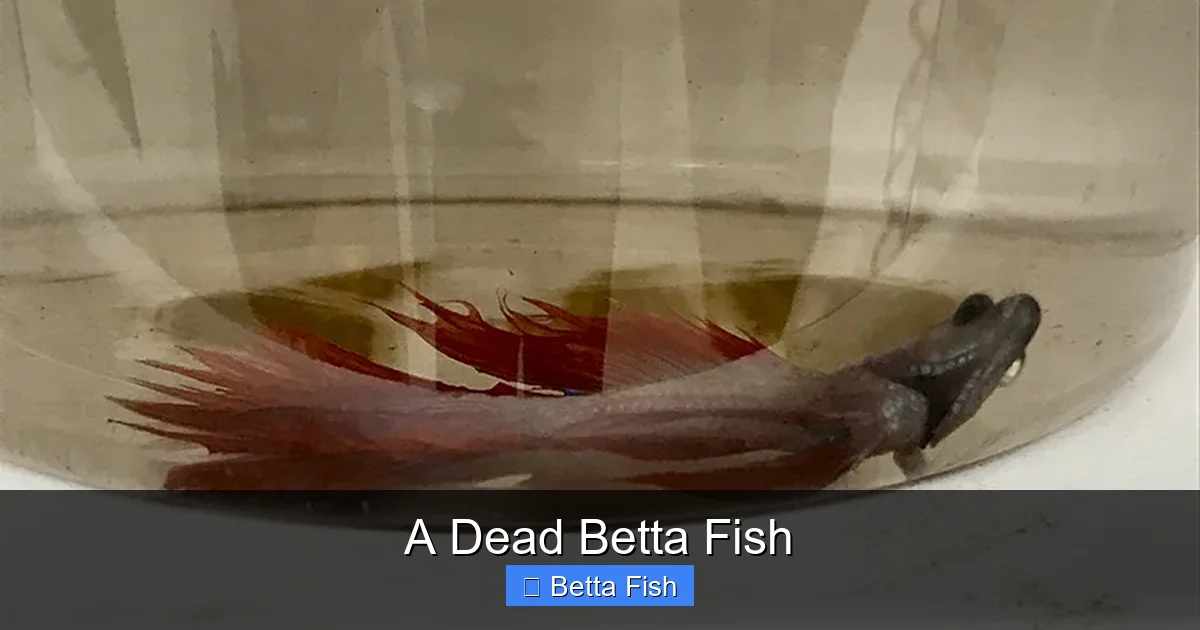
Visual guide about A Dead Betta Fish
Image source: acb0a5d73b67fccd4bbe-c2d8138f0ea10a18dd4c43ec3aa4240a.ssl.cf5.rackcdn.com
Confirm the fish is truly dead
Gently touch the tail; a dead betta fish will not move at all. Look for a lack of gill movement and no response to light.
Remove the body safely
Use a soft net or a small cup to lift the fish out of the water. Avoid crushing the body, as this can release harmful bacteria.
Decide on disposal method
- Burial: Dig a small hole in your garden, wrap the fish in biodegradable material, and cover it. This is the most natural option.
- Trash: Place the fish in a sealed bag before discarding it in a sealed trash can.
- Compost: If you have a compost system, the fish can add nitrogen, but make sure it’s sealed to avoid attracting pests.
For a step‑by‑step guide, see How To Dispose Of A Dead Betta Fish.
Clean the tank
Even though a dead betta fish doesn’t always contaminate the water, it’s wise to do a partial water change (30‑40 %). Scrub the glass, remove any uneaten food, and check the filter for clogs.
Investigate the cause
Take a water test, review feeding logs, and examine the tank’s temperature. Identifying the root cause helps you avoid another dead betta fish.
Preventing Future Losses: Best Practices for Betta Care
Prevention is the most compassionate approach. Below are habits that keep your betta thriving.
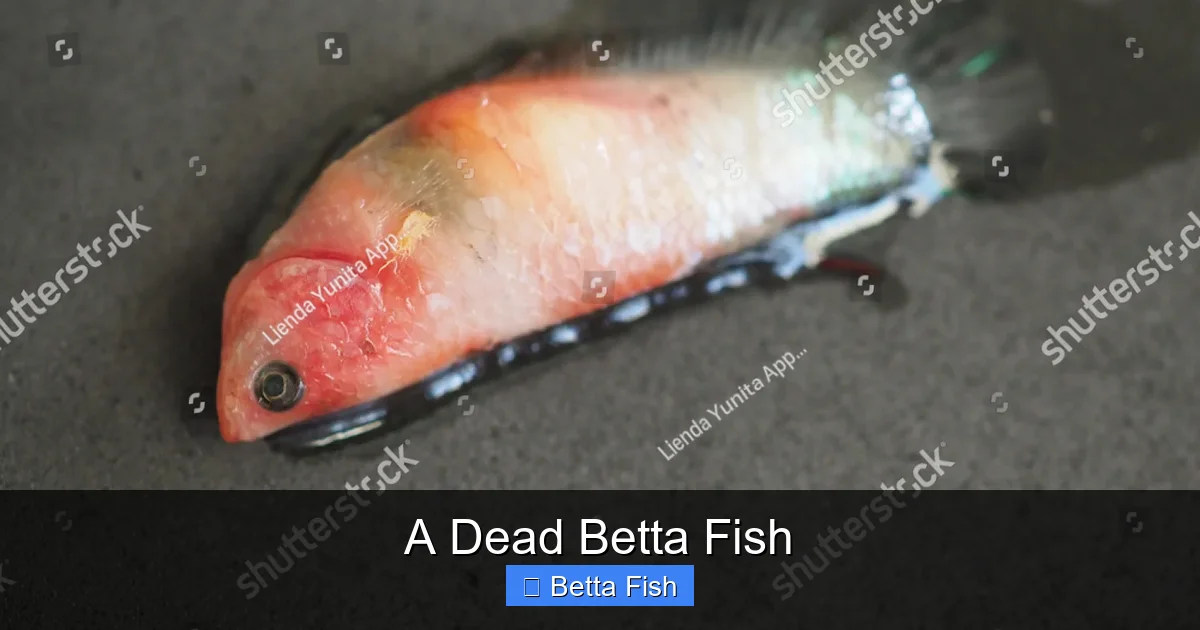
Visual guide about A Dead Betta Fish
Image source: image.shutterstock.com
Maintain stable water parameters
Test for ammonia, nitrite, nitrate, pH, and temperature weekly. Aim for ammonia = 0 ppm, nitrite = 0 ppm, nitrate < 20 ppm, and pH = 6.5‑7.5.
Provide proper filtration and aeration
A gentle sponge filter keeps water clear without creating strong currents that stress a betta. Even though bettas can breathe air, a modest flow improves overall water health.
Feed a balanced diet
High‑quality betta pellets, occasional frozen or live foods (brine shrimp, daphnia), and a controlled portion size keep the fish strong.
Offer enrichment
Plants, caves, and smooth decorations mimic a natural habitat and reduce stress. Avoid sharp ornaments that can tear delicate fins.
Regular health checks
Spend a few minutes each day watching your betta. Early detection of a dead betta fish scenario often starts with a simple observation.
When to Seek Professional Help
If you’ve tried the steps above and still lose bettas, it may be time to consult a specialist.
Veterinary assistance
Some aquarium vets can diagnose internal parasites or bacterial infections. Bring a water sample and a photo of the fish’s symptoms.
Experienced hobbyist forums
Online communities can offer fresh perspectives. Share water test results and tank photos for advice.
Local pet store expertise
Reputable stores often have knowledgeable staff who can suggest tank upgrades or proper products.
Conclusion
Finding a dead betta fish is never easy, but it can become a powerful learning moment. By understanding the common causes—water quality, temperature, diet, stress, and hidden disease—you can act quickly to prevent future tragedies. Regular testing, proper tank size, balanced feeding, and daily observation form the backbone of a healthy betta environment. When a loss does occur, handle the body respectfully, clean the tank, and investigate the cause. With these steps, you’ll turn a sad experience into a stronger, more knowledgeable hobby.
Frequently Asked Questions
How can I tell if my betta fish is actually dead?
Touch the tail gently; a dead betta fish will not move. Look for no gill movement and no response to light.
What is the safest way to dispose of a dead betta fish?
Burial in a garden, sealed trash bag disposal, or composting are common methods. Choose the one that fits your situation best.
Can poor water temperature cause a betta fish to die?
Yes. Betta fish need water between 76‑82 °F (24‑28 °C). Temperatures outside this range can stress the fish and lead to death.
How often should I change the water to avoid a dead betta fish?
Change 25‑30 % of the water every 2‑3 days, or perform a larger change if you notice spikes in ammonia or nitrate.
Is it okay to keep a dead betta fish in the tank for a few days?
No. Decomposing fish can release harmful bacteria that endanger any other inhabitants. Remove it promptly.
What should I do if I keep seeing dead betta fish despite good care?
Re‑test water parameters, check for hidden diseases, and consider consulting a vet or experienced hobbyist for a deeper diagnosis.


