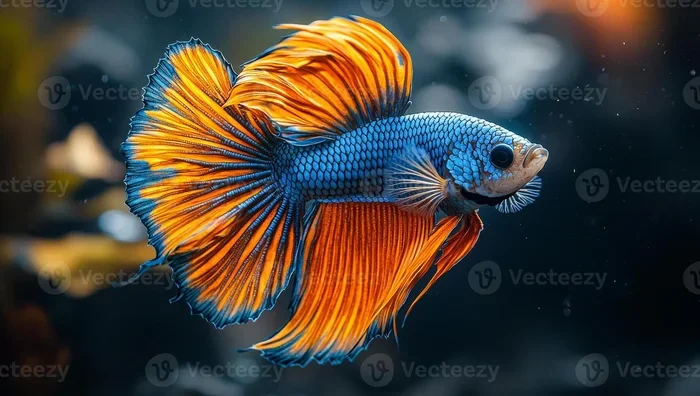
A Bloted Female Betta Fish
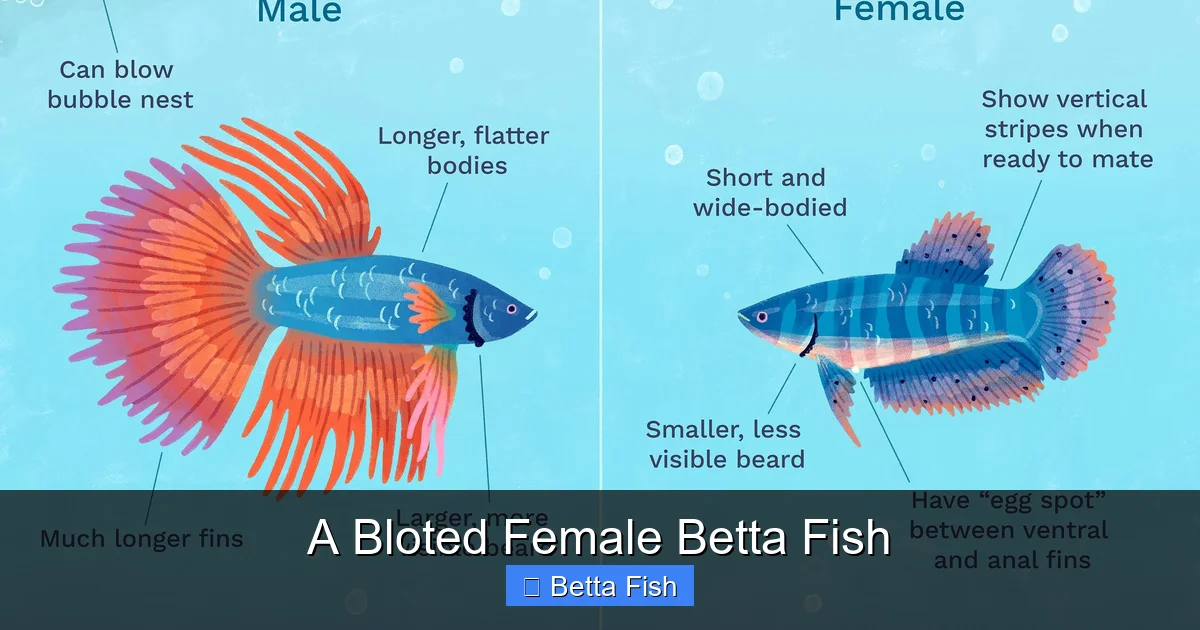
A bloted female betta fish is a stunning, partially‑colored variety that needs the same gentle care as any betta, but with extra attention to its unique pattern. Learn how to spot a bloted female, set up the perfect home, and keep her healthy and vibrant for years.
Key Takeaways
- Spot the blot: A bloted female betta shows a clear, irregular patch of color on an otherwise pale body.
- Tank matters: Provide at least a 5‑gallon filtered tank with warm, stable water (78‑80°F).
- Gentle feeding: Small, frequent meals of high‑quality betta pellets and occasional live foods keep her bright.
- Health watch: Look for faded blotches, torn fins, or erratic swimming as early warning signs.
- Social rules: Female bettas can live together if the tank is spacious and well‑planted, but a single bloted female often thrives best alone.
- Breeding note: The blot does not affect fertility, but male partners may be less attracted to the pattern.
- Longevity: With proper care, a bloted female betta can live 3‑5 years, sometimes longer.
📑 Table of Contents
- Introduction: Why the Bloted Female Betta Fish Captivates Hobbyists
- 1. Recognizing a Bloted Female Betta Fish
- 2. Setting Up the Perfect Home
- 3. Feeding Your Bloted Female Betta Fish
- 4. Health and Wellness: Keeping the Blot Vibrant
- 5. Social Dynamics: Can a Bloted Female Live With Others?
- 6. Breeding a Bloted Female Betta Fish
- Conclusion: Embracing the Beauty of Your Bloted Female Betta Fish
Introduction: Why the Bloted Female Betta Fish Captivates Hobbyists
If you’ve ever walked past a pet store and seen a betta with a splash of bright color that looks like a watercolor paint‑spill, you were probably looking at a bloted female betta fish. “Blot” or “blotched” refers to a distinct, irregular patch of pigment that contrasts sharply with the rest of the fish’s body. This pattern is not a genetic mutation like the “marble” or “half‑moon” varieties; it’s a natural expression of coloration that can appear on both males and females, though it’s especially prized on females because they often display softer, pastel bases that make the blot stand out.
Women who keep bettas love the bloted female for three main reasons: visual drama, a slightly calmer temperament compared with many males, and the fact that the pattern is unique to each individual—no two bloted females look exactly alike. However, the beauty of the blot also brings a few extra responsibilities. The delicate pigment can fade if water conditions aren’t right, and the fish’s health can be harder to read when the blot masks early signs of disease.
In this guide we’ll walk you through everything you need to know about a bloted female betta fish—from identification and tank setup to feeding, health, and even breeding. By the end, you’ll feel confident giving your bloted betta the best possible home.
1. Recognizing a Bloted Female Betta Fish
What Does “Bloted” Really Mean?
The term “bloted” describes a localized area of intensified color that looks like a splash or spot. Unlike the even coloration of a solid‑color betta, a bloted female has a clear demarcation: a bright red, orange, blue, or purple patch on a lighter background. The blot can be round, oval, or irregular, and it may cover part of the head, the dorsal area, or the tail base.
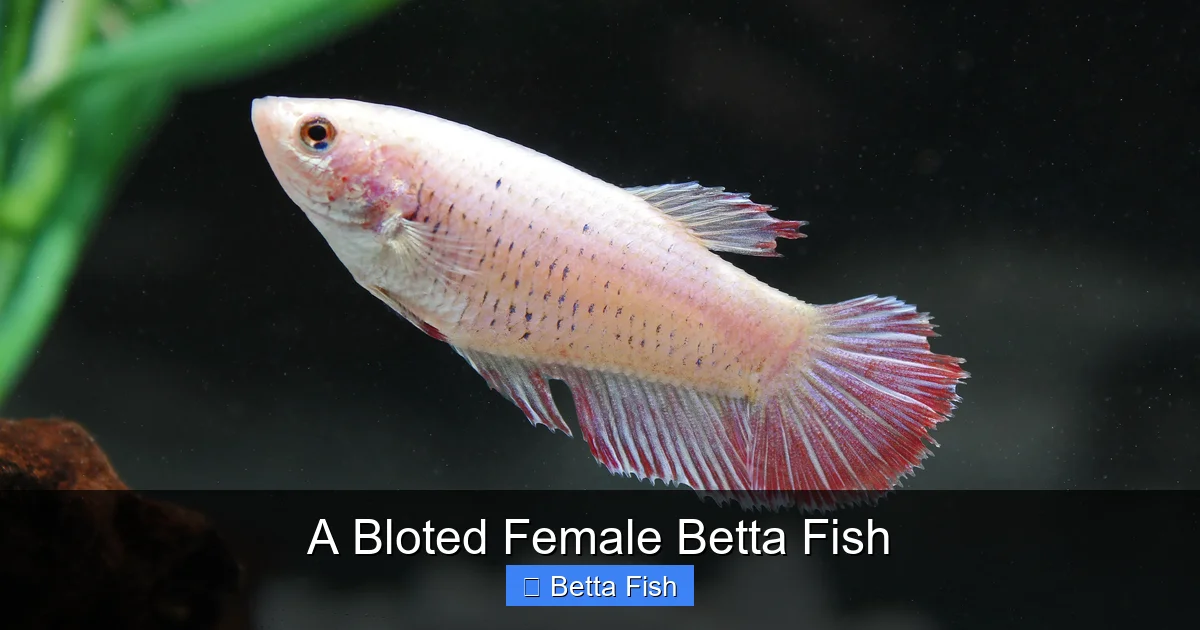
Visual guide about A Bloted Female Betta Fish
Image source: naturalenvironmentaquatix.com
How to Tell a Female from a Male
Before you focus on the blot, be sure you have a female. Female bettas typically have shorter, more rounded fins and a more slender body shape. They also have two visible ovipositor openings near the vent, whereas males have a single, more pronounced “beard” (the opercular flap). For a quick visual guide, see our article on How To Tell A Female Betta Fish From A Male.
Spotting the Blot in a Store
When you’re shopping, look for these clues:
- Contrast: The blot should be noticeably darker or brighter than the surrounding scales.
- Shape: Natural blotches are irregular; a perfectly round spot may indicate a dye or artificial enhancement.
- Health: The fish’s eyes should be clear and its fins intact. A faded blot can signal stress or poor water.
Remember, the blot can change slightly as the fish ages, often becoming lighter during breeding cycles.
2. Setting Up the Perfect Home
Tank Size and Shape
A bloted female betta fish does not need a massive aquarium, but she does deserve space to swim and show off her colors. A minimum of 5 gallons (19 liters) is recommended. This size allows for stable water parameters and enough room for live plants, which help hide the blot’s edges and reduce stress.

Visual guide about A Bloted Female Betta Fish
Image source: tropicflow.com
Water Parameters: Temperature, pH, and Hardness
Betta fish are tropical, preferring water that stays between 78°F and 80°F (25.5°C‑26.5°C). Use a reliable aquarium heater and a thermometer to keep the temperature steady. The ideal pH range is 6.5‑7.5, and a moderate hardness (50‑150 ppm) works well. For more details on temperature, check out What Temperature Should Water Be For A Betta Fish.
Filtration and Flow
Even though bettas can survive in low‑flow environments, a gentle filter is essential for water quality. Choose a sponge filter or a low‑flow hang‑on‑back model. The flow should be weak enough that the bloted female can hover without being pushed constantly.
Substrate, Plants, and Hiding Spots
Fine sand or smooth gravel works well and won’t damage the delicate blot. Live plants such as Java fern, Anubias, and Marimo moss not only look beautiful but also provide hiding places. A bloted female often likes to rest near foliage, which reduces the chance of the blot fading from direct light exposure.
Lighting
Provide a 10‑hour light cycle with a dimmable LED. Too much bright light can cause the blot’s colors to bleach. A gentle photoperiod mimics natural conditions and encourages healthy growth.
3. Feeding Your Bloted Female Betta Fish
What to Feed
High‑quality betta pellets should form the staple of the diet. Look for pellets that list real protein (like fish meal) as the first ingredient. Supplement with frozen or live foods 2‑3 times a week—brine shrimp, daphnia, or bloodworms are excellent choices.
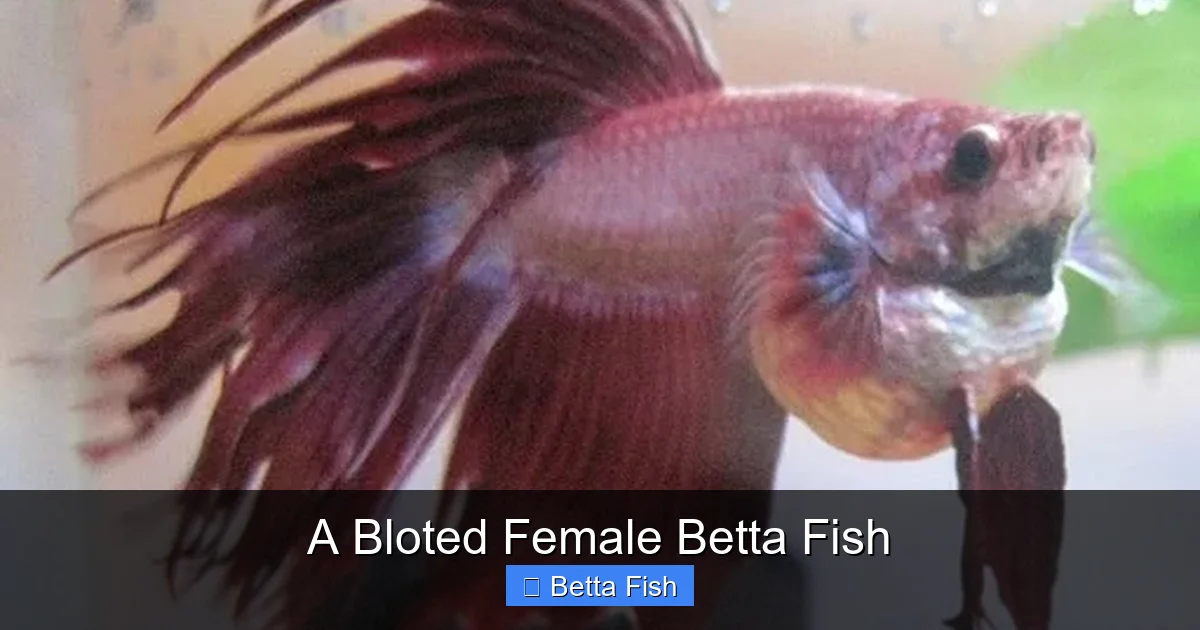
Visual guide about A Bloted Female Betta Fish
Image source: nippyfish.net
Feeding Frequency and Portion Size
Offer small amounts 2‑3 times daily. A bloted female will typically eat 2‑3 pellets per feeding. Overfeeding leads to cloudy water, which can dull the blot’s vibrancy.
Tips to Keep the Blot Bright
- Rotate live foods to provide variety and prevent nutritional gaps.
- Remove uneaten food after 5 minutes to keep water clean.
- Consider a vitamin supplement once a month to boost color intensity.
4. Health and Wellness: Keeping the Blot Vibrant
Common Health Issues and Their Effect on the Blot
Because the blot is a concentration of pigment cells, any stress that affects the fish’s skin will be most visible there. Watch for:
- Fungal infections: White, cotton‑like growth can cover the blot, making it look pale.
- Fin rot: Edges of the blot may become ragged or torn.
- Water quality spikes: Ammonia or nitrite spikes can cause the blot to fade quickly.
Routine Health Checks
Perform a quick visual check each day. Look at the blot’s edges—are they crisp or frayed? Are the colors still vivid? Also, observe swimming behavior; a bloted female that darts erratically may be stressed.
When to Seek Professional Help
If the blot fades dramatically within a few days, or if you notice loss of appetite, lethargy, or swollen abdomen, quarantine the fish and consult a veterinarian who specializes in fish.
5. Social Dynamics: Can a Bloted Female Live With Others?
Female‑Only Community Tanks
Female bettas can coexist peacefully when given enough space—generally a 10‑gallon tank for two or three females. Provide plenty of plants and visual barriers. For a deeper dive into female‑only setups, read Can You Keep Female Betta Fish Together.
Mixed‑Gender Tanks
While a bloted female can be housed with a male, the male’s aggressive courting can stress her and cause the blot to fade. If you decide to try a mixed tank, keep the male’s fins trimmed and monitor behavior closely.
Tank Mates Beyond Betta
Peaceful community fish such as small rasboras, neon tetras, or dwarf gouramis can share a tank with a bloted female, provided the tank is large enough and has plenty of hiding spots. Avoid fin‑nippers like guppies or larger cichlids.
6. Breeding a Bloted Female Betta Fish
Does the Blot Affect Breeding?
No. The blot is purely a pigment pattern and does not influence fertility. However, some male bettas are attracted to solid, bright colors and may show less interest in a bloted female. Patience and proper conditioning are key.
Conditioning the Female
Two weeks before breeding, feed the bloted female a high‑protein diet (brine shrimp, daphnia) and raise the water temperature to 80°F. This mimics the rainy season and stimulates egg production.
Spawning Process
Place a spawning mop in a separate breeding tank. When the female is ready, she will lay eggs on the mop, and the male will fertilize them. After spawning, remove the male to prevent him from eating the eggs.
Eggs hatch in 24‑36 hours, and the fry become free‑swimming after 3‑4 days. The blot pattern is usually not visible on fry; it emerges as they mature.
Conclusion: Embracing the Beauty of Your Bloted Female Betta Fish
A bloted female betta fish is more than just a pretty face; she’s a living work of art that thrives when you give her a stable, clean environment, a balanced diet, and attentive care. By recognizing the unique needs of her blot, maintaining optimal water conditions, and understanding her social preferences, you’ll enjoy a vibrant, healthy companion for years to come. Whether you keep her alone, with other females, or in a carefully curated community, the key is to watch the blot closely—its health is a window into her overall well‑being.
Now that you’re equipped with the knowledge to care for a bloted female betta, go ahead and create a stunning underwater stage where her colors can truly shine. Happy fish‑keeping!
Frequently Asked Questions
What makes a bloted female betta fish different from a regular female?
A bloted female betta has a distinct, irregular patch of color that contrasts with the rest of her body, while a regular female usually has a more uniform, pastel coloration.
Can I keep a bloted female betta with other fish?
Yes, she can live with peaceful community fish in a sufficiently large tank, but avoid aggressive or fin‑nipping species.
How often should I feed my bloted female betta?
Feed small amounts 2‑3 times a day, offering high‑quality pellets and occasional live or frozen foods.
Will the blot fade over time?
The blot can fade if water quality is poor or if the fish is stressed. Maintaining stable parameters and a clean tank helps keep the colors vibrant.
Is a bloted female betta good for a beginner?
Yes, the bloted female has the same care requirements as any betta, making her a suitable choice for beginners who follow basic betta‑keeping guidelines.
Where can I buy a healthy bloted female betta fish?
Look for reputable local fish stores or online breeders that specialize in bettas and ask to see the fish in a well‑maintained tank before purchasing.