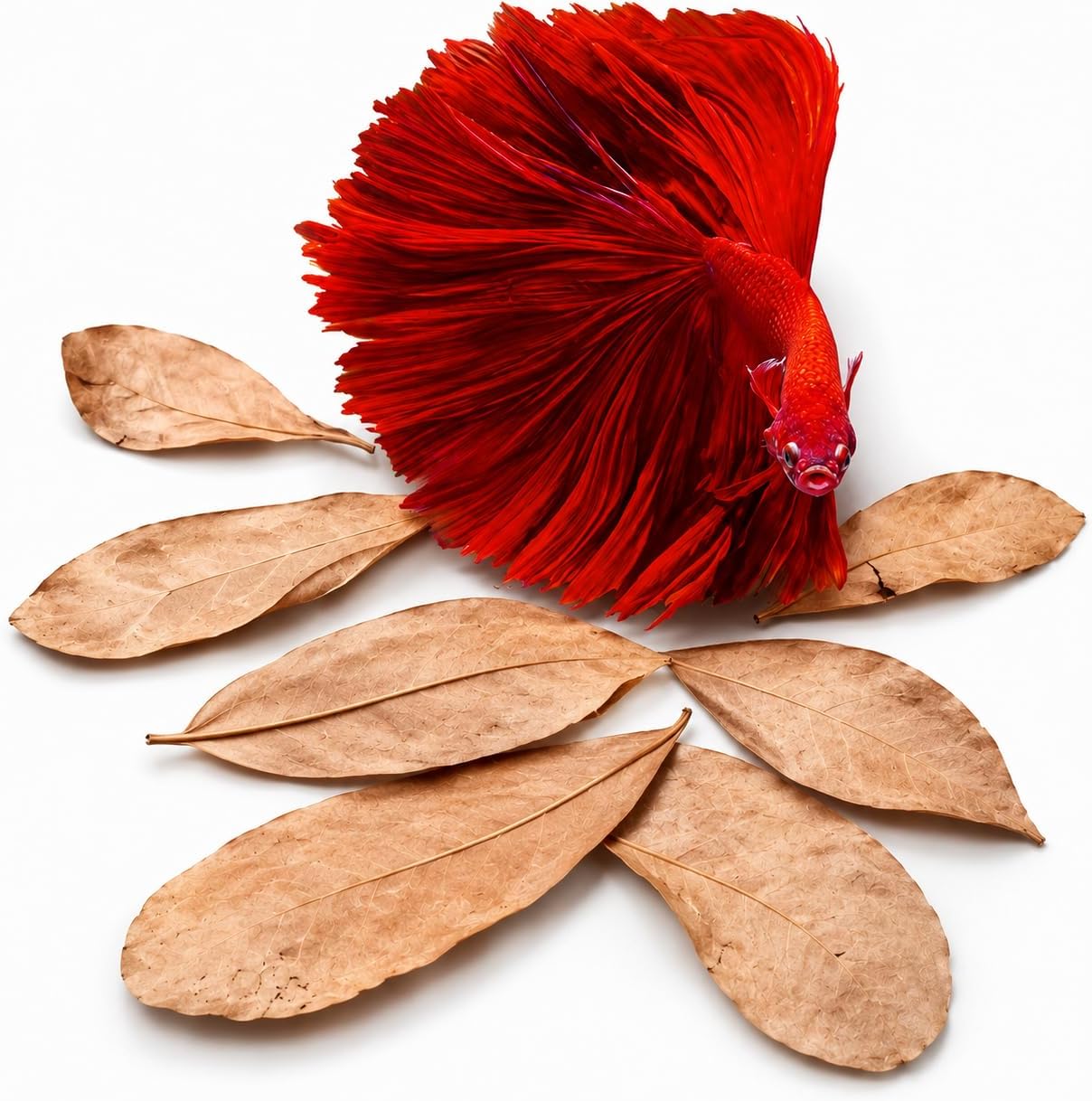
Betta fish pacing isn’t just random swimming; it often signals stress, health issues, or environmental problems. By checking water quality, tank setup, and your fish’s behavior, you can quickly pinpoint the cause and restore peace to your aquarium. Follow these simple steps and watch your betta swim confidently again.
Key Takeaways
- Stress triggers pacing: Poor water conditions, improper temperature, and tank size are the top culprits.
- Health issues matter: Parasites, fin rot, and swim bladder problems can make a betta pace repeatedly.
- Enrichment helps: Adding plants, hides, and toys reduces boredom‑induced pacing.
- Regular testing is essential: Keep ammonia, nitrite, and nitrate at safe levels to prevent stress.
- Observe other signs: Look for clamped fins, loss of color, or abnormal breathing to diagnose problems faster.
- Quick fixes work: Simple steps like a water change, temperature adjustment, or tank rearrangement often stop the pacing.
- Know when to seek help: Persistent pacing with other symptoms may require a vet or experienced aquarist.
📑 Table of Contents
Introduction: The Mystery of the Pacing Betta
If you’ve ever watched your betta fish glide back and forth along the glass like a tiny submarine, you’ve probably wondered, “why is my betta fish pacing back and forth?” It can be unsettling, especially when the beautiful colors that usually make bettas so captivating seem dulled by repetitive swimming.
In this guide we’ll break down the most common reasons behind this behavior, show you how to spot warning signs, and give you practical, step‑by‑step solutions. Think of it as a friendly chat over a cup of tea—no jargon, just clear advice you can act on today.
1. Stress From the Environment
Betta fish are sensitive creatures. Even small changes in their surroundings can cause them to pace. Below are the environmental stressors you should check first.
1.1 Water Quality Issues
Dirty water is the number one reason why bettas start pacing. High ammonia, nitrite, or nitrate levels irritate their gills and make them feel unsafe.
- Ammonia: Even 0.25 ppm can cause rapid breathing and pacing.
- Nitrite: Levels above 0.5 ppm turn the blood brown, leading to sluggish movement.
- Nitrate: Above 20 ppm, bettas become stressed and may swim in circles.
Perform a water test weekly. If any parameter is out of range, do a partial water change of 25‑30 % with conditioned water.
1.2 Temperature Fluctuations
Betta fish thrive at 76‑82 °F (24‑28 °C). A drop below 75 °F or a spike above 84 °F can make them restless. Use a reliable aquarium heater and a thermometer to keep the temperature stable.
1.3 Tank Size and Layout
Although bettas can survive in 2‑gallon tanks, a 5‑gallon minimum provides enough space to explore without feeling trapped. A cramped tank often leads to pacing as the fish searches for a “safer” spot.
Arrange décor to create clear swimming lanes. Plants, caves, and driftwood give your betta places to hide and reduce the urge to patrol the entire tank.
1.4 Lighting and Day‑Night Cycle
Betas need a consistent light schedule—about 10‑12 hours of light followed by darkness. Sudden bright lights or constant illumination can stress them, causing repetitive swimming.
2. Health Concerns That Trigger Pacing
When the environment looks good but the pacing continues, it’s time to look inside the fish.
2.1 Swim Bladder Disorder
The swim bladder helps bettas control depth. If it’s infected or compressed, the fish may dart up and down repeatedly, appearing as pacing.
Signs include:
- Floating upside down or sinking
- Difficulty staying at a steady depth
- Loss of appetite
To help, fast the fish for 24 hours, then offer a pea (blanched and skinned) to aid digestion. If the problem persists, consider a vet visit.
2.2 Parasites and External Infections
Ich, velvet, or fungal infections irritate the skin, making the fish constantly move to soothe the itch. Look for white spots, cotton‑like growths, or frayed fins.
Treat with appropriate medication (e.g., copper‑based treatments for ich) and raise the temperature slightly (to 82 °F) to speed up the life cycle of the parasite.
2.3 Fin Rot and Tissue Damage
Bacterial infections cause fin rot, leading to ragged fins that flutter as the fish swims. This can look like pacing because the fish tries to keep the damaged area from rubbing on the glass.
Trim any dead fin tissue with sterilized scissors and treat with an antibacterial medication like Maracyn.
2.4 Internal Illnesses
Internal bacterial or viral infections often present with lethargy, loss of color, and constant swimming. If you notice your betta’s eyes bulging or cloudy, see Why Are My Betta Fish’s Eyes Bulging for more clues.
3. Boredom and Lack of Stimulation
Betta fish are intelligent and love to explore. A plain tank can quickly become monotonous, prompting the fish to pace as a form of self‑entertainment.
3.1 Adding Plants and Hides
Live plants like Java fern or Anubias not only improve water quality but also give your betta places to rest. If live plants aren’t an option, use silk plants or artificial ones that won’t tear fins.
3.2 Interactive Toys
Small floating toys, mirrors (used sparingly), or a gentle current from a low‑flow filter can stimulate natural hunting instincts.
3.3 Changing the View
Rearrange décor every few weeks. A new perspective can reignite curiosity and reduce the urge to swim back and forth.
4. Common Misunderstandings: When Pacing Is Normal
Not every case of back‑and‑forth swimming signals a problem. Sometimes, it’s simply a betta’s way of “checking the perimeter.” Here’s what’s normal.
4.1 Territory Patrol
Male bettas are territorial. In the wild they patrol their domain to keep rivals away. A short, occasional lap around the tank is natural.
4.2 Feeding Anticipation
When you’re about to feed, many bettas will swim to the surface and pace as they wait for food. This is a sign of excitement, not distress.
4.3 Breeding Behavior
During spawning, males build bubble nests and may pace near the surface. If you notice a bubble nest forming, see Why Did My Betta Fish Make A Bubble Nest for details.
5. Step‑by‑Step Checklist to Stop Pacing
Use this quick reference whenever you notice your betta pacing.
5.1 Test the Water
- Check ammonia, nitrite, nitrate, and pH.
- Perform a 25‑30 % water change if any reading is off.
- Ensure the temperature is within 76‑82 °F.
5.2 Inspect the Tank Setup
- Confirm the tank is at least 5 gallons.
- Add live or silk plants, a cave, and a driftwood piece.
- Set a consistent 12‑hour light cycle.
5.3 Observe for Health Signs
- Look for white spots, frayed fins, or cloudy eyes.
- Check if the fish is eating normally.
- Note any abnormal breathing or floating behavior—see Why Is My Betta Fish Floating Sideways for related symptoms.
5.4 Provide Enrichment
- Introduce a small floating toy or a mirror for 5‑10 minutes a day.
- Rotate décor weekly.
- Consider a low‑flow sponge filter for gentle water movement.
5.5 Monitor and Adjust
After making changes, watch your betta for 48‑72 hours. If pacing stops, you’ve likely solved the issue. If it continues, revisit the checklist or consult a specialist.
Conclusion: Keep Your Betta Happy and Healthy
Understanding why is my betta fish pacing back and forth boils down to three core ideas: environment, health, and stimulation. By maintaining clean water, providing a comfortable tank, and keeping your fish mentally engaged, you’ll see far fewer restless swims.
Remember, a happy betta is a thriving betta. Regular checks, quick fixes, and a bit of creativity will turn that frantic pacing into graceful gliding. If you ever feel stuck, don’t hesitate to reach out to experienced hobbyists or a qualified aquatic veterinarian.
Frequently Asked Questions
Why is my betta fish pacing only at the top of the tank?
This often indicates a desire for oxygen or a sign of temperature stress. Check the water temperature and ensure the surface isn’t covered with a thick film.
Can overfeeding cause my betta to pace?
Yes. Excess food can pollute the water quickly, raising ammonia levels and stressing the fish. Feed small portions once or twice daily.
My betta paces after I change the water. Is this normal?
Briefly, yes. The new water can feel different, and the fish may swim to re‑orient itself. If pacing continues for more than a few hours, re‑test the parameters.
Should I use a mirror to stop my betta’s pacing?
Mirrors can provide short‑term stimulation, but overuse may increase aggression. Use a mirror for only a few minutes a day if at all.
Is pacing a sign that my betta is about to get sick?
Pacing can be an early warning sign. Combine it with other symptoms like loss of color or appetite to decide if a treatment is needed.
When should I consider taking my betta to a vet?
If pacing persists despite clean water, proper temperature, and enrichment, and you notice additional signs such as clamped fins, bloated abdomen, or rapid breathing, seek professional help.