Why Betta Fish Won’t Eat
Betta fish may stop eating for many reasons, from water quality to stress and illness. Identify the cause quickly, adjust their environment, and offer the right foods to get your betta back to a healthy appetite.
Key Takeaways
- Water quality matters: Poor parameters are the top reason bettas refuse food.
- Stress triggers loss of appetite: Over‑crowding, wrong tank mates, and aggressive handling can shut down eating.
- Illness shows up as not eating: Look for signs like faded colors, ragged fins, or bloating.
- Food type and temperature are crucial: Cold, stale, or inappropriate foods are often rejected.
- Gradual changes work best: Sudden shifts in diet or environment can scare a betta away from its meal.
- Regular monitoring prevents problems: Keep a log of water tests, feeding times, and behavior.
- Seek professional help when needed: Persistent loss of appetite may require a vet or experienced hobbyist.
📑 Table of Contents
- Introduction: When Your Betta Stops Eating
- 1. Water Quality – The Silent Appetite Killer
- 2. Stress – The Hidden Reason Betta Fish Won’t Eat
- 3. Illness and Disease – When Not Eating Signals Trouble
- 4. Food Issues – Type, Temperature, and Presentation
- 5. Feeding Routine – Consistency Is Key
- 6. Environmental Enrichment – Making Mealtime Fun
- Practical Steps to Get Your Betta Eating Again
- Conclusion: Patience, Observation, and Care
Introduction: When Your Betta Stops Eating
Imagine you’ve just set up a beautiful, 5‑gallon tank for your new betta. The colors are dazzling, the water looks crystal clear, and you’re ready to feed your little warrior his favorite pellet. But after a day or two, the betta swims by the food and ignores it completely. You start to worry: why betta fish won’t eat is a question that can keep any hobbyist up at night.
Don’t panic. In most cases, the answer is simple and fixable. This guide walks you through the most common reasons your betta may refuse food, how to spot hidden health problems, and practical steps to restore a healthy appetite. By the end, you’ll feel confident that you can troubleshoot any feeding issue and keep your betta thriving.
1. Water Quality – The Silent Appetite Killer
Why clean water is non‑negotiable
Betta fish are incredibly sensitive to their environment. Even a slight rise in ammonia or nitrite can cause stress, leading to a loss of appetite. If the water feels “off” to you, your betta will definitely notice.
Key parameters to check
- Ammonia (NH₃): Should always be 0 ppm.
- Nitrite (NO₂⁻): Also 0 ppm.
- Nitrate (NO₃⁻): Keep below 20 ppm for a betta.
- pH: Ideal range 6.5‑7.5.
- Temperature: 76‑82 °F (24‑28 °C) is perfect.
Use a reliable test kit and change 25‑30 % of the water weekly if any values drift out of range. A clean tank not only prevents disease but also encourages your betta to eat.
2. Stress – The Hidden Reason Betta Fish Won’t Eat
Common stressors in a betta’s world
Stress is a major factor behind a sudden refusal to eat. Here are the usual culprits:
- Improper tank mates: Even a peaceful snail can stress a betta if it’s constantly chased.
- Over‑crowding: Betta fish are territorial; a cramped space makes them anxious.
- Sudden changes: Moving the tank, switching lights, or altering décor can unsettle them.
- Handling: Rough nets or frequent tapping on the glass can cause fear.
For more on tank‑mate compatibility, read our article on why can’t betta fish be with other fish. Providing plenty of hiding spots, a stable environment, and minimal disturbances will help reduce stress and get your betta back to feeding.
3. Illness and Disease – When Not Eating Signals Trouble
Spotting the early warning signs
When a betta won’t eat, it’s often trying to tell you something’s wrong. Look for these symptoms:
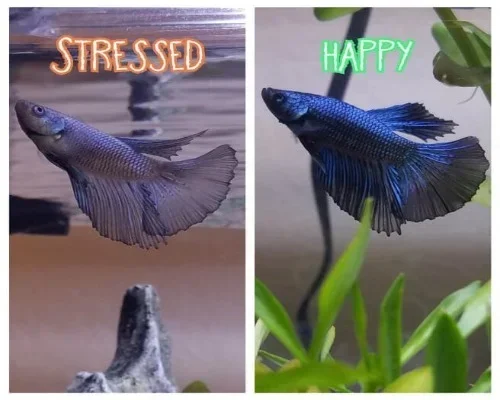
- Faded or patchy coloration – a sign of stress or infection.
- Ragged, torn, or missing fins – could indicate fin rot.
- Swollen abdomen or bloating – common with constipation or internal parasites.
- Rapid breathing or gasping at the surface – may point to gill disease.
If you notice any of these, consult a vet or an experienced aquarist right away. Our guide on why did my betta fish stop eating offers a deeper dive into disease‑related appetite loss.
4. Food Issues – Type, Temperature, and Presentation
Choosing the right diet
Betta fish are carnivores. They love protein‑rich foods like live or frozen brine shrimp, daphnia, and high‑quality betta pellets. If you’re offering only plant‑based flakes, the betta will turn its nose up.
Temperature matters
Cold food can be unappealing. Warm the pellets slightly (no more than body temperature) or offer live foods at room temperature. This mimics their natural hunting experience and stimulates feeding.
Freshness and storage
Stale or oxidized pellets lose flavor and nutritional value. Store dry foods in an airtight container and replace them every few weeks.
5. Feeding Routine – Consistency Is Key
How often should you feed?
Adult bettas do well with 2‑3 small meals per day. Over‑feeding can pollute the water, while under‑feeding leads to starvation stress. Aim for an amount that your betta can consume within 2‑3 minutes.
Creating a feeding schedule
Feed at the same times each day—morning and early evening. Consistency builds a routine, and a predictable schedule reduces anxiety.
6. Environmental Enrichment – Making Mealtime Fun
Use feeding tools
Floating feeding rings or small tweezers can present food in a way that encourages hunting behavior. This is especially helpful for picky eaters.
Change the scenery
Occasionally rearrange decorations (without causing stress) to give the betta new “hunting grounds.” A refreshed environment can reignite interest in food.
Practical Steps to Get Your Betta Eating Again
Step‑by‑step troubleshooting checklist
- Test water parameters. Adjust as needed; perform a partial water change if any values are off.
- Observe behavior. Look for signs of stress or illness (faded color, bloating, fin damage).
- Check food temperature and freshness. Warm pellets slightly, offer live or frozen foods.
- Reduce stressors. Ensure the tank is appropriately sized (minimum 5 gal), provide hiding spots, and avoid aggressive tank mates.
- Offer a variety. Try a mix of high‑quality pellets, frozen brine shrimp, and daphnia for a few days.
- Maintain a feeding schedule. Feed at the same times each day, in small portions.
- Monitor for improvement. If the betta eats within 24‑48 hours, continue the routine. If not, revisit each step or seek professional advice.
Conclusion: Patience, Observation, and Care
Understanding why betta fish won’t eat is a matter of looking at the whole picture—water quality, stress levels, health, and diet. By systematically checking each factor, you can quickly pinpoint the problem and take corrective action. Remember, bettas are resilient but they rely on us to provide a stable, clean, and enriching environment.
Keep a simple log of water tests, feeding times, and any changes you make. This habit not only helps solve current issues but also prevents future ones. With a little patience and the right care, your betta will be back to its vibrant self, eagerly snapping up every morsel you offer.
Frequently Asked Questions
Why is my betta not eating any food?
Most often it’s due to poor water quality, stress, or an illness. Test the water, check for signs of disease, and offer fresh, appropriately‑temperatured food.
Can bettas eat plant‑based foods?
Betta fish are strict carnivores. They need protein‑rich foods like pellets, brine shrimp, or daphnia. Plant‑based flakes will usually be rejected.
How long can a betta go without eating?
Healthy adult bettas can survive up to two weeks without food, but you should intervene much sooner to avoid stress and health decline.
Will changing the tank temperature help a betta that won’t eat?
Yes. Maintaining a stable temperature between 76‑82 °F encourages metabolism and appetite. Sudden drops can suppress feeding.
Is it normal for a betta to spit out food?
Spitting can indicate that the food is too large, too cold, or that the fish is stressed. Try smaller, warmer pieces or offer live food.
When should I take my betta to a vet?
If your betta refuses food for more than 48 hours and shows other symptoms like faded color, bloated abdomen, or ragged fins, seek professional help immediately.