Why Betta Fish Not Active
Betta fish can become sluggish for many reasons, from water quality to stressors. Identify the root cause, adjust the tank setup, and watch your finned friend regain its vibrant energy.
Key Takeaways
- Water quality matters: Poor parameters are the top reason a Betta becomes inactive.
- Temperature is critical: Betta thrive at 78‑80°F; anything lower will slow them down.
- Stress triggers lethargy: Over‑crowding, aggressive tank mates, or too much light can cause inactivity.
- Health issues show up as low activity: Parasites, fin rot, or swim bladder problems need prompt treatment.
- Proper diet fuels energy: Low‑quality or over‑feeding can make a Betta listless.
- Tank setup influences behavior: Hiding spots, plants, and correct lighting keep a Betta curious and active.
- Regular monitoring prevents problems: Weekly water tests and observation catch issues before they become serious.
📑 Table of Contents
Introduction
Betta fish, also called Siamese fighting fish, are famous for their bright colors and bold personalities. Most owners expect a tiny warrior that darts around, flares its fins, and greets you at the surface. When your Betta just hangs at the bottom or floats lazily, it can feel like something is seriously wrong.
Don’t panic. A less‑active Betta is often a symptom, not a diagnosis. By checking a few key factors—water, temperature, diet, stress, and health—you can quickly pinpoint the problem and bring back the sparkle. This guide walks you through every common cause, offers practical tips, and gives you confidence to keep your Betta thriving.
1. Water Quality: The Foundation of Activity
Betta fish are especially sensitive to water conditions. Even a slight imbalance can make them sluggish.
1.1. Ammonia, Nitrite, and Nitrate
Ammonia (NH₃) and nitrite (NO₂⁻) are toxic even at low levels. A new tank that isn’t fully cycled often spikes these compounds, causing fish to hide and breathe heavily. Test the water with a reliable kit every week for the first month.
1.2. pH and Hardness
Betta prefer a pH between 6.5 and 7.5. Sudden swings can stress them, leading to reduced movement. Use a pH buffer if needed, but avoid drastic adjustments—change the water slowly over several hours.
1.3. Cleaning Routine
Partial water changes (20‑30% weekly) keep waste low without shocking the fish. When you change water, match the temperature and treat tap water with a dechlorinator.
For a deeper dive on why a Betta might not move at all, see our article Why Betta Fish Not Moving.
2. Temperature: The Metabolic Engine
Betta are tropical fish. Their metabolism speeds up with warmth and slows down when it’s cold.
2.1. Ideal Range
Maintain 78‑80°F (25.5‑26.5°C). Below 74°F, activity drops, appetite wanes, and the immune system weakens.
2.2. Heater Selection and Placement
Choose a submersible heater with an adjustable thermostat. Place it near the water flow to avoid hot spots. Use a thermometer to double‑check the reading at different tank spots.
2.3. Seasonal Fluctuations
In colder months, room temperature can cause the tank water to dip at night. Insulate the tank or use a heater with a built‑in thermostat that runs 24/7.
3. Stress Factors: When the Environment Gets Too Much
Stress is a silent activity killer. Even if the water is perfect, a stressed Betta will lounge at the bottom.
3.1. Tank Size and Shape
Although Betta can survive in small bowls, a 5‑gal (19‑L) tank with a wide surface area is best for activity. A cramped space limits swimming room and can cause territorial anxiety.
3.2. Incompatible Tank Mates
Betta are aggressive by nature. Fast‑moving or fin‑nipping species (like guppies or tetras) can provoke fights, causing the Betta to hide. If you must share, choose calm, non‑fin‑nipping fish and provide plenty of visual barriers.
3.3. Light and Noise
Bright, direct lighting for long periods can stress Betta. Use a 10‑hour light cycle with a dimming timer. Loud vibrations (e.g., from a nearby TV) can also make them uneasy.
3.4. Lack of Hiding Places
Plants, both live and silk, give Betta places to explore and rest. Without them, the fish feels exposed and may become lethargic. Add a few floating leaves or a small cave to encourage natural behavior.
4. Health Issues That Manifest as Lethargy
When water and stress are ruled out, look to the fish’s body for clues.
4.1. Parasites and Infections
Ich, velvet, or internal parasites can cause fatigue. Look for white spots, frayed fins, or a cloudy body. Treatment usually involves a copper‑based medication or herbal dip.
4.2. Fin Rot and Skin Ulcers
Fin rot appears as ragged, discolored edges. It often follows poor water quality. Treat with antibacterial medication and improve tank conditions.
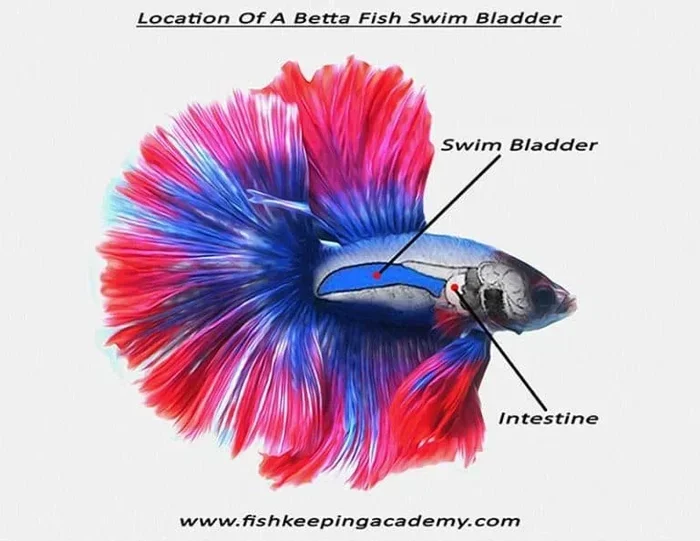
4.3. Swim Bladder Disorder
A floaty or bottom‑lying Betta might have a swim bladder issue. Over‑feeding, especially with dry pellets, can cause constipation and affect buoyancy. Offer a pea (blanched and shelled) to help clear the gut.
4.4. Internal Organ Problems
Yellow‑ish belly, loss of appetite, and sluggishness together may signal liver or kidney disease. Consult a veterinarian experienced with fish for proper diagnosis.
4.5. When Lethargy Links to Appetite
If your Betta isn’t moving and also isn’t eating, the problem is likely health‑related. Read more about feeding issues in Why Betta Fish Not Eating Food.
5. Nutrition: Fuel for an Active Betta
Even the healthiest tank can’t compensate for a poor diet.
5.1. Quality Over Quantity
Choose high‑protein pellets or frozen foods (bloodworms, daphnia). Avoid cheap fillers that lack essential amino acids.
5.2. Feeding Schedule
Two small meals per day are ideal. Over‑feeding leads to water fouling and digestive issues, both of which reduce activity.
5.3. Variety Keeps Interest
Rotate between pellets, frozen, and occasional live foods. A varied diet mimics wild feeding and stimulates natural foraging behavior.
5.4. Supplements
Vitamin C drops can boost immune response, especially during temperature changes. Use as directed; excess can cause water cloudiness.
6. Routine Monitoring and When to Seek Help
Prevention beats cure. A quick daily check can catch problems early.
6.1. Daily Observations
- Is the Betta swimming normally?
- Are the fins intact and vibrant?
- Does it respond to feeding?
6.2. Weekly Tests
Test ammonia, nitrite, nitrate, pH, and temperature. Record results in a notebook or app.
6.3. When to Call a Professional
If the fish remains limp after correcting water, temperature, and diet, or shows signs of severe disease (bleeding, black spots, severe fin loss), seek advice from a fish‑savvy veterinarian or a reputable aquarium store.
Conclusion
A Betta that isn’t active is usually sending a clear message: something in its environment or health needs attention. By systematically checking water quality, temperature, stressors, diet, and health, you can diagnose the issue and restore vigor. Remember, a thriving Betta is a happy Betta—give it clean water, a stable temperature, a stress‑free tank, and nutritious food, and you’ll be rewarded with endless flares, bubbles, and playful swims.
Frequently Asked Questions
Why is my Betta staying at the bottom of the tank?
Bottom‑dwelling often signals poor water quality, low temperature, or a health problem like swim bladder disorder. Check your parameters and temperature first.
Can lighting affect Betta activity?
Yes. Constant bright light can stress Betta, while too little light reduces their natural swimming cycles. Aim for a 10‑hour light period with a gentle dimming timer.
How often should I change the water for a Betta?
A 20‑30% water change each week keeps ammonia and nitrate low without shocking the fish. Use dechlorinated water that matches the tank temperature.
What temperature should I keep my Betta tank at?
Maintain 78‑80°F (25.5‑26.5°C). Below 74°F activity drops, and the immune system weakens.
My Betta isn’t moving and also won’t eat. What should I do?
Stop feeding for 24 hours, then offer a peeled pea to clear the gut. If there’s no improvement, test water parameters and consider a parasite treatment.
Is it normal for Betta to hide sometimes?
Yes, Betta may hide to rest or feel secure, especially after a new tank setup. However, prolonged hiding combined with other signs (loss of color, not eating) warrants a closer look.