Which Fishes Can Be Kept with Betta Fish

Betta fish can share a tank, but only with the right companions. Choose peaceful, non‑fin‑nipping species, maintain good water conditions, and provide plenty of hiding spots. This guide shows you exactly which fishes can be kept with betta fish and how to set up a harmonious community.
Key Takeaways
- Temperament matters: Only calm, non‑aggressive fish should be paired with bettas.
- Size compatibility: Tank mates should be similar in size or larger to avoid being seen as food.
- Water parameters: Keep temperature, pH, and hardness within the betta’s preferred range (76‑82 °F, pH 6.5‑7.5).
- Tank size: A minimum of 10 gallons is recommended for a betta plus one or two small community fish.
- Provide cover: Plants, caves, and driftwood give shy fish places to hide and reduce stress.
- Monitor behavior: Watch for fin nipping or excessive stress during the first weeks.
- Good candidates: Small live‑bearers, peaceful rasboras, certain shrimp and snails are proven companions.
📑 Table of Contents
- Introduction: The Social Side of Betta Fish
- 1. The Betta’s Personality and Its Impact on Tank Mates
- 2. Essential Tank Conditions for a Mixed Community
- 3. Top Fish Species That Get Along With Betta Fish
- 4. Step‑by‑Step Guide to Introducing Tank Mates
- 5. Real‑World Examples: Successful Community Setups
- 6. Frequently Overlooked Factors
- Conclusion: Creating a Peaceful Betta Community
Introduction: The Social Side of Betta Fish
Betta fish, often called Siamese fighting fish, have a reputation for being solitary warriors. That image comes from male bettas that will flare and fight if they see another male of the same species. However, the reality is more nuanced. In a well‑set‑up community tank, a betta can coexist peacefully with a variety of other creatures.
Understanding which fishes can be kept with betta fish starts with two basic questions: “What does my betta need to feel safe?” and “Which tank mates won’t trigger its aggression?” This article walks you through the science, the practical steps, and the best companion species, so you can enjoy a vibrant, lively aquarium without constant drama.
1. The Betta’s Personality and Its Impact on Tank Mates
1.1. Male vs. Female Betta Temperaments
Male bettas are usually more territorial than females. A male may defend a small area of the tank, especially if it contains a floating leaf or a plant that resembles a rival’s surface. Female bettas are generally more tolerant, but they can still become stressed if they feel crowded.
Visual guide about Which Fishes Can Be Kept with Betta Fish
Image source: pub.mdpi-res.com
1.2. The Role of the Betta’s History
Betas that have been raised alone for months may be more defensive than those that have been gradually introduced to other fish. If you’re buying a betta from a pet store, ask the staff about its previous tank setup. A betta accustomed to a community setting will usually adapt faster.
2. Essential Tank Conditions for a Mixed Community
2.1. Size and Shape of the Aquarium
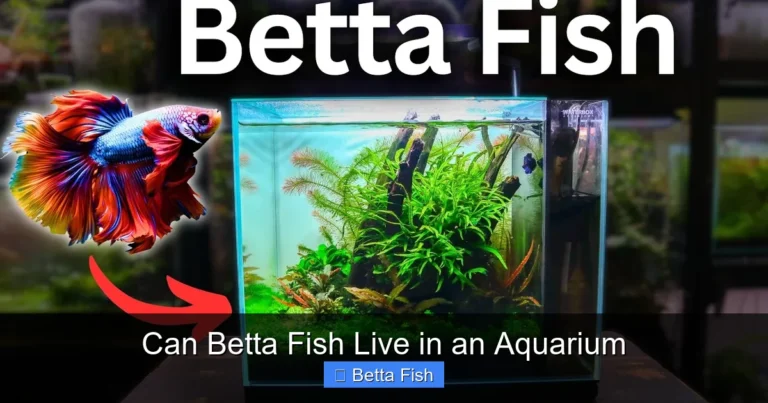
While a 5‑gallon “betta bowl” can house a single betta, it is far too small for any additional fish. Aim for at least a 10‑gallon long tank. The extra length gives the betta a defined “personal space” and gives tank mates room to swim away.

Visual guide about Which Fishes Can Be Kept with Betta Fish
Image source: nurie-park.com
2.2. Water Parameters
Betta fish thrive in water that mimics their native warm, slightly acidic habitats. Keep the temperature between 76 °F and 82 °F, pH between 6.5 and 7.5, and a gentle water flow. A heater with an accurate thermostat and a reliable filter are must‑haves.
2.3. Hiding Places and Visual Barriers
Plants (live or silk), driftwood, and ceramic caves break up sight lines. They help both the betta and its companions feel secure. When a betta can’t see the entire tank at once, it’s less likely to mistake a peaceful fish for an intruder.
3. Top Fish Species That Get Along With Betta Fish
Below is a curated list of fish that have proven to be compatible with bettas. Each entry includes key traits, ideal tank size, and tips for successful introduction.

Visual guide about Which Fishes Can Be Kept with Betta Fish
Image source: i.pinimg.com
3.1. Neon Tetras (Paracheirodon innesi)
- Size: 1.5 inches
- Temperament: Peaceful schooler
- Why they work: Their tiny size and fast swimming keep them out of the betta’s reach, and the bright colors add visual interest.
Keep a group of at least six neon tetras to reduce stress. Provide plenty of fine‑leafed plants like Java fern for cover.
3.2. Harlequin Rasboras (Trigonostigma heteromacula)
- Size: 1.5‑2 inches
- Temperament: Calm, schooling
- Why they work: Their slightly larger size compared to tetras makes them less likely to be seen as snack, and their silvery bodies reflect light without provoking the betta.
Harlequin rasboras thrive in groups of five or more. A planted tank with floating leaves gives them a sense of security.
3.3. Corydoras Catfish (Corydoras spp.)
- Size: 2‑3 inches
- Temperament: Bottom‑dwelling, gentle
- Why they work: They occupy the lower level of the tank, far from the betta’s surface territory.
Choose a small species such as the Pygmy Cory. Provide a sand substrate and hideouts like small pots.
3.4. Endler’s Livebearers (Poecilia wingei)
- Size: 1‑1.5 inches
- Temperament: Peaceful, active
- Why they work: Their bright spots and quick movements keep them out of the betta’s line of sight.
Keep a small school of 4‑6. They reproduce readily, so be prepared for fry if you have both male and female livebearers.
3.5. Ember Tetras (Hyphessobrycon amandae)
- Size: 0.8‑1 inch
- Temperament: Very peaceful
- Why they work: Their tiny size and orange hue complement the betta’s colors without triggering aggression.
Because they are so small, keep at least eight in a well‑planted tank.
3.6. Small Shrimp and Snails (Optional)
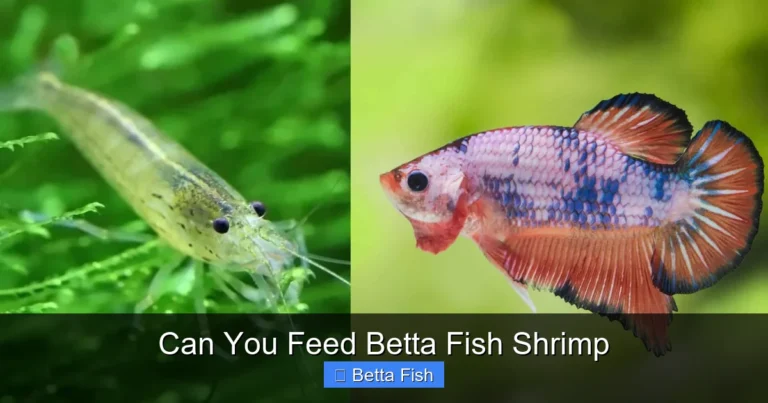
While not fish, freshwater shrimp (e.g., Cherry Shrimp) and snails (e.g., Nerite) are popular tank mates that help clean algae. Most bettas ignore them, but keep an eye on any fin‑nipping during the first week.
3.7. What to Avoid
Long‑finned guppies, fancy goldfish, and other bettas are common mistakes. Their flowing fins resemble a rival’s, prompting the betta to flare. For a deeper dive on why certain fish are unsuitable, read Why Can’t Betta Fish Be With Other Fish.
4. Step‑by‑Step Guide to Introducing Tank Mates
4.1. Quarantine First
All new fish should spend 2‑4 weeks in a separate quarantine tank. This prevents disease spread and lets you observe their behavior.
4.2. Acclimation Process
Float the sealed bag in the betta’s tank for 15‑20 minutes to equalize temperature. Then gradually add small amounts of tank water to the bag every 5 minutes. Finally, release the fish with a soft net.
4.3. The First 48 Hours
Keep lights dimmed and provide extra hiding spots. Observe the betta from a distance; any flaring or chasing means you may need to rearrange décor or consider a different species.
4.4. Ongoing Monitoring
Check daily for signs of stress: torn fins, faded color, or excessive hiding. Perform weekly water tests to maintain stable parameters.
5. Real‑World Examples: Successful Community Setups
5.1. Example 1 – 12‑Gallon Long Tank
- 1 male betta (6 inches)
- 6 neon tetras
- 4 dwarf corydoras
- 1 Nerite snail
- Planted with Anubias, Java moss, and a piece of driftwood
This setup provides three vertical layers: betta at the top, tetras in the mid‑water, and corydoras at the bottom. The betta remains calm, and the community fish display vibrant colors.
5.2. Example 2 – 20‑Gallon Bow‑Front
- 1 female betta (5 inches)
- 8 ember tetras
- 6 Endler’s livebearers
- 2 Cherry shrimp
- Planted with Vallisneria and floating Amazon frogbit
The female betta enjoys the extra space and the floating plants break up line‑of‑sight, reducing stress for all inhabitants.
6. Frequently Overlooked Factors
6.1. Lighting
Bright, direct lighting can stress a betta and make it more territorial. Use a moderate photoperiod (8‑10 hours) and consider a dimming option for evenings.
6.2. Feeding Strategies
Feed bettas high‑quality pellets or frozen foods once daily. Offer tiny foods (microworms, daphnia) to the community fish to prevent competition.
6.3. Seasonal Changes
During cooler months, the betta’s metabolism slows. Keep water temperature steady and reduce feeding to avoid excess waste.
Conclusion: Creating a Peaceful Betta Community
Choosing the right companions is the cornerstone of a successful mixed aquarium. By focusing on temperament, size, and water needs, you can keep a betta happy while enjoying the dynamic movement of other peaceful fish. Remember to start with a suitably sized tank, provide plenty of hiding places, and monitor behavior closely during the first weeks.
When you follow these guidelines, the answer to “which fishes can be kept with betta fish” becomes clear: small, non‑aggressive, and similarly tolerant species are the best bet. Happy fish‑keeping!
Frequently Asked Questions
Can betta fish live with guppies?
Generally no. Guppies have long, flowing fins that look like a rival betta’s, which often triggers aggression and fin‑nipping.
Are male bettas ever compatible with other fish?
Male bettas can be kept with very peaceful, fast‑moving fish like neon tetras if the tank is large enough and plenty of cover is provided.
What size tank is the minimum for a betta plus community fish?
A minimum of 10 gallons is recommended. Smaller tanks limit territory and increase stress for all inhabitants.
Can shrimp be kept with bettas?
Yes, many hobbyists keep cherry shrimp or ghost shrimp with bettas. Most bettas ignore them, but keep an eye out for occasional nipping.
Do bettas get along with other bettas?
Only under very specific conditions—same sex, plenty of space, and visual barriers. For details, see Can Betta Fish Be With Other Betta Fish.
How often should I test water parameters in a community tank?
Test weekly for temperature, pH, ammonia, nitrite, and nitrate. Regular testing helps catch problems before they stress the fish.