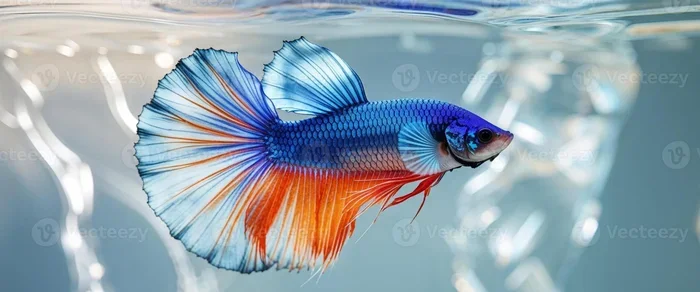
What’s the Water Temperature for a Betta Fish

Betta fish thrive in warm, stable water, typically between 76°F and 82°F (24°C‑28°C). Maintaining this range prevents stress, supports coloration, and promotes a long, happy life. Use a reliable heater, test regularly, and adjust gradually for optimal results.
Key Takeaways
- Ideal range: 76‑82°F (24‑28°C) is the sweet spot for most bettas.
- Stability matters: Fluctuations of more than 2°F can cause stress and disease.
- Heater selection: Choose a submersible heater with a built‑in thermostat for precise control.
- Testing routine: Check temperature daily with a calibrated aquarium thermometer.
- Seasonal adjustments: Slightly raise temperature in winter, lower in summer, but stay within the ideal range.
- Tank size impact: Larger volumes hold temperature better; a 5‑gal tank is a good starter.
- Link to care basics: Proper water temperature works hand‑in‑hand with clean water, proper diet, and suitable tank mates.
📑 Table of Contents
- Introduction: Why Temperature Is the Heartbeat of Betta Health
- 1. The Goldilocks Zone: Exact Temperature Range for Betta Fish
- 2. Choosing the Right Heater and Thermometer
- 3. Maintaining Stable Temperature: Daily Habits
- 4. How Temperature Interacts With Other Water Parameters
- 5. Common Temperature‑Related Problems and Solutions
- 6. Best Practices for Long‑Term Temperature Management
- Conclusion: Keep It Warm, Keep It Happy
Introduction: Why Temperature Is the Heartbeat of Betta Health
Imagine stepping into a chilly shower after a long day—your muscles tense, your skin tingles, and you just want to warm up. That’s exactly how a betta feels when its water gets too cold. These vivid, tropical fish come from the warm, slow‑moving streams of Southeast Asia, where water temperatures rarely dip below 75°F (24°C). In captivity, we become the ones who control that environment, and temperature is the most critical factor you’ll manage.
Getting the water temperature right isn’t just about keeping the fish looking pretty. It influences metabolism, immune response, coloration, and even breeding behavior. In the sections below, we’ll break down the science, share practical tips, and answer the most common questions—all while keeping the language friendly, like a chat over coffee with a fellow fish enthusiast.
1. The Goldilocks Zone: Exact Temperature Range for Betta Fish
What the experts say
Most reputable sources agree that bettas do best in water that sits between 76°F and 82°F (24°C‑28°C). This range mimics their natural habitat and allows their enzymatic processes to run smoothly. Below 74°F (23°C), you’ll notice slower swimming, faded colors, and a higher susceptibility to Ich and other parasites. Above 84°F (29°C), the fish’s metabolism speeds up so much that it can outpace its own ability to process food, leading to digestive issues and a weakened immune system.
Why the range matters
- Metabolism: Warm water speeds up digestion, but too warm can cause “over‑eating” and waste buildup.
- Immune function: Stable, moderate heat supports a robust immune response.
- Color vibrancy: Betta’s iridescent scales reflect light best at their ideal temperature.
Real‑world example
Jane, a first‑time betta owner, kept her fish in a 2‑gallon bowl on a windowsill. In winter, the water fell to 68°F (20°C). Within weeks, her betta’s fins drooped and the colors dulled. After moving the fish to a 5‑gallon tank with a submersible heater set to 78°F, the fish perked up, regained its bright blues, and started flaring again. Jane’s story illustrates how a few degrees can make a dramatic difference.
2. Choosing the Right Heater and Thermometer
Heater types
There are three main heater styles:
- Submersible heaters: Fully waterproof, sit at the bottom, and are the most common for betta tanks.
- Immersible heaters: Hang from the tank wall, good for larger setups.
- Inline heaters: Installed in the filtration line—overkill for a single betta but useful in larger community tanks.
For a typical 5‑gallon betta tank, a 2‑watt submersible heater with an adjustable thermostat is ideal. Look for models that have a “shatter‑proof” glass housing and a built‑in temperature probe.
Thermometer tips
Digital stick‑on strip thermometers are cheap but can be inaccurate. A floating glass thermometer or a digital probe thermometer calibrated weekly gives you confidence. Place the thermometer in a spot where water circulates but away from direct heater flow to avoid false readings.
Installation checklist
- Rinse the heater in dechlorinated water.
- Plug it in and set the dial to the middle of the ideal range (e.g., 79°F).
- Submerge it fully, ensuring the thermostat is not touching the tank glass.
- Allow 24‑48 hours for the heater to stabilize before adding the fish.
3. Maintaining Stable Temperature: Daily Habits
Monitor, don’t guess
Check the temperature at least once a day, preferably at the same time each day. Use a log sheet or a simple phone note to track trends. If you notice a steady drift, adjust the heater dial in 1°F increments and re‑test after a few hours.
Preventing temperature swings
- Cover the tank: A lid or hood reduces heat loss from evaporation.
- Avoid drafts: Keep the tank away from windows, doors, and air‑condition vents.
- Room temperature control: In very cold homes, a small space heater near the tank can help.
- Consistent lighting: Lights add a few degrees; turn them off at night to prevent overheating.
Seasonal adjustments
During winter, room temperatures may dip below 68°F (20°C). Raise the heater set point to 80°F (27°C) to compensate. In summer, if room temperature climbs above 80°F (27°C), you might lower the heater to 76°F (24°C) and increase ventilation. The goal is to keep the water within the 76‑82°F window, regardless of the season.
4. How Temperature Interacts With Other Water Parameters
pH and hardness
Temperature can affect pH; warmer water tends to be slightly more acidic. Keep an eye on pH if you notice temperature shifts. Aim for a pH between 6.5 and 7.5, which is comfortable for bettas.
Ammonia and nitrite spikes
Higher temperatures accelerate the nitrogen cycle, meaning beneficial bacteria work faster. However, they also increase the fish’s waste output. Perform weekly water tests and change 25‑30% of the water to keep ammonia and nitrite at zero.
Link to related care topics
For a deeper dive into water chemistry, see our guide on what water to use for betta fish and learn how to balance parameters for a thriving tank.
5. Common Temperature‑Related Problems and Solutions
Problem 1: Betta “shivers” in cold water
Symptoms include rapid gill movement, limp fins, and pale colors. Solution: Raise the heater by 2‑3°F, add a small insulated cover, and perform a partial water change with water at the correct temperature.
Problem 2: Overheating
Signs are gasping at the surface, lethargy, and loss of appetite. Turn down the heater, increase water flow with a gentle powerhead, and consider moving the tank to a cooler room.
Problem 3: Temperature fluctuations from power outages
Use a battery‑backed heater or a small aquarium heater with a “fail‑safe” that turns off rather than overheating. A simple aquarium blanket can retain heat for a few hours.
Quick troubleshooting chart
| Symptom | Likely Cause | Action |
|---|---|---|
| Faded colors | Water < 76°F | Increase heater setting |
| Rapid breathing | Water > 84°F | Lower heater, add ventilation |
| Frequent hiding | Temperature swings > 2°F | Stabilize heater, use tank cover |
6. Best Practices for Long‑Term Temperature Management
Invest in a quality heater
Cheap heaters often lack precise thermostats and can drift. Spending a little more on a reputable brand pays off in fish health.
Use a timer for lights
Set lights on a 10‑hour on/14‑hour off schedule. This not only mimics natural daylight but also prevents extra heat from continuous illumination.
Regular water changes with temperature‑matched water
When performing a 25% water change, pre‑heat the new water to match the tank temperature. Sudden temperature drops can stress the betta.
Plan for emergencies
Keep a spare heater on hand, and have a thermometer in a backup container. In case of heater failure, a temporary solution is a warm water bottle wrapped in a towel placed near the tank (monitor closely!).
Link to tank setup guide
Need help choosing the right size tank? Check out what’s the best tank for a betta fish for layout ideas that also help maintain temperature stability.
Conclusion: Keep It Warm, Keep It Happy
Getting the water temperature right is the single most important step you can take to ensure a healthy, colorful betta fish. Aim for the 76‑82°F sweet spot, use a reliable heater, monitor daily, and adjust slowly. Pair stable temperature with clean water, a balanced diet, and a proper tank size, and you’ll enjoy a thriving betta for years to come.
Remember, bettas are resilient, but they’re not indestructible. Your attention to temperature shows you care, and the fish will reward you with dazzling fins, active behavior, and a lifespan that can reach three to five years—or even longer with excellent care.
Frequently Asked Questions
What temperature should water be for a betta fish?
The ideal range is 76°F to 82°F (24°C‑28°C). Staying within this window keeps metabolism, coloration, and immune function optimal.
Can a betta survive in cooler water?
Betas can tolerate slightly cooler water (down to 72°F) for short periods, but long‑term exposure leads to stress, slower growth, and increased disease risk.
How often should I check the water temperature?
Check at least once daily. Use a reliable thermometer and keep a log to spot trends or sudden changes.
Do I need a heater for a betta in a small bowl?
Yes. Even small containers lose heat quickly. A small submersible heater (2‑watt) with a thermostat is essential for consistent temperature.
What’s the best way to raise the temperature if it drops?
Raise the heater setting by 1‑2°F, add a tank cover to reduce heat loss, and perform a partial water change with water pre‑heated to the target temperature.
Can I use a room thermostat instead of an aquarium heater?
Room thermostats control ambient temperature, not water temperature. A dedicated aquarium heater is necessary for precise, stable water heat.