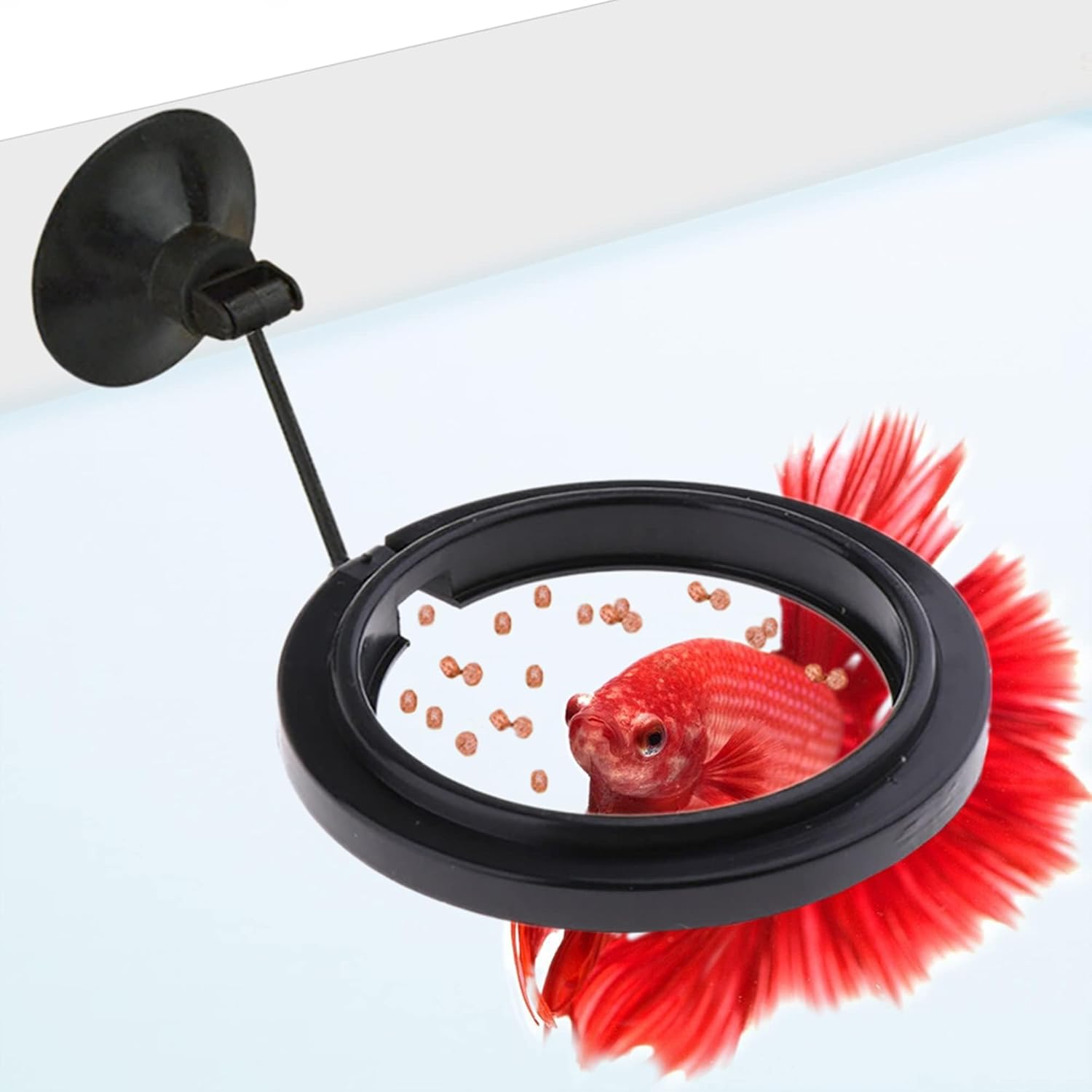
When a betta fish stops eating, it’s a clear sign something’s off in its environment or health. This guide walks you through common causes, quick fixes, and long‑term strategies to coax your betta back to the bowl. Follow the easy steps and watch your fish thrive again.
Key Takeaways
- Check water quality first: Poor parameters are the top reason bettas refuse food.
- Match food to preference: Bettas can be picky; offer a variety of high‑quality options.
- Observe behavior: Changes in swimming, color, or bubbles often hint at illness.
- Stress reduction is crucial: Over‑crowding, bright lights, and sudden changes can suppress appetite.
- Gradual re‑feeding works: Start with small, frequent meals and use enticing foods.
- Know when to seek help: Persistent refusal (>48 hrs) may need veterinary attention.
- Regular maintenance prevents problems: Consistent water changes and proper tank set‑up keep bettas eating happily.
📑 Table of Contents
Introduction: When Your Betta Stops Eating
Finding an empty bowl and a sluggish swimmer can be heartbreaking. Bettas are known for their feisty personalities and bright colors, yet even the hardiest fish can lose interest in food. The good news? Most cases are solvable with a little detective work and some simple tweaks.
This article will help you pinpoint why your betta won’t eat, walk you through step‑by‑step fixes, and give you the confidence to keep your fish thriving. Think of it as a friendly chat over a cup of tea—no jargon, just clear advice you can act on today.
1. Diagnose the Root Cause
Before you rush to buy new flakes, take a moment to assess the most common reasons bettas refuse food.
Visual guide about What to Do When Your Betta Fish Won’t Eat
Image source: image.rakuten.co.jp
1.1 Water Quality Issues
Even a slight spike in ammonia or a dip in temperature can make a betta lose its appetite. Test the water for:
- Ammonia (should be 0 ppm)
- Nitrite (0 ppm)
- Nitrate (under 20 ppm)
- pH (6.5‑7.5 is ideal)
- Temperature (78‑80°F or 25‑27°C)
If any values are out of range, perform a partial water change immediately. For a quick guide on water changes, see How To Do A Betta Fish Water Change.
1.2 Inappropriate or Stale Food
Bettas can become bored with the same diet, especially if the food is old or has absorbed water. Check the expiration date and store flakes in a cool, dry place.
1.3 Illness or Parasites
Loss of appetite often accompanies disease. Look for:
- White spots or fuzzy growths
- Clamped fins (held close to the body)
- Excessive mucus
- Changes in swimming pattern
If you notice any of these signs, consult a vet who specializes in fish. Early treatment dramatically improves outcomes.
1.4 Stress Factors
Stressors such as bright lights, loud noises, or a cramped tank can suppress hunger. Ensure your betta has:
- At least 2‑5 gallons of water
- Gentle lighting (8‑10 hours a day)
- Plants or decorations for hiding spots
Read more about ideal tank setups in What Do Betta Fish Like In Their Tank.
2. Quick Fixes to Stimulate Appetite
Once you’ve identified the likely cause, try these fast‑acting solutions.

Visual guide about What to Do When Your Betta Fish Won’t Eat
Image source: i.pinimg.com
2.1 Perform a Small Water Change
Swap out 25 % of the water with freshly conditioned, temperature‑matched water. This instantly reduces toxins and can encourage feeding within a few hours.
2.2 Offer a Variety of Foods
Mix high‑protein pellets with frozen or live foods. Some bettas love:
- Bloodworms (frozen)
- Daphnia
- Brine shrimp (live or frozen)
- Betta‑specific pellets
Introduce a small amount (a pea‑size pinch) and watch for interest. For a full list of safe foods, see What Do Betta Fish Eat.
2.3 Warm the Food Slightly
Warmed food mimics the temperature of natural prey. Place a few pellets in a bowl of warm water (no hotter than 90 °F) for a minute, then drain and feed. The scent becomes more enticing.
2.4 Use a Feeding Tube
If your betta is very weak, a small syringe (without needle) can deliver a liquid diet directly to its mouth. Mix a tiny amount of high‑quality betta formula with water and gently dispense.
2.5 Reduce Stress During Feeding
Turn off bright lights and any noisy equipment for 15 minutes before feeding. This creates a calm environment that encourages natural foraging behavior.
3. Long‑Term Strategies for a Healthy Appetite
Prevent future feeding issues by establishing a solid routine and optimal tank conditions.

Visual guide about What to Do When Your Betta Fish Won’t Eat
Image source: physio-pedia.com
3.1 Consistent Feeding Schedule
Bettas thrive on routine. Feed small amounts 2‑3 times daily, only what they can eat in 2‑3 minutes. Overfeeding leads to water quality problems, which in turn suppresses appetite.
3.2 Rotate Food Types Weekly
Just like humans, bettas benefit from variety. Alternate between pellets, frozen bloodworms, and occasional live foods to keep them interested.
3.3 Regular Water Testing
Test the water weekly and after any tank maintenance. Keep a log of parameters to spot trends before they become problems.
3.4 Proper Tank Maintenance
Perform a 20‑30 % water change every week and clean the substrate gently to remove waste. Avoid using harsh chemicals; a mild, aquarium‑safe conditioner is sufficient.
3.5 Monitor Health Signs
Learn the normal behavior of your specific betta—color intensity, bubble‑nest building, and activity level. Early detection of changes means quicker intervention.
4. When to Seek Professional Help
If your betta refuses food for more than 48 hours despite the above steps, it’s time to act.
4.1 Signs That Indicate Serious Illness
- Rapid weight loss
- Bleeding or ulcers
- Severe fin rot
- Consistent hiding and no movement
4.2 Finding a Qualified Vet
Look for a veterinarian with experience in exotic or aquatic animals. Bring a water sample and note any recent changes in the tank.
4.3 Possible Treatments
Depending on the diagnosis, treatments may include:
- Antibiotic baths for bacterial infections
- Parasite medication (e.g., metronidazole)
- Supportive care such as a heated “hospital” tank
5. Prevention: Building a Betta‑Friendly Lifestyle
Prevention is always easier than cure. Here are habits that keep your betta eating happily for years.
5.1 Choose the Right Water
Use conditioned tap water or bottled water with low mineral content. Avoid using distilled water alone, as it lacks essential electrolytes. For more on water choices, read What Water To Use For Betta Fish.
5.2 Maintain Ideal Temperature
Invest in a reliable heater and a thermometer. Bettas are tropical and need stable warmth; fluctuations can cause stress and loss of appetite.
5.3 Provide Enrichment
Add live plants, silk or smooth decorations, and a gentle current. A stimulating environment reduces boredom and encourages natural hunting instincts.
5.4 Regular Health Checks
Spend a few minutes each day observing your fish. Quick visual checks can catch problems before they become severe.
Conclusion
Seeing your betta refuse food is alarming, but most cases have an easy fix. Start by checking water quality, offer a variety of fresh foods, and reduce stress during feeding. If the problem persists beyond two days, don’t hesitate to consult a veterinarian.
By keeping a clean tank, a balanced diet, and a calm environment, you’ll help your betta stay healthy, colorful, and eager to eat. Remember, a happy betta is a thriving betta—so give it the care it deserves and enjoy the vibrant show it puts on every day.
Frequently Asked Questions
Why is my betta not eating at all?
Common reasons include poor water quality, unsuitable temperature, illness, or simply boredom with the current food.
How often should I feed a betta fish?
Feed small portions 2‑3 times per day, only what the fish can consume in 2‑3 minutes each time.
Can live foods help stimulate my betta’s appetite?
Yes, live or frozen foods like bloodworms and brine shrimp are highly attractive to bettas and can encourage feeding.
What temperature range is best for a betta?
Bettas thrive at 78‑80°F (25‑27°C). Consistent temperature helps maintain a healthy metabolism and appetite.
How long can a betta go without food before it becomes dangerous?
Most healthy bettas can survive 5‑7 days without food, but a loss of appetite for more than 48 hours should be addressed promptly.
Should I use a heater for my betta’s tank?
Yes, a reliable aquarium heater is essential to keep the water within the optimal temperature range and prevent stress‑related feeding issues.