What Size Fish Bowl for a Betta
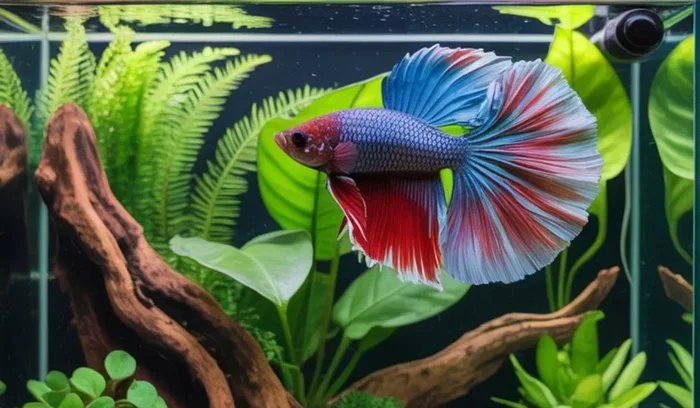
Choosing the right fish bowl size for a betta is crucial for its health and happiness. A minimum of 2‑gallon (≈7.5 L) is recommended, with larger tanks offering better water stability, more swimming space, and easier maintenance. Follow our simple guide to select, set up, and care for the ideal bowl.
Key Takeaways
- Minimum volume: 2‑gallon (≈7.5 L) bowls are the smallest safe option for a betta.
- More space = healthier fish: Larger bowls keep water parameters stable and reduce stress.
- Filtration & heating: Even a small bowl benefits from a gentle filter and a reliable heater.
- Decoration matters: Live plants or silk foliage provide hiding places without harming fins.
- Regular maintenance: Weekly water changes of 25‑30 % keep ammonia low and colors bright.
- Never use a true “bowl”: Shallow, open bowls without a lid lead to rapid temperature loss.
- Upgrade when possible: Moving to a 5‑gallon (≈19 L) tank extends your betta’s lifespan.
📑 Table of Contents
- Introduction: Why Bowl Size Matters More Than You Think
- 1. The Minimum: Understanding the 2‑Gallon Rule
- 2. Bigger Is Better: Benefits of a 5‑Gallon Upgrade
- 3. Choosing the Right Bowl Shape and Material
- 4. Setting Up the Bowl: Water, Heater, and Decoration
- 5. Maintenance Routine for a Healthy Bowl
- 6. Common Mistakes and How to Avoid Them
- Conclusion: Give Your Betta the Space It Deserves
Introduction: Why Bowl Size Matters More Than You Think
When you first see a betta swimming in a tiny glass bowl, it can look adorable. The bright colors, the flowing fins, the gentle bobbing – it’s hard not to fall in love. But that cute picture can be misleading. A betta’s natural environment is full of water movement, plants, and plenty of room to explore. If you keep your betta in a bowl that’s too small, you’re setting the stage for stress, disease, and a shortened lifespan.
In this article we answer the question what size fish bowl for a betta with clear, science‑backed recommendations. We’ll walk through the minimum size, why bigger is better, how to choose the right accessories, and practical tips for daily care. By the end, you’ll feel confident giving your betta the space it truly deserves.
1. The Minimum: Understanding the 2‑Gallon Rule
Why 2 gallons is the absolute baseline
Many beginners think a ½‑gallon bowl is “just fine” because it’s cheap and fits on a desk. The truth is, a betta needs at least 2 gallons (about 7.5 L) of water to maintain stable temperature and waste levels. In a bowl smaller than this, ammonia spikes quickly, and the water temperature can drop by several degrees within a few hours.
Visual guide about What Size Fish Bowl for a Betta
Image source: blitzresults.com
What happens in a bowl that’s too small?
- Frequent temperature swings: Betta fish are tropical and thrive at 78‑80 °F (25‑27 °C). A tiny bowl loses heat fast, especially at night.
- Rapid waste buildup: Without enough water volume, even a small amount of fish waste can become toxic.
- Stress and fin damage: Cramped spaces force the betta to swim in circles, which can lead to fin rot.
If you’re still unsure, read our detailed guide on what size tank for a betta fish – it explains why a 2‑gallon minimum is non‑negotiable.
2. Bigger Is Better: Benefits of a 5‑Gallon Upgrade
Why many hobbyists recommend 5 gallons
A 5‑gallon (≈19 L) tank gives your betta three times the water volume of the minimum. This extra space translates into:
Visual guide about What Size Fish Bowl for a Betta
Image source: chartdiagram.com
- More stable water chemistry, meaning less frequent water changes.
- Better oxygen levels, especially if you add a gentle filter.
- A richer environment for plants, decorations, and even a small snail or shrimp companion.
Real‑life example
Jenny kept her betta in a 2‑gallon bowl for six months. She noticed the fish became lethargic and the colors dulled. After moving him to a 5‑gallon tank with a low‑flow filter and live plants, his activity spiked, and the fins looked brighter within a week. This simple upgrade extended his life expectancy by several months.
3. Choosing the Right Bowl Shape and Material
Glass vs. acrylic
Both glass and acrylic bowls are safe, but acrylic is lighter and less likely to break. However, acrylic can scratch more easily, which may harbor bacteria if not cleaned properly.
Visual guide about What Size Fish Bowl for a Betta
Image source: cdn.shopify.com
Open‑top vs. filtered
Even a small bowl benefits from a gentle filter. Look for a sponge filter or a low‑flow hang‑on‑back (HOB) unit rated for 2‑5 gallons. Filters keep ammonia low and provide gentle water movement, mimicking a betta’s natural habitat.
Adding a lid
Betta fish are notorious jumpers. A simple mesh lid prevents escapes while still allowing airflow. Avoid solid glass lids that can trap heat and cause overheating.
4. Setting Up the Bowl: Water, Heater, and Decoration
Water type and conditioning
Use dechlorinated tap water or conditioned bottled water. Never use untreated well water, as it may contain harmful minerals. For more details on water choice, see what water to use for betta fish.
Temperature control
Betta fish require a stable temperature of 78‑80 °F (25‑27 °C). A small submersible heater with an adjustable thermostat works best for bowls under 5 gallons. Place the heater near the side wall to avoid hot spots.
Substrate and plants
- Substrate: Fine sand or smooth gravel (no sharp edges) adds a natural feel.
- Live plants: Java fern, Anubias, and Marimo moss are low‑light, low‑maintenance options that also help filter water.
- Silk decorations: Avoid plastic ornaments with rough edges that can tear delicate fins.
Lighting
Betta fish don’t need intense lighting, but a 6‑hour light cycle helps regulate their behavior. LED strips or a small aquarium lamp work well.
5. Maintenance Routine for a Healthy Bowl
Weekly water changes
Even with a filter, change 25‑30 % of the water each week. Use a siphon to remove debris from the substrate, and refill with water that matches the tank temperature.
Cleaning the bowl
When you do a full clean (once a month), rinse the glass with a soft cloth and avoid harsh chemicals. For a deeper clean, follow our step‑by‑step guide on how to clean a betta fish bowl for beginners.
Testing water parameters
Use a liquid test kit to monitor ammonia, nitrite, and nitrate. In a properly cycled 5‑gallon tank, ammonia should stay at 0 ppm, nitrite at 0 ppm, and nitrate below 20 ppm.
6. Common Mistakes and How to Avoid Them
Using a true “bowl” without a lid
Open bowls lose heat quickly and allow bettas to jump out. Always use a secure lid.
Overfeeding
Betta fish have small stomachs. Feed 2‑3 small pellets once or twice a day, and remove any uneaten food within a few minutes.
Skipping filtration
Even a low‑flow filter dramatically improves water quality. If you must go filter‑free, increase water change frequency to 50 % every two days – not ideal, but necessary.
Conclusion: Give Your Betta the Space It Deserves
The question what size fish bowl for a betta isn’t just about fitting a fish into a container; it’s about creating an environment where the betta can thrive. A minimum of 2 gallons is the starting point, but a 5‑gallon tank with proper heating, filtration, and decoration provides the best balance of space, stability, and enjoyment for both you and your fish. By following the setup and maintenance tips in this guide, you’ll help your betta live a vibrant, healthy life for years to come.
Frequently Asked Questions
What is the smallest bowl I can use for a betta?
The absolute minimum is a 2‑gallon (≈7.5 L) bowl with a heater and gentle filtration. Anything smaller leads to rapid temperature changes and waste buildup.
Do bettas need a filter in a small bowl?
Yes. A low‑flow sponge or hang‑on‑back filter helps keep ammonia low and provides gentle water movement, which mimics a natural environment.
Can I keep a betta in a decorative glass bowl without a lid?
No. Betta fish are strong jumpers. Always use a secure mesh lid to prevent escapes and maintain temperature stability.
How often should I change the water in a 2‑gallon bowl?
Perform a 25‑30 % water change every 2‑3 days if you have no filter. With a filter, weekly changes are sufficient.
Is a heater necessary for a betta bowl?
Absolutely. Betta fish are tropical and need a stable temperature of 78‑80 °F (25‑27 °C). A small submersible heater with a thermostat is the safest option.
Can I add live plants to a small betta bowl?
Yes. Small, low‑light plants like Java fern, Anubias, or Marimo moss are perfect. They improve water quality and give your betta places to rest.