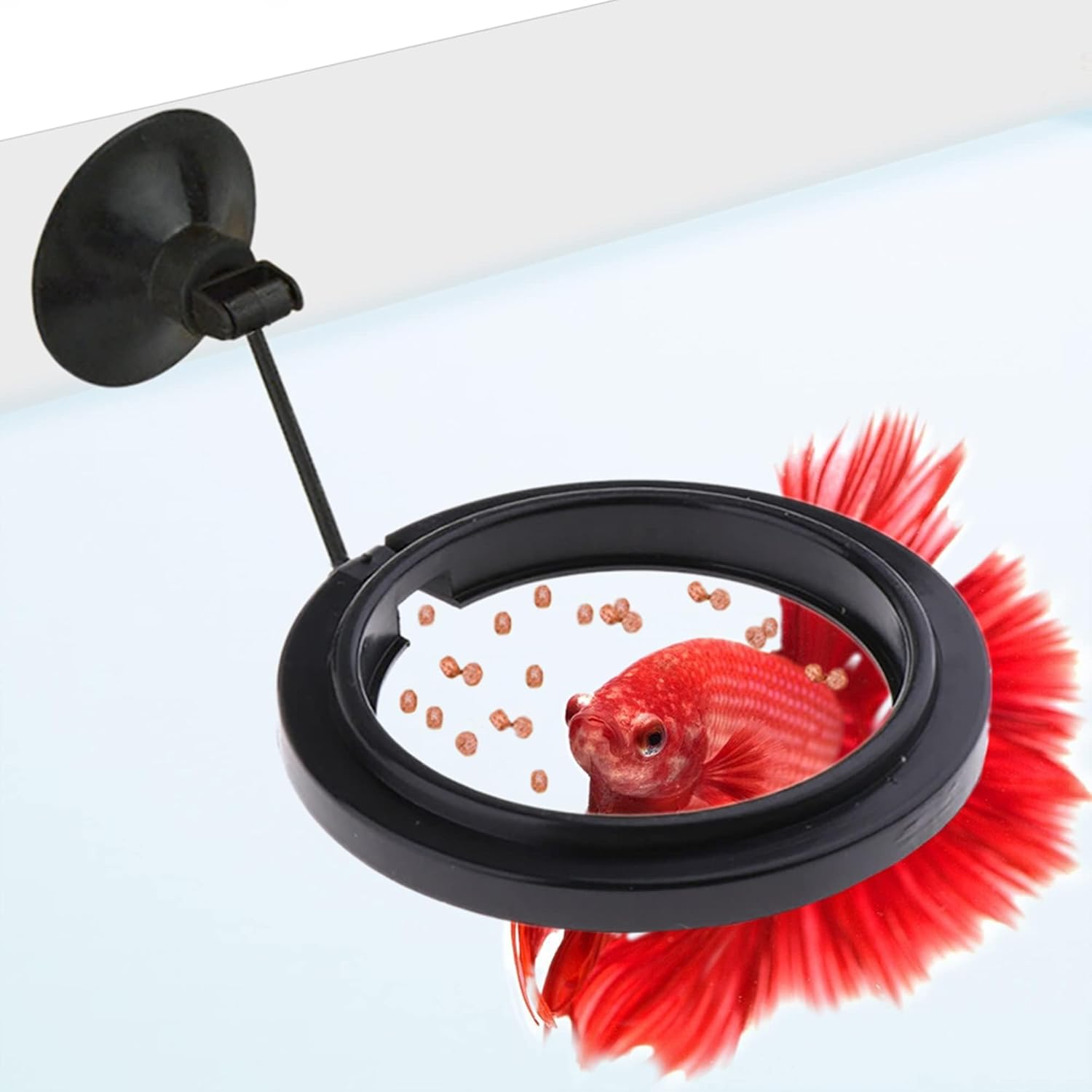
Choosing the right live food can transform your betta’s health, coloration, and happiness. This guide breaks down the top live options, feeding tips, and safe storage methods so you can confidently answer “what live food to feed betta fish.”
Key Takeaways
- Variety matters: Rotate between daphnia, brine shrimp, and bloodworms for balanced nutrition.
- Size is crucial: Feed pieces no larger than the betta’s mouth to prevent choking.
- Live vs. frozen: Frozen live foods are convenient and retain most nutrients.
- Storage tips: Keep live foods in a separate, aerated container and use within 24‑48 hours.
- Supplement, don’t replace: Live foods should complement high‑quality pellets or flakes.
- Watch for health signs: Over‑feeding or spoiled food can cause constipation and water quality issues.
- Start small: Introduce new live foods gradually to avoid stress.
📑 Table of Contents
Introduction: Why Live Food?
Betta fish are natural predators. In the wild they hunt tiny insects, larvae, and small crustaceans. Replicating that diet in the aquarium gives them the protein, fatty acids, and vitamins they need to flaunt brilliant fins and stay disease‑free. While high‑quality pellets are convenient, many hobbyists wonder what live food to feed betta fish for that extra boost.
This article walks you through the most popular live foods, how to store and prepare them, and practical feeding strategies. By the end you’ll feel confident adding live treats to your betta’s menu without risking water quality or digestive upset.
1. Top Live Foods for Betta Fish
Daphnia (Water Fleas)
Daphnia are tiny, freshwater crustaceans that float effortlessly. They’re high in fiber, which helps prevent constipation—a common problem for bettas that eat too many dry pellets. Because they’re soft‑bodied, they’re easy for even a shy betta to catch.
- Nutritional profile: Protein 30‑35 %, essential fatty acids, and a good dose of carotenoids for color.
- How to feed: Offer 5‑10 tiny daphnia per feeding. They’ll swarm the surface, making a fun hunting game.
- Where to get them: You can culture daphnia at home or purchase starter kits. For quick buys, see Where To Buy Live Food For Betta Fish.
Brine Shrimp (Artemia)
Brine shrimp are a betta classic. They’re available live, hatched, or frozen. Live brine shrimp are most active, encouraging natural hunting behavior.
- Nutritional profile: Protein 55‑60 %, rich in iodine and astaxanthin, which enhances red and orange hues.
- How to feed: A handful of 2‑3 mm shrimp per meal is plenty. Larger bettas may enjoy 5‑6 shrimp.
- Safety tip: Rinse frozen shrimp in a fine mesh before offering to remove any ice crystals.
Bloodworms (Larval Midge)
Bloodworms are the “treat” many bettas adore. They’re high in protein and iron, giving a quick energy boost.
- Nutritional profile: Protein 70 %+, but also high in fat; use sparingly.
- Live vs. frozen: Live bloodworms are rare and can introduce parasites. Frozen or freeze‑dried bloodworms are safer and still flavorful.
- Feeding guide: One or two small pieces per feeding; remove any leftovers within an hour.
Micro Worms & Grindal Worms
These tiny nematodes are perfect for juvenile bettas or for adult bettas that need a delicate snack. They’re also excellent for conditioning breeding pairs.
- Nutritional profile: Protein 45‑50 % with a good balance of lipids.
- How to culture: Simple jar cultures using oatmeal and yeast; harvest with a fine sieve.
Other Live Options
Occasional treats like tiny mosquito larvae, fruit flies, or even baby brine shrimp (nauplii) can add variety. Always ensure the prey size is smaller than the betta’s mouth to avoid choking.
2. How to Store and Prepare Live Foods
Keeping Live Foods Alive
Live foods need oxygenated water, a stable temperature, and a clean environment. Use a separate “culture tank” or a small, aerated container. Change half the water daily and keep the temperature between 24‑28 °C (75‑82 °F) to match your betta’s habitat.
Visual guide about What Live Food to Feed Betta Fish
Image source: winaero.com
Rinsing and Cleaning
Before feeding, gently rinse live foods in a fine mesh strainer to remove debris or excess waste. This step helps maintain water quality in the betta tank.
Freezing and Thawing
If you buy frozen daphnia, brine shrimp, or bloodworms, store them in airtight bags in the freezer. Thaw in a cup of aquarium water for 5‑10 minutes; the water becomes nutrient‑rich and can be added to the tank after feeding.
Safety Checks
Never feed live food that looks discolored, smells foul, or has been stored for more than 48 hours. Spoiled prey can introduce harmful bacteria and cause sudden water spikes.
3. Feeding Strategies: When, How Much, and How Often
Frequency
Adult bettas thrive on 2‑3 small feedings per day. Live foods can be offered once daily or every other day as a supplement. Over‑feeding live prey can cloud the water quickly.

Visual guide about What Live Food to Feed Betta Fish
Image source: auto-in-china.com
Portion Control
Use the “two‑second rule”: feed only what the betta can eat in two seconds. This usually translates to 2‑4 daphnia, 3‑5 brine shrimp, or one small bloodworm per feeding.
Combining Live and Dry Foods
Live foods should enhance, not replace, a balanced pellet diet. A typical schedule might look like:
- Morning: high‑quality betta pellets (½ pellet per fish).
- Afternoon: a handful of live daphnia or brine shrimp.
- Evening: another small pellet portion.
For more on balanced diets, read What To Feed Betta Fish.
Special Situations
Betas recovering from illness benefit from easily digestible live foods like daphnia. Breeding pairs often need extra protein; offering 2‑3 bloodworms daily can boost egg quality.
4. Common Mistakes and How to Avoid Them
Over‑feeding
Too much live food spikes ammonia and nitrite levels. Always remove uneaten prey within 15‑20 minutes.
Wrong Size Prey
Large bloodworms can cause choking or intestinal blockage. Stick to prey smaller than the width of the betta’s head.
Neglecting Water Changes
Live foods decompose quickly. Perform a 25‑30 % water change after a heavy live‑food feeding session to keep parameters stable.
Skipping Quarantine
If you introduce a new live culture, quarantine it for 24 hours in a separate container to ensure it’s disease‑free. This prevents accidental pathogen transfer.
5. DIY Live Food Cultures: Simple Set‑Ups
Daphnia Culture in a 5‑Liter Jar
- Fill the jar with dechlorinated water (temperature 22‑26 °C).
- Add a pinch of powdered fish food or yeast as a food source.
- Introduce a starter pack of daphnia (available online).
- Cover with a breathable cloth; aerate gently with an air stone.
- Harvest by siphoning a few dozen using a fine net every 2‑3 days.
Brine Shrimp Hatchery
- Use a 2‑liter container with salted water (35 g sea salt per liter).
- Maintain temperature at 27 °C with a small heater.
- Sprinkle a tablespoon of brine shrimp cysts; stir gently.
- Within 24‑48 hours, tiny nauplii will appear—ready to feed.
- Rinse in fresh tank water before offering to your betta.
Micro Worm Maintenance
Mix oatmeal, yeast, and a few drops of vegetable oil in a shallow dish. Keep it moist and at room temperature. Harvest the worms with a fine brush after 5‑7 days.
6. When to Say “No” to Live Food
Young Fry
Betta fry need extremely tiny food such as infusoria or specially formulated fry powders. Live foods like bloodworms are too large.
Compromised Water Quality
If your tank is already struggling with high ammonia, avoid adding more organic load. Focus on water changes and filtration before re‑introducing live prey.
Allergies or Sensitivities
Some bettas develop sensitivities to certain prey (e.g., bloodworms). If you notice bloating, lethargy, or cloudy water after a specific live food, discontinue it and observe.
Conclusion
Choosing the right live food can make a world of difference for your betta’s vibrancy and wellbeing. By rotating high‑quality daphnia, brine shrimp, and occasional bloodworms, you mimic the natural diet and keep your fish engaged. Remember to store live foods properly, feed in small portions, and always pair live treats with a balanced pellet base. With these simple steps, you’ll answer the question “what live food to feed betta fish” confidently and watch your finned friend flourish.
Frequently Asked Questions
What are the safest live foods for betta fish?
Daphnia, freshly hatched brine shrimp, and properly frozen bloodworms are the safest choices because they are easy to digest and carry low disease risk.
How often should I feed live food to my betta?
Offer live food 1‑2 times per week as a supplement to daily pellet feedings. This prevents overloading the tank with waste.
Can I feed my betta live food straight from the store?
Yes, but rinse the prey in a fine mesh to remove any debris or ice crystals. For live cultures, keep them in a separate, aerated container before feeding.
Will live food improve my betta’s colors?
Yes, live foods rich in carotenoids—like brine shrimp and bloodworms—can enhance reds and oranges, especially when combined with a quality pellet diet.
Is it okay to feed frozen live foods?
Frozen foods retain most nutrients and are safer than some live options. Thaw them in aquarium water and feed within a few hours.
What should I do if my betta gets constipated after eating live food?
Offer a peeled, boiled pea (half) to aid digestion and perform a partial water change. Reduce the amount of high‑fat live foods like bloodworms until the issue resolves.