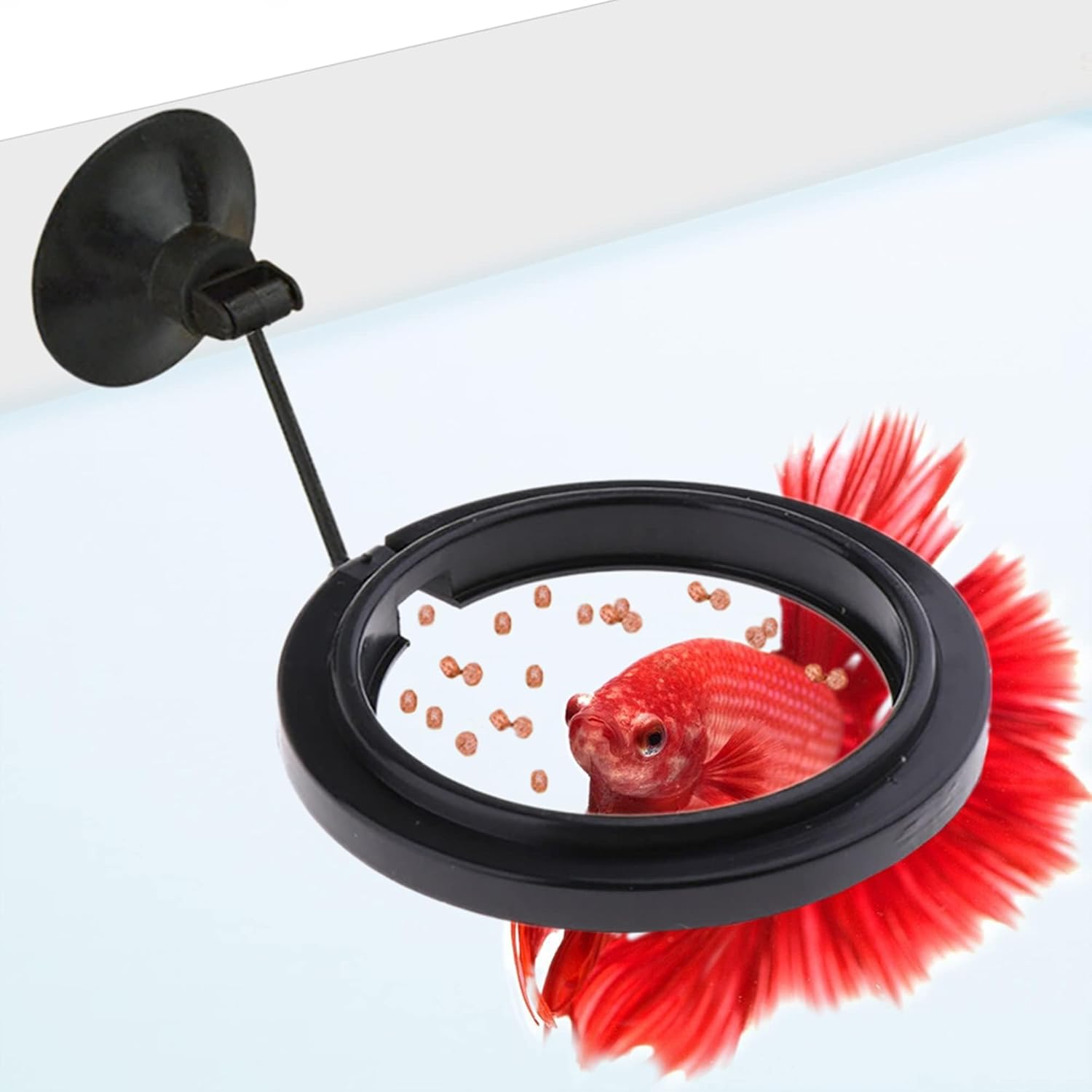
Betta fish can coexist with a variety of peaceful tank mates when you choose the right species and provide plenty of space. Focus on calm, non‑fin‑nipping fish, keep the water conditions stable, and always monitor behavior to ensure a stress‑free aquarium.
Key Takeaways
- Size matters: Choose small to medium‑sized fish that won’t see the betta as prey.
- Temperament is key: Opt for peaceful, non‑aggressive species that won’t trigger the betta’s territorial instincts.
- Tank space counts: A minimum of 10‑20 gallons gives everyone room to claim territory.
- Water parameters must match: Keep temperature, pH, and hardness consistent for all occupants.
- Provide hiding spots: Plants, caves, and driftwood reduce stress and prevent fights.
- Introduce gradually: Use a quarantine or separator to let fish meet safely.
- Watch for warning signs: Frayed fins, rapid breathing, or constant hiding mean it’s time to separate.
📑 Table of Contents
- Introduction: Why the Right Tank Mates Matter
- Understanding Betta Behavior
- Top Fish Candidates That Play Nice
- Setting Up a Peaceful Betta Community Tank
- Monitoring Compatibility and Spotting Trouble
- Frequently Recommended Pairings and Why They Work
- Common Mistakes to Avoid
- Conclusion: Creating a Happy Betta Community
Introduction: Why the Right Tank Mates Matter
If you’ve ever watched a betta flare its gorgeous fins and wondered, “what kinda fish can live with a betta?” you’re not alone. Betta fish are famous for their bold colors and feisty personalities, but they can also be surprisingly social when paired with the right companions. The secret isn’t magic—it’s understanding the betta’s natural instincts and matching them with fish that share similar water needs but have a calm demeanor.
In this guide we’ll walk through the best compatible species, the tank setup that encourages peace, and the red‑flags that tell you it’s time to rearrange. Think of it as a friendly chat over a cup of coffee, only the coffee is replaced with aquarium water and the chat is about tiny, fin‑tastic friends.
Understanding Betta Behavior
Territorial instincts
Betta fish, especially males, guard the space around them like a tiny, colorful landlord. In the wild they defend small puddles, so a small tank can feel like a cramped studio apartment to them. When another fish swims too close to their “property,” they may flare, bite, or chase.

Visual guide about What Kinda Fish Can Live with a Betta
Image source: i.ytimg.com
Fin‑nipping triggers
Long, flowing fins are a betta’s pride and joy. Any fish with similar tail shapes—like guppies or fancy goldfish—can be mistaken for a rival, leading to fin‑nipping. Choosing short‑fin or bottom‑dwelling species reduces this risk.
Temperature and water preferences
Betta fish thrive in warm water (76‑82 °F) with a slightly acidic to neutral pH (6.5‑7.5). Any prospective tank mate must be comfortable in that range, otherwise you’ll be fighting a constant battle of “too cold” vs. “too hot.”
Top Fish Candidates That Play Nice
1. Neon Tetras
These tiny, shimmering schools bring a flash of color without threatening the betta’s territory. Keep a group of six or more so they stay together and swim in the mid‑to‑upper levels, away from the betta’s bottom‑focused domain.
Visual guide about What Kinda Fish Can Live with a Betta
Image source: auctions.c.yimg.jp
2. Corydoras Catfish
Bottom‑dwelling and peaceful, Cory cats love to sift through substrate. Their armored bodies make them tough enough to survive a curious betta poke, and they help keep the tank clean.
3. Harlequin Rasboras
Similar to neon tetras but a bit larger, Harlequin Rasboras form tight schools and stay in the middle water column. Their bold stripes are eye‑catching, yet they’re shy enough not to provoke a betta.
4. Ember or Cherry Shrimp
While not a fish, shrimp are popular tank mates. They scavenge leftover food, add movement, and their small size makes them less likely to be seen as a threat. Just be sure the betta isn’t a shrimp‑snatcher.
5. Small Snails (Nerite or Mystery)
Snails are excellent algae eaters and can coexist peacefully with bettas. They’re slow, have hard shells, and rarely provoke aggression.
6. Dwarf Gourami (Female)
If you’re set on a second fish, a calm female dwarf gourami can work. She’s a bit larger, so keep an eye on the betta’s reaction. This pairing works best in a larger, well‑planted tank.
7. Otocinclus Catfish
These tiny algae eaters are shy and stay near plants. They’re perfect for a planted community tank with a betta, as long as the water is clean and well‑oxygenated.
What about the “no‑no” list?
Fish that are fast‑moving, fin‑nippy, or have bright long tails (e.g., guppies, fancy goldfish, or other bettas) should be avoided. For a deeper dive into unsuitable species, see our article what fish can live with a betta.
Setting Up a Peaceful Betta Community Tank
Tank size and layout
A 10‑gallon tank is the absolute minimum for a betta plus a few small companions. Larger tanks (20‑gallon) give each fish enough room to establish its own territory, which dramatically reduces aggression.

Visual guide about What Kinda Fish Can Live with a Betta
Image source: playitusa.com
Plants and hiding places
Live plants like Java fern, Anubias, and mosses create natural barriers. Add driftwood, caves, and ceramic pots for shy fish to retreat. This also mimics the betta’s natural environment of roots and leaf litter.
Filtration and water flow
Betta fish prefer gentle currents. Choose a low‑flow sponge filter or a hang‑on‑back filter with a spray bar adjusted to a soft stream. Good filtration keeps ammonia low, which is crucial for both bettas and their tank mates.
Lighting and temperature
Maintain 76‑82 °F with an aquarium heater. Use a 10‑hour light cycle to simulate day/night. Consistent temperature prevents stress‑induced aggression.
Acclimation process
When adding new fish, float the sealed bag in the tank for 15‑20 minutes to equalize temperature. Then slowly drip water from the tank into the bag over an hour before releasing the fish. This gradual approach helps both the betta and newcomers adjust.
Monitoring Compatibility and Spotting Trouble
Behavioral cues to watch
- Fin nipping: Tiny frayed edges on fins indicate a problem.
- Chasing: Persistent pursuit of another fish is a red flag.
- Hiding: If a fish spends all day under the filter or in a cave, it’s stressed.
- Surface gulping: Betta gasping at the surface could mean poor water quality.
What to do if aggression occurs
First, rearrange decorations to break line‑of‑sight. If the problem persists, consider moving the aggressor to a separate tank or adding a divider. In some cases, the betta simply isn’t compatible, and a solo setup may be the best solution.
When to separate
If fins are severely damaged, the betta shows chronic stress, or the other fish stop eating, it’s time to separate immediately. A quarantine tank can serve as a temporary home while you reassess your community plan.
Frequently Recommended Pairings and Why They Work
Betta + Neon Tetra
Neons are tiny, fast swimmers that stick to the upper levels, keeping them out of the betta’s lower‑zone territory. Their bright blue‑red contrast looks stunning against a green‑planted backdrop.
Betta + Corydoras
Cory cats are bottom dwellers, so they rarely cross paths with the betta’s vertical space. Their armored plates protect them from an occasional nudge.
Betta + Ember Shrimp
Embers are small, orange shrimp that blend into a planted tank. They’re quick enough to evade a curious betta, and they help clean up leftover food.
Betta + Nerite Snail
Nerites are great algae eaters and have a hard shell that a betta can’t bite through. They add movement without competing for space.
Betta + Dwarf Gourami (Female)
When both are calm and the tank is large, a female dwarf gourami can coexist. They both enjoy plants and will set up separate “rooms” within the aquarium.
Common Mistakes to Avoid
Overcrowding
Adding too many fish to a small tank spikes ammonia and stresses the betta. Stick to the “one inch of fish per gallon” rule as a rough guide.
Mixing aggressive species
Even a peaceful community can become chaotic if you introduce a semi‑aggressive fish like a tiger barb. Keep the community truly gentle.
Ignoring water quality
Betas are hardy, but they still suffer from high nitrate levels. Perform weekly 25‑30% water changes to keep the environment pristine.
Failing to provide hiding spots
Without places to retreat, shy fish will become stressed, and the betta may become more territorial. Plants, caves, and driftwood are essential.
Conclusion: Creating a Happy Betta Community
Choosing the right companions for a betta is less about forcing a friendship and more about respecting each creature’s space and needs. By selecting small, peaceful fish, providing ample hiding places, and maintaining stable water conditions, you can answer the question “what kinda fish can live with a betta” with confidence and success. Remember to observe, adjust, and enjoy the vibrant, dynamic aquarium you’ve built. Happy fish‑keeping!
Frequently Asked Questions
Can a male betta live with other fish?
Yes, a male betta can share a tank with calm, non‑fin‑nipping fish like neon tetras or Corydoras, provided the tank is large enough and there are plenty of hiding spots.
Are goldfish a good match for bettas?
Generally no. Goldfish are messy, require cooler water, and grow large quickly, making them unsuitable for a betta’s warm, peaceful environment. See our article on Can A Goldfish Live With A Betta Fish for details.
What shrimp can I keep with a betta?
Small, fast shrimp like Ember or Cherry shrimp work well. They help clean the tank and are usually too quick for a betta to catch, though some very aggressive bettas may still pose a risk.
How many fish can I add to a 10‑gallon betta tank?
Limit the community to 2‑3 small species, such as a school of six neon tetras or a trio of Corydoras, to avoid overcrowding and maintain water quality.
Do bettas need a tank divider when adding other fish?
Using a clear divider during the first few days can help both the betta and newcomers get used to each other’s presence without direct contact.
What signs show that my betta is stressed?
Frequent flaring, loss of color, lethargy, or refusing to eat are common indicators of stress. If you see these signs, check water parameters and consider separating the fish.