What Kind of Fish Can Go with a Betta

Looking to share your betta’s home with other fish? This guide explains what kind of fish can go with a betta, how to choose peaceful tank mates, and essential care tips to keep everyone thriving. Follow our simple steps and avoid common mistakes for a vibrant, stress‑free community tank.
Key Takeaways
- Temperament matters: Male bettas are territorial; choose calm, non‑fin‑nipping species.
- Tank size is crucial: A minimum of 20 gallons gives enough space for a betta and compatible fish.
- Water parameters must match: Keep temperature, pH, and hardness consistent for all inhabitants.
- Slow introductions work best: Use a divider or quarantine tank before full integration.
- Best companions: Small livebearers, peaceful rasboras, and certain dwarf shrimp are top picks.
- Avoid common pitfalls: Skip goldfish, large cichlids, and aggressive tetras.
- Regular monitoring: Watch for stress signs and be ready to rehome if aggression occurs.
📑 Table of Contents
- Introduction: Why You Might Want Tank Mates for Your Betta
- 1. Understanding Betta Behavior and Needs
- 2. Choosing the Right Tank Size
- 3. Top Fish Species That Can Safely Share a Tank with a Betta
- 4. Fish to Avoid When Keeping a Betta
- 5. Step‑by‑Step Guide to Introducing New Fish
- 6. Maintaining a Healthy Community Tank
- Conclusion: Creating a Harmonious Betta Community
Introduction: Why You Might Want Tank Mates for Your Betta
Betta fish are beautiful, colorful, and surprisingly social—when you give them the right environment. Many owners wonder what kind of fish can go with a betta because a single‑species tank can feel empty, and a community setup can add movement and interest. The good news is that with careful planning, a betta can coexist peacefully with several other species.
However, not every fish is a good match. Bettas, especially males, are known for their feisty nature and flaring fins. Pairing them with the wrong tank mate can lead to stress, injury, or even death. This article walks you through the essential factors—tank size, water conditions, temperament, and feeding—that determine whether a potential companion is a good fit.
1. Understanding Betta Behavior and Needs
Territorial instincts
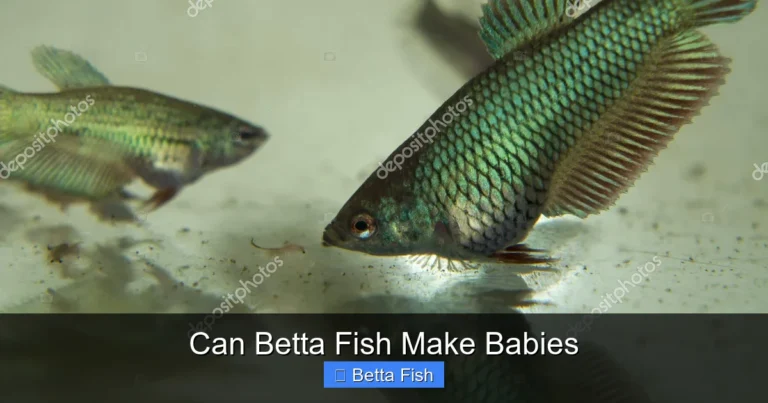
Bettas are native to shallow, slow‑moving waters of Southeast Asia where they defend small territories. A male betta will often flare his fins and gill covers when he feels threatened. This instinct is why many beginners keep bettas alone. Knowing this helps you choose fish that won’t trigger his defensive response.

Visual guide about What Kind of Fish Can Go with a Betta
Image source: slickdeals.net
Gender differences
Females are generally less aggressive than males, but they can still be fin‑nippers if crowded. If you plan a community tank, a single male betta with a group of peaceful, non‑aggressive fish is usually the safest bet.
Water preferences
Bettas thrive in warm water (78‑82°F / 25‑28°C), slightly acidic to neutral pH (6.5‑7.5), and soft to medium hardness. Any fish you add must share these parameters. For a deeper dive on water needs, see our guide on what type of water does a betta fish need.
2. Choosing the Right Tank Size
Minimum volume
While a betta can survive in a 2.5‑gallon bowl, a community tank requires more space. Aim for at least 20 gallons (75 L) to give each fish its own zone and to dilute waste. Larger tanks also help maintain stable temperature and water quality, which is vital for a betta’s health.

Visual guide about What Kind of Fish Can Go with a Betta
Image source: media-cldnry.s-nbcnews.com
Layout matters
Provide plenty of hiding spots—plants, driftwood, and caves. Vertical space is especially important because bettas like to swim up and down. A well‑decorated tank reduces stress and gives shy tank mates places to retreat.
3. Top Fish Species That Can Safely Share a Tank with a Betta
Below are the most reliable companions, grouped by size and temperament. All these species meet the betta’s water requirements and are generally peaceful.
Visual guide about What Kind of Fish Can Go with a Betta
Image source: img-s-msn-com.akamaized.net
3.1 Small Livebearers
- Guppies (Poecilia reticulata): Their bright colors and active swimming make them a popular choice. Keep them in a small school (3‑5) to keep them out of the betta’s way.
- Endler’s Livebearers: Similar to guppies but smaller, they’re less likely to be mistaken for a rival.
- Mollies (Poecilia sphenops): Prefer slightly higher pH, so adjust water accordingly.
These fish are fast‑moving and stay near the surface, where bettas usually dwell lower, reducing the chance of conflict.
3.2 Peaceful Rasboras
- Harlequin Rasbora (Trigonostigma heteromorpha): Their silver bodies and black patches blend well, and they stay in the mid‑water column.
- Pygmy Rasbora (Boraras maculatus): Tiny and shy, they form small schools that keep them occupied.
Rasboras are non‑aggressive and won’t nip at betta fins. Their calm demeanor makes them ideal for a community tank.
3.3 Small Tetras (Select Cases)
Not all tetras are safe, but a few smaller, peaceful species can work:
- Ember Tetra (Hyphessobrycon amandae): Small, orange, and moves quickly.
- Glowlight Tetra (Hemigrammus erythrozonus): Peaceful and prefers similar water conditions.
Only use tetras if the tank is well‑planted and the betta shows no aggression during initial introductions.
3.4 Dwarf Shrimp and Snails
- Cherry Shrimp (Neocaridina davidi): Excellent cleaners and usually ignored by bettas.
- Nerite Snails: Great algae eaters that won’t bother the betta.
These invertebrates add utility and visual interest without competing for space.
3.5 Bottom‑Dwelling Catfish
- Corydoras (Corydoras spp.): Small, peaceful, and spend most time on the substrate.
They are gentle and help clean leftover food, but ensure the betta isn’t overly curious about the tank bottom.
4. Fish to Avoid When Keeping a Betta
Fin‑nippers and aggressive species
Any fish that tends to nip fins—such as Tiger Barbs, Betta’s own relatives like Siamese Fighting Fish, or aggressive dwarf cichlids—should be avoided. Their nipping can cause severe injuries to a betta’s delicate fins.
Large, fast‑swimming fish
Species like Goldfish, large Danios, or larger tetras can outgrow the tank quickly and create a noisy environment that stresses the betta. For more on why goldfish are a bad match, read Can a Goldfish Live With a Betta Fish.
Other Betta fish
Two male bettas together will almost always fight. Even a male with a female can lead to aggression if space is limited. If you want multiple bettas, consider a large, heavily planted tank with plenty of visual barriers, but this is advanced and not recommended for beginners.
5. Step‑by‑Step Guide to Introducing New Fish
5.1 Quarantine first
Always quarantine new arrivals for at least two weeks. This prevents disease spread and lets you observe the new fish’s health.
5.2 Use a tank divider
Place a clear acrylic divider in the tank for the first few days. This lets both the betta and the newcomers see each other without direct contact, reducing stress.
5.3 Gradual release
After a week, slowly open small sections of the divider. Watch the betta’s reaction. If he flares or chases, re‑divide and try again later.
5.4 Monitor behavior daily
Look for signs of stress: faded colors, rapid breathing, or hiding. If any fish appears injured, be prepared to rehome.
5.5 Adjust feeding
Feed a varied diet—high‑quality betta pellets, frozen bloodworms for the betta, and micro‑pellets or brine shrimp for the community fish. This ensures everyone gets proper nutrition and reduces competition.
6. Maintaining a Healthy Community Tank
Regular water changes
Change 25‑30% of the water weekly to keep nitrate levels low. Use a water conditioner to remove chlorine and chloramines.
Filtration
A gentle sponge filter provides biological filtration without creating strong currents that can stress bettas.
Plant selection
Live plants like Java Fern, Anubias, and Marimo moss balls give hiding spots and improve water quality. If live plants aren’t an option, use silk or soft plastic décor.
Temperature stability
Maintain a consistent 78‑82°F using an aquarium heater. Fluctuations can stress both the betta and the other fish.
Health checks
Perform weekly visual inspections. Look for white spots, frayed fins, or abnormal swimming. Early detection prevents outbreaks.
Conclusion: Creating a Harmonious Betta Community
Choosing the right companions for your betta is a balance of temperament, tank size, and water conditions. By selecting peaceful, small species like guppies, rasboras, dwarf shrimp, or Corydoras, and following a careful introduction process, you can enjoy a lively, colorful aquarium where every fish thrives.
Remember, every betta is an individual. Some may accept tank mates readily, while others prefer solitude. Observe your fish closely, be ready to adjust, and most importantly, enjoy the process of building a beautiful, stress‑free community tank.
Frequently Asked Questions
Can a male betta live with other fish?
Yes, a male betta can coexist with peaceful, non‑fin‑nipping species if the tank is large enough and the introductions are done slowly.
What fish are safest to keep with a betta?
Small livebearers like guppies, peaceful rasboras, dwarf shrimp, and Corydoras catfish are among the safest choices.
Why shouldn’t I keep goldfish with a betta?
Goldfish produce a lot of waste, need cooler water, and grow large quickly, which creates poor water conditions for a betta.
Do bettas get stressed by tank mates?
They can if the mates are aggressive, too active, or if the tank is overcrowded. Providing plenty of hiding spots helps reduce stress.
How often should I feed a community tank with a betta?
Feed small amounts 2‑3 times a day, offering a mix of betta pellets, frozen or live foods for the betta, and suitable foods for the other fish.
What signs show my betta is unhappy with its tank mates?
Look for faded colors, frequent flaring, rapid breathing, or hiding more than usual. These may indicate stress or aggression.