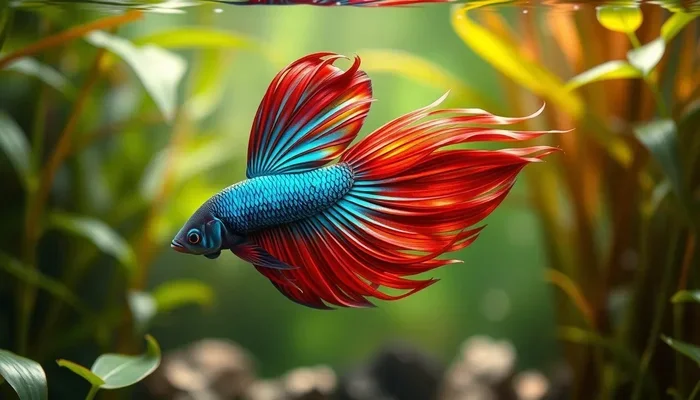
Should I Use a Filter for My Betta Fish

Wondering if you need a filter for your betta? While bettas can survive in low‑tech setups, a gentle filter improves water quality, reduces maintenance, and keeps your finned friend healthier. Choose the right type and learn easy steps to create a safe, beautiful home for your betta.
Key Takeaways
- Filters aren’t mandatory, but they help: A small, low‑flow filter maintains stable water parameters and lowers ammonia spikes.
- Choose a filter with a gentle flow: Betta fish are labyrinth breathers and dislike strong currents.
- Regular water changes are still essential: Even with a filter, weekly 25‑30% changes keep the tank pristine.
- Alternative methods work too: Live plants, substrate, and frequent water changes can replace a filter for beginners.
- Size matters: A 5‑gal tank is the sweet spot; smaller bowls make filtration harder and increase stress.
- Proper water source is key: Use conditioned tap water or filtered water; distilled or bottled water lacks needed minerals.
- Monitor your betta: Look for ragged fins, lethargy, or clouded water—signs that filtration or water quality needs attention.
📑 Table of Contents
- Introduction: The Great Filter Debate
- 1. Why Water Quality Matters for Bettas
- 2. Do Bettas Really Need a Filter?
- 3. Choosing the Right Filter for a Betta
- 4. Setting Up a Filter‑Free Betta Tank
- 5. Maintenance Tips for a Healthy Betta Environment
- 6. When to Upgrade or Change Your Filtration
- Conclusion: Tailor the Choice to Your Situation
Introduction: The Great Filter Debate
When you first bring home a betta fish, the question “should I use a filter for my betta fish?” pops up faster than a bubble nest. Many new owners picture a tiny bowl, a few pebbles, and think a filter would be overkill. Others worry that without one, the water will quickly turn toxic. Both concerns have some truth, and the answer lies in understanding a betta’s natural habits, the science of water quality, and the options that fit your lifestyle.
In this guide we’ll walk through the pros and cons of filtration, explore the types of filters that work best for bettas, and give you practical, low‑maintenance alternatives. By the end, you’ll know exactly what will keep your betta healthy, vibrant, and happy—whether you decide to add a filter or not.
1. Why Water Quality Matters for Bettas
Ammonia, Nitrite, and Nitrate: The Invisible Threats
Fish excrete waste that breaks down into ammonia, then nitrite, and finally nitrate. In a well‑cycled tank, beneficial bacteria convert these compounds, keeping the water safe. Without a filter, this process is slower, and harmful spikes can appear in just a few days.
Visual guide about Should I Use a Filter for My Betta Fish
Image source: shop.r10s.jp
Oxygen and Flow: Bettas Are Labyrinth Breathers
Bettas have a special organ called the labyrinth that lets them gulp air from the surface. They don’t need a strong current to breathe, but they do benefit from gentle surface agitation that adds oxygen. A filter with a low flow can provide both oxygenation and waste removal without stressing the fish.
2. Do Bettas Really Need a Filter?
What the Experts Say
Many experienced hobbyists agree that a filter is not absolutely required if you perform diligent water changes and keep the tank small (under 2 gallons). However, a filter makes the job easier and more reliable, especially for beginners.

Visual guide about Should I Use a Filter for My Betta Fish
Image source: walruspump.com
Real‑World Example
Sarah, a first‑time betta owner, kept her fish in a 1‑gallon bowl with no filter. After two weeks, the water turned cloudy, and her betta showed frayed fins. Switching to a tiny sponge filter and doing 30% water changes twice a week solved the problem within days.
3. Choosing the Right Filter for a Betta
Low‑Flow Sponge Filters
Sponge filters are the gold standard for bettas. They provide biological filtration, gentle water movement, and are easy to clean. Look for a model that pushes less than 2 gph (gallons per hour) in a 5‑gal tank.

Visual guide about Should I Use a Filter for My Betta Fish
Image source: media-01.imu.nl
Hang‑On (HOB) Filters with Adjustable Flow
If you prefer a hang‑on filter, choose one with a flow control knob. Position the output to the side of the tank so the current isn’t directed straight at your betta.
Internal Power Filters
Small internal filters can work, but be sure the intake is protected with a fine mesh to prevent the betta from getting sucked in.
What to Avoid
- Strong canister filters that create a rapid current.
- Filters with rough surfaces that can damage delicate fins.
- Filters that require daily maintenance if you’re not prepared for it.
4. Setting Up a Filter‑Free Betta Tank
Live Plants as Natural Filters
Plants such as Java fern, Anubias, and Marimo moss absorb ammonia and provide hiding places. A well‑planted 5‑gal tank can maintain water quality for weeks with regular changes.
Substrate and Gravel
Using a fine, inert substrate reduces debris build‑up. Rinse the gravel before adding it to avoid cloudiness.
Frequent Water Changes
Without a filter, change 30‑40% of the water every 2‑3 days. Use a water conditioner to neutralize chlorine and chloramines.
Link to Water Sources
Choosing the right water source is crucial. Learn more about safe water options in our guide on What Water Do I Use For A Betta Fish.
5. Maintenance Tips for a Healthy Betta Environment
Testing Water Parameters
Invest in a simple test kit. Check ammonia, nitrite, and nitrate weekly. Ideal levels: ammonia 0 ppm, nitrite 0 ppm, nitrate < 20 ppm.
Cleaning the Filter
Rinse sponge filters in a bucket of tank water during water changes. Never use tap water, which can kill beneficial bacteria.
Temperature Control
Bettas thrive at 76‑82°F (24‑28°C). A reliable heater keeps the temperature steady, especially in cooler rooms. See our article on Do I Need A Heater For Betta Fish for more details.
Feeding Practices
Overfeeding leads to excess waste. Feed 2‑3 small pellets once or twice daily and remove uneaten food after 5 minutes.
6. When to Upgrade or Change Your Filtration
Signs Your Betta Needs Better Filtration
- Cloudy water that doesn’t clear after a change.
- Frequent spikes in ammonia or nitrite.
- Fins showing erosion or ragged edges.
- Lethargic behavior or loss of appetite.
Scaling Up the Tank
If you decide to move to a larger tank (10+ gallons), a more robust filtration system becomes necessary. Larger volumes dilute waste, but the biological load also increases.
Helpful Resource
For tank size guidelines, read How Big Should A Tank Be For A Betta Fish before making a purchase.
Conclusion: Tailor the Choice to Your Situation
So, should I use a filter for my betta fish? The short answer: it’s highly recommended for most setups because it simplifies water maintenance and promotes a healthier environment. However, with diligent water changes, live plants, and a small tank, you can successfully keep a betta without a filter.
Consider your time, budget, and willingness to perform regular maintenance. If you’re a busy beginner, a low‑flow sponge filter is the easiest, safest route. If you love a natural look and don’t mind frequent water changes, a filter‑free planted tank can be just as rewarding.
Whichever path you choose, keep an eye on water quality, temperature, and your betta’s behavior. A happy, thriving betta is the best proof that you made the right decision.
Frequently Asked Questions
Do bettas need a filter to survive?
No, bettas can live without a filter if you perform frequent water changes and maintain good water quality, but a filter makes care easier and more consistent.
What type of filter is safest for a betta?
A low‑flow sponge filter or a hang‑on filter with adjustable flow is safest because it provides gentle water movement without stressing the fish.
Can I use a filter in a 2‑gallon bowl?
It’s possible, but a 2‑gallon space is very limited. If you add a filter, choose an ultra‑quiet, low‑flow model and be prepared for more frequent cleaning.
How often should I change the water if I don’t have a filter?
Change 30‑40% of the water every 2‑3 days, and always treat the new water with a conditioner to remove chlorine and chloramines.
Will a filter affect my betta’s ability to build bubble nests?
Not if the flow is gentle. Strong currents can disrupt nest building, so keep the output directed away from the surface or use a sponge filter that creates minimal flow.
Is a heater still needed if I use a filter?
Yes. A filter does not regulate temperature. Bettas need a stable temperature of 76‑82°F (24‑28°C), so a heater is essential in most homes.