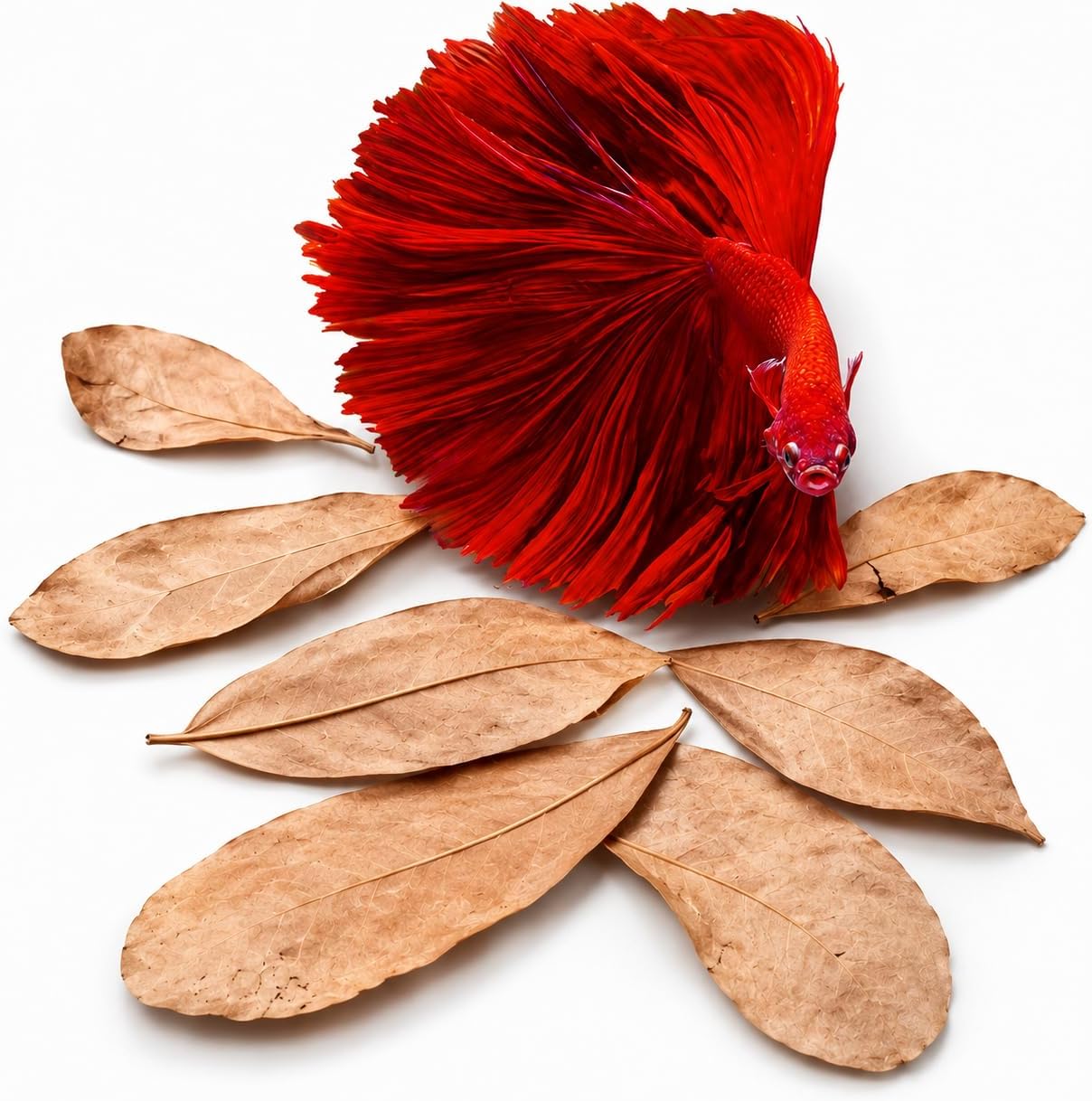
Want to help a sick betta bounce back? A gentle salt bath can clear parasites, reduce stress, and promote healing. Follow this easy, step‑by‑step guide to give your betta the best chance of a speedy recovery.
Key Takeaways
- Salt concentration matters: Use 1‑2 grams of non‑iodized aquarium salt per gallon of water for a safe bath.
- Short sessions are safest: Limit each bath to 5‑10 minutes to avoid stressing the fish.
- Monitor water parameters: Keep temperature, pH, and hardness stable before, during, and after the bath.
- Use clean containers: A separate, disinfected tub prevents cross‑contamination with the main tank.
- Observe behavior: Look for signs of improvement or worsening; stop the bath if the fish becomes lethargic.
- Combine with proper tank care: Regular water changes and a balanced diet boost the benefits of a salt bath.
- Know when to seek help: Persistent symptoms may require veterinary attention or advanced treatments.
📑 Table of Contents
- Introduction: Why a Salt Bath Can Be a Game Changer
- 1. Understanding When a Salt Bath Is Appropriate
- 2. Gathering the Right Supplies
- 3. Step‑by‑Step Guide: How to Salt Bath Betta Fish
- 4. After‑Care: Keeping Your Betta Healthy
- 5. Frequently Asked Questions About Salt Baths
- Conclusion: A Simple Tool in Your Betta Care Toolbox
Introduction: Why a Salt Bath Can Be a Game Changer
Betta fish are beautiful, but they’re also delicate. When they develop minor infections, parasites, or stress‑related issues, many hobbyists turn to a simple remedy that has been used for decades: a salt bath. Adding a tiny amount of non‑iodized aquarium salt to a small container of water can create an environment that helps the fish’s immune system work more efficiently, reduces swelling, and eases the discomfort caused by common ailments.
In this guide, we’ll walk you through everything you need to know about how to salt bath betta fish safely—from choosing the right salt to spotting the signs that the treatment is working. Think of it as a quick “spa day” for your finned friend, designed to boost recovery without the need for expensive medication.
1. Understanding When a Salt Bath Is Appropriate
Common issues that respond well to salt
Before you reach for the salt shaker, make sure the problem you’re facing is one that benefits from this treatment. Salt baths are most effective for:
- External parasites such as Ich (white spot disease) in early stages.
- Mild fungal infections on the fins.
- Swelling caused by minor injuries or water quality spikes.
- Stress‑related loss of appetite.
When NOT to use a salt bath
If your betta shows signs of severe infection, open wounds, or is already very lethargic, a salt bath could add extra stress. In those cases, consider consulting a vet or using targeted medication. Also, avoid salt if your betta is a known salt‑sensitive variety (some wild‑type bettas are more prone to stress from added minerals).
2. Gathering the Right Supplies
What you’ll need
- Non‑iodized aquarium salt (no additives, no anti‑caking agents).
- A clean plastic or glass container that holds at least 1 gallon (3.8 L) of water.
- A digital kitchen scale (for precise measurement).
- Thermometer (keep water at 78‑80°F / 25‑27°C).
- Water conditioner (optional, if your tap water contains chlorine).
- Soft net or small cup for gently moving the betta.
Preparing the bath water
Fill the container with dechlorinated water that matches the temperature of your main tank. Using a thermometer, ensure the water is within the 78‑80°F range – bettas are tropical and will become stressed if the water is too cold.

Visual guide about How to Salt Bath Betta Fish
Image source: logos-world.net
Measure 1‑2 grams of salt per gallon (about ¼ to ½ teaspoon). Dissolve the salt completely before placing the fish in the water. This concentration is low enough to be safe but high enough to create a mild antiseptic effect.
3. Step‑by‑Step Guide: How to Salt Bath Betta Fish
Step 1 – Acclimate the betta
Gently net the betta and place it in a small cup of water from the main tank for about 30 seconds. This helps the fish adjust to the new environment and reduces shock.

Visual guide about How to Salt Bath Betta Fish
Image source: clubimg.club.vmall.com
Step 2 – Transfer to the salt bath
Using the same cup, slowly pour the betta into the prepared salt bath. Keep the movement smooth and avoid splashing.
Step 3 – Monitor the bath
Watch the fish closely for the next 5‑10 minutes. The betta should swim calmly. If it becomes frantic, hides at the bottom, or shows signs of distress, remove it immediately and place it back in clean, conditioned tank water.
Step 4 – Return to the main tank
After the session, gently scoop the betta out and place it back into a quarantine or the main tank that has been freshly cleaned. Adding a few drops of water conditioner can help the fish adjust if the main tank water parameters differ.
Step 5 – Repeat if needed
For persistent issues, you can repeat the salt bath once daily for up to three days. Always give the fish a day of normal water between sessions to avoid over‑salting.
4. After‑Care: Keeping Your Betta Healthy
Water quality is king
Even after a successful salt bath, your betta’s environment remains crucial. Perform regular water changes (about 25 % weekly) and use a reliable water test kit to keep ammonia, nitrite, and nitrate levels low.
Nutrition boost
Offer high‑quality betta pellets or frozen foods like brine shrimp for a few days after the bath. A well‑fed fish recovers faster.
Watch for improvement
Signs that the salt bath worked include brighter colors, normal swimming, and a restored appetite. If the betta shows no improvement after three treatments, consider other options such as medicated food or a visit to a fish‑health specialist.
5. Frequently Asked Questions About Salt Baths
Below are some quick answers to the most common concerns hobbyists have when they ask, “how to salt bath betta fish?”
Can I use regular table salt?
No. Table salt often contains iodine and anti‑caking agents that can irritate a betta’s delicate skin. Always use pure, non‑iodized aquarium salt.
How long should each bath last?
Keep it short—5 to 10 minutes is enough. Longer exposure can cause stress and dehydration.
Is a salt bath safe for all betta varieties?
Most domesticated bettas tolerate the low concentration well, but wild‑type or very young fry may be more sensitive. Start with the lowest amount (1 gram per gallon) and watch for any adverse reaction.
Do I need to adjust the main tank’s salinity?
No. The salt bath is a temporary treatment in a separate container. Keep the main tank’s water completely freshwater.
Can I combine a salt bath with medication?
It’s best to avoid mixing treatments unless a vet advises it. Salt can interfere with the efficacy of some medicines.
What if my betta gets worse after the bath?
Immediately return the fish to clean, conditioned water and observe. If symptoms persist, seek professional advice—some conditions require antibiotics or antifungal drugs.
Conclusion: A Simple Tool in Your Betta Care Toolbox
Knowing how to salt bath betta fish adds a gentle, low‑cost method to your aquarium toolkit. When used correctly, a brief salt soak can calm inflammation, aid in parasite control, and give your betta a quick confidence boost. Remember to keep the concentration low, limit the exposure time, and always monitor your fish’s behavior. Pair the bath with solid tank maintenance, proper feeding, and a stress‑free environment, and you’ll see your betta thriving once again.
For more detailed care tips, check out our guide on how to keep a betta fish alive, and learn how to set up the perfect home with how to set up betta fish tank. If you suspect a more serious issue, our article on how to treat dropsy in betta fish offers step‑by‑step treatment options.
Frequently Asked Questions
Is salt bath a cure for Ich?
A low‑dose salt bath can help reduce early‑stage Ich, but it’s not a complete cure. Combine it with proper quarantine and medication for best results.
How often can I give my betta a salt bath?
Limit treatments to once a day for up to three consecutive days. Give the fish a day of normal water between sessions to avoid over‑salting.
Can I use the same salt bath water for multiple fish?
No. Reusing the water can spread pathogens. Always prepare fresh salt water for each session.
What temperature should the salt bath be?
Keep it between 78‑80°F (25‑27°C) – the same as your main tank. Sudden temperature changes can stress the betta.
Will a salt bath affect my betta’s coloration?
Often the opposite – a healthy betta may display brighter, more vivid colors after recovery.
Do I need to acclimate the betta after the bath?
Briefly acclimate by floating the fish in a cup of tank water for 30 seconds before returning it to the main tank. This helps balance the water chemistry.