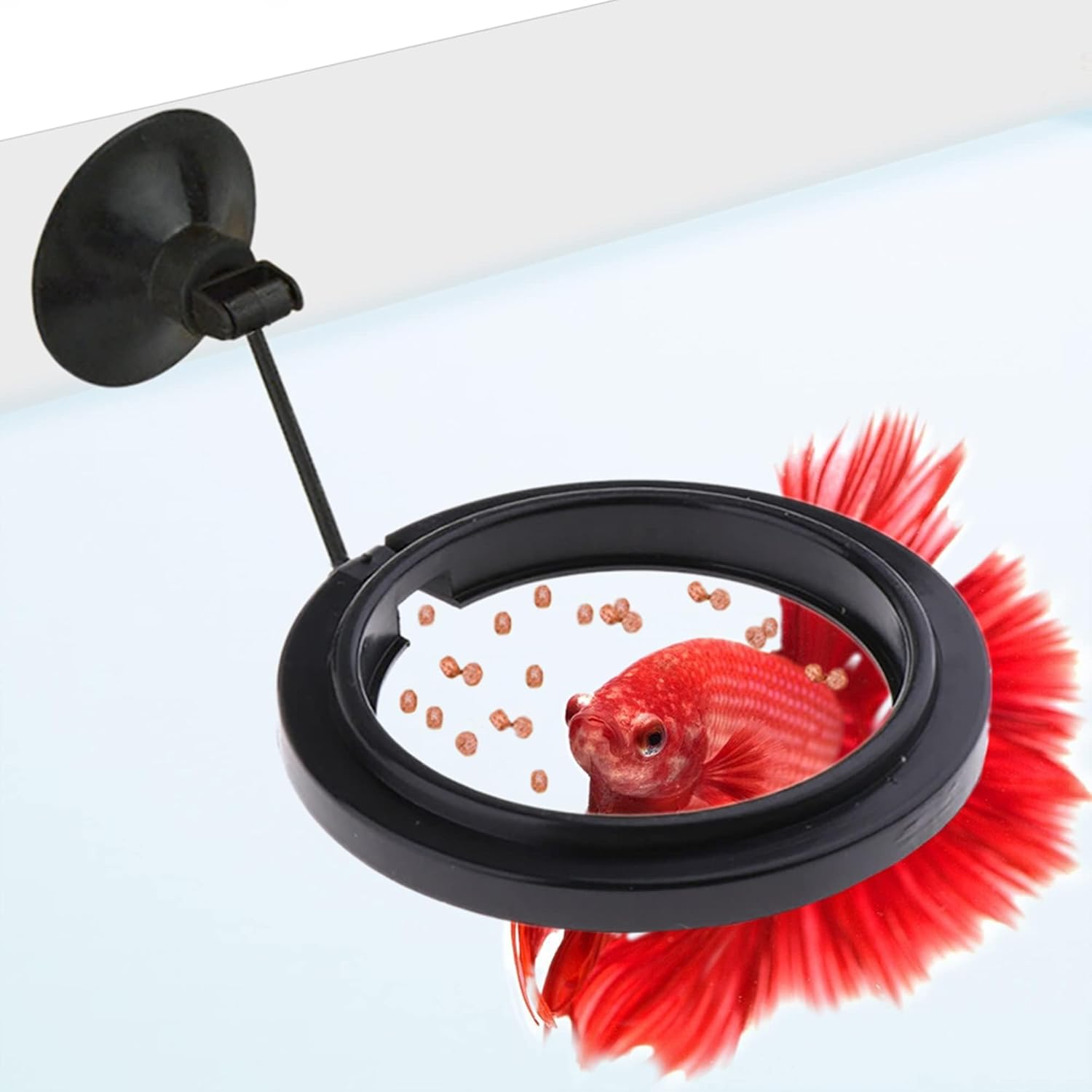
Getting the water right is the first step to a thriving betta. Follow this friendly guide to test, treat, and temperature‑adjust tap water so your fish feels right at home from day one. Simple tools and a few minutes each week keep your betta happy and healthy.
Key Takeaways
- Test before you treat: Always check pH, hardness, and chlorine levels.
- Use a dechlorinator: Tap water must be dechlorinated or left to off‑gass.
- Match temperature: Aim for 76‑82°F (24‑28°C) and let the water sit to reach that range.
- Condition properly: Add conditioners to neutralize heavy metals and stabilize parameters.
- Gradual changes are key: Introduce new water slowly to avoid shocking your betta.
- Maintain a routine: Weekly water checks and partial changes keep the environment stable.
- Use the right tools: A good test kit, thermometer, and water conditioner make the process painless.
📑 Table of Contents
- Why Proper Water Preparation Matters
- 1. Gather Your Essential Tools
- 2. Test Your Tap Water First
- 3. Dechlorinate and Condition the Water
- 4. Bring the Temperature to the Right Range
- 5. Perform a Partial Water Change (If Needed)
- 6. Acclimate Your Betta to the New Water
- 7. Ongoing Maintenance and Monitoring
- Conclusion
Why Proper Water Preparation Matters
Imagine moving into a new house where the air is stale, the temperature is wrong, and the water tastes like chlorine. That’s how a betta feels when you dump untreated tap water into its tank. Betta fish are hardy, but they are also sensitive to poor water quality. Bad pH, high ammonia, or a sudden temperature shock can stress a betta, weaken its immune system, and even lead to death.
Getting the water right isn’t just a “nice‑to‑have” step; it’s the foundation of every successful betta‑keeping journey. In the next sections we’ll walk through each part of the process—from testing the raw water to fine‑tuning the temperature—so you can feel confident that the water you give your fish is safe, stable, and comfortable.
1. Gather Your Essential Tools
Test Kit
A basic aquarium test kit checks pH, ammonia, nitrite, and nitrate. For beginners, a liquid test kit is inexpensive and easy to use. Test the water before you treat it; you’ll know exactly what needs adjusting.

Visual guide about How to Prepare Water for a Betta Fish
Image source: images5.alphacoders.com
Thermometer
Betta fish thrive in warm water (76‑82°F or 24‑28°C). A digital or stick‑on aquarium thermometer lets you monitor temperature accurately.
Water Conditioner (Dechlorinator)
Tap water contains chlorine or chloramine, both lethal to fish. A good conditioner neutralizes these chemicals instantly. If you prefer a natural approach, you can also let water sit uncovered for 24‑48 hours to let chlorine evaporate, but this does not remove chloramine.
Container for Mixing
Use a clean bucket or a large jug that has never held chemicals. This will be your “mixing station” where you treat water before it touches the tank.
2. Test Your Tap Water First
Before you add anything, fill your container with tap water and run a quick test. Record the pH, hardness (GH), and any presence of chlorine or chloramine. Most municipal water is within a safe pH range (6.5‑8.0) but can vary widely in hardness.
Visual guide about How to Prepare Water for a Betta Fish
Image source: 1000giribest.com
If the test shows high ammonia or nitrite, you have a bigger problem—likely a cycling issue. In that case, read our guide on how to cycle a fish tank for betta before proceeding.
3. Dechlorinate and Condition the Water
Using a Dechlorinator
Follow the manufacturer’s dosage instructions—usually a few drops per gallon. Stir gently and let the water sit for a few minutes. The conditioner will also bind heavy metals and neutralize chloramine.
Adjusting pH and Hardness
If your test shows a pH outside the 6.5‑7.5 sweet spot, you can use natural methods:
- Lower pH: Add a small amount of driftwood or a commercial pH‑down solution.
- Raise pH: Use crushed coral or a buffered conditioner.
Hardness adjustments are similar—use peat for softer water or add calcium carbonate for harder water. Remember, bettas are adaptable, so minor tweaks are fine, but avoid drastic changes.
4. Bring the Temperature to the Right Range
Heat Sources
For tanks under 5 gallons, a reliable submersible heater is essential. Set it to the middle of the betta’s comfort zone (around 78°F/26°C) and let the thermostat do the work.
Gradual Warm‑up
If your tap water is cold, warm it slowly. Place the container in a warm room or use a gentle water heater. Never pour boiling water into the tank; a rapid temperature shift can cause shock.
Check Consistency
After the heater is on, let the water sit for at least 30 minutes, then use the thermometer to verify the temperature is stable throughout the container.
5. Perform a Partial Water Change (If Needed)
Even perfectly conditioned water can benefit from a partial change to remove dissolved organics. A 25‑30% change once a week is a good rule of thumb.
Step‑by‑Step Partial Change
- Turn off any filters or heaters.
- Use a siphon to remove 25‑30% of the old water.
- Replace it with freshly prepared, conditioned water at the same temperature.
- Turn equipment back on and monitor for any unusual behavior.
This routine ties directly into our article on how to do a water change for betta fish, which offers deeper tips on frequency and technique.
6. Acclimate Your Betta to the New Water
When you first introduce a betta to a prepared tank, use the “floating bag” method:
- Place the sealed bag (with the fish and its original water) in the tank.
- Every 5 minutes, add ¼ cup of tank water to the bag.
- After 30 minutes, gently release the fish into the tank.
This slow mixing helps the betta adjust to temperature and pH without stress. For more details, see our guide on how to acclimate a betta fish.
7. Ongoing Maintenance and Monitoring
Preparing water is not a one‑time task. Keep a log of test results, temperature readings, and any conditioner doses. A quick weekly check (pH, temperature, and visual inspection) will catch problems early.
Also, remember to clean the tank’s glass, remove uneaten food, and check the filter (if you have one) every two weeks. Consistency is the secret to a long, healthy betta life.
Conclusion
Knowing how to prepare water for a betta fish turns a daunting chore into a simple routine. Test the raw water, dechlorinate, adjust pH and temperature, and acclimate your fish gently. With the right tools and a weekly schedule, you’ll create a stable, comfortable home that lets your betta show off its brilliant colors and playful personality for years to come.
Frequently Asked Questions
What is the best water source for a betta fish?
Tap water is fine if you dechlorinate and condition it properly. Filtered or RO water can be used, but you’ll need to add minerals to reach suitable hardness.
How long does it take for chlorine to evaporate naturally?
Chlorine will off‑gas within 24‑48 hours if left uncovered. Chloramine, however, does not evaporate and requires a dechlorinator.
Can I use bottled water for my betta?
Bottled water often lacks the minerals bettas need and can be too soft. If you choose bottled water, supplement with a conditioner that adds trace elements.
What temperature should I keep my betta’s water at?
Maintain a stable range of 76‑82°F (24‑28°C). Sudden swings of more than 2°F can stress the fish.
How often should I test the water?
Test at least once a week, or after any major water change. Keep an eye on pH, ammonia, nitrite, and nitrate levels.
Is a water conditioner necessary every time I change water?
Yes. Even if the water has sat out, a conditioner ensures any residual chlorine, chloramine, or heavy metals are neutralized.