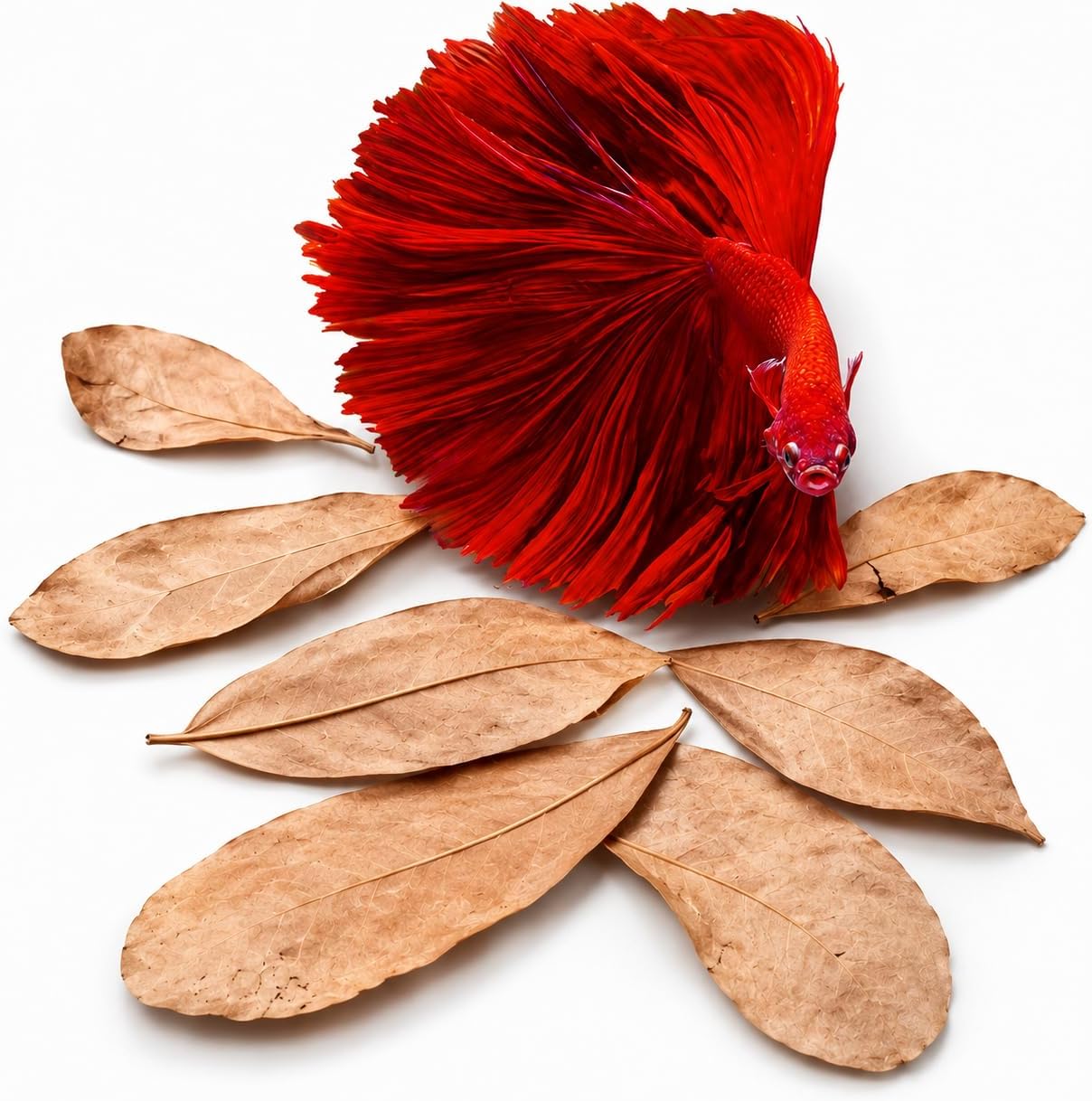
Keeping a betta fish warm doesn’t always require an electric heater. By using simple household items, proper tank placement, and smart water‑management tricks, you can maintain a stable temperature that keeps your finned friend thriving. These low‑cost solutions work year‑round and are easy to implement.
Key Takeaways
- Temperature range matters: Betta fish are happiest between 76‑82°F (24‑28°C).
- Location is key: Placing the tank away from drafts and direct sunlight helps stabilize temperature.
- DIY heat sources: Warm water bottles, seedling heat mats, and insulated covers are effective alternatives to heaters.
- Monitor with a thermometer: Even low‑tech solutions need regular checks to avoid overheating.
- Combine methods: Using two or more techniques together gives the most reliable warmth.
- Regular maintenance: Clean water and proper filtration prevent temperature fluctuations.
- Safety first: All DIY methods must be waterproof and free of chemicals that could harm your betta.
📑 Table of Contents
Introduction
If you’ve ever wondered “how to keep my betta fish warm without a heater,” you’re not alone. Many new betta owners face chilly rooms, short‑term moves, or simply want to avoid the extra cost of an aquarium heater. The good news is that bettas are surprisingly adaptable, and with a few clever tricks you can create a cozy environment that mimics the warmth of a tropical stream.
In this guide we’ll walk through practical, low‑budget solutions that anyone can set up in minutes. From positioning the tank to using everyday household items, each method is explained in plain language, with step‑by‑step instructions and safety tips. By the end you’ll have a toolbox of options to keep your betta comfortable, healthy, and stress‑free—no plug‑in heater required.
1. Understand Your Betta’s Ideal Temperature
Why 76‑82°F is the sweet spot
Betta fish originate from the warm, shallow waters of Southeast Asia. Their metabolism, immune system, and coloration all function best at 76‑82°F (24‑28°C). Below this range, you’ll notice slower swimming, reduced appetite, and a higher risk of disease. Above 84°F (29°C) the fish can become stressed and oxygen levels drop.

Visual guide about How to Keep My Betta Fish Warm Without a Heater
Image source: pngfacts.com
How to measure temperature accurately
The simplest tool is a floating or stick‑on aquarium thermometer. Place it in the water near the surface where the betta swims. Check it twice a day for the first week after any change, then daily thereafter. Consistency is more important than hitting an exact number.
2. Optimize Tank Placement
Keep the tank away from drafts
Cold air from windows, doors, or HVAC vents can quickly lower water temperature. Choose a spot on an interior wall, away from direct sunlight and drafts. A stable room temperature (around 70‑75°F) is ideal; the tank will then act as a thermal buffer.

Visual guide about How to Keep My Betta Fish Warm Without a Heater
Image source: i.pinimg.com
Use natural heat sources
Sunlight can be a gentle heater, but it must be indirect. Place the tank near a north‑facing window with filtered light or on a countertop that receives a few hours of morning sun. Avoid direct afternoon sun, which can cause overheating and algae spikes.
Internal link example
For a broader view on setting up the perfect home for your betta, see our guide on how to set up a tank for a betta fish.
3. DIY Insulation Techniques
Wrap the tank with a blanket or towel
Simply drape a fleece blanket or a thick towel around the outside of the tank (leaving the top open). This adds a layer of insulation, slowing heat loss. Change the covering if it gets wet.

Visual guide about How to Keep My Betta Fish Warm Without a Heater
Image source: as1.ftcdn.net
Use a styrofoam box
Place the entire tank inside a larger styrofoam cooler or a DIY box lined with foam board. Cut a hole for the lid and a small vent for air exchange. This creates a “warm room” around the water.
Bubble wrap method
Wrap the tank in bubble wrap, securing it with tape. The air pockets act like tiny insulators. This is especially useful for temporary setups, such as when traveling with your betta.
4. Warm Water Bottles and Seedling Heat Mats
Warm water bottle trick
Fill a sturdy plastic bottle with warm (not hot) water—about 80°F. Seal it tightly and place it in a zip‑lock bag for extra protection. Then nestle the bottle against the side of the tank, ensuring it doesn’t touch the glass directly. Replace the bottle every 4‑6 hours.
Seedling heat mats
These thin, electric mats are designed for germinating seeds but work well for aquariums. Place the mat under the tank, set it to the lowest setting, and monitor the temperature closely. Because the heat is gentle and evenly distributed, it’s a safe alternative to a dedicated aquarium heater.
Safety reminder
Never leave any DIY heat source unattended for more than a few hours, and always keep electrical components away from water splashes.
5. Manage Water Changes Wisely
Use pre‑warmed water
When performing routine water changes, heat the replacement water to the target temperature before adding it to the tank. A simple kitchen thermometer and a kettle (or a pot on the stove) will do the job. Add the water slowly to avoid shocking the betta.
Gradual temperature shifts
If the room is cold, add a small amount of warm water (around 82°F) each day until the tank reaches the desired range. This “step‑up” method prevents sudden spikes that could stress the fish.
Internal link example
Need a refresher on proper water‑change techniques? Check out how to do a water change for a betta fish.
6. Combine Methods for Consistent Warmth
Layered approach
The most reliable way to keep a betta warm without a heater is to use at least two methods together. For example, place the tank on a seedling heat mat, wrap it in a blanket, and keep a warm water bottle on the side. This redundancy ensures that if one method loses effectiveness (e.g., the bottle cools), the others maintain temperature.
Monitoring and adjusting
Keep a daily log of temperature readings, room conditions, and any changes you make. Over a few weeks you’ll see patterns and can fine‑tune your setup. If you notice the temperature dipping below 76°F at night, add another insulated layer or a second warm water bottle.
7. When DIY Isn’t Enough – Know When to Upgrade
Signs you need a real heater
If, despite all the tricks, the water consistently falls below 76°F, or if you live in a climate that regularly drops below 60°F, a small, adjustable aquarium heater becomes necessary. Look for a 25‑watt heater with a built‑in thermostat for safety.
Transitioning to a heater
When you finally add a heater, keep the DIY methods as backup during power outages. Gradually introduce the heater, monitoring the temperature to avoid rapid spikes.
Conclusion
Keeping your betta fish warm without a heater is entirely possible with a bit of creativity and vigilance. By understanding the ideal temperature range, positioning the tank wisely, insulating effectively, and using simple heat sources like warm water bottles or seedling mats, you can provide a stable, comfortable home for your vibrant companion. Remember to monitor the temperature regularly, combine methods for redundancy, and only resort to an electric heater if the climate demands it. With these strategies, your betta will stay active, colorful, and healthy—all without the extra cost of a dedicated heater.
Frequently Asked Questions
Can I use a regular household heater to warm my betta tank?
No. Household space heaters are not designed for aquarium use and can cause dangerous temperature spikes or electrical hazards. Stick to aquarium‑safe options or the DIY methods described above.
How often should I check the water temperature when using DIY methods?
Check twice a day for the first week, then at least once daily. If you notice any sudden changes, adjust your heat sources immediately.
Is it safe to place a heat mat under a glass tank?
Yes, as long as the mat is set to its lowest setting and you monitor the temperature. Ensure the mat is dry and that no water can seep onto the electrical components.
What should I do if my betta looks sluggish despite keeping the water warm?
Sluggish behavior can also be a sign of poor water quality or illness. Test the water parameters, perform a partial water change, and review our guide on how to fix a sick betta fish for further steps.
Can I leave a warm water bottle in the tank overnight?
Yes, but replace it every 4‑6 hours to maintain a steady temperature. Make sure the bottle is sealed and placed in a zip‑lock bag to prevent leaks.
Do tropical fish other than bettas need the same temperature range?
Many tropical species thrive in similar temperatures, but each species has its own optimal range. Always research the specific needs of any new fish you add to your community tank.