Should I Use a Heater in My Betta Fish
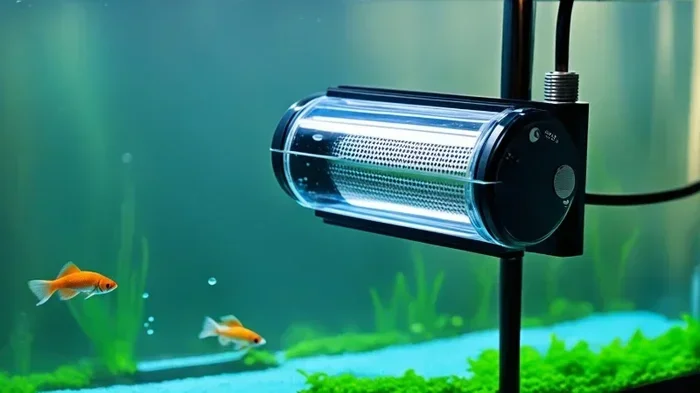
Yes, you should use a heater in your betta fish tank. Betta fish are tropical creatures that need warm, stable water to thrive. A betta fish heater helps maintain the right temperature, preventing stress and disease.
You love your betta fish. You want the best for them. But here is a question many new owners ask: should i use a heater in my betta fish tank? The answer might surprise you. Even though bettas are tough little fish, they come from warm tropical waters. They need that warmth to stay healthy and happy.
Think of it this way. You would not want to live in a freezing house with no thermostat. Your betta feels the same way. A betta fish heater gives them a comfortable, stable environment. In this guide, we will walk through everything you need to know about heating your betta’s home. We will cover why it matters, what type to pick, and how to avoid common mistakes.
Key Takeaways
- Betta fish need warm water: The ideal temperature range is 76-82°F (24-28°C).
- A heater keeps temperature stable: Fluctuations can cause stress and illness.
- Choose the right heater size: Small tanks need compact heaters like a 5-watt unit.
- Thermostat heaters are best: They automatically turn on and off to maintain the set temperature.
- Watch for signs of temperature stress: Lethargy, clamped fins, and loss of appetite are warning signs.
- Bowl setups are harder to heat: Consider a small tank with a heater for better betta fish care.
- Always monitor with a thermometer: A simple aquarium thermometer is your best friend.
📑 Table of Contents
Why Betta Fish Need Warm Water
Betta fish come from Southeast Asia. They live in warm, slow-moving waters like rice paddies and shallow ponds. The natural temperature in these habitats stays between 76 and 82 degrees Fahrenheit. That is the sweet spot for your betta.
When the water gets too cold, your betta’s body slows down. Their immune system weakens. They become sluggish and stop eating. Over time, cold water can lead to serious health problems like ich or fin rot.
On the other hand, water that is too hot is just as bad. Warm water holds less oxygen. Your betta may start gasping at the surface. So the goal is to keep things steady and warm. A heater makes this much easier.
The Ideal Temperature Range
Most experts agree that 78°F (25.5°C) is the perfect temperature for a betta fish. But anywhere between 76°F and 82°F works fine. The key is consistency. Big swings in temperature cause more harm than being slightly off the ideal number.
Here are some quick guidelines to remember:
- Below 74°F: Too cold. Your betta will get stressed.
- 76-82°F: The safe and comfortable zone.
- Above 84°F: Too hot. Oxygen levels drop dangerously.
If you keep your betta in a bowl or small tank, temperature changes happen fast. A drop of just a few degrees overnight can shock your fish. This is exactly why a heater for betta tank setups is so important.
Do Betta Fish Actually Need a Heater?
Some people think bettas can live without a heater. After all, they are hardy fish. They survive in small cups and bowls in pet stores. But those conditions are not ideal. They are just temporary.
If you want your betta to thrive, not just survive, a heater is a must. A can my betta fish need a heater search will show you that most experienced fish keepers say yes. The heater does more than just add warmth. It keeps the temperature from swinging around during the day and night.
Room temperature water is often too cool for bettas. In most homes, the air temperature drops at night. This cools the water too. Without a heater, your betta’s environment becomes unpredictable. That kind of stress shortens their lifespan.
What Happens Without a Heater?
Let us be honest. Without a heater, your betta faces real risks. Here are some of the problems that can happen:
- Temperature shock: Sudden drops can be fatal.
- Weakened immune system: Cold water makes bettas vulnerable to disease.
- Slow metabolism: Your fish may stop eating and lose energy.
- Lethargy: A cold betta will barely move around the tank.
These are not just small issues. They can turn into life-threatening conditions fast. A simple heater prevents all of this.
Types of Heaters for Betta Fish
Not all heaters are the same. There are a few different types out there. Let us look at the most common ones for a betta fish tank setup.
Submersible Heaters
These are the most popular choice. A submersible heater sits fully underwater. You can place it flat against the back wall of the tank. They come in different wattages. For a small betta tank, a 5-watt or 10-watt heater works great.
Submersible heaters are reliable and easy to hide behind decorations. Most models have a built-in thermostat. That means you set the temperature, and the heater does the rest.
Hang-On-Back Heaters
These heaters hang on the rim of the tank. The heating element sits inside the water. They are easy to install and usually affordable. However, they can be less precise than submersible models.
In-Line Heaters
In-line heaters connect to your filter tubing. The water passes through the heater before returning to the tank. These are great for larger setups. But for a simple betta bowl or small tank, they are overkill.
Comparison Table
| Heater Type | Best For | Price Range | Ease of Use |
|---|---|---|---|
| Submersible | Small to medium betta tanks | $5 – $15 | Easy |
| Hang-On-Back | Medium tanks with hang-on filters | $10 – $20 | Moderate |
| In-Line | Larger filtered setups | $20 – $40 | Harder |
For most betta setups, a submersible aquarium heater is the best bet. It is affordable, effective, and simple to use.
How to Choose the Right Heater Size
Choosing the right size heater matters more than you might think. A heater that is too small will struggle to warm the water. One that is too big might overheat the tank.
Here is a simple rule of thumb. Use 5 watts of heating power for every gallon of water. So a 5-gallon tank needs a 25-watt heater. A 10-gallon tank needs a 50-watt heater. But betta tanks are usually small, so a 5-watt or 10-watt heater is often perfect.
Also, look for a heater with a built-in thermostat. This is a game-changer. A thermostat heater turns itself off when the water reaches the set temperature. It turns back on when the water cools down. This keeps everything balanced without you doing any work.
Quick Tips for Heater Selection
- Pick a heater rated for your tank size or slightly smaller.
- Choose a model with an adjustable thermostat.
- Look for a heater with a protective plastic casing.
- Buy a separate aquarium thermometer to double-check the temperature.
- If you are using a bowl, consider upgrading to a small tank with a heater for better betta fish warmth and comfort.
Where to Place the Heater in Your Betta Tank
Where you put the heater matters just as much as which one you buy. A badly placed heater can create hot spots or fail to warm the whole tank evenly.
Here are some placement tips to follow:
- Near the filter outflow: This helps spread the warm water around the tank.
- Against the back wall: Most submersible heaters work best when placed flat on the back glass.
- Away from the substrate: Keep the heater raised slightly so debris does not block the heating element.
- Not near the air stone: The bubbling can cool the water near the heater and throw off the thermostat.
If you have a small tank, you might want to put my betta fish in warm water first to test the heater before adding your fish. This gives you time to make sure everything is working correctly.
Common Mistakes to Avoid
Even with the best intentions, mistakes happen. Here are some common errors betta owners make with their heaters.
Skipping the Thermometer
A heater with a thermostat is helpful. But it is not 100% accurate. Always use a separate aquarium thermometer. This lets you verify the actual water temperature. A quick check each morning takes just a few seconds.
Using a Heater That Is Too Big
A large heater in a tiny tank can cause the water to overheat fast. This leads to low oxygen levels and stressed fish. Always match the heater size to your tank volume.
Not Adjusting the Temperature Setting
Many heaters come pre-set to a default temperature. That default might not be right for bettas. Check the setting and adjust it to 78°F before you place the heater in the tank.
Ignoring Room Temperature
If your room gets cold at night, your tank water will cool down too. A heater helps, but placing the tank near a window or drafty door can make the heater work overtime. Keep the tank in a stable, warm spot in your home.
Also, if you are using a bowl, you might want to look into whether you should use a heater there. Many people ask, can my betta fish keep in a gallon tank with a heater, and the answer is yes. A small tank with a proper heater is always better than a bowl without one.
Signs Your Betta Is Too Cold
How do you know if your betta is uncomfortable? Your fish will tell you if you pay attention. Here are the signs that the water is too cold:
- Lethargy: Your betta stays at the bottom and barely moves.
- Clamped fins: Fins stay closed against the body instead of being spread out.
- Loss of appetite: Your betta refuses food or eats very little.
- Faded colors: The vibrant colors start to dull.
- Breathing fast: Quick gill movements can signal stress.
If you notice any of these signs, check the water temperature right away. Adjust the heater and monitor the temperature over the next few hours. Your betta should perk up once the water warms back to the right range.
Final Thoughts on Heating Your Betta Tank
So, should you use a heater in your betta fish tank? Absolutely. A heater is one of the simplest and most affordable ways to improve your betta’s quality of life. These little fish come from warm tropical environments, and they need that warmth to stay healthy and vibrant.
A good submersible heater with a thermostat is all you need for most betta setups. Pair it with a reliable thermometer, and you have a winning combination. Your betta will swim actively, eat well, and show off its beautiful colors when the water is just right.
Take the time to set up the heater properly. Avoid the common mistakes we talked about. And remember, a small investment in a heater today can add years to your betta’s life. Happy fish keeping!
Frequently Asked Questions
Can I use a heater in a betta fish bowl?
It is possible but tricky. Bowls are very small, and temperature changes happen fast. A tiny 5-watt heater can work, but you will need to monitor it closely. A small tank with a heater is always a better option for betta fish care.
What temperature is too cold for a betta fish?
Any temperature below 74°F is too cold for a betta. At that point, their metabolism slows down and their immune system weakens. Always keep the water between 76°F and 82°F for the best results.
Can room temperature water be warm enough for a betta?
In most homes, room temperature is not warm enough. Typical indoor temperatures range from 68°F to 72°F, which is below the safe range for bettas. A heater ensures the water stays in the right zone.
How long does it take for a betta tank heater to warm up the water?
It depends on the tank size and the starting temperature. A small 5-gallon tank with a 10-watt heater usually reaches the target temperature within 24 to 48 hours. Be patient and use a thermometer to check progress.
Do betta fish need a heater at night?
Yes, absolutely. The water temperature can drop at night, especially in cooler rooms. A heater with a thermostat keeps the temperature stable around the clock, so your betta stays comfortable while you sleep.
Is a 3-watt heater enough for a betta fish tank?
A 3-watt heater might work for a very small bowl (1-2 gallons), but it is on the low end. A 5-watt or 10-watt heater gives you more reliable heating and better tank temperature control for your betta.