Is It Better to Fish in a High Current Trout

Is it better to fish in a high current trout setting? Strong water movement can be great for some fish species, but it depends on the type of fish and their natural habitat. High current environments challenge fish in different ways, and understanding these dynamics helps you make better decisions for both fishing and aquarium care. This guide breaks down everything you need to know.
Have you ever wondered whether is it better to fish in a high current trout environment? The answer might surprise you. Strong water movement plays a huge role in where fish live, how they feed, and how they behave. Whether you are out on a river chasing trout or setting up a home aquarium, current matters a lot.
Fish respond to water flow in very different ways. Some species actually seek out fast-moving water because it brings food and oxygen. Others avoid it completely. Understanding this difference is key to making smart decisions about where and how to fish, or how to set up your tank. In this article, we will break down everything you need to know about fishing and keeping fish in high current conditions.
We will cover what high current means for different fish species, how to manage water flow in an aquarium, and what happens when the current is too strong. By the end, you will have a clear picture of when high current helps and when it hurts. Let us dive right in.
Key Takeaways
- Not all fish thrive in high current: Some species love fast-moving water, while others prefer calm conditions.
- Betta fish need careful current management: Too much flow can stress them out and harm their health.
- Trout naturally seek high current zones: They are built for strong water movement and use it to their advantage.
- Filter strength matters: Adjusting your aquarium filter can create the ideal current for your fish.
- Watch for stress signs: Knowing when fish are struggling in high current saves lives and improves tank conditions.
- Fishing in high current requires the right gear: Using the proper rod and technique makes a big difference.
📑 Table of Contents
- What Does High Current Mean for Fish?
- Why Trout Love High Current
- How High Current Affects Betta Fish
- Fishing Gear for High Current Conditions
- Comparing High Current vs. Low Current Fishing
- Common Mistakes When Fishing or Keeping Fish in High Current
- Expert Tips for Managing Current in Aquariums
- Final Thoughts on Fishing in High Current
What Does High Current Mean for Fish?
Water current is simply the movement of water in a river, stream, or aquarium. When we talk about high current, we mean water that flows fast and strong. This can happen in natural rivers or be created by filters and pumps in a fish tank.
In nature, current is driven by gravity, wind, and the shape of the riverbed. In an aquarium, current comes from filters, powerheads, and water pumps. Both settings affect fish in important ways. Is it better to fish in a high current trout zone? For trout, the answer is often yes. But for other species, high current can be a serious problem.
How Fish React to Strong Current
Fish have different tolerance levels for water movement. Some fish are built to handle fast currents. Their body shape, fin strength, and swimming ability all help them thrive in rushing water. Other fish are not built for this at all.
Here are some common ways fish react to high current:
- Strong swimmers seek the current: Fish like trout and salmon love fast water because it delivers food and oxygen.
- Weaker swimmers hide behind rocks: Many species avoid high current and look for calm spots to rest.
- Stressed fish show behavioral changes: Fish in too-strong current may gasp at the surface or hide constantly.
- Some fish use current to rest: Certain species let the water push them while they save energy.
Understanding how fish react to current helps you choose the right environment. It also helps you decide if is it better to fish in a high current trout zone or find calmer water instead.
Why Trout Love High Current
Trout are one of the best examples of fish that thrive in strong current. Their bodies are shaped for speed and agility. They have streamlined bodies and powerful tails that let them ride the rapids with ease.
When you ask yourself is it better to fish in a high current trout area, consider these reasons:
- Food delivery: Fast current brings insects, larvae, and small prey right to the trout.
- Oxygen-rich water: Moving water holds more oxygen than still water, which trout need to survive.
- Natural habitat: Trout evolved in rivers and streams with strong flow.
- Predator avoidance: Fast current can make it harder for predators to catch trout.
Trout position themselves in specific spots within a river to make the most of the current. They look for seams, eddies, and pools where fast and slow water meet. This is why fishing in high current areas can be so productive for trout anglers.
Best Spots to Find Trout in Current
Not all high current areas hold trout equally. Here are the best spots to target:
- Seams: Where fast water meets slow water, trout wait for food to drift by.
- Eddies: These calm pockets behind rocks let trout rest while still being close to food.
- Riffles: Shallow, fast-moving water where insects are abundant.
- Pools: Deeper areas with moderate current where trout hold during warmer weather.
Knowing where trout hold in current makes your fishing much more effective. It is not just about finding fast water. It is about finding the right kind of fast water.
How High Current Affects Betta Fish
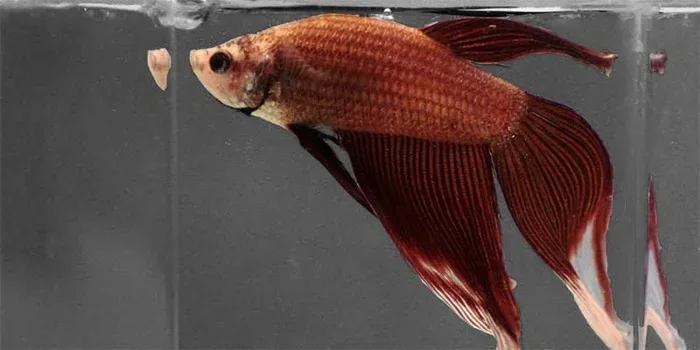
Now let us shift gears to betta fish. Betta fish are tropical freshwater fish that come from slow-moving waters in Southeast Asia. They are not built for strong currents. So when you ask is it better to fish in a high current trout environment and then think about keeping bettas, the answer is very different.
Betta fish prefer gentle water flow. Strong current can cause them serious stress. They may struggle to swim, lose their appetite, or develop health problems over time.
Signs Your Betta Is Struggling With Current
Watch for these warning signs if you keep betta fish in a tank with strong flow:
- Flaring and erratic swimming: Your betta may swim frantically or look like it is being pushed around.
- Hiding constantly: A betta that hides behind decorations may be avoiding too much current.
- Loss of color: Stress from strong current can cause your betta to fade.
- Refusing food: If your betta stops eating, the current might be the problem.
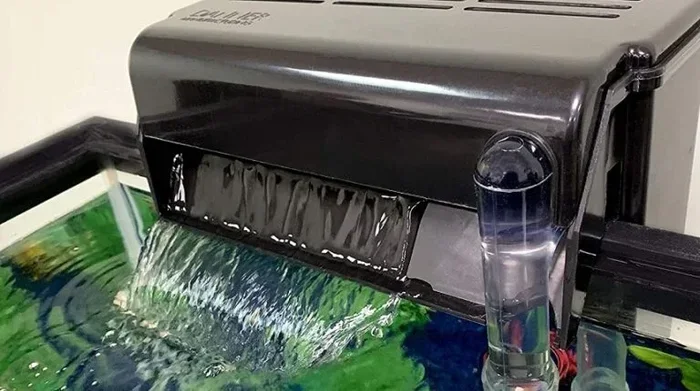
If you notice these signs, it is time to adjust your tank setup. You can reduce current by repositioning the filter outlet or adding a sponge pre-filter. Can a betta fish have too much current? Absolutely. And the effects can be harmful if left unchecked.
Adjusting Current in a Betta Tank
Managing water flow in a betta tank is simple with the right approach. Start by choosing a filter rated for a smaller tank than yours. This reduces the flow rate naturally. You can also point the filter output toward the glass or a plant to diffuse the current.
Another great option is to add a sponge filter. Sponge filters provide gentle filtration without creating strong currents. They are perfect for betta fish tanks and help maintain clean water without stressing your fish.
Remember, do fish feed better in low or high pressure environments also plays a role. When current is too strong, bettas may not be able to reach their food easily. This leads to poor feeding and malnutrition over time.
Fishing Gear for High Current Conditions
If you are heading out to fish in high current water, your gear matters a lot. The wrong equipment can make your trip frustrating and unproductive. Using the right rod, line, and lure setup gives you a real advantage.
When considering is it better to fish in a high current trout environment, having the right tools is essential. Here is what you need to think about:
Choosing the Right Rod
Not all fishing rods are created equal. When fishing in strong current, you need a rod that can handle the weight of fast-moving water and fighting fish.
- Medium to medium-heavy action rods: These give you the power to control your line in fast water.
- Longer rods (8-9 feet): Longer rods give you better leverage and casting distance in current.
- Fluorocarbon line: This line sinks faster and is less visible in moving water.
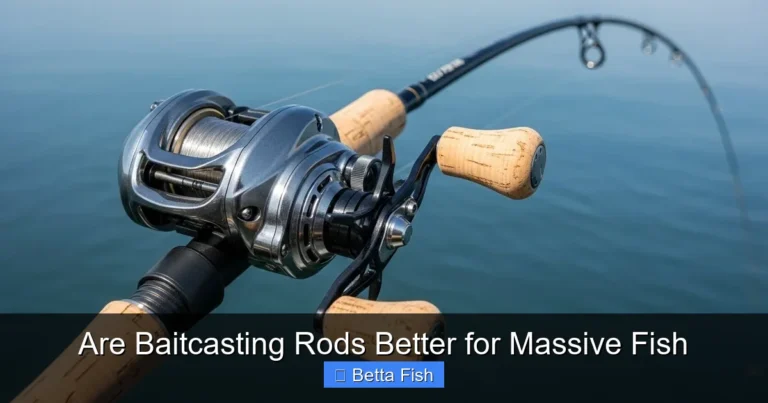
Wondering which setup works best? Which rod is better in fish scenarios with strong current? A medium-heavy spinning rod with 8-10 lb test fluorocarbon line is a great all-around choice. It handles trout in current very well.
Lure Selection for High Current Fishing
The right lure makes a huge difference when fishing in fast water. You want lures that can move naturally despite the current. Here are some top picks:
- Spinners: The spinning blade creates vibration that attracts trout even in strong flow.
- Spoons: These wobble and tumble through current in a way that imitates injured prey.
- Soft plastics: Senkos and grubs work well when bounced along the bottom in current.
- Live bait: Worms and minnows naturally drift with the current, which trout find irresistible.
Using the right lure in high current water increases your chances of a successful catch. Match your lure to the speed of the current and the behavior of the fish you are targeting.
Comparing High Current vs. Low Current Fishing
Fishing in high current is not always better than fishing in low current. It depends on the species, the season, and your goals. Let us compare the two approaches side by side.
| Factor | High Current | Low Current |
|---|---|---|
| Best for | Trout, salmon, strong swimmers | Bass, catfish, calm-water species |
| Oxygen levels | Higher oxygen | Lower oxygen |
| Food availability | Food drifts naturally | Food settles on bottom |
| Fishing difficulty | Harder to control gear | Easier to fish |
| Fish stress | Low for current-loving species | Low for calm-water species |
| Best time to fish | Early morning, overcast days | Any time, especially calm days |
This table shows that there is no one-size-fits-all answer. The best choice depends on what you are fishing for and where you are fishing. Is it better to fish in a high current trout zone? Yes, for trout. But for other species, low current might be the better option.
When to Choose High Current Fishing
High current fishing works best when you are targeting species that naturally live in fast water. Trout, salmon, and steelhead are prime examples. These fish have adapted to strong flow and often feed actively in current.
Early morning and late evening are the best times to fish high current areas. During these times, light levels are low and trout are more active. Overcast days also work well because trout feel safer feeding in open current when the sky is cloudy.
When to Choose Low Current Fishing
Low current fishing is better for species that prefer calm water. Bass, panfish, and catfish all do well in slower-moving water. These fish use structure like logs, weeds, and rocks to ambush prey rather than chasing it in current.
If you are fishing after a storm or during a period of heavy rain, the current may be too high for calm-water species. In these cases, look for side channels, backwaters, and sheltered areas where the flow is weaker.
Common Mistakes When Fishing or Keeping Fish in High Current
Even experienced anglers and fish keepers make mistakes with current. Here are some common errors to avoid:
Mistake 1: Ignoring Current Strength
Many people set up their aquarium or choose a fishing spot without considering the current. This can lead to stressed fish or poor fishing results. Always assess the water flow before making decisions.
Mistake 2: Using the Wrong Gear
Using light tackle in high current leads to broken lines and lost fish. Likewise, using heavy gear in low current spooks fish. Match your gear to the conditions every time.
Mistake 3: Overlooking Fish Behavior
Fish change their behavior based on current. If you are not seeing bites or your fish are hiding, the current might be the problem. Pay attention and adjust your approach accordingly.
Mistake 4: Not Adjusting Over Time
Current changes with weather, seasons, and water levels. What worked last week might not work today. Stay flexible and be willing to change your strategy.
Expert Tips for Managing Current in Aquariums
Keeping your aquarium current at the right level is important for fish health. Here are some expert tips that make a real difference:
- Use a controller: Adjustable filter controllers let you fine-tune water flow throughout the day.
- Create flow zones: Position decorations and plants to create calm areas where fish can rest away from current.
- Observe your fish daily: Watch how your fish interact with the current. Healthy fish swim calmly and explore the whole tank.
- Clean your filter regularly: A clogged filter can create uneven and sometimes too-strong current in certain areas of the tank.
- Research your species: Every fish species has different current preferences. Know what your fish needs before setting up the tank.
These simple steps help you maintain a healthy aquarium environment. They also reduce stress and keep your fish happy and active.
Final Thoughts on Fishing in High Current
So, is it better to fish in a high current trout environment? For trout, the answer is a clear yes. Trout are built for strong current and feed actively in fast-moving water. The right gear, the right spots, and the right timing all contribute to success.
But for other fish species, high current can be harmful. Betta fish, for example, need gentle flow to stay healthy and stress-free. Understanding the difference between species is what separates a good angler from a great one.
Whether you are casting a line in a rushing river or adjusting the filter on your home aquarium, current plays a vital role. Respect the water flow, match your approach to the species, and you will see better results every time.
The next time you plan a fishing trip or set up a new tank, think about the current. It might just be the factor that makes all the difference. Happy fishing and happy fish keeping.
Frequently Asked Questions
Is it better to fish in a high current trout area?
Yes, trout naturally live in fast-moving water and feed actively in high current zones. Strong current delivers food and oxygen, making these areas productive for fishing. However, you need the right gear and technique to succeed.
Can high current harm my aquarium fish?
Absolutely. Fish that are not built for strong flow can become stressed, stop eating, and develop health issues. Always match your tank’s current to the needs of your specific fish species.
What is the best filter setup for a betta fish tank with some current?
A sponge filter or a hang-on-back filter with the flow adjusted downward works best for betta tanks. You want gentle filtration that keeps water clean without creating strong currents that stress your fish.
How do I know if the current in my tank is too strong?
Watch your fish closely. If they are struggling to swim, hiding constantly, or refusing food, the current may be too high. Also check if small decorations or plants are being pushed around by the flow.
What time of day is best for fishing in high current?
Early morning and late evening are the best times. Low light levels make trout more active in current. Overcast days also produce good results because trout feel safer feeding in open water.
Do fish bite better in high or low pressure?
Fish feeding behavior changes with atmospheric pressure. Many species feed more actively in low-pressure conditions, which often bring clouds and rain. Understanding pressure patterns helps you choose the best time to fish in any current condition.