Is Fishing Better Before or After a Full Moon
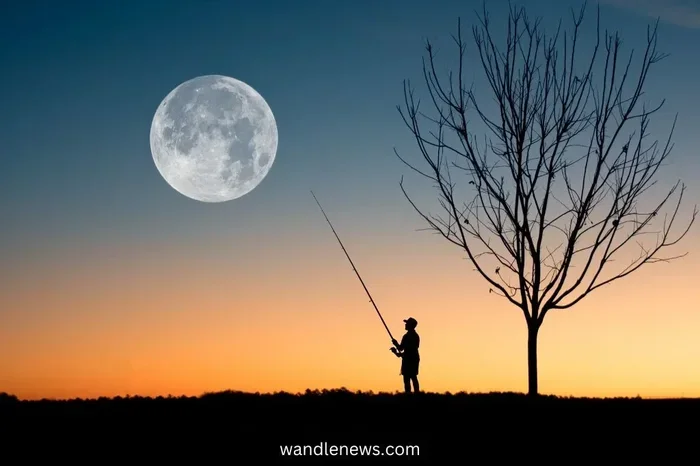
Many anglers wonder if fishing is better before or after a full moon. The moon’s gravitational pull affects tides and fish feeding patterns, making lunar timing a key factor in your success. Whether you fish before or after the full moon, understanding these cycles can dramatically improve your catch rate. This guide breaks down the science, timing, and proven strategies for moon phase fishing so you can plan your next trip with confidence.
Every angler wants to know the secret to a great day on the water. One question that comes up again and again is whether fishing is better before or after a full moon. The answer is not as simple as yes or no. The moon plays a huge role in fish behavior, tidal movements, and feeding patterns. Understanding this connection can change the way you plan every trip.
Whether you are a weekend angler or a seasoned pro, paying attention to the lunar cycle can give you a real advantage. Fish respond to the moon in fascinating ways. During a full moon, the gravitational pull is at its strongest. This affects tides, light levels, and even the internal clocks of fish. The result? Changes in when and how actively fish feed.
In this guide, we will walk you through everything you need to know about fishing by moon phase. You will learn what happens before the full moon, what happens after, and how to use this knowledge to catch more fish. We will also cover the science behind it all, practical tips, and common mistakes to avoid. By the end, you will feel confident planning your trips around the lunar calendar.
Key Takeaways
- Fish behavior changes with the full moon: The lunar cycle directly impacts feeding patterns and fish activity levels.
- Fishing before the full moon can be highly productive: The days leading up to the full moon often trigger aggressive feeding.
- Fishing after the full moon also has advantages: Post-full moon periods offer unique opportunities for certain species and conditions.
- Solunar theory explains the connection: Moonrise, moonset, and gravitational forces create peak fishing windows.
- Tidal movements matter most: Spring tides during full moons create strong currents that stimulate fish feeding.
- Timing your trip is everything: Planning around the lunar calendar gives you a serious edge on the water.
📑 Table of Contents
Understanding the Full Moon and Its Effect on Fishing
The full moon is one of the most talked-about phases in moon phase fishing. It happens when the Earth sits between the sun and the moon. The moon’s face is fully illuminated from our perspective. But what does this mean for fish?
How the Moon Affects Fish Behavior
The moon controls the tides. When the moon is full, the gravitational pull creates stronger tidal movements. These are called spring tides. The stronger tides move more water, which stirs up food sources. Fish notice this and often feed more actively.
Fish feeding patterns change during the full moon for several reasons:
- Increased light at night: The full moon makes nights brighter. This affects nocturnal feeders. Some fish hunt more at night during a full moon. Others hide because they feel more exposed.
- Stronger tidal currents: The moving water brings nutrients and baitfish to new areas. Preditive fish follow these food sources.
- Barometric pressure shifts: The full moon can influence weather patterns. Changes in pressure affect how aggressively fish feed.
- Internal biological clocks: Fish have natural rhythms tied to the lunar cycle. These rhythms tell them when to feed, spawn, and rest.
Many anglers report that is fishing better before or after a full moon depends on the species they are targeting. Some fish feed heavily before the full moon. Others peak after it. The key is knowing which window works best for your target species.
Is Fishing Better Before or After a Full Moon?
This is the million-dollar question. The truth is, both windows have their strengths. Let us break down what happens before and after the full moon so you can decide which fits your fishing style.
Fishing Before the Full Moon
The days leading up to the full moon are often considered excellent fishing days. As the moon approaches its full phase, gravitational pull increases. Tides become stronger. Fish start feeding more aggressively in preparation for the peak lunar phase.
Many experienced anglers swear by fishing the 2 to 3 days before a full moon. During this time, you may notice:
- Fish feeding more actively during dawn and dusk
- Increased strikes from predatory species
- Better movement of baitfish in shallow waters
- Stronger current pulls that attract game fish
If you have ever asked yourself, is fishing better after rain, you know that weather and water conditions matter a lot. The same logic applies to the lunar cycle. The buildup before the full moon creates conditions that fish respond to positively.
Fishing After the Full Moon
The days following the full moon also offer great opportunities. After the peak, the moon starts to wane. The gravitational pull begins to decrease. But fish do not stop feeding just because the moon is shrinking.
In fact, many anglers find that fishing after a full moon can be just as productive. Here is why:
- Post-full moon feeding frenzies: Fish that fed heavily before the full moon continue to eat aggressively afterward.
- Adjusting to new light levels: The bright nights of the full moon fade. Fish adjust their feeding schedules, creating new opportunities.
- Strong tides continue: Even after the full moon, spring tides persist for a day or two. The strong currents keep fish active.
- Better daytime fishing: After the full moon, nights get darker. This pushes some species to feed more during daylight hours.
If you prefer fishing at night or day, the post-full moon period can shift the best windows to suit your schedule. Night fishing may become less productive as the moon wanes, but daytime action often picks up.
The Science Behind Moon Phase Fishing
You do not need a science degree to understand why the moon matters. But knowing the basic principles helps you trust the process. Let us look at the two main theories behind lunar fishing.
Solunar Theory Explained
The solunar theory is one of the most popular frameworks for fishing by moon phase. It was developed by John Alden Knight in 1926. The theory states that fish feed at specific times based on the moon’s position.
According to solunar theory, there are major and minor feeding periods each day:
- Major periods: These occur around moonrise and moonset. They typically last about 1 to 2 hours. Fish are most active during these windows.
- Minor periods: These occur halfway between moonrise and moonset. They are shorter and less intense but still worth fishing.
The solunar theory also suggests that fishing is better before or after a full moon because the gravitational forces are strongest during this time. The major feeding periods during a full moon tend to be more intense and longer-lasting.
Tidal Influences on Fish Activity
Tides are one of the biggest factors in moon phase fishing. The moon’s gravity pulls water toward it, creating high tides. When the sun and moon align during a full moon, the effect is amplified. This creates spring tides with the highest high tides and lowest low tides.
Why does this matter for fishing? Moving water brings food. It also triggers predatory instincts in fish. If you have ever wondered, is high tide or low tide better for fishing, the answer often depends on the species. But during a full moon, both extremes of the tide cycle can be productive.
Strong tidal currents also push baitfish into predictable patterns. Game fish like bass, tarpon, and redfish know where to find them. This makes tidal timing during the full moon a powerful tool for any angler.
Best Fishing Strategies During Full Moon Phases
Now that you understand the science, let us talk about how to put this knowledge to work. Planning your trips around the full moon can boost your success significantly.
Tips for Fishing Before the Full Moon
The pre-full moon window is a favorite for many anglers. Here is how to make the most of it:
- Fish during dawn and dusk: These are prime feeding times. The combination of low light and rising tides creates ideal conditions.
- Target shallow water: As tides rise, fish move into shallower areas to feed. Look for flats, marshes, and shoreline structure.
- Use brighter lures: The increasing moonlight makes fish more cautious. Brighter or more reflective lures can help attract attention.
- Check your local fishing calendar: Many fishing apps and calendars include solunar times. Use them to plan your trips around major feeding periods.
Tips for Fishing After the Full Moon
The post-full moon period requires a slightly different approach:
- Shift to daytime fishing: As nights get darker, many species move to daytime feeding. Take advantage of this shift.
- Fish the outgoing tide: After the full moon, the outgoing tide can concentrate baitfish. Predators follow them into channels and cuts.
- Try deeper water: As the moon wanes, fish may move to slightly deeper areas. Adjust your fishing depth accordingly.
- Use natural bait: Post-full moon fish can be more selective. Natural bait that matches the local forage can be more effective.
Remember, is fishing better at night or day depends on the phase and conditions. After the full moon, daytime often becomes the better window. Adjust your schedule to match the fish behavior.
Common Mistakes to Avoid When Fishing by the Moon
Even the best knowledge can lead to poor results if you make common mistakes. Here are some pitfalls to watch out for when planning your moon phase fishing trips.
Relying Only on the Moon Phase
The moon is important, but it is not the only factor. Weather, water temperature, barometric pressure, and local conditions all play a role. If you only look at the lunar calendar and ignore everything else, you will miss the full picture.
For example, is fishing better when water is rising or falling? Both can be productive depending on the species. The moon influences tides, but local factors like wind and rainfall also affect water levels. Always consider the complete picture.
Ignoring Local Knowledge
Every fishing spot has its own quirks. The full moon may affect a coastal estuary differently than a freshwater lake. Talk to local anglers. Check with bait shops. Learn how the moon phase specifically affects your favorite fishing spot.
Overlooking the Weather
A full moon on a cloudy, rainy night is very different from a clear, bright full moon. Cloud cover blocks moonlight, which changes fish behavior. Rain can muddy the water and shut down feeding. Always check the weather forecast alongside the lunar calendar.
If is fishing better after a storm is a question you have pondered, you know that weather events can override lunar patterns. A storm before or during a full moon can completely change fish behavior. Be flexible and adapt your plans accordingly.
Quick Tips for Moon Phase Fishing Success
Here are some fast, actionable tips you can use right away:
- Plan trips 2 to 3 days before the full moon for aggressive pre-feeding activity.
- Fish major solunar periods around moonrise and moonset for the best chances.
- Bring both bright and natural lures to match changing light conditions.
- Fish the tide changes during spring tides for maximum water movement.
- Keep a fishing journal to track moon phases and your catch rates over time.
- Check local tide charts alongside the lunar calendar for the most accurate planning.
- Adjust your expectations after the full moon as fish behavior shifts.
Final Thoughts
The answer to whether fishing is better before or after a full moon depends on several factors. Both windows offer unique advantages. The days before the full moon bring aggressive feeding as fish prepare for the peak lunar phase. The days after offer post-feeding opportunities and shifting activity patterns that can favor daytime fishing.
The key is to understand the lunar cycle, plan accordingly, and stay flexible. Use solunar tables, check tide charts, and pay attention to local conditions. The moon is a powerful tool, but it works best when combined with good old-fashioned fishing knowledge and experience.
Next time you plan a trip, look up the full moon date. Give yourself the best chance by fishing during the right window. You might just notice a big difference in your catch. The moon has been guiding fish behavior for millions of years. It is time we started using it to guide our fishing trips too.
Frequently Asked Questions
Why does the full moon affect fishing?
The full moon increases gravitational pull, which creates stronger tides and brighter nights. These changes affect fish feeding patterns, water movement, and baitfish activity. Fish respond to these shifts, making the full moon a key factor in moon phase fishing.
What is the best time to fish around a full moon?
The 2 to 3 days before and after the full moon are often the most productive. Major solunar periods around moonrise and moonset are especially effective. Combining these windows with dawn and dusk hours gives you the best chances.
Is night fishing better during a full moon?
Night fishing can be excellent during a full moon because the bright light allows fish to feed more confidently after dark. However, some species become more cautious under bright moonlight. It depends on the species and local conditions.
Can I use a fishing calendar to plan around the full moon?
Absolutely. Fishing calendars include solunar times and moon phase data. They help you identify the best days and times to fish. Many apps also factor in local tide charts for even more precise planning.
Does the full moon affect freshwater fishing too?
Yes, the full moon affects both saltwater and freshwater fishing. In freshwater, the moon influences tidal movements in rivers and estuaries. It also affects fish feeding rhythms and nocturnal activity, even in lakes and ponds.
What should I do if the weather conflicts with the full moon?
Weather often matters more than the moon phase alone. If a storm or cold front hits during the full moon, fish may not feed actively. Always prioritize current weather and water conditions over the lunar calendar. Flexibility is key to consistent success.
=== META TITLE ===
Is Fishing Better Before or After a Full Moon?
=== URL SLUG ===
is-fishing-better-before-or-after-a-full-moon