Is Chicken for Fish Cat Food Better

Chicken can be a safe occasional treat for betta fish, but it should never replace a proper betta fish diet. This guide covers whether chicken for fish cat food is a better option, what nutrients betta fish need, and how to feed chicken safely without risking health problems.
So you are wondering if chicken for fish cat food is better than the options you currently use. Maybe you ran out of betta pellets, or you are just curious about what else you can feed your finned friend. Either way, this is a question many fish owners ask, and the answer is not as simple as yes or no. The short answer is that chicken can work as an occasional treat, but it is not a replacement for proper betta fish nutrition.
Betta fish need specific nutrients to stay healthy, colorful, and active. While chicken has protein, it does not offer everything your fish needs to thrive. In this article, we will break down whether chicken is a good choice, how it compares to cat food and other options, and what the best feeding practices are. You will walk away knowing exactly what to put in your tank.
Let us dive into the details and help you make the best decision for your betta.
Key Takeaways
- Chicken is safe in moderation: Small amounts of cooked, unseasoned chicken can be fed to betta fish occasionally as a treat.
- Not a complete diet: Chicken lacks essential nutrients that betta fish need for long-term health and vitality.
- Cat food is not ideal for fish: Most cat foods contain fillers and ingredients that are not suitable for aquatic pets.
- Proper preparation matters: Always cook chicken thoroughly and remove all bones before offering it to your fish.
- Better alternatives exist: Specialized betta pellets and frozen foods provide complete and balanced nutrition.
- Variety keeps fish healthy: Rotating between high-quality foods prevents nutritional gaps and keeps betta fish engaged.
📑 Table of Contents
Is Chicken Safe for Betta Fish?
What Happens When Betta Fish Eat Chicken
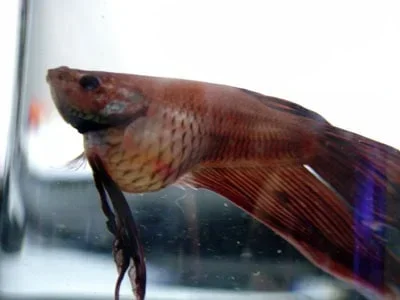
Betta fish are carnivores by nature. They eat protein-rich foods in the wild, such as insects, larvae, and small crustaceans. Chicken is also a protein source, so it makes sense that fish might be able to eat it. In small amounts, cooked chicken is not toxic to betta fish.
However, chicken does not contain the same amino acid profile that betta fish need. Fish protein and chicken protein differ in structure. Your betta may digest chicken, but it will not get the full nutritional benefit. Think of it like eating a food that fills you up but does not give you the vitamins you need.
Risks of Feeding Chicken to Fish
There are some real risks to keep in mind. Raw chicken can carry bacteria like salmonella, which is dangerous for both fish and humans. Always cook chicken thoroughly before offering it to your fish. Also, chicken contains fat that betta fish are not built to process in large amounts. Too much fat can lead to digestive issues and bloating.
Another concern is seasoning. Never feed your betta chicken that has been cooked with salt, garlic, butter, or any spices. These additives can harm your fish and pollute the tank water. Plain, boiled, and unseasoned chicken is the only safe option.
Chicken vs Cat Food for Betta Fish
Why Cat Food Is Not Designed for Fish
You might be thinking about using cat food as an alternative. Cat food is widely available and affordable, which makes it tempting. But here is the thing. Cat food is formulated for cats, not fish. The nutritional needs of cats and betta fish are very different.
Cat food often contains plant-based proteins, fillers, and artificial additives. Betta fish need animal-based protein sources. Cat food also tends to float, which is not ideal for bettas that prefer to eat from the surface or mid-water column. Over time, feeding cat food can lead to malnutrition and water quality problems in your tank.
Nutritional Comparison
| Nutrient | Chicken (Cooked) | Cat Food | Betta Pellets |
|---|---|---|---|
| Protein Content | ~26g per 100g | ~30-40g per 100g | ~35-45g per 100g |
| Fat Content | ~3g per 100g | ~10-15g per 100g | ~5-8g per 100g |
| Fish-Specific Nutrients | None | Low | High |
| Fillers and Additives | None (if plain) | High | Low |
| Digestibility for Fish | Moderate | Poor | Excellent |
As you can see, betta pellets are the clear winner. They are specifically designed to meet the needs of your fish. If you are looking for the best food for betta fish, commercial betta pellets should always be your first choice.
Understanding Betta Fish Nutritional Needs
Protein and Amino Acid Requirements
Betta fish need a diet that is high in protein, typically around 35 to 45 percent protein content. In the wild, bettas eat a diet rich in animal-based proteins. Their digestive systems are short and designed to process meat-based foods efficiently.
Chicken does provide protein, but it is not the right kind of protein for bettas. Fish protein contains specific amino acids like taurine and arginine that bettas need. These amino acids support heart health, muscle function, and immune response. Chicken lacks these in the right ratios for fish.
Essential Vitamins and Minerals
Beyond protein, betta fish need vitamins and minerals to stay healthy. Vitamin C supports immune function. Calcium helps with bone and fin health. B vitamins support energy and metabolism. Most commercial betta foods are fortified with these essential nutrients.
Chicken alone cannot provide this full spectrum of nutrition. If you feed chicken regularly, your betta may develop nutritional deficiencies over time. This can lead to a weakened immune system, faded colors, and lethargy. A healthy fish diet includes a balanced mix of proteins, vitamins, and minerals tailored for aquatic life.
How to Safely Prepare Chicken for Your Betta Fish
Step-by-Step Cooking Instructions
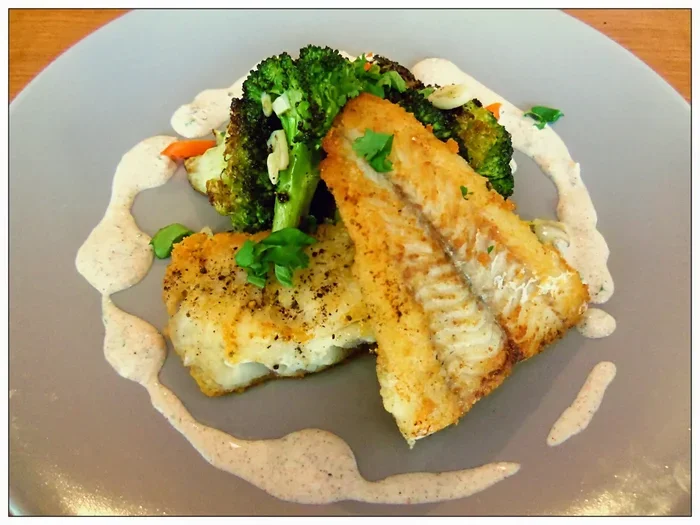
If you decide to feed chicken to your betta as an occasional treat, preparation is key. Follow these simple steps to keep your fish safe.
- Choose plain, boneless chicken breast. Avoid processed or pre-seasoned chicken.
- Boil the chicken in plain water until fully cooked. Do not use oil, salt, or any seasoning.
- Let the chicken cool completely to room temperature.
- Cut a tiny piece, about the size of your fish’s eye.
- Drop it into the tank and watch your betta eat.
That is all there is to it. Keep the portion small. A piece too large can clog your filter or foul the water quickly. Remove any uneaten chicken within a few minutes to maintain water quality.
Feeding Frequency and Portion Size
Chicken should be treated as a rare treat, not a regular meal. Once every two weeks is more than enough. Think of it like giving your betta a special snack rather than a staple food. Overfeeding chicken can cause constipation, bloating, and poor water conditions.
A good rule of thumb is to offer a piece no larger than what your betta can eat in one or two minutes. If there is any leftover, remove it promptly. This keeps your tank clean and your fish healthy.
Better Food Alternatives for Betta Fish
Top Commercial Betta Foods
If you want to give your betta the best nutrition, commercial betta foods are the way to go. High-quality pellets are formulated to meet all of your fish’s dietary needs. Look for brands that list fish meal or shrimp as the first ingredient.
Some great options include betta-specific pellets, freeze-dried bloodworms, and frozen brine shrimp. These foods are rich in protein and contain the vitamins your betta needs. You can also look for which food is best for betta fish guides to help you choose the right brand and type.
Natural Food Options for Variety
Adding variety to your betta’s diet is a great idea. In the wild, bettas eat a wide range of small prey. You can replicate this at home with daphnia, mosquito larvae, and small pieces of seafood like shrimp or squid.
These natural foods provide enrichment and keep your betta mentally stimulated. A varied diet also helps prevent boredom, which can lead to picky eating. Just remember that treats should make up no more than 10 to 15 percent of your fish’s overall diet. The rest should come from nutritionally complete staple foods.
Common Mistakes to Avoid
Overfeeding Chicken and Digestive Issues
One of the biggest mistakes fish owners make is overfeeding. It is easy to think that more food equals a happier fish. But overfeeding leads to obesity, digestive blockages, and poor water quality. Uneaten food decays in the tank, raising ammonia levels, which is toxic to fish.
Chicken is especially risky because it breaks down quickly in water. A small piece can foul a small tank in minutes. Always feed sparingly and remove leftovers immediately. Your betta will be just as happy with a small portion as it would be with a large one.
Using the Wrong Food Long-Term
Another common mistake is relying on human food or pet food as a long-term diet. Chicken and cat food are not designed for fish. Over time, your betta will miss out on critical nutrients. This can shorten its lifespan and lead to health problems like swim bladder disorder, fin rot, and color loss.
If you are ever unsure about what to feed your betta, stick to quality commercial foods. You can also check why fish is better than chicken for insights into the nutritional differences between fish-based and land-based protein sources for aquatic pets.
The Bottom Line
So, is chicken for fish cat food better? The honest answer is no. Neither chicken nor cat food can replace a proper betta diet. Chicken can be given as a rare, plain, unseasoned treat. Cat food is not suitable for fish at all. Your best bet is to invest in high-quality betta pellets and supplement with occasional frozen or live foods.
Feeding your betta the right food is one of the simplest ways to ensure a long, healthy, and colorful life. Your fish depends on you for its nutrition. Make every meal count.
Frequently Asked Questions
Can betta fish eat raw chicken?
No, you should never feed raw chicken to betta fish. Raw chicken can carry harmful bacteria like salmonella that can make your fish sick and contaminate the tank water. Always cook chicken thoroughly and keep it plain with no seasoning before offering it to your fish.
How often can I feed chicken to my betta fish?
Chicken should only be given as an occasional treat, no more than once every two weeks. It should never make up more than a small portion of your betta’s diet. Overfeeding chicken can lead to digestive issues and nutritional imbalances over time.
Is cat food ever okay for betta fish?
Cat food is not recommended for betta fish. It contains ingredients, fillers, and plant-based proteins that are not suitable for fish digestion. Cat food also lacks the specific nutrients that betta fish need, such as taurine and animal-based amino acids.
What is the best food for betta fish?
The best food for betta fish is high-quality commercial betta pellets that are specifically formulated for their nutritional needs. Look for pellets with fish meal or shrimp as the primary ingredient. You can supplement with freeze-dried or frozen foods like bloodworms and brine shrimp for variety and enrichment.
Can I feed my betta fish human food other than chicken?
Some human foods are safe in small amounts, such as boiled peas (shelled), small pieces of cooked seafood, and blanched vegetables. However, these should only be given as occasional treats. The majority of your betta’s diet should come from nutritionally complete fish foods designed for their needs.
Why is chicken not ideal for betta fish even though it has protein?
While chicken does contain protein, it lacks the specific amino acids, vitamins, and minerals that betta fish need. Fish require animal-based proteins with a specific amino acid profile that chicken cannot fully provide. Chicken also contains fat levels and components that are not easily processed by a betta’s digestive system.