Is Betta Fish Fighting Fish
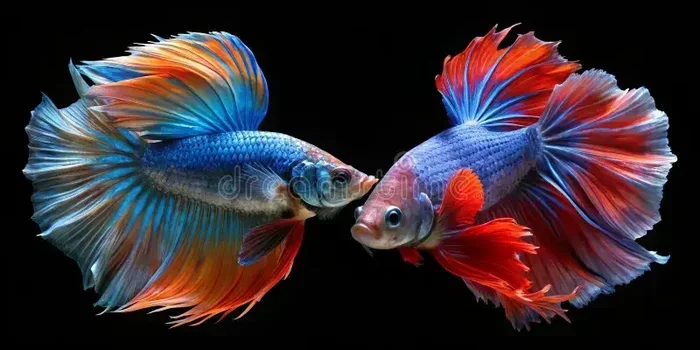
Is betta fish fighting fish? Yes, bettas are known as fighting fish because of their intense territorial behavior, especially among males. This guide explains why bettas fight, how to prevent battles, and whether you can house them together safely.
Key Takeaways
- Betta fish are called fighting fish due to their natural aggressive instincts, especially in males.
- Male bettas should never be housed together because they will fight to the death.
- Female bettas can sometimes live in groups called sororities, but careful tank setup is required.
- Proper tank size, hiding spots, and décor reduce stress and prevent fights.
- Betta fish are not always aggressive – they can be peaceful with the right tank mates.
📑 Table of Contents
What Does “Fighting Fish” Mean?
The term fighting fish comes from the betta’s wild behavior. In their native habitats, male bettas defend territory fiercely. They flare their gills, spread their fins, and bite rivals. This instinct made them popular in fish fighting contests in Southeast Asia long ago.
Today, betta fish fighting is illegal in most places. Breeders now focus on color and fin shape. But the name stuck. People still ask: is betta fish fighting fish? The answer is yes, but there is more to the story.
Why are betta fish called fighting fish? It is simple. Their aggressive nature made them symbols of courage. In Thailand, they were even part of cultural traditions. The name reflects their history, not just their current pet store image.
The Origin of the Name
Centuries ago, people in Siam (now Thailand) collected wild bettas. They watched males battle in rice paddies. Betting on these fights became a pastime. The fish were named Siamese fighting fish because of this practice. Over time, the name shortened to just fighting fish.
Modern bettas are descendants of these wild fighters. Even though they look beautiful now, the fighting instinct remains. Understanding this helps you care for them better.
Why Betta Fish Are Called Fighting Fish
The name fighting fish is not just a label. It describes real behavior. Male bettas have a special organ called a labyrinth. This lets them breathe air, which helps them survive in shallow, warm waters. In these crowded habitats, encounters with rivals are common. They must defend their space to survive and reproduce.
If you want to learn more about the name, check out why betta fish are called fighting fish. That article dives deeper into the history and science behind the name.
Is Betta Fish Fighting Fish?
Is betta fish fighting fish? Absolutely. The word fighting is built right into their common name. But what does that mean for you as a pet owner? It means you must respect their instincts. You cannot treat a betta like a peaceful community fish without precautions.
Betta fish aggression is natural. It is not a sign that your fish is mean. It is a survival trait. In the wild, a weak male would lose territory and fail to pass on genes. So they evolved to be tough and defensive. In a tank, this can look like flaring, chasing, and biting.
Not all bettas fight all the time. Female bettas are generally less aggressive than males. They can even live together in groups called sororities if the tank is large enough and has plenty of hiding spots. But two males will almost always fight. This is the core truth behind the name fighting fish.
Male vs Female Betta Behavior
Male bettas are the real fighters. They have long, flowing fins and bright colors. They flare at anything that enters their space. Even their own reflection in a mirror can trigger a fight response. Females are smaller and less colorful. They still have spikes, but they use them less often. A female betta might nip if she feels crowded, but she rarely kills another fish.
Here is a simple comparison of male and female betta behavior:
| Trait | Male Betta | Female Betta |
|---|---|---|
| Aggression Level | Very high | Low to moderate |
| Fin Length | Long and flowing | Shorter and simpler |
| Can Live with Other Bettas? | No, never with another male | Sometimes in groups of 4+ |
| Common Name | Fighting fish | Betta sorority member |
Do Betta Fish Fight Each Other?
Yes, they do. Do betta fish fight each other? This is one of the most common questions new owners ask. The answer is yes, especially between males. A betta fish fighting another male is a serious event. It can lead to torn fins, missing scales, and death.
If you want to see what a real fight looks like, read about a betta fish fighting to understand the signs and outcomes. It is not a pretty sight, and it shows why proper housing is so important.
Territorial Behavior Explained
Bettas are territorial. In a small tank, they see everything as part of their domain. A mirror, a plastic plant, or another fish can trigger a response. They flare their gills to look bigger. They spread their fins like a fan. This display warns rivals to stay away. If the rival does not back down, the betta will attack.
Territorial fights are not just about winning. They are about survival. A male betta will guard a small patch of water fiercely. He will chase away any intruder. This is why you should never place two males in the same tank. Even a clear divider can cause stress, because they can see each other and will flare constantly.
How to Prevent Fights
Prevention is the best way to keep your betta safe. Follow these simple steps:
- House males separately. Each male needs his own tank.
- Use a tank of at least 5 gallons. Small tanks increase stress and aggression.
- Add plenty of plants and caves. Hiding spots break up lines of sight.
- Avoid mirrors and reflective décor. These trick your betta into seeing a rival.
- Choose peaceful tank mates. Fish like corydoras or snails are safe choices.
Are Betta Fish And Fighter Fish The Same?
Are betta fish and fighter fish the same? Yes, they are the same species. The name fighter fish is just another common name for the betta. Some people call them Siamese fighting fish, while others simply say fighter fish. All of these terms refer to Betta splendens.
The term fighter fish highlights their combat history. In some cultures, people still keep bettas for exhibition battles, though this is increasingly discouraged. As a pet owner, you should focus on providing a calm environment. You do not want your beautiful fighter fish to feel constantly threatened.
For more details on the connection, see are betta fish and fighter fish the same. It covers the naming history and modern care tips.
Historical Context
In the 1800s, people in Siam began collecting bettas. They noticed males would fight in shallow water. They started organizing contests. Betting on these fights became a social activity. The fish were bred for aggression and stamina. Over generations, this created the fierce betta we know today.
Modern breeding has softened some of this aggression. Pet store bettas are often less fiery than their wild ancestors. But the instinct never fully disappears. That is why is betta fish fighting fish remains a true statement.
Modern Breeding and Temperament
Today, breeders focus on colors, fin types, and patterns. They do not select for fighting ability. This means your pet betta might be less aggressive than a wild-caught one. However, the fighting spirit is still there. You will see it when you introduce a new tank mate or when you clean the tank too quickly.
Understanding this helps you set realistic expectations. You can enjoy your betta’s beauty without putting him in harm’s way.
Can You Keep Betta Fish Together?
This is a tricky question. The short answer is no for males. The long answer is maybe for females. Can you keep betta fish together? It depends on the setup and the individual fish’s personality.
Male bettas must always be kept alone. Even a glimpse of another male can cause stress and illness. A stressed betta is more likely to get sick. He might stop eating or hide constantly. This is why many owners use divided tanks or separate tanks entirely.
Female bettas can sometimes live in groups. This is called a sorority. You need at least 4 to 6 females. The tank should be 20 gallons or larger. You must add lots of plants and caves. Each female needs her own hiding spot. This reduces the chance of one fish being picked on.
Tank Setup and Space
Space is the most important factor. A cramped tank makes any fish aggressive. For a single betta, a 5-gallon tank is the minimum. For a sorority, aim for 20 gallons or more. Use a gentle filter to avoid strong currents. Bettas prefer warm water around 78-80°F. Keep the water clean with regular water changes.
Add soft-leaved plants like java fern or anubias. These provide cover without sharp edges. Avoid plastic plants with rough surfaces that can tear delicate fins. A well-planted tank mimics the betta’s natural habitat and helps them feel secure.
Signs of Stress to Watch For
Stressed bettas show clear signs. Look for these behaviors:
- Clamped fins: Fins held close to the body.
- Loss of color: Fading or dull appearance.
- Hiding constantly: Refusing to come out.
- Flaring at nothing: Reacting to their own reflection.
- Not eating: Skipping meals regularly.
If you see these signs, check the tank conditions. Test the water parameters. Make sure the temperature is stable. Remove any aggressive tank mates if needed.
Quick Tips for a Peaceful Betta Tank
Here are some fast tips to keep your betta happy and non-aggressive:
- Keep the tank clean. Ammonia spikes cause stress and illness.
- Feed high-quality food. A healthy betta is a calm betta.
- Do not tap the glass. This scares your fish and triggers defensive behavior.
- Use a lid. Bettas can jump, and a secure lid reduces stress from unexpected noises.
- Choose gentle tank mates. Avoid fin-nippers like tiger barbs.
Common Mistakes to Avoid
Many new owners make mistakes that lead to fighting or stress. Here are the most common ones:
- Putting two males in one tank. This is the fastest way to lose a fish.
- Using a tank that is too small. A 1-gallon bowl is cruel and causes constant irritation.
- Overcrowding with aggressive fish. Even small fish like guppies can nip betta fins.
- Ignoring water quality. Dirty water makes any fish irritable.
- Skipping hiding spots. Bettas need places to retreat and feel safe.
Expert Insights
Experienced betta keepers agree on a few key points. First, every betta has its own personality. Some are calm, while others are feisty. Second, proper environment is everything. A well-planted, spacious tank brings out the best in any betta. Third, patience is key. Give your fish time to adjust to new surroundings before adding any tank mates.
Dr. Tim, a well-known aquarium expert, often says that betta fish aggression is manageable with the right setup. He recommends starting with a single male in a planted 5-gallon tank. Once you understand your fish’s behavior, you can explore more advanced setups like sororities or community tanks with peaceful species.
Key Takeaways
- Betta fish are called fighting fish because of their natural aggressive instincts, especially in males.
- Male bettas should never share a tank with another male, or they will fight.
- Female bettas can form sororities in large, well-planted tanks with plenty of hiding spots.
- Proper tank size, décor, and water quality are the best ways to prevent fights.
- The term fighter fish is just another name for the betta, reflecting its history.
- Stressed bettas show clear signs like clamped fins, loss of color, and hiding.
- A peaceful betta tank is possible with careful planning and the right tank mates.
Conclusion
Is betta fish fighting fish? Yes, the name fits. These beautiful creatures carry the legacy of fierce fighters in their blood. But that does not mean you cannot enjoy them as peaceful pets. With the right tank, the right mates, and the right care, your betta can thrive without ever feeling the need to fight.
Remember that betta fish fighting is a natural behavior you must respect. Give your fish space, hideouts, and clean water. You will be rewarded with a vibrant, healthy companion that shows off its colors and personality every day. Start with the basics, learn your fish’s mood, and build a tank that brings out the best in your betta.
Now that you know the truth about is betta fish fighting fish, you can make informed decisions. Whether you choose a single male or a sorority of females, the key is a happy, stress-free environment. Your betta will thank you with years of beauty and charm.
Frequently Asked Questions
Why is my betta fish called a fighting fish?
Bettas are called fighting fish because male bettas have a strong instinct to defend territory and fight rivals. This behavior dates back centuries in Southeast Asia, where they were even used in organized contests. The name reflects their natural aggression, not their personality as pets.
Can two male betta fish live together?
No, two male bettas should never share a tank. They will fight relentlessly, often causing severe injury or death. Even a clear divider can cause stress because they can see and flare at each other. Always house males separately to keep them safe and healthy.
Are female betta fish less aggressive?
Yes, female bettas are generally less aggressive than males. They can live in groups called sororities if the tank is large enough and has plenty of hiding spots. However, they can still show aggression if the tank is too small or lacks resources.
What causes betta fish to fight?
Bettas fight over territory, space, and perceived threats. A mirror, a reflection, or another fish entering their area can trigger a fight response. Stress from poor water quality or cramped tanks also increases aggression. Providing a spacious, well-planted tank helps reduce these triggers.
Is it true that betta fish are fighter fish by nature?
Yes, it is true. The name fighter fish comes from their historical use in fighting contests and their strong territorial instincts. Even modern pet bettas carry this genetic memory. You can manage this behavior with proper tank setup and compatible tank mates.
How can I stop my betta from being aggressive?
You cannot eliminate aggression entirely, but you can reduce it. Keep your betta in a tank of at least 5 gallons with lots of plants and caves. Avoid mirrors and reflective surfaces. Choose peaceful tank mates like corydoras or snails. Maintain clean, warm water to keep stress levels low.