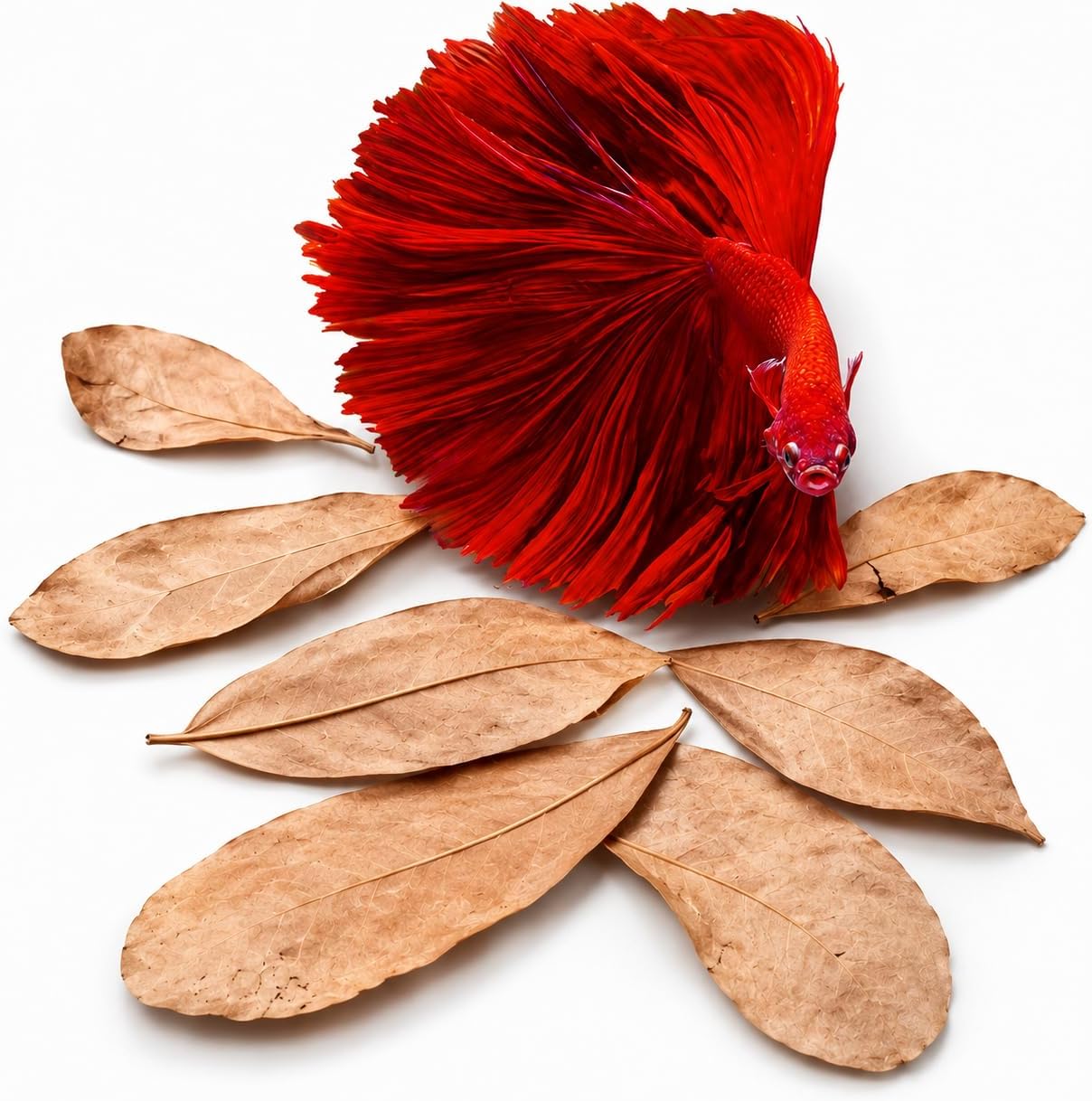
Are Boy Betta Fish or Girl Betta Bigger
Male bettas usually grow slightly larger than females, but both can reach impressive lengths with proper care. Understanding size differences helps you choose the right tank, diet, and companions for a healthy, vibrant aquarium.
Key Takeaways
- Typical size range: Males 2.5‑3 inches, females 2‑2.5 inches on average.
- Growth factors: Genetics, diet, water quality, and tank size all influence final length.
- Sexual dimorphism: Males have longer, flowing fins and brighter colors, which can add visual length.
- Tank considerations: Larger tanks promote healthier growth for both sexes.
- Health impact: Stunted growth often signals poor water parameters or nutrition.
- Choosing a sex: Males are better for solo displays; females suit community setups.
- Monitoring growth: Regular measurements help catch problems early.
📑 Table of Contents
Introduction: Why Size Matters in Betta Keeping
When you first meet a betta, the most striking thing is often the splash of color and the elegant fins. Yet, for many hobbyists the next question is “are boy betta fish or girl betta bigger?” The answer isn’t just trivia – it shapes how you set up the tank, what you feed, and even which sex fits best with other tank mates. In this article we’ll break down the science behind growth, compare typical sizes, and give you actionable tips to help any betta reach its full potential.
We’ll keep the tone friendly, like a chat over coffee, and use simple sentences so the info is easy to digest. By the end you’ll know exactly what to expect from a male versus a female betta and how to create the perfect environment for a thriving, well‑sized fish.
1. The Basics: Male vs. Female Betta Anatomy
Physical markers that tell them apart
The first step in answering “are boy betta fish or girl betta bigger?” is to recognize the visual clues that differentiate the sexes. Males typically display:
- Long, flowing dorsal and caudal fins that can double the body length.
- Brighter, more saturated colors (especially reds, blues, and purples).
- A broader, more pronounced “gill cover” (operculum) that may appear slightly larger.
Females, on the other hand, usually have:
- Shorter, more rounded fins.
- Subtler coloration, often with a slight “butterfly” pattern on the body.
- A visible “egg spot” (gravid spot) near the anal fin when mature.
For a deeper dive on how to tell male from female, see our guide How To Tell If Betta Fish Are Male Or Female.
How anatomy affects perceived size
Because male bettas have dramatically longer fins, they often *look* larger than females even when the body length is similar. When measuring, hobbyists usually record the straight‑line length from the tip of the nose to the base of the tail, ignoring fin extensions. This standard measurement helps compare true body size without the visual “fin bonus.”
2. Typical Size Ranges for Each Sex
Average lengths in healthy conditions
In a well‑maintained aquarium, most male bettas grow to about 2.5‑3 inches (6.3‑7.6 cm) in body length. Females tend to be a bit smaller, averaging 2‑2.5 inches (5‑6.3 cm). These numbers are averages; individual fish can fall outside the range depending on genetics and care.

Visual guide about Are Boy Betta Fish or Girl Betta Bigger
Image source: img.mlbstatic.com
Record‑breaking bettas
Enthusiasts have reported males reaching just over 4 inches (10 cm) when given a spacious tank, premium live foods, and pristine water. Females can occasionally hit the 3‑inch mark under similar conditions. While impressive, such sizes are exceptions rather than the rule.
Why the difference?
The slight size advantage in males is linked to their role in courtship and territorial defense. Larger bodies and longer fins help males display dominance and attract females. Evolutionarily, a bigger male can better fend off rivals, so natural selection has nudged male growth upward.
3. Factors That Influence Growth
Genetics – the blueprint
Just like people, bettas inherit size potential from their parents. Line‑breeding for specific colors or fin types can unintentionally affect growth. If you buy a betta from a reputable breeder who selects for health, you’re more likely to get a fish that reaches its genetic size potential.

Visual guide about Are Boy Betta Fish or Girl Betta Bigger
Image source: today-obs.line-scdn.net
Nutrition – feeding for length
High‑quality protein is the cornerstone of growth. Live or frozen foods such as daphnia, brine shrimp, and bloodworms provide essential amino acids that promote muscle development. A balanced diet also includes a small portion of high‑grade betta pellets to ensure vitamin and mineral completeness.
Over‑feeding can lead to obesity, which masks true length and may cause health issues like fatty liver disease. Feed small amounts 2‑3 times daily, adjusting based on appetite and water clarity.
Water quality – the silent growth driver
Betta fish thrive in warm, soft, slightly acidic water (78‑80 °F, pH 6.5‑7.0). Poor water parameters stunt growth and weaken the immune system. Regular partial water changes (25‑30% weekly) and a reliable filtration system keep ammonia and nitrite at zero.
For more on water basics, read our article Are Betta Fish Freshwater Fish.
Tank size and environment
While bettas are often sold in tiny bowls, a larger tank (5‑10 gallons) gives the fish room to swim and develop fully. A cramped environment can stress the fish, leading to stunted growth and fin rot. Adding live plants not only improves water quality but also provides hiding spots that reduce stress.
4. Practical Tips to Maximize Size and Health
Choose the right tank
- Minimum 5‑gallon tank for a single male; 10‑gallon if you plan a sorority (group of females).
- Use a gentle filter that creates low flow; bettas are not strong swimmers.
- Include silk plants or smooth decorations to prevent fin damage.
Feed a varied diet
- Offer live or frozen protein 3‑4 times a week.
- Use high‑quality betta pellets daily for balanced nutrition.
- Occasionally supplement with finely chopped spinach or peas for fiber.
Maintain pristine water
- Test water weekly for ammonia, nitrite, nitrate, and pH.
- Perform 25‑30% water changes with conditioned water.
- Keep temperature stable with an aquarium heater.
Monitor growth regularly
Place a ruler against the tank glass and measure the fish once a month. Record the numbers in a notebook. Sudden stalls in growth often signal water or dietary problems that need quick correction.
Consider sex‑specific needs
Male bettas enjoy vertical space to flare their fins, so taller tanks (more water depth) can enhance their display. Female bettas, especially in groups, benefit from plants that break line‑of‑sight to reduce aggression. For more on female behavior, see Are Female Betta Fish Aggressive.
5. Choosing Between a Male or Female Betta
Pros of a male betta
- Striking colors and long fins make a dramatic centerpiece.
- Generally more tolerant of solitary life, reducing the need for tank mates.
- Slightly larger size can be appealing for those who love “show” fish.
Pros of a female betta
- More peaceful with other bettas when kept in a sorority.
- Often more active swimmers, providing interesting behavior.
- Smaller size fits comfortably in modestly sized community tanks.
Which is better for you?
If you want a single, eye‑catching fish and have limited space, a male betta is a great choice. If you enjoy a small community and want a less aggressive personality, a group of females (a sorority) can be rewarding. Either way, proper care will let both sexes reach their natural size potential.
Conclusion
So, are boy betta fish or girl betta bigger? In most cases, males edge out females by a few millimeters in body length, and their extravagant fins add even more visual bulk. However, the size gap is modest and heavily influenced by genetics, diet, water quality, and tank size. By providing a spacious, clean environment and a varied, high‑protein diet, you give any betta—male or female—the best chance to grow to its full, vibrant size.
Remember, a healthy betta is a happy betta, regardless of gender. Keep an eye on water parameters, feed responsibly, and enjoy watching your fish flaunt its colors and fins as it reaches its natural size. Happy betta keeping!
Frequently Asked Questions
Do male bettas always grow larger than females?
Typically yes, males average 2.5‑3 inches while females average 2‑2.5 inches, but individual genetics and care can blur the line.
Can a female betta ever outgrow a male?
It’s rare, but a well‑fed, genetically large female kept in optimal conditions can match or slightly exceed a small male.
How often should I measure my betta’s growth?
Measure once a month. Consistent records help spot stunted growth early, allowing you to adjust diet or water quality.
Will a larger tank guarantee a bigger betta?
A larger tank provides space and better water stability, which supports healthy growth, but genetics and nutrition remain the primary drivers.
Are there any health risks associated with trying to make a betta larger?
Over‑feeding to force size can cause obesity and liver disease. Focus on balanced nutrition rather than excessive quantity.
Is it better to keep a male betta alone or with other fish?
Male bettas are highly territorial and are best kept solo. Female bettas can be housed together in a sorority with plenty of hiding spots.