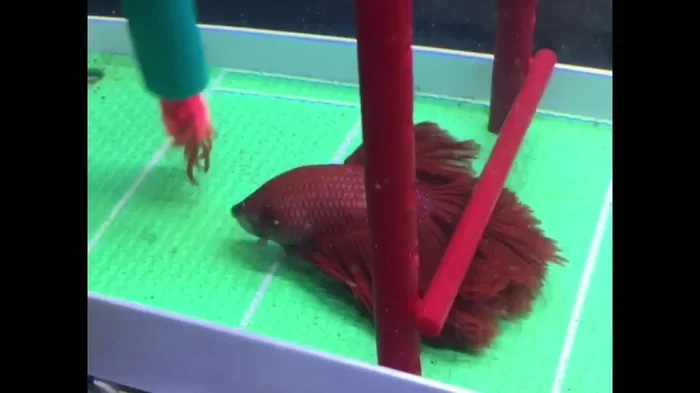
How Often Do Betta Fish Need Food

How often do betta fish need food? Most bettas thrive on two small meals per day, spaced about 12 hours apart. Overfeeding is the biggest mistake new owners make, and it can lead to serious health problems. A proper betta fish feeding schedule keeps your fish active, colorful, and long-lived.
If you just brought home a betta fish, you might be wondering about one of the most important parts of care: feeding. How often do betta fish need food is a question every new owner should answer right away. Getting the feeding schedule right sets the foundation for a happy, healthy fish.
Many beginners make the mistake of thinking more food equals a happier fish. That is far from the truth. Betta fish have small stomachs, and feeding them too much can cause real harm. This guide covers everything you need to know about betta fish feeding frequency, portion sizes, and the best food choices.
## Why Feeding Frequency Matters for Betta Fish
Understanding how often betta fish eat starts with knowing a little about their biology. Bettas are tropical fish native to the warm, slow-moving waters of Southeast Asia. In the wild, they eat small insects, larvae, and tiny crustaceans throughout the day.
However, that does not mean they need a constant supply of food. A betta’s stomach is roughly the size of its eye. This means even a small amount of food goes a long way. Feeding betta fish too often leads to uneaten food rotting in the tank, which spikes ammonia levels and harms your fish.
### The Natural Eating Habits of Betta Fish
In their natural habitat, bettas eat several small meals spread across the day. They are not grazing fish like some species. Instead, they hunt and eat, then rest. This pattern should guide your betta fish feeding schedule at home.
Replicating this in a tank means offering small portions two times a day. Morning and evening feedings work well. This mirrors their natural rhythm and keeps their digestive system running smoothly.
## How Often Do Betta Fish Need Food: The Ideal Schedule
So, what is the best betta fish feeding routine? For most adult bettas, two small meals per day is the sweet spot. Each meal should be about the size of your fish’s eye. This might seem tiny, but it is the perfect portion.
### Morning Feeding Routine
Start the day with a small pinch of food. Betta fish flakes or pellets work great for morning feedings. Drop the food near the front of the tank so your fish sees it right away. Bettas are curious and will often come to the surface quickly.
### Evening Feeding Routine
The evening meal should be the same size as the morning one. Some owners prefer feeding the larger meal in the evening, and that works too. What matters most is consistency. Bettas thrive on routine, and a regular feeding schedule for betta fish reduces stress.
## What to Feed Your Betta Fish
Not all fish food is created equal. Bettas are carnivores and need a protein-rich diet. Choosing the right food is just as important as knowing how often to feed them.
### Best Foods for Betta Fish
Here are the top food options for your betta:
- Betta-specific pellets: These are formulated for bettas and sink or float depending on the brand. They should be the staple of your fish’s diet.
- Betta flakes: A good alternative, but they can lose nutritional value quickly once the container is opened.
- Frozen or freeze-dried bloodworms: A tasty treat that bettas love. Use these as a supplement, not a main meal.
- Live brine shrimp: Excellent for stimulating natural hunting behavior and adding variety.
- Daphnia: A small crustacean that aids digestion and makes a great occasional treat.
### Foods to Avoid
Not everything you find at the pet store is safe for bettas. Avoid generic tropical fish flakes as a primary food source. They lack the protein levels bettas need. Also, stay away from bread, crackers, or any human food. These can cause serious digestive problems.
If you are ever unsure, check out this article on do betta fish eat regular fish food for more guidance on what is safe and what is not.
## Portion Sizes: How Much Food Per Feeding
Getting the portion size right is critical. A common rule of thumb is to feed only what your betta can eat in two minutes. If food is floating around after that time, you have given too much.
### The Eye Rule
The simplest way to measure a betta portion is the eye rule. Each meal should be roughly the size of the fish’s eyeball. This is a surprisingly reliable guideline that works for bettas of all sizes.
### Signs You Are Overfeeding
Watch for these warning signs that you are giving too much food:
- Food sitting on the bottom of the tank for more than a few minutes
- Your betta refusing food at the next feeding
- A bloated or swollen belly
- Cloudy or dirty water shortly after feeding
- Your fish staying at the bottom of the tank more than usual
Overfeeding can lead to betta fish constipation, swim bladder issues, and poor water quality. If you notice these signs, skip the next feeding and give your fish a chance to recover.
## Special Feeding Considerations
Not all bettas are the same. Age, health, and living conditions all affect how much and how often they should eat.
### Feeding Baby Betta Fish
Young bettas, or fry, have different needs than adults. Baby betta fish need more frequent feedings to support their rapid growth. You should feed them three to four times a day with very small portions. Specialized fry food or crushed flakes work best for tiny mouths.
If you are caring for a baby betta, you can learn more about their specific dietary needs in this article on do baby betta fish need special food.
### Feeding Sick or Recovering Bettas
A sick betta may lose its appetite. If your fish is unwell, do not force-feed it. Instead, offer small amounts of easy-to-digest food like daphnia. For more serious cases, a betta fish salt bath can help with recovery. You can find instructions for that in our guide on how to do a salt bath for betta fish.
### Fasting: Why Skipping a Meal Helps
Here is a surprising tip: bettas benefit from one fasting day per week. Skipping a meal gives their digestive system a chance to process any remaining food and clear out the gut. Many experienced betta owners fast their fish for 24 hours once a week.
This practice helps prevent bloating and constipation. It also mimics the natural cycles bettas would experience in the wild. If you are worried about your fish going hungry, remember that bettas can safely go several days without food. In fact, they evolved to handle periods of scarcity.
## Common Mistakes People Make When Feeding Betta Fish
Even well-meaning owners make mistakes. Here are the most common ones to avoid.
### Mistake 1: Feeding Too Much at Once
This is the number one mistake. It is tempting to add a big pinch of food, but your betta’s stomach cannot handle it. Stick to small portions and feed more frequently if you feel the need to add more.
### Mistake 2: Sticking to Only One Food Type
Bettas get bored with the same food, just like people do. A varied diet keeps them healthy and interested in eating. Rotate between pellets, flakes, and occasional treats like bloodworms.
### Mistake 3: Feeding at Random Times
Inconsistency stresses bettas. Try to feed them at the same times every day. A predictable feeding schedule for betta fish helps them feel secure and maintain a healthy metabolism.
### Mistake 4: Ignoring Uneaten Food
If food sinks to the bottom and sits there, it will rot and pollute the water. Always remove any uneaten food after a couple of minutes. This keeps your tank clean and your fish healthy.
## How Long Can Betta Fish Go Without Food?
It is helpful to know your betta’s limits in case of emergencies. How many days betta fish can live without food is a common concern for owners who travel or forget to feed.
Adult bettas can comfortably go three to five days without eating. Some healthy bettas can even stretch to seven days. However, this should not become a regular practice. If you need to leave town, consider using an automatic feeder or asking a friend to feed your fish.
For more details on this topic, check out our article on how many days betta fish can live without food.
## Creating the Perfect Feeding Routine for Your Betta
Let’s put it all together. Here is a simple step-by-step routine you can follow every day.
- Feed your betta in the morning. Offer a small pinch of pellets or flakes.
- Wait two minutes and check if all food is eaten. Remove any leftovers.
- Feed your betta again in the evening. Same portion size as the morning.
- Again, remove any uneaten food after a couple of minutes.
- Skip one full day of feeding each week to support digestion.
Following this routine consistently will keep your betta in great shape. You will notice brighter colors, more energy, and a stronger appetite over time.
If you want to take your betta care to the next level, consider making your own fish food at home. You can learn how in our article on how to make betta fish food at home. Homemade food lets you control every ingredient and ensure your fish gets the best nutrition possible.
## Final Thoughts on How Often Do Betta Fish Need Food
Getting the feeding schedule right is one of the simplest yet most important parts of betta care. How often do betta fish need food really comes down to two small meals a day, the right portion size, and a varied diet. Avoid overfeeding, stick to a routine, and your betta will thrive.
Remember that every fish is a little different. Watch your betta’s behavior and adjust as needed. A well-fed betta is a happy betta, and a happy betta brings joy to your home for years to come.
For more tips on keeping your betta healthy, explore our full range of betta fish care articles at how often do you feed a betta fish to deepen your understanding of proper feeding habits.
Key Takeaways
- Feed betta fish twice a day with small portions sized to their eye.
- Overfeeding is the #1 killer of pet bettas and causes bloating and poor water quality.
- A varied diet of pellets, flakes, and occasional live food keeps bettas healthy.
- Baby betta fish need more frequent, smaller feedings throughout the day.
- Skipping one day per week helps prevent constipation and digestive issues.
- Watch for hunger cues like begging at the glass, but resist overfeeding.
- High-quality betta pellets should form the base of every feeding routine.
Frequently Asked Questions
Can I feed my betta fish once a day instead of twice?
Yes, once-a-day feeding works for some bettas, but two smaller meals are generally better. A single large meal can cause bloating. If you feed once a day, make sure the portion is still small enough to be eaten within two minutes.
How do I know if I am feeding my betta the right amount?
The best test is the two-minute rule. If your betta finishes all the food within two minutes, the portion is about right. If food is left over, you gave too much. Adjust the amount down next time.
Can betta fish eat flakes instead of pellets?
Yes, betta fish can eat flakes, but pellets are generally preferred because they hold their nutritional value longer and are easier to portion. If you use flakes, look for high-protein betta-specific formulas rather than generic tropical flakes.
What should I do if my betta fish refuses to eat?
A betta refusing food for a day or two is normal and not always a cause for concern. Check your water parameters first, as poor water quality often kills the appetite. If the refusal lasts more than three days, consider offering a different food type or checking for signs of illness.
Is it okay to feed my betta fish treats every day?
Treats like bloodworms and brine shrimp should only be given two to three times per week as a supplement. They are not nutritionally complete on their own. Overdoing treats can lead to nutritional imbalances and obesity in bettas.
How long can a betta fish go without food while on vacation?
A healthy adult betta can go three to five days without food safely. For trips longer than that, consider an automatic feeder or ask a friend to feed small portions every other day. Avoid having someone overfeed while you are away, as this causes more harm than a short fast.