How Can I Tell My Betta Fish Is Happy

Knowing how can I tell my betta fish is happy comes down to observing a few key behaviors and physical signs that reveal your fish is thriving in its environment. A content betta will display vibrant colors, a healthy appetite, active swimming, and show curiosity toward its surroundings. Watch for relaxed fins, playful bubble nests, and energetic exploration — these are the clearest indicators that your betta is living a happy, stress-free life.
How Can I Tell My Betta Fish Is Happy
A happy betta fish is easy to spot once you know what to look for. Your fish will show bright colors, eat eagerly, and move with energy around the tank. Understanding betta fish behavior helps you build a better life for your aquatic friend. In this guide, we will walk you through the clearest signs that your betta is thriving. You will also learn simple tips to keep your fish joyful every single day.
Many new fish owners worry silently about whether their betta is truly content. The good news is that bettas communicate how they feel through their body and actions. Once you learn to read these signals, you will feel much more confident as a pet owner. Let us dive right into the details of what a happy betta fish looks like.
Key Takeaways
- Vibrant colors and flowing fins are the clearest visual signs of a happy betta.
- Active, curious swimming around the tank means your fish feels engaged and well.
- A healthy appetite and eager feeding show your betta is content and thriving.
- Bubble nest building in male bettas signals they feel safe and comfortable.
- Responsive behavior toward you means your betta recognizes and trusts its owner.
- Relaxed, open fins indicate your fish feels secure and free from stress.
- Clear eyes and smooth scales confirm your betta enjoys good physical health.
📑 Table of Contents
- What Does a Happy Betta Fish Look Like?
- How Does a Happy Betta Fish Move?
- Eating Habits of a Happy Betta Fish
- Building a Happy Environment for Your Betta
- Common Signs That Something Is Wrong
- Comparison Table: Happy vs Stressed Betta Fish
- Quick Tips to Keep Your Betta Fish Happy Every Day
- Common Mistakes That Make Betta Fish Unhappy
- Final Thoughts on Keeping Your Betta Fish Happy
What Does a Happy Betta Fish Look Like?
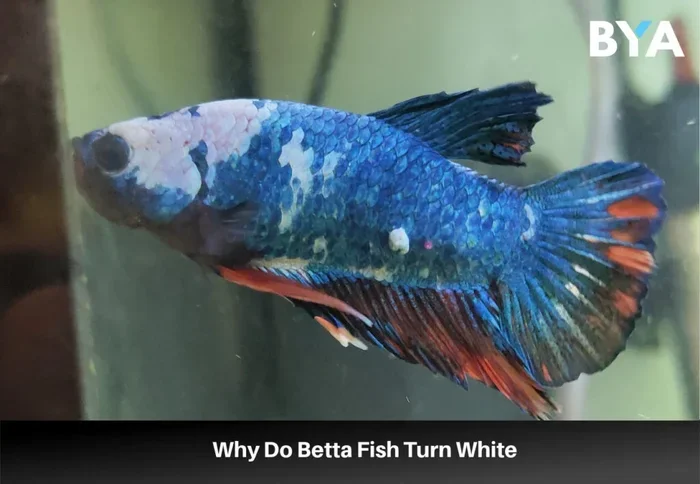
The appearance of your betta tells you a lot about its mood and overall wellness. A happy betta fish displays vivid, rich colors that catch the eye. When your fish feels safe and healthy, its scales glow with deep reds, blues, or greens depending on the variety. Dull or faded colors often point to stress or illness.
Bright Colors as a Happiness Indicator
One of the first things to notice is the brightness of your betta’s body. A betta fish color that looks vibrant and full means your fish is feeling great. Compare this to a fish that looks pale or washed out. That difference speaks volumes about how your pet is doing inside the tank.
Here are key appearance signs of a happy betta:
- Deep, rich fin colors that look almost jewel-like
- Fins that are held open and flowing, not clamped close to the body
- Clear, bright eyes without cloudiness
- Smooth scales with no visible spots or peeling
- A plump, well-fed body shape
If your betta shows these traits consistently, you are doing a wonderful job as an owner. The betta fish health signs connected to appearance are some of the easiest to monitor. Just take a few moments each day to observe your fish up close.
How Does a Happy Betta Fish Move?
Movement patterns reveal a great deal about your betta’s inner state. A happy betta fish swims with purpose and curiosity around the tank. You will notice smooth, graceful glides and playful exploration of every corner. Your fish should move freely without struggling or hiding constantly.
Normal Swimming Patterns to Watch For
Every betta has its own personality, but most happy fish share common movement habits. Your betta should explore the full tank, not just stay in one spot. It will swim up to the surface to greet you during feeding time. A betta fish swimming patterns guide can help you understand what is normal versus what needs attention.
Watch for these positive movement signs:
- Active swimming throughout the day, not just at feeding time
- Curiosity toward new objects or decorations in the tank
- Gentle flaring of fins when exploring
- Swimming to the top when you approach the tank
- Resting peacefully on plant leaves between active periods
On the other hand, a stressed betta fish may dart around erratically, hide behind decorations, or lie at the bottom of the tank. If you notice these behaviors, it is time to investigate further. Checking betta fish tank conditions like water temperature and cleanliness can often solve the problem quickly.
Eating Habits of a Happy Betta Fish
Food is one of the most reliable indicators of how your betta feels. A happy betta fish eats eagerly and with enthusiasm. Your fish should swim up to the surface the moment you approach the tank. A sudden loss of appetite is often the first warning sign that something is wrong.
Setting the Right Feeding Schedule
Most experts recommend feeding your betta two small meals per day. A consistent betta fish feeding schedule helps your fish feel secure and expectant. Overfeeding can lead to health problems, so keep portions small and remove any uneaten food after a few minutes.
Signs that your betta’s eating habits reflect a happy, healthy state:
- Excited swimming to the surface at feeding time
- Eating all or most of the food offered
- Showing interest in different types of food like pellets and frozen brine shrimp
- Maintaining a steady weight and body shape
- No signs of bloating or constipation after meals
If your betta refuses food for more than two days, check your water parameters and temperature first. Sometimes a simple adjustment like ensuring the water is warm enough makes a big difference. You can learn more about whether your water conditions are right for your betta by reading our guide on whether you can put my betta fish in warm water.
Building a Happy Environment for Your Betta
The tank setup plays a huge role in your betta’s overall happiness. A happy betta fish needs more than just clean water. It needs space, stimulation, and a comfortable place to rest. Think of the tank as your fish’s entire world. Making that world enriching will pay off in visible behavior changes.
Essential Tank Setup for Betta Happiness
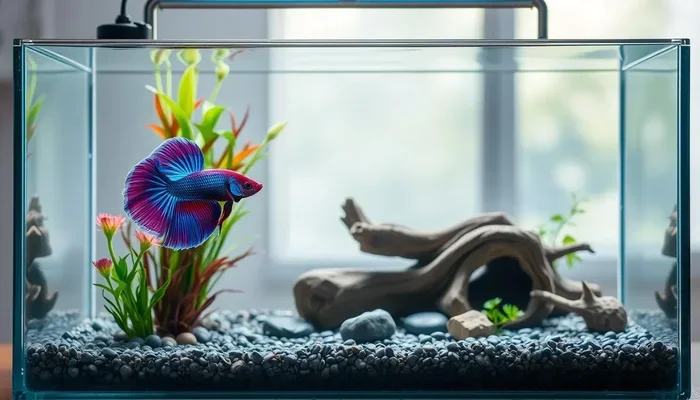
A bare minimum tank size of five gallons gives your betta room to swim and explore. Smaller bowls restrict movement and can cause stress over time. Adding plants, both live and silk, gives your fish places to hide and explore. These elements create a natural feel that helps your betta feel safe.
Key tank elements that boost your betta’s happiness include:
- A filter to keep water clean and flowing gently
- A heater to maintain steady warmth between 78 and 80 degrees Fahrenheit
- Live or silk plants for hiding and resting
- A few smooth decorations for exploration
- Open swimming space in the front of the tank
Many owners also wonder about adding tank mates. A betta fish with other fish setup can work well if you choose peaceful species carefully. However, some fish can stress your betta out. Knowing your fish’s personality helps you decide whether a community tank is right for your situation.
Common Signs That Something Is Wrong
Even with the best care, bettas sometimes show signs of unhappiness or illness. Recognizing these early warning signs helps you act fast. A happy betta fish rarely shows these behaviors, so they stand out clearly when they appear.
Behavioral Red Flags to Watch For
Your betta communicates distress through specific actions. Clamped fins pressed close to the body signal discomfort or sickness. Lethargy, where your fish barely moves or stays at the bottom, is another serious concern. Rapid breathing at the surface can indicate poor water quality or oxygen levels.
Common signs of an unhappy or unwell betta fish:
- Fins held tightly against the body
- Refusing food for multiple days
- Hiding constantly and avoiding interaction
- White spots or fuzzy growths on the body or fins
- Erratic swimming or rubbing against tank surfaces
- Eyes that appear sunken or cloudy
If you notice these symptoms, testing your water parameters should be your first step. Poor water quality is the number one cause of betta stress. You can also check our guide on how to tell if my betta fish is sick for a deeper look at identifying illness early.
Sometimes the problem is simpler than you think. Water that is too cold or too warm can make your fish miserable. Learning about proper betta fish water temperature and using a reliable heater can prevent many common issues before they start.
Comparison Table: Happy vs Stressed Betta Fish
Use this quick reference table to compare the behaviors and appearance of a happy betta versus a stressed one. Checking these signs regularly helps you catch problems early.
| Sign | Happy Betta | Stressed Betta |
|---|---|---|
| Colors | Bright, vivid, and full | Dull, pale, or faded |
| Fins | Open, flowing, held high | Clamped close to body |
| Activity Level | Active, curious, exploring | Lethargic, hiding, staying still |
| Eating | Eager, eats with enthusiasm | Refuses food or shows no interest |
| Swimming | Smooth, graceful movements | Erratic, rapid breathing, rubbing surfaces |
| Interaction | Comes to surface when you approach | Avoids contact, hides when approached |
This table gives you a fast way to assess how your fish is doing at any moment. If most of your answers fall in the stressed column, take action right away. Adjust water conditions, check the temperature, and look for any signs of disease. Catching problems early gives your betta the best chance of bouncing back to a happy, healthy state.
Quick Tips to Keep Your Betta Fish Happy Every Day
Consistency is the secret to long-term betta happiness. Small daily habits add up to a huge difference in your fish’s quality of life. Here are some easy practices that any betta owner can follow.
Quick Tips:
- Feed your betta at the same times each day to create a routine
- Perform partial water changes of about 25% every week
- Watch your fish for at least five minutes each day
- Keep the tank lights on a natural day-night cycle
- Avoid tapping on the glass or making sudden loud noises near the tank
- Add new decorations or rearrange plants occasionally for mental stimulation
- Test water parameters with a reliable kit at least once a month
- Keep the tank away from direct sunlight and drafty areas
These simple steps create a stable, enriching environment where your betta can truly thrive. Most of these tasks take just a few minutes, but they make a lasting impact on your fish’s well-being.
Common Mistakes That Make Betta Fish Unhappy
Even well-meaning owners sometimes make choices that reduce their betta’s quality of life. Knowing what to avoid is just as important as knowing what to do right.
Mistakes to Avoid
One of the biggest mistakes is keeping a betta in too small a container. Bowls under one gallon do not give your fish enough room to swim or maintain stable water conditions. Another common error is skipping regular water changes, which allows harmful chemicals to build up over time.
Other mistakes that affect your betta’s happiness include:
- Overfeeding, which leads to obesity and poor water quality
- Keeping the tank in a noisy or high-traffic area
- Using harsh chemicals or soaps near the tank
- Ignoring signs of illness until they become severe
- Keeping the water temperature unstable or too cold
- Adding aggressive tank mates that bully your betta
If you have been making any of these mistakes, do not worry. You can always improve your fish’s situation. Start with one change at a time and watch how your betta responds. Positive changes in behavior will show you that you are on the right track.
Final Thoughts on Keeping Your Betta Fish Happy
Learning how to tell if your betta is happy is a rewarding skill that strengthens the bond between you and your fish. A happy betta fish shows bright colors, active movement, a healthy appetite, and curious exploration of its surroundings. By paying attention to these signs every day, you become a more attentive and caring owner.
Remember that every betta is an individual with its own personality and preferences. Some fish are bold and outgoing, while others are more shy and reserved. What matters most is noticing changes from your fish’s normal behavior. A sudden shift in any of the happiness indicators we discussed should prompt you to investigate further.
Keep up with regular tank maintenance, provide a balanced diet, and create an enriching environment. Your efforts will show in your betta’s vibrant colors and joyful energy. For more guidance on maintaining healthy water conditions, check out our article on whether you can use tap water in my betta fish bowl to make sure your water source is safe.
Taking care of a betta fish is a journey of learning and connection. Each day you spend observing your fish teaches you something new about its needs and personality. Enjoy the process, celebrate the small wins, and know that your attention and care make all the difference in your betta’s life.
Frequently Asked Questions
How Can I Tell My Betta Fish Is Happy?
A happy betta fish will have bright, vibrant colors and flared fins that move gracefully. You will also notice your betta building bubble nests, swimming actively, and showing interest in its surroundings. These are strong signs that your fish feels safe and content in its environment.
What Are the Signs of a Happy Betta Fish?
Look for a healthy appetite, smooth swimming movements, and curiosity toward tank decorations or your hand outside the glass. A happy betta will also explore its tank regularly and interact with enrichment items like plants and caves. If your fish rests comfortably with fins open, that is another great indicator of well-being.
How Do I Know If My Betta Fish Is Healthy and Happy?
A healthy betta will have clear eyes, smooth scales, and no torn or discolored fins. Happy bettas also maintain a steady eating routine and display playful behaviors like chasing food or rearranging small decorations. Consistent energy levels and regular bubble nest building show your fish is thriving.
What Behaviors Show a Betta Fish Is Content?
Content bettas often flare their fins briefly when they see movement, which shows confidence rather than stress. They will swim in open areas of the tank and greet you near the surface during feeding time. A content fish also sleeps peacefully with its fins relaxed, usually near a favorite leaf or hiding spot.
How Can I Make My Betta Fish Happier?
Keep the water temperature between 76-82°F and maintain clean water with regular partial water changes. Add live plants, hiding spots, and gentle filtration to create a stimulating yet safe environment. A happy betta also benefits from a tank that is at least 5 gallons with space to explore freely.
What Does a Happy Betta Fish Look Like Physically?
A happy betta will display intense, rich colors and hold its fins fully open while swimming. Its body will appear streamlined and firm without any bloating or visible spots. Bright, alert eyes and smooth, intact fins are the clearest physical signs that your betta is living a comfortable life.