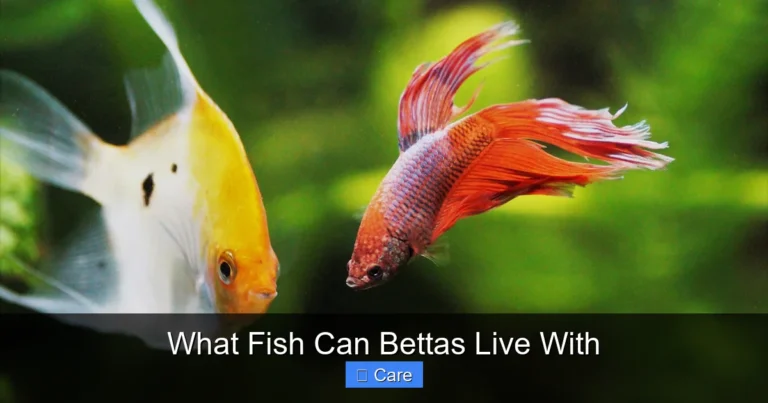
Do Goldfish Eat Betta Fish Discover The Truth

Many aquarium owners ask do goldfish eat betta fish, but the answer is more about behavior than hunger. Goldfish are not built to hunt bettas, yet they can still cause stress, compete for food, or nip at fins in cramped spaces. Understanding their size, temperament, and water needs helps you decide if they can share a tank safely. With the right setup, you can protect both fish and enjoy a peaceful community aquarium.
Many new fish keepers ask do goldfish eat betta fish because they want a colorful, peaceful tank. It is a smart question to ask before mixing species. Goldfish and bettas both look amazing in an aquarium, but they come from very different care backgrounds. If you put them together without a plan, you may create stress instead of a beautiful community.
This guide breaks down the real relationship between these two popular fish. We will look at their size, behavior, feeding habits, water needs, and tank setup. You will also learn what signs to watch for and how to make smarter choices for your aquarium. By the end, you will know whether these fish can live together safely or if separate tanks are the better option.
Key Takeaways
- Size and temperament matter: Goldfish are usually larger and can overwhelm smaller bettas, even if they do not hunt them.
- Not natural predators: Goldfish do not typically eat betta fish, but they may chase, bully, or outcompete them for food.
- Water needs differ: Bettas prefer warmer water, while goldfish thrive in cooler conditions, making shared tanks tricky.
- Tank size is critical: Overcrowding increases aggression, stress, and water quality problems for both species.
- Feeding competition can happen: Fast goldfish may eat betta food first, leaving bettas underfed or stressed.
- Fin nipping is possible: Some goldfish may nip at flowing betta fins, especially in tight or dull environments.
- Separate setups are often safer: A well-planned species-specific tank usually offers better long-term health for both fish.
📑 Table of Contents
- Do Goldfish Eat Betta Fish? The Short Answer
- Goldfish Behavior and Temperament
- Betta Fish Behavior and Vulnerability
- Feeding Habits and Food Competition
- Water Temperature and Habitat Differences
- Tank Size and Environment Matter
- Signs Your Fish Are Not Getting Along
- Expert Insights and Common Mistakes
- Final Thoughts on Compatibility
Do Goldfish Eat Betta Fish? The Short Answer
The direct answer is simple: goldfish do not usually hunt betta fish. They are not aggressive predators in the way some larger fish are. However, that does not mean they are always safe tank mates. The real concern is not always eating, but stress, competition, and accidental injury.
Goldfish are opportunistic feeders. They often rush toward food and may swallow anything that fits in their mouth. A very small betta could theoretically be at risk if the size difference is extreme, but this is not typical behavior. More often, goldfish bother bettas by chasing them, blocking their access to food, or simply making the tank feel crowded.
Why the confusion exists
People often assume goldfish are peaceful because they move slowly and seem calm. That can be true in some cases, but goldfish are still active foragers. They explore everything, including other fish. Bettas, on the other hand, are known for their bright colors and flowing fins, which can draw attention. In a small tank, that attention can become annoying or even dangerous.
If you are wondering do goldfish eat betta fish, it helps to think about the whole environment, not just the species labels. A large, enriched tank with proper feeding routines is very different from a cramped bowl where fish compete for space and food.
Goldfish Behavior and Temperament
Goldfish are social, curious, and often quite active. They spend much of their time searching the bottom and middle areas of the tank. Some breeds are calm, while others are more energetic and clumsy. That energy can be a problem for slower or more delicate fish.
Common goldfish varieties, such as commons, comets, and shubunkins, tend to grow larger and swim faster. Fancy goldfish are usually slower, but they can still be pushy during feeding. In both cases, goldfish may not intend to harm a betta, but their constant movement can wear the betta down over time.
How goldfish interact with other fish
Goldfish generally do best with other goldfish or with species that can match their pace. They are not ideal companions for fish that need quiet zones or slow movement. They may also disturb plants, rearrange substrate, and create a messier environment. That does not make them bad fish, but it does mean they need thoughtful tank mates.
If you want to keep goldfish with other species, look for fish that are sturdy, active, and comfortable in similar water conditions. A betta is usually not the best match because it prefers calmer surroundings and warmer water.
Betta Fish Behavior and Vulnerability
Bettas are famous for their personality, but they are also sensitive. They like stable conditions, clear territory, and space to rest. Their long fins can make swimming more difficult, especially in strong currents or busy tanks. They also tend to be less competitive when food is scattered quickly.
Male bettas are especially known for displaying toward other fish. In a crowded or stressful setup, they may flare, hide, or become withdrawn. A betta that feels threatened may stop eating well, lose color, or spend more time in hiding. That is why compatibility is about more than just whether one fish can eat another.
What makes bettas sensitive in shared tanks
A betta’s fins are one of its most beautiful features, but they can also make it a target for nipping. Even fish that do not eat bettas may peck at their fins out of curiosity or irritation. Water quality also matters more than many beginners realize. Poor conditions can weaken a betta’s health and make it less able to cope with stress.
So when people search do goldfish eat betta fish, the bigger issue is often whether the betta can live comfortably. A goldfish may not swallow a betta, but it can still make the betta’s daily life harder.
Feeding Habits and Food Competition
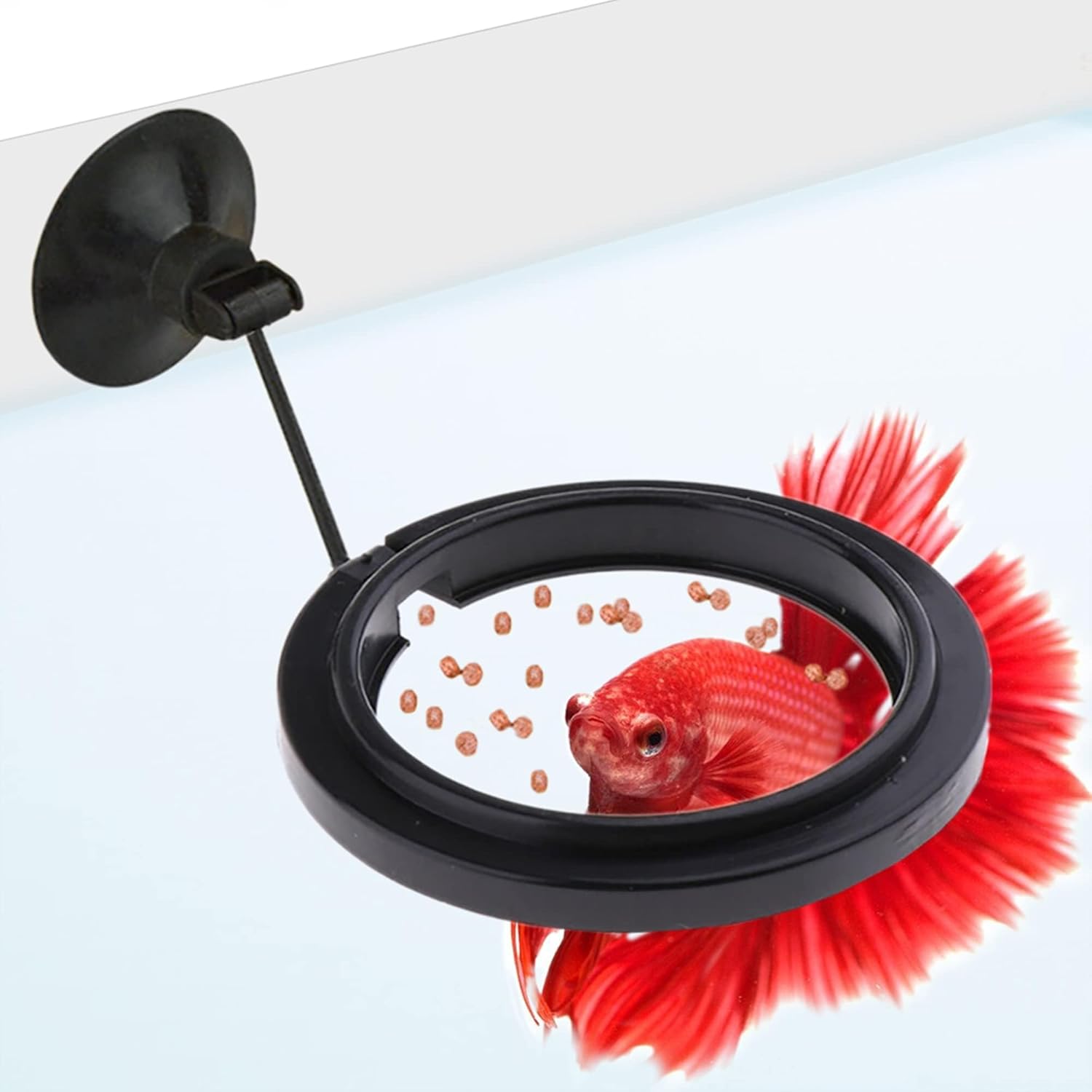
Feeding time is where many compatibility problems begin. Goldfish are enthusiastic eaters. They often dart toward food and may consume it quickly before other fish get a chance. Bettas are surface and mid-water feeders, and they may need a calmer feeding routine to eat properly.
If goldfish dominate the food supply, bettas can lose out. That does not mean the goldfish are being cruel. It simply means their feeding style is different. Over time, an underfed betta can become weak, less active, and more vulnerable to illness.
How to reduce feeding competition
You can lower competition by using a structured feeding routine. Try these simple tips:
- Feed in different spots if the tank allows it
- Use sinking pellets or slow-sinking foods when appropriate
- Watch both fish closely to make sure the betta gets food
- Avoid overfeeding, which can foul the water quickly
- Consider separate feeding times if the fish compete too aggressively
Food is not just about nutrition. It also affects behavior. A well-fed fish is usually calmer and less likely to bother tank mates. That is why feeding strategy matters when you are evaluating do goldfish eat betta fish in a shared environment.
Water Temperature and Habitat Differences
One of the biggest challenges in keeping goldfish and bettas together is water temperature. Bettas generally prefer warmer water. Goldfish prefer cooler water. That difference can make a shared tank difficult because the temperature that suits one species may not suit the other.
Warmer water can also hold less oxygen, which may be a problem for goldfish. Cooler water can slow a betta’s metabolism and make it less active. When the conditions are not right, both fish may become stressed, even if they never directly fight.
Why temperature matters so much
Fish are sensitive to their environment. Temperature affects digestion, immunity, and energy levels. If the water is too warm for goldfish, they may become more active and create more waste. If it is too cool for bettas, they may become sluggish and eat less. That is why a compromise temperature is not always a true compromise at all.
If you are thinking about do goldfish eat betta fish, you should also ask whether both fish can thrive in the same water. A tank that looks fine on the surface may still be uncomfortable for one of the species.
Tank Size and Environment Matter
Space changes everything in an aquarium. A small tank makes every problem worse. Fish have less room to escape, less space to establish territories, and more exposure to waste. In a tight setup, even mild goldfish behavior can become stressful for a betta.
A larger tank gives fish more options. It can support better water quality, more stable temperature zones, and better hiding places. It also reduces the chance that one fish will constantly bump into another. That does not mean a large tank automatically makes goldfish and bettas compatible, but it does make management easier.
What a better setup looks like
If you still want to keep both species in the same system, the environment should be carefully planned. A good setup usually includes:
- Ample swimming space
- Clear areas for resting and hiding
- Good filtration and regular water changes
- Plants or decorations that break up sightlines
- Monitoring for chasing, hiding, or loss of appetite
Even with a strong setup, you should watch the fish closely during the first few weeks. Behavior can change as the fish settle in. If the goldfish begin to chase the betta or the betta stops coming out, the arrangement may not be working.
Signs Your Fish Are Not Getting Along
It is not always easy to tell when fish are stressed, especially for beginners. Some signs are subtle at first. You may notice changes in movement, feeding, or hiding patterns before you see obvious aggression. Paying attention early can prevent bigger problems later.
Watch for these warning signs:
- The betta hides most of the day
- The goldfish constantly follows or nips at the betta
- The betta stops eating or eats very little
- Fins look frayed, clamped, or damaged
- Water quality declines faster than usual
- One fish seems constantly alert and unable to rest
What to do if problems appear
If you see trouble, act quickly. Move the betta to a separate tank if needed. Reduce feeding competition. Improve filtration and water quality. Add more hiding places if the tank allows it. Sometimes a small change helps, but in other cases, permanent separation is the safest choice.
Remember, the question do goldfish eat betta fish is only part of the story. The more important question is whether both fish can live with less stress and better health. If they cannot, it is better to separate them than to wait for damage to happen.
Expert Insights and Common Mistakes
Many aquarium problems come from good intentions but poor planning. People often want a beautiful mixed tank, but they choose fish based on color instead of compatibility. That can lead to avoidable stress. A little planning goes a long way.
Here are some common mistakes to avoid:
- Putting goldfish and bettas together in a tank that is too small
- Ignoring temperature differences
- Assuming slow-moving fish are automatically peaceful
- Feeding too much and allowing waste to build up
- Not watching behavior after the fish are introduced
A smarter approach
The best approach is to match species by needs, not just appearance. If you love bettas, give them a setup that supports their comfort. If you love goldfish, give them a tank that suits their size and activity level. If you want both, consider two separate tanks or a carefully chosen community setup with species that truly belong together.
That mindset makes your aquarium more enjoyable and your fish healthier. It also saves you from fixing problems later.
Final Thoughts on Compatibility
So, do goldfish eat betta fish? Usually not in the way many people fear. Goldfish are not built to hunt bettas, and most conflicts come from stress, competition, or poor tank conditions rather than predation. Still, that does not automatically make them good tank mates. Their size, behavior, feeding style, and water needs can clash in ways that affect the betta’s comfort and health.
If you want both fish in your home, plan carefully. Give them enough space, watch their behavior, and be ready to separate them if needed. A peaceful aquarium is not just about avoiding attacks. It is about creating an environment where every fish can rest, eat, and swim without constant pressure.
When you think about do goldfish eat betta fish, remember that the best decision is the one that protects both fish over the long term. Sometimes that means keeping them apart. Sometimes it means improving the tank dramatically. Either way, your fish will thank you with better health and calmer behavior.
Frequently Asked Questions
Can goldfish and betta fish live together safely?
They can sometimes share a tank, but it is often difficult because their size, behavior, and water needs are very different. A large, well-managed setup may work better than a small tank, but separation is usually safer.
Will a goldfish attack a betta fish?
Goldfish do not usually attack bettas on purpose, but they can chase them, compete for food, or nip at fins in tight spaces. That can still cause stress or injury even without true predation.
Do goldfish eat betta fish food?
Goldfish may eat betta food if it is available, and they can be very quick at feeding time. This can leave the betta with less food, so it helps to monitor feeding closely.
What temperature is best if I keep them together?
There is no perfect compromise because bettas prefer warmer water and goldfish prefer cooler water. That difference is one reason many keepers choose separate tanks instead of forcing a shared setup.
Why do goldfish chase bettas?
Goldfish may chase bettas out of curiosity, competition, or irritation, especially in crowded tanks. They are active foragers and may not realize they are stressing the other fish.
Should I keep goldfish and bettas in separate tanks?
In many cases, yes. Separate tanks usually give each species the right water conditions, space, and feeding routine it needs. That often leads to healthier fish and fewer compatibility problems.