Do Betta Fish Like Goldfish Flakes Safe Feeding Guide
Betta fish like goldfish flakes are not the best choice for your vibrant pet. Goldfish food lacks the high protein bettas need to thrive and stay healthy. Feeding them the wrong diet can cause serious health issues over time. You should choose specialized betta pellets or frozen foods instead.
Key Takeaways
- Dietary Needs Differ: Betta fish are carnivores, while goldfish are omnivores, so their food requirements are not the same.
- Protein is Key: Betta fish like goldfish flakes is a myth because goldfish flakes lack sufficient protein for bettas.
- Health Risks: Feeding goldfish flakes regularly can lead to malnutrition, bloating, and poor color in betta fish.
- Occasional Feeding: You can feed goldfish flakes only as a rare treat, not as a main diet staple.
- Better Alternatives: High-quality betta pellets, frozen bloodworms, and brine shrimp are much safer options.
- Watch for Signs: Look for lethargy or loss of color to know if your betta is not getting the right nutrition.
- Proper Portions: Feed small amounts twice a day to prevent overfeeding and keep water clean.
📑 Table of Contents
- Do Betta Fish Like Goldfish Flakes? The Truth About Diet
- Understanding Betta Fish Dietary Needs
- Why Goldfish Flakes Are Not Ideal for Bettas
- Health Risks of Feeding Goldfish Flakes to Bettas
- Safe Alternatives and Better Food Options
- Feeding Best Practices for Betta Fish
- Expert Insights on Betta Nutrition
- Common Mistakes to Avoid
- Conclusion
Do Betta Fish Like Goldfish Flakes? The Truth About Diet
Many new fish owners ask the same question. They look at the food aisle and see cheap flakes. They wonder if they can use one bag for all their fish. This leads to the common query: do betta fish like goldfish flakes. It is a tempting idea because it saves money and space. However, what seems convenient might not be safe for your pet.
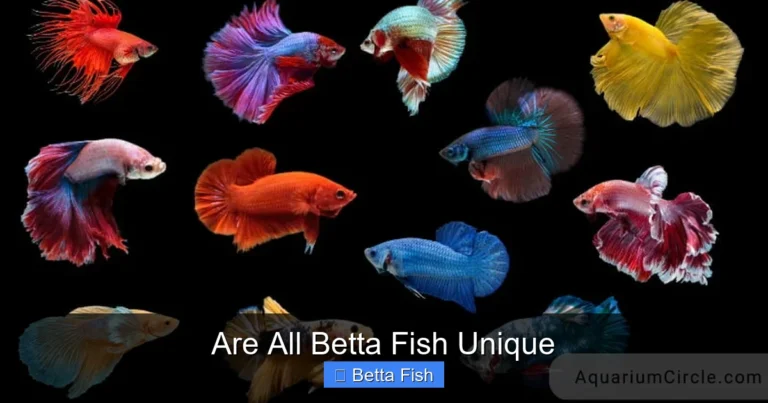
Betta fish are special creatures with specific needs. They are not like typical community fish. Their bodies are built for a high-protein diet. Goldfish food is made for a different type of fish. Using the wrong food can cause long-term problems. We will explore why this matters deeply.
In this guide, we will break down the nutritional differences. We will look at what happens if you feed the wrong food. You will learn what to feed instead. This information will help your betta live a long and happy life. Let us dive into the details of betta nutrition.
Understanding Betta Fish Dietary Needs
To understand the food issue, we must know what bettas are. Betta fish are primarily carnivorous. In the wild, they eat insects and larvae. They need lots of protein to build muscle. They also need fats for energy. Their digestive systems are short and designed for meat.
Goldfish are different. They are omnivores. They eat plants, bugs, and small organisms. Their food contains more carbohydrates and fiber. It often has less protein than betta food. This is the main reason why betta fish like goldfish flakes is not a good standard practice.
Here are the key nutritional needs for a betta:
- High Protein: At least 30% to 40% of their diet should be protein.
- Essential Fats: They need healthy fats for energy and fin health.
- Low Carbs: Too many carbohydrates can cause bloating and swim bladder issues.
- Vitamins: Vitamins like A, D, and E support their immune system.
When you choose food, check the label. Look for whole fish or shrimp as the first ingredient. Avoid foods with lots of wheat or soy. Your betta will thank you with brighter colors and more energy.
What Is in Goldfish Flakes?
Goldfish flakes are designed for bottom feeders and omnivores. They float for a while but sink eventually. The ingredient list usually includes fish meal, wheat flour, and soy. These ingredients are cheaper to produce. They fill the fish up but do not offer the best nutrition for a betta.
Some goldfish flakes have color enhancers. These are safe for goldfish but might not benefit bettas. Betta fish need specific nutrients to maintain their vibrant hues. A lack of proper nutrients can make their colors look dull. This is another reason why betta fish like goldfish flakes is not the best choice for show-quality fish.
The Protein Gap
The biggest issue is the protein gap. Betta fish need meat-based protein. Goldfish flakes often use plant-based proteins or lower-quality fish meal. This difference affects how your betta grows. Young bettas need even more protein to develop properly. Adult bettas need it to maintain their fins.
If you feed goldfish flakes often, your betta might not get enough amino acids. Amino acids are the building blocks of life. Without them, your fish can become weak. They might get sick more often. It is better to invest in food made specifically for them.
Why Goldfish Flakes Are Not Ideal for Bettas
You might wonder if an occasional flake matters. The truth is, consistency matters most. Feeding the wrong food once in a while is not fatal. But making it a habit is risky. Many owners ask can i feed my betta fish goldfish flakes when they run out of betta food. It is okay as a one-time emergency, but do not make it routine.
Here are the specific risks involved:
- Malnutrition: Your betta may not get enough essential nutrients.
- Digestive Issues: Too much fiber or carbs can cause constipation.
- Water Quality: Goldfish flakes can cloud the water faster than pellets.
- Behavior Changes: A poor diet can make your fish less active.
Bettas are prone to swim bladder disease. This condition makes it hard for them to swim. Poor diet is a major cause of this issue. Goldfish food often contains fillers that swell in the stomach. This can press on the swim bladder. Avoiding these fillers is crucial for your fish’s health.
Can Betta Fish Eat Tetrafin Goldfish Flakes?
A common specific question is can betta fish eat tetrafin goldfish flakes. Tetrafin is a well-known brand. Their goldfish flakes are nutritious for goldfish. However, they are still not perfect for bettas. The protein content is usually lower than what a betta requires.
You might see your betta eat them anyway. Bettas are opportunistic eaters. They will often eat whatever you drop in the tank. Just because they eat it does not mean it is good for them. Think of it like a child eating candy. They enjoy it, but it is not a healthy meal.
Can Betta Fish Eat Tetra Fin Goldfish Flakes?
Similarly, people ask can betta fish eat tetra fin goldfish flakes. The answer remains the same. The branding might vary slightly, but the formulation is for goldfish. It is better to stick to food labeled for bettas. This ensures the nutrient profile matches their biology.
Health Risks of Feeding Goldfish Flakes to Bettas
Feeding the wrong diet can lead to visible health problems. You might notice changes in your fish over weeks. It is important to catch these signs early. Ignoring them can lead to serious illness.
One common issue is bloating. Goldfish flakes can expand in the water. They also expand in the fish’s stomach. This can cause discomfort. Your betta might swim sideways or sink to the bottom. This is a sign of swim bladder stress.
Another risk is poor coloration. Betta fish are famous for their bright colors. Without proper nutrients, these colors fade. Your blue or red betta might look pale. This is often a sign of nutritional deficiency. It can also be a sign of stress.
Here are signs your betta is not eating well:
- Lethargy: The fish stays at the bottom all day.
- Loss of Appetite: They refuse to eat even when food is offered.
- Frayed Fins: Fins look ragged or torn.
- Hiding: The fish hides more than usual.
If you see these signs, check your food first. Switch to a high-quality betta diet. You should also check your water parameters. Sometimes poor water quality mimics health issues. Always rule out water problems first.
Do Betta Fish Bottom Feed?
Some people think bettas eat off the bottom. You might ask do betta fish bottom feed. Generally, bettas are surface feeders. They have a labyrinth organ that lets them breathe air. They prefer food that floats or sinks slowly. Goldfish flakes sink faster than betta pellets. This makes it harder for them to eat comfortably.
If the food sinks too fast, it might rot at the bottom. This creates waste in your tank. Uneaten food degrades water quality. Ammonia levels can rise quickly. This is dangerous for all fish in the tank. Using floating pellets helps you monitor how much they eat.
Safe Alternatives and Better Food Options
Now that we know flakes are not ideal, what should you feed? There are many great options available. You want variety in your betta’s diet. This keeps them interested and healthy.
High-quality betta pellets are the best staple. They are designed for their mouth size. They float well and have the right nutrients. Look for brands that list whole ingredients. Avoid fillers like corn or wheat.
Frozen foods are excellent treats. They mimic what bettas eat in the wild. Here are some top choices:
- Frozen Bloodworms: High in protein and very popular.
- Frozen Brine Shrimp: Great for variety and digestion.
- Frozen Daphnia: Helps clear digestive systems.
- Live Foods: Live blackworms or brine shrimp stimulate hunting instincts.
You can also use freeze-dried foods. These are convenient and store well. Just soak them before feeding. This prevents them from swelling in the fish’s stomach. Soaking is a simple step that protects your betta.
Do Betta And Tetra Fish Eat The Same Food?
Many tanks have multiple fish. You might wonder do betta and tetra fish eat the same food. Tetras are small and often need smaller flakes or micro-pellets. Bettas need larger pellets. While some community foods exist, specific diets are better. Tetras can handle more plant matter than bettas. It is best to feed them separately if possible. This ensures each fish gets what they need.
Feeding Best Practices for Betta Fish
Feeding your betta is more than just dropping food in. You need to watch portion sizes. Overfeeding is a common mistake. Bettas have small stomachs. Their stomach is roughly the size of their eye.
Follow these simple rules for feeding:
- Portion Control: Feed 2 to 3 pellets per meal.
- Frequency: Feed twice a day, morning and evening.
- Fasting: Skip one day a week to help digestion.
- Observation: Watch to make sure they eat everything.
Remove any uneaten food after a few minutes. This keeps the water clean. Clean water is just as important as good food. Poor water quality stresses the fish. Stressed fish are more likely to get sick.
How Often Should You Feed?
Consistency helps your fish feel secure. Try to feed at the same times each day. This establishes a routine. Your betta will learn when to expect food. They might even swim to the front of the tank.
If you go on vacation, use a feeding block. Or ask a friend to help. Do not leave them without food for too long. Bettas can survive a few days, but it is not ideal. Plan ahead for trips.
Expert Insights on Betta Nutrition
Experts agree that variety is key. A single type of food might lack certain nutrients. Rotating your food types keeps things balanced. You can use pellets as the main diet. Then add frozen treats a few times a week.
Water temperature also affects digestion. Bettas are tropical fish. They need warm water, around 78 to 80 degrees Fahrenheit. If the water is too cold, their metabolism slows down. They cannot digest food properly. This can lead to rot in the gut. Always use a heater for your betta tank.
Here is a quick comparison of food types:
| Food Type | Protein Level | Best For | Notes |
|---|---|---|---|
| Betta Pellets | High | Daily Staple | Balanced nutrition, floats well |
| Goldfish Flakes | Moderate | Emergency Only | Too many carbs, sinks fast |
| Frozen Bloodworms | Very High | Treat | Excellent protein source |
| Brine Shrimp | High | Treat | Good for color and energy |
This table shows why pellets are better than flakes. The protein difference is clear. Your betta needs that high protein level. Flakes simply do not match up.
Do Betta Fish Always Need Light?
While not directly about food, environment matters. You might ask do betta fish always need light. They need a day and night cycle. Light helps them know when to eat. But they also need darkness to sleep. Turn off the tank light at night. This mimics natural conditions. A stable environment supports better digestion and health.
Common Mistakes to Avoid
Even experienced owners make mistakes. Being aware of them helps you avoid them. Here are the most common errors seen in betta care.
Mistake 1: Overfeeding. This is the number one error. People think more food means more love. It actually means more waste. It can kill your fish slowly.
Mistake 2: Using one food for all fish. As we discussed, betta fish like goldfish flakes is not a good rule. Different fish need different diets. Do not assume one bag fits all.
Mistake 3: Ignoring water quality. Food creates waste. If you do not clean the tank, ammonia builds up. Test your water regularly. Change water weekly.
Mistake 4: Feeding dried food without soaking. Dry food can expand in the stomach. Always soak freeze-dried items. This prevents bloating.
Mistake 5: Not varying the diet. Eating the same thing every day is boring. It can also lead to nutrient gaps. Mix up pellets and frozen foods.
Conclusion
Taking care of a betta fish is rewarding. They have big personalities and beautiful colors. To keep them that way, you must feed them right. The question do betta fish like goldfish flakes has a clear answer. They might eat them, but they should not rely on them.
Goldfish flakes lack the protein bettas need. They can cause health issues like bloating and dull colors. Instead, choose high-quality betta pellets. Add frozen treats for variety. Follow proper feeding schedules. Keep the water warm and clean.
Your betta depends on you for its health. Making the right food choices is a big part of that. By avoiding goldfish flakes and choosing better options, you ensure a long life. Your fish will be active, colorful, and happy. Start making these changes today for a healthier tank.
Frequently Asked Questions
Can I feed my betta fish goldfish flakes in an emergency?
Yes, you can feed goldfish flakes once if you run out of betta food. However, do not make this a habit as it lacks proper nutrition. Return to betta-specific food as soon as possible.
What happens if I feed my betta goldfish flakes regularly?
Regular feeding can lead to malnutrition and digestive issues. Your betta may experience bloating or loss of vibrant color. It is best to avoid this to keep your fish healthy.
Do betta fish prefer pellets or flakes?
Betta fish generally prefer pellets because they float and are high in protein. Flakes often sink too quickly and may not provide enough nutrients. Pellets are easier to portion correctly.
Can betta fish eat tropical fish flakes?
Tropical flakes are better than goldfish flakes but still not ideal. They often contain more plant matter than a betta needs. Specialized betta pellets are still the best choice for their diet.
How much should I feed my betta fish per day?
You should feed your betta 2 to 3 pellets twice a day. This amount is roughly the size of their eye. Overfeeding can cause serious health problems and dirty water.
Is frozen food better than flakes for bettas?
Yes, frozen food like bloodworms is often better than flakes. It provides high protein and mimics their natural diet. Use it as a treat alongside high-quality pellets for best results.