Can Betta Fish Live with Female Bettas
Female bettas can live together in carefully managed groups called “sororities,” but it’s not as simple as tossing them in a tank. Success depends on having at least a 20-gallon tank, introducing multiple females at once, providing plenty of hiding spots, and closely monitoring aggression. While less territorial than males, female bettas still have distinct personalities and hierarchies that can lead to conflict if conditions aren’t right.
- Female bettas can cohabitate: Unlike male bettas, female bettas can live together in groups of 4-6 when proper conditions are met.
- Sorority tanks require space: A minimum 20-gallon tank is essential to reduce territorial disputes and give each fish room to establish her own space.
- Introduce all females at once: Adding females to an established female’s territory often triggers aggression, so introduce the entire group simultaneously.
- Provide hiding spots and plants: Dense decorations, live plants, and caves give submissive fish places to retreat and break lines of sight.
- Monitor behavior closely: Watch for fin nipping, chasing, and hiding, as these signal that the sorority may not be working and separation may be needed.
- Not every female is suited for group living: Some bettas are simply too aggressive or too timid, and forcing them into a sorority can cause chronic stress or injury.
- Have a backup plan: Always keep a separate tank or divider ready in case a female needs to be removed for her safety or the safety of others.
📑 Table of Contents
- Can Betta Fish Live with Female Bettas?
- Understanding Female Betta Temperament
- What Is a Betta Sorority Tank?
- Tank Requirements for Female Betta Sororities
- Setting Up a Successful Female Betta Sorority
- Warning Signs Your Sorority Is Failing
- Common Mistakes to Avoid
- Can Female Bettas Live with Other Fish?
- Final Thoughts: Is a Female Betta Sorority Right for You?
Can Betta Fish Live with Female Bettas?
If you’ve fallen in love with betta fish — and honestly, who hasn’t? — you’ve probably wondered whether you can keep more than one in the same tank. When it comes to male bettas, the answer is a hard no. But can betta fish live with female bettas? That’s a different story entirely, and it’s one that many betta enthusiasts want to explore.
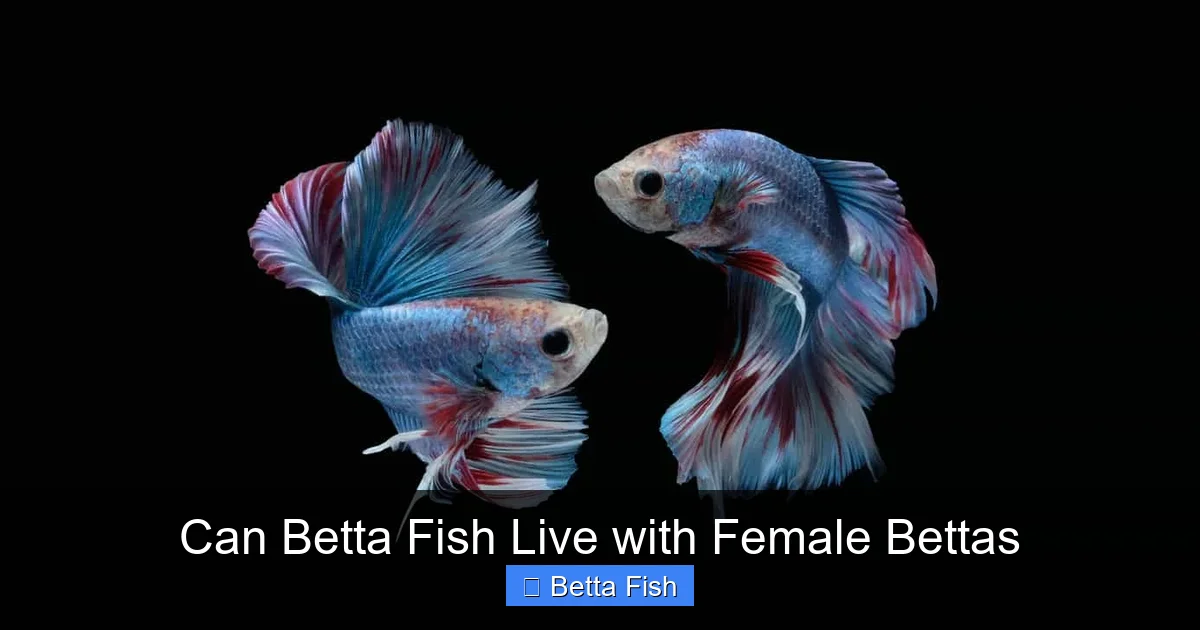
Female bettas are often described as less aggressive than their male counterparts, and there’s truth to that. While male bettas are famously territorial and will fight other males (and sometimes even females) to the death, female bettas have a more complex social structure. Under the right conditions, they can actually coexist peacefully — even forming what the aquarium hobby calls a “sorority tank.” But before you rush out to buy a group of females, there’s a lot you need to know. Getting it wrong can lead to stress, injury, and even death for your fish.
In this guide, we’ll walk you through everything you need to understand about keeping female bettas together. We’ll talk about tank size, personality dynamics, setup requirements, warning signs, and the real risks involved. Whether you’re a beginner or a seasoned fish keeper, this article will give you the honest facts so you can make the best decision for your fish.
Understanding Female Betta Temperament
How Female Bettas Differ from Males
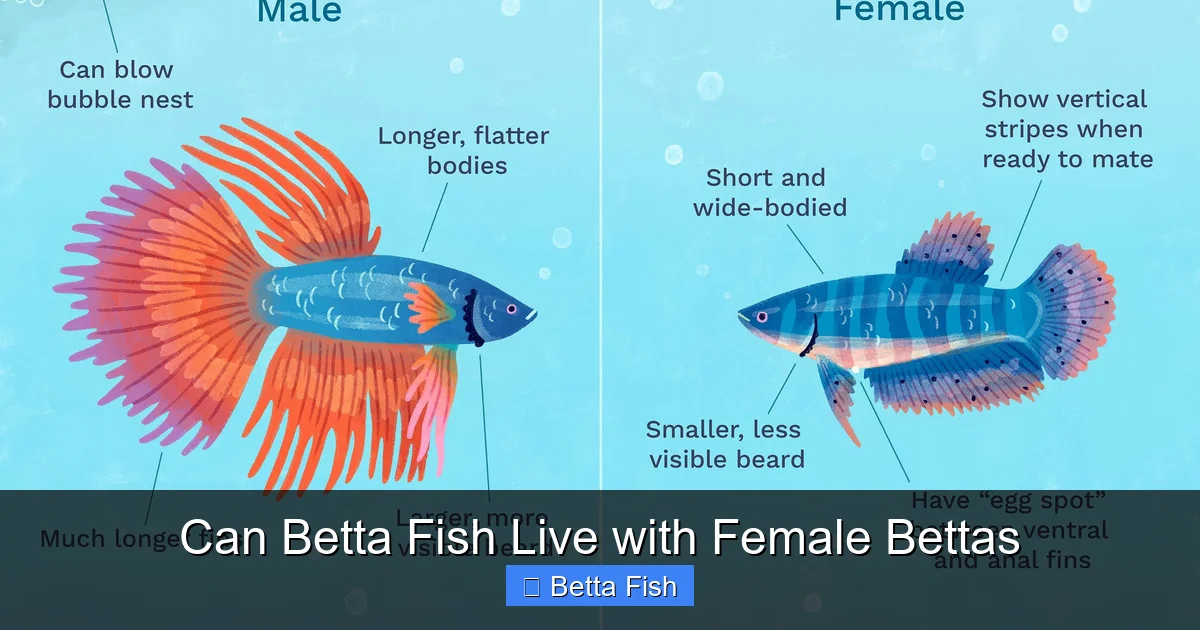
Male bettas are solitary by nature. In the wild, they claim small territories and defend them fiercely. Two males in the same tank will almost certainly fight, which is why they earned the nickname “Siamese fighting fish.” Female bettas, on the other hand, have a different social dynamic. In their natural habitat — the shallow rice paddies and slow-moving streams of Southeast Asia — females often exist in loose groups. They still have territories, but those territories are smaller and more flexible.

Visual guide about Can Betta Fish Live with Female Bettas
Image source: concept-phones.com
This doesn’t mean female bettas are docile. They can be feisty, territorial, and surprisingly aggressive, especially when they feel their space is being invaded. The key difference is that female bettas are more capable of establishing a social hierarchy where one female is dominant and the others fall into a pecking order. When this hierarchy forms naturally and without extreme violence, a sorority can work beautifully.
Individual Personality Matters
Here’s something many guides won’t tell you: every betta fish has a unique personality. Some female bettas are naturally calm and tolerant. Others are bold, bossy, and unwilling to share space with anyone. You can’t always predict how a female will behave in a group setting just by looking at her. That’s why experienced keepers recommend close observation during the first few weeks and being prepared to make changes if things go south.
A female that seems perfectly peaceful in a solo tank might become a terror when introduced to others. Conversely, a betta that seems feisty on her own might settle right into a group dynamic. It’s one of the things that makes fish keeping both exciting and unpredictable.
What Is a Betta Sorority Tank?
The Basics of a Sorority Setup
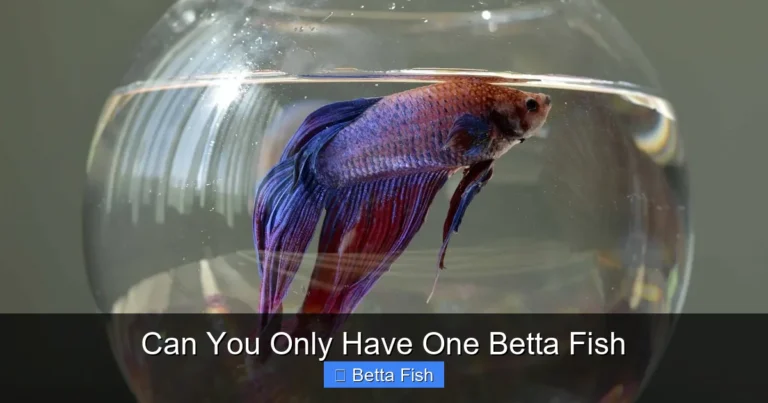
A “sorority” in the aquarium world refers to a tank housing a group of female bettas together. The idea is to recreate the loose social groups that females form in the wild. A successful sorority requires careful planning, the right environment, and a good understanding of betta behavior.

Visual guide about Can Betta Fish Live with Female Bettas
Image source: koala.sh
Unlike a standard betta setup where one fish lives alone in a 5-gallon tank, a sorority demands significantly more space and resources. The goal is to reduce competition for territory by making the tank large enough that each female can carve out her own zone. You’ll also want to break up sight lines with plants, rocks, and decorations so that no single fish can see — and therefore threaten — every other fish in the tank at all times.
How Many Female Bettas Should You Keep Together?
Most experts recommend keeping 4 to 6 female bettas in a sorority. This might seem counterintuitive — wouldn’t more fish mean more fighting? Actually, a larger group helps distribute aggression. When there are only two or three females, one fish often becomes the target of relentless bullying. With four or more, the dominant female’s attention gets spread across multiple tankmates, reducing the stress on any single individual.
Going beyond six females is possible but requires an even larger tank and more experience. For beginners, four to five females in a properly set up 20 to 30-gallon tank is the sweet spot.
Tank Requirements for Female Betta Sororities
Minimum Tank Size
This is the single most important factor in determining whether your sorority will succeed or fail. A small tank is a recipe for disaster. The absolute minimum tank size for a female betta sorority is 20 gallons, and many experienced keepers strongly recommend 29 or 30 gallons for the best results.

Visual guide about Can Betta Fish Live with Female Bettas
Image source: i.ytimg.com
Think of it this way: each female betta needs her own territory. In a 5-gallon or 10-gallon tank, there simply isn’t enough room for multiple territories. The fish will constantly encounter each other, and the dominant female will relentlessly chase and harass the others. In a larger tank, submissive fish can escape, hide, and find peace. The extra space literally saves lives.
Filtration and Water Quality
More fish means more waste, which means your filtration system needs to be up to the task. A high-quality hang-on-back filter or a sponge filter rated for your tank size is essential. However, bettas prefer gentle water flow, so avoid filters that create strong currents. You can baffle the output with a sponge or adjust the flow rate to keep the water moving without creating a whirlpool.
Regular water changes are non-negotiable in a sorority tank. Aim for 25-30% water changes weekly to keep ammonia, nitrite, and nitrate levels in check. Poor water quality stresses fish, and stressed fish are more likely to become aggressive or fall ill. A liquid test kit is one of the best investments you can make for any aquarium.
Plants, Decorations, and Hiding Spots
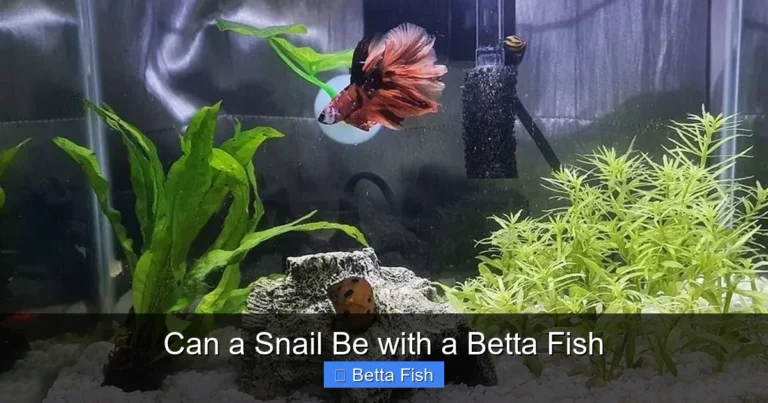
A bare tank is a dangerous tank when it comes to sororities. You need to create an environment with plenty of visual barriers and hiding places. Live plants like Java fern, Anubias, Amazon sword, and floating plants like water sprite or frogbit are excellent choices. They not only provide cover but also help maintain water quality by absorbing nitrates.
Silk plants work well too if you prefer low-maintenance options — just avoid plastic plants with sharp edges that can tear delicate betta fins. Add caves, driftwood, and smooth rocks to create additional hiding spots. The goal is to make sure that if a chased fish wants to disappear, she can. Breaking up sight lines is one of the most effective ways to reduce aggression in a sorority tank.
Setting Up a Successful Female Betta Sorority
Choosing the Right Females
Not every female betta is a good candidate for sorority life. When selecting your group, look for females that are similar in size. A large, dominant female paired with much smaller females can lead to the smaller fish being bullied relentlessly. Try to pick fish from the same breeder or store batch if possible, as they may already be somewhat accustomed to each other.
Visual guide about Can Betta Fish Live with Female Bettas
Image source: fishkeepingadvice.com
Avoid females that show extreme aggression in the store — the ones that flare aggressively at every nearby movement or attack the walls of their cup. These fish are more likely to dominate and terrorize a sorority. Similarly, avoid females that appear extremely timid or lethargic, as they may be chronically stressed or ill.
The Introduction Process
How you introduce your female bettas to the sorority tank matters enormously. The best approach is to add all the females to the tank at the same time. This prevents any single fish from establishing the entire tank as her territory before the others arrive. When a fish is added to an established female’s domain, the resident betta will almost always attack the newcomer.
Before the introduction, rearrange all the decorations and plants in the tank. This resets any territorial claims and makes the environment feel “new” to everyone. Add the females in the evening or dim the lights, as lower light levels tend to reduce initial aggression. Some keepers also use a tank divider for the first few hours to let the fish see each other without physical contact before allowing full interaction.
The Critical First Week
The first 48 to 72 hours are the most critical period. During this time, the females will establish their hierarchy, and you’ll see a fair amount of flaring, chasing, and posturing. This is normal to a degree. However, you need to watch for signs of excessive aggression, such as relentless chasing that doesn’t stop, fin nipping that causes visible damage, or a fish that hides constantly and refuses to eat.
Keep the lights low during the first week to help reduce stress. Feed the fish well — a well-fed betta is generally a less aggressive betta. Offer high-quality pellets, frozen bloodworms, or brine shrimp to keep everyone nourished and occupied.
Warning Signs Your Sorority Is Failing
When to Intervene
Even with the best setup, sometimes a sorority just doesn’t work. Here are the red flags that tell you immediate action is needed:

Visual guide about Can Betta Fish Live with Female Bettas
Image source: bettasource.com
- Visible injuries: Torn fins, missing scales, or open wounds on any fish are serious warning signs.
- One fish is being cornered: If one female is constantly chased and has nowhere to hide, she’s in danger.
- Refusal to eat: A fish that won’t eat is a stressed fish, and chronic stress can be fatal.
- Excessive hiding: While some hiding is normal, a fish that never comes out is being bullied too severely.
- Rapid breathing or clamped fins: These are signs of extreme stress or illness.
If you notice any of these signs, you need to separate the aggressor or the victim immediately. Having a backup tank, a tank divider, or even a breeder box on hand is essential for any sorority keeper. Never wait and hope things will “work themselves out” — in a tank, bullying can escalate to death within hours.
Having a Backup Plan
Every sorority keeper should have a plan for failure. This means having at least one separate tank (even a 5-gallon will do in an emergency) or a tank divider ready to go. If one female is clearly incompatible with the group, remove her and give her a solo home. There’s no shame in this — it’s responsible fish keeping.
Some keepers maintain a “quarantine” tank where they can temporarily house a fish that’s being bullied while they decide on a permanent solution. Others use dividers within the main tank to give a stressed fish a break while still allowing her to remain in the same water system.
Common Mistakes to Avoid
Starting with Too Small a Tank
This is the number one mistake beginners make. They see a beautiful 10-gallon tank and think it’s big enough for a few female bettas. It’s not. A 10-gallon tank simply doesn’t provide enough space for multiple territories, and the result is almost always chronic stress and aggression. If you can’t commit to at least a 20-gallon tank, a sorority isn’t the right choice for you.

Visual guide about Can Betta Fish Live with Female Bettas
Image source: pangovet.com
Adding Fish One at a Time
Adding a new female to an established sorority is one of the fastest ways to trigger violence. The existing fish will see the newcomer as an invader and attack her. Always introduce all females simultaneously, or if you must add a fish later, remove all the existing fish, rearrange the tank completely, and then reintroduce everyone at once.
Ignoring Aggression
Some keepers see chasing and flaring and assume it’s “just establishing dominance.” While some posturing is normal, there’s a clear line between healthy hierarchy-building and dangerous aggression. If a fish is being injured or is too scared to leave a hiding spot, the situation has crossed that line. Don’t ignore it.
Overstocking the Tank
More fish doesn’t always mean less aggression. Overstocking a sorority tank leads to poor water quality, increased stress, and more competition for resources. Stick to the recommended 4-6 females for a 20-30 gallon tank, and don’t be tempted to add “just one more.”
Can Female Bettas Live with Other Fish?
While we’re on the topic of betta cohabitation, you might be wondering whether female bettas can share a tank with other species. The answer is yes — with caveats. Female bettas are generally more tolerant of tankmates than males, but their individual temperament still plays a huge role.

Visual guide about Can Betta Fish Live with Female Bettas
Image source: taildom.com
Peaceful, non-aggressive fish that don’t have long, flowing fins (which bettas may mistake for rival bettas) make the best tankmates. Some popular options include corydoras catfish, neon tetras, harlequin rasboras, and kuhli loaches. For a more detailed guide on compatible species, check out our article on can female bettas live with other fish.
It’s also worth noting that adding other fish to a sorority tank can actually help reduce aggression among the bettas themselves. When there are other species in the tank, the bettas are less focused on each other and more interested in their environment. Just make sure the tank is large enough to accommodate everyone comfortably.
If you’re curious about whether male and female bettas can coexist, that’s a more complicated question. You can learn more in our guide on can male betta fish live with female bettas.
Final Thoughts: Is a Female Betta Sorority Right for You?
Keeping a female betta sorority is one of the most rewarding — and challenging — projects in the aquarium hobby. When it works, it’s absolutely stunning. A well-planted 30-gallon tank with five colorful female bettas gliding through the foliage is a sight to behold. But it requires commitment, preparation, and a willingness to intervene when things go wrong.
Visual guide about Can Betta Fish Live with Female Bettas
Image source: thesprucepets.com
Before you start a sorority, ask yourself these questions: Do I have a large enough tank? Can I afford the equipment and supplies? Am I prepared to separate fish if needed? Do I have the time to monitor the tank daily? If you can answer yes to all of these, then a sorority might be a great fit for you.
Remember that can betta fish live with female bettas is a question with a conditional answer. Yes, they can — but only when you provide the right environment, choose compatible fish, and stay vigilant. There’s no guarantee that any sorority will succeed long-term, and that’s okay. The responsible thing is to prioritize the health and safety of your fish above all else.
If a sorority isn’t right for your situation, there’s nothing wrong with keeping a single female betta in a beautifully decorated 5 or 10-gallon tank. A solo betta can live a long, happy, and enriching life with proper care. And if you want to explore other tankmate options, our guide on can betta fish live with other betta fish covers even more ground on this fascinating topic.
Whatever you decide, the fact that you’re researching and learning before making a decision tells me you’re going to be a great fish keeper. Your bettas are lucky to have you.
Frequently Asked Questions
Can 2 female betta fish live together?
Keeping just two female bettas together is generally not recommended. With only two fish, the dominant female often relentlessly bullies the other, with no additional tankmates to distract the aggressor. If you want to keep multiple females, a group of 4-6 is much safer and more stable.
What is the minimum tank size for a female betta sorority?
The minimum tank size for a female betta sorority is 20 gallons, though 29 or 30 gallons is strongly recommended. Larger tanks give each female enough space to establish her own territory and provide room for submissive fish to escape aggression.
How do I introduce female bettas to a sorority tank?
Introduce all female bettas to the tank at the same time to prevent territorial disputes. Rearrange all decorations and plants before adding the fish so the environment feels new to everyone. Dim the lights during introduction to reduce initial aggression.
What are the signs that a sorority is failing?
Warning signs include visible injuries like torn fins, one fish being constantly cornered or chased, refusal to eat, excessive hiding, and rapid breathing or clamped fins. If you see these signs, separate the affected fish immediately to prevent further harm.
Can I add a new female betta to an existing sorority?
Adding a new female to an established sorority is risky and often triggers aggression. If you must add a fish, remove all existing fish first, completely rearrange the tank, and then reintroduce everyone simultaneously to reset territorial claims.
Do female bettas get along with other types of fish?
Female bettas can live with other peaceful, non-aggressive fish species. Good tankmates include corydoras catfish, neon tetras, and harlequin rasboras. Avoid fish with long, flowing fins that might trigger a betta’s territorial instincts.