Male betta fish typically live 2‑4 years, but with optimal care they can reach 5 years or more. Water quality, diet, tank size, and stress management are the biggest influencers of their lifespan.
Key Takeaways
- Average lifespan: Most male bettas live 2‑4 years; exceptional care can add another year.
- Water quality matters: Stable temperature (78‑80°F) and clean, filtered water are critical.
- Proper diet: High‑protein pellets plus occasional treats keep them strong and disease‑free.
- Tank size & space: A minimum of 5 gallons reduces stress and promotes longevity.
- Stress reduction: Avoid bright lights, aggressive tank mates, and sudden changes.
- Regular health checks: Early detection of fin rot, ich, or swim bladder issues can extend life.
- Genetics play a role: Choose healthy, reputable breeders for the best chance at a long‑lived betta.
📑 Table of Contents
- Introduction: Why Lifespan Matters for Male Betta Fish
- 1. The Average Lifespan of a Male Betta
- 2. Water Quality – The Foundation of a Long Life
- 3. Tank Size, Space, and Environment
- 4. Nutrition – Feeding for Longevity
- 5. Reducing Stress – The Silent Lifespan Killer
- 6. Health Monitoring and Early Intervention
- Conclusion: Making the Most of Your Male Betta’s Years
Introduction: Why Lifespan Matters for Male Betta Fish
When you bring a male betta home, you’re not just getting a flashy swimmer—you’re starting a relationship that can last years. Knowing how long does a male betta fish live helps you plan the right tank, budget for food, and give the best possible care. Most beginners expect a short‑lived pet, but with a few simple steps you can turn a two‑year lifespan into a thriving five‑year story.
In this guide we’ll break down the science behind betta longevity, share practical tips you can use today, and answer the most common questions that keep hobbyists up at night.
1. The Average Lifespan of a Male Betta
What the numbers say
Studies and hobbyist surveys consistently show that male bettas live 2 to 4 years on average. Factors such as genetics, water conditions, and diet can push that number toward the higher end. A well‑kept male betta in a 5‑gallon tank with regular water changes often reaches 4‑5 years.

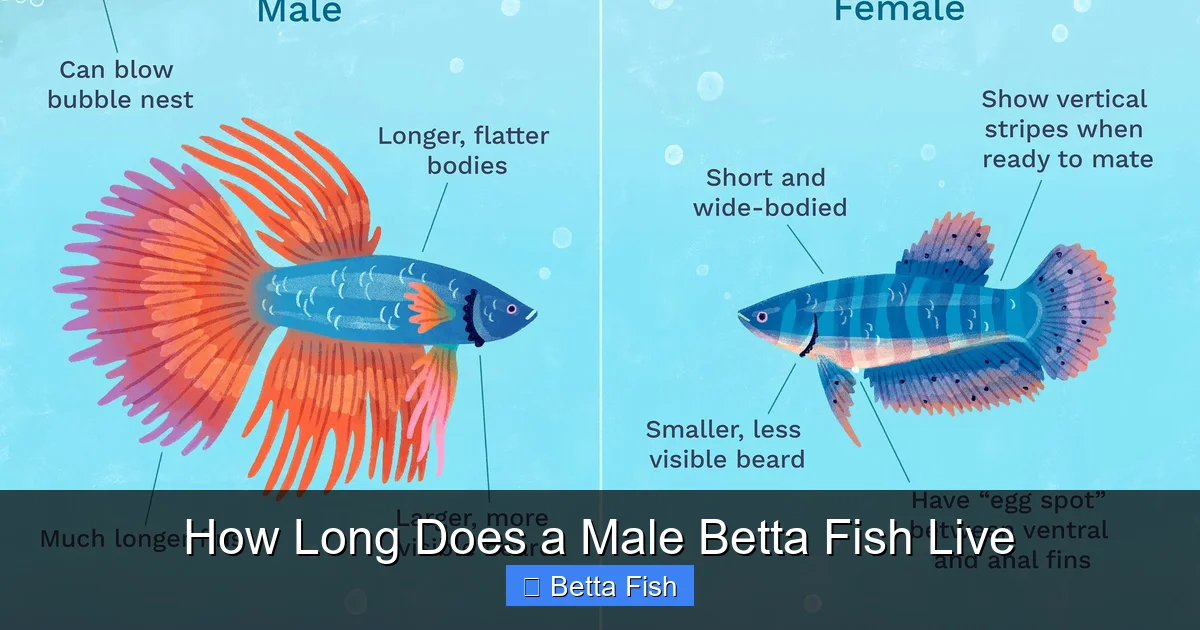
Visual guide about How Long Does a Male Betta Fish Live
Image source: njhq.com.cn
How genetics influence longevity
Just like people, bettas inherit traits from their parents. Breeders who select for vibrant colors and strong fins also tend to breed for health. Purchasing from a reputable source reduces the risk of hidden genetic issues that can shorten life.
2. Water Quality – The Foundation of a Long Life
Temperature stability
Male bettas are tropical fish that thrive at 78‑80°F (25‑27°C). Fluctuations of more than 2°F cause stress, weaken the immune system, and can lead to early death. A reliable aquarium heater with an adjustable thermostat is a must.
Visual guide about How Long Does a Male Betta Fish Live
Image source: thesprucepets.com
Filtration and water changes
Even though bettas can survive in low‑flow environments, a gentle filter removes ammonia and nitrite, keeping the water pristine. Change 25‑30% of the tank water weekly; this routine prevents toxin buildup that shortens lifespan.
pH and hardness
Maintain a pH between 6.5 and 7.5 and moderate hardness (50‑150 ppm). Sudden shifts can cause shock. Test kits are inexpensive and give you peace of mind.
3. Tank Size, Space, and Environment
Why a 5‑gallon tank is ideal
While many owners still use tiny bowls, a minimum of 5 gallons provides enough volume to dilute waste and keep temperature stable. More space also means less territorial aggression, which is especially important for male bettas.

Visual guide about How Long Does a Male Betta Fish Live
Image source: shankariasparliament.com
Plants and décor
Live plants like Java fern or Anubias create natural hiding spots and improve water quality. Use silk or smooth plastic décor to avoid tearing delicate betta fins.
Lighting
Provide a gentle day/night cycle—8‑10 hours of low‑intensity light per day. Too much bright light can stress the fish and accelerate aging.
4. Nutrition – Feeding for Longevity
Balanced diet basics
High‑protein betta pellets should be the staple. Look for formulas with at least 40% protein and minimal fillers. Supplement with frozen or live foods (brine shrimp, daphnia) 1‑2 times per week for variety.
Feeding frequency
Adult males do well with two small feedings per day. Overfeeding leads to constipation and water fouling, both of which can cut life expectancy.
What to avoid
Skip human foods, bread, or overly fatty treats. These can cause digestive issues and weaken the immune system.
5. Reducing Stress – The Silent Lifespan Killer
Tank mates and aggression
Male bettas are notoriously territorial. If you want companions, choose peaceful bottom‑dwelling species like corydoras or small snails. Never house two males together; the fights can be fatal.
Noise and vibrations
Place the tank on a stable surface away from loud appliances. Vibrations can cause chronic stress, shortening the fish’s life.
Handling and acclimation
When moving a betta, use a soft net and avoid sudden temperature changes. Proper acclimation (floating the bag for 15‑20 minutes) helps the fish adjust without shock.
6. Health Monitoring and Early Intervention
Spotting common illnesses
Fin rot, ich, and velvet are the most frequent problems. Look for white spots, frayed fins, or a cotton‑like coating. Early treatment with appropriate medication can save weeks of life.
Regular check‑ups
Spend a few minutes each day observing swimming patterns, appetite, and coloration. Any sudden change warrants a water test and possible quarantine.
When to seek professional help
If symptoms persist after 48 hours of home treatment, consult a vet who specializes in fish or an experienced aquarium store.
Conclusion: Making the Most of Your Male Betta’s Years
Understanding how long does a male betta fish live is the first step toward giving him the best possible life. By controlling water quality, providing a spacious and enriched tank, feeding a balanced diet, and minimizing stress, you can push the average lifespan toward the upper range of 4‑5 years. Remember, a happy betta is a long‑lived betta—so invest time, love, and a little research, and you’ll enjoy his dazzling fins for years to come.
Frequently Asked Questions
How many years can a male betta live with perfect care?
With optimal water conditions, a nutritious diet, and low stress, a male betta can live up to 5 years, though 2‑4 years is more typical.
Does tank size affect a male betta’s lifespan?
Yes. A tank of at least 5 gallons provides stable water parameters and reduces aggression, both of which contribute to a longer life.
Can a male betta live with other fish?
Male bettas are aggressive toward similar‑looking fish. Peaceful bottom dwellers or snails are safe companions, but always monitor for signs of stress.
What are the signs that my male betta is aging?
Older bettas may show slower swimming, faded colors, and reduced appetite. Regular water checks help differentiate aging from illness.
How often should I change the water to keep my betta healthy?
Changing 25‑30% of the water weekly is ideal. More frequent changes may be needed if the tank is heavily stocked.
Is a heated tank necessary for a male betta?
Yes. Maintaining a stable temperature of 78‑80°F mimics their natural tropical habitat and prevents stress‑related health issues.

