How Long Do.betta Fish Live

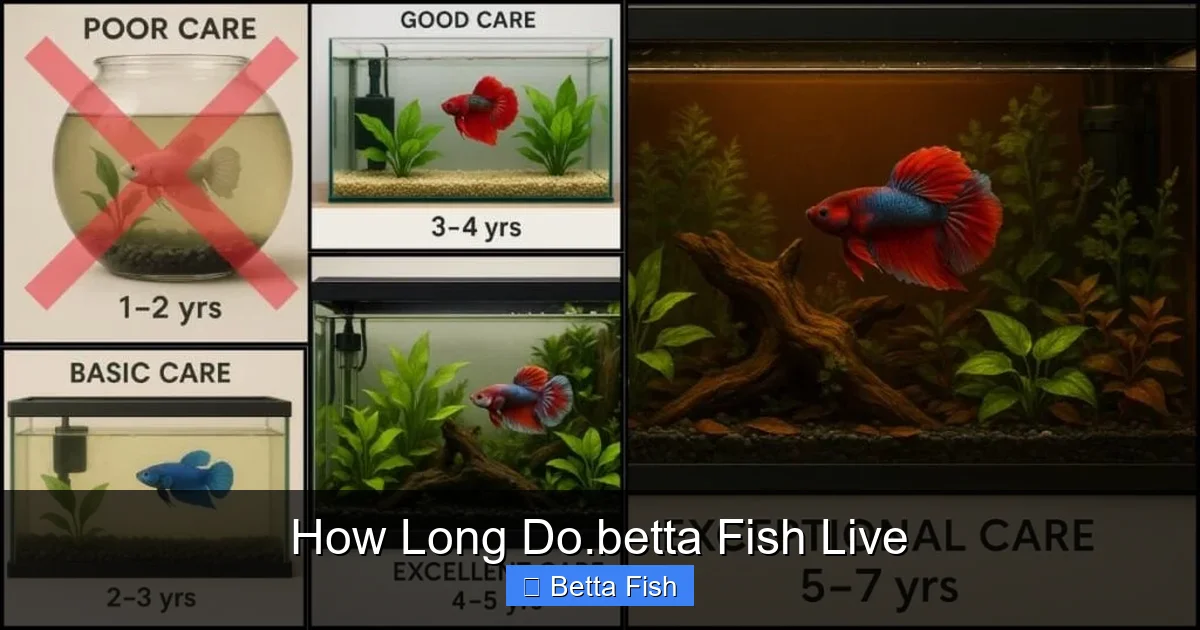
Betta fish can live anywhere from 2 to 5 years with proper care, but many owners see shorter lives due to common mistakes. Understanding genetics, tank setup, diet, and health monitoring can add valuable years to your betta’s life.
Key Takeaways
- Typical lifespan: Most bettas live 2‑5 years; exceptional care can push this to 6‑7 years.
- Genetics matter: Wild‑type bettas often live longer than heavily bred show varieties.
- Water quality is crucial: Stable temperature, pH, and clean water prevent stress and disease.
- Proper diet extends life: High‑protein foods and occasional treats keep the immune system strong.
- Health checks: Early detection of fin rot, ich, or swim‑bladder issues can save your fish.
- Environmental enrichment: Plants, hiding spots, and gentle lighting reduce boredom and stress.
- Consistent routine: Regular water changes and feeding schedules create a stable environment.
📑 Table of Contents
- Introduction: Why Your Betta’s Lifespan Matters
- 1. The Natural Lifespan of Betta Fish
- 2. Key Factors That Influence Longevity
- 3. Common Mistakes That Shorten a Betta’s Life
- 4. Extending Your Betta’s Lifespan: Practical Tips
- 5. How to Tell If Your Betta Is Aging Gracefully
- Conclusion: A Longer Life Is Within Reach
Introduction: Why Your Betta’s Lifespan Matters
When you first bring home a betta, the bright colors and flowing fins are mesmerizing. It’s easy to think of these little warriors as short‑lived pets, but the truth is far more nuanced. Knowing how long do.betta fish live isn’t just trivia—it guides how you set up the tank, choose food, and spot early signs of trouble.
In this guide we’ll walk through the science behind betta longevity, the biggest mistakes that cut years off a fish’s life, and practical steps you can take today to give your betta the best possible chance at a long, healthy existence.
1. The Natural Lifespan of Betta Fish
What the science says
In the wild, the Siamese fighting fish (Betta splendens) lives roughly 3‑4 years. Captive bettas, when given optimal conditions, often match or exceed this range, reaching 5‑7 years. The variation stems from genetics, water parameters, and how well owners meet their needs.
Visual guide about How Long Do.betta Fish Live
Image source: bettafishforsale.com
Wild‑type vs. Show‑type bettas
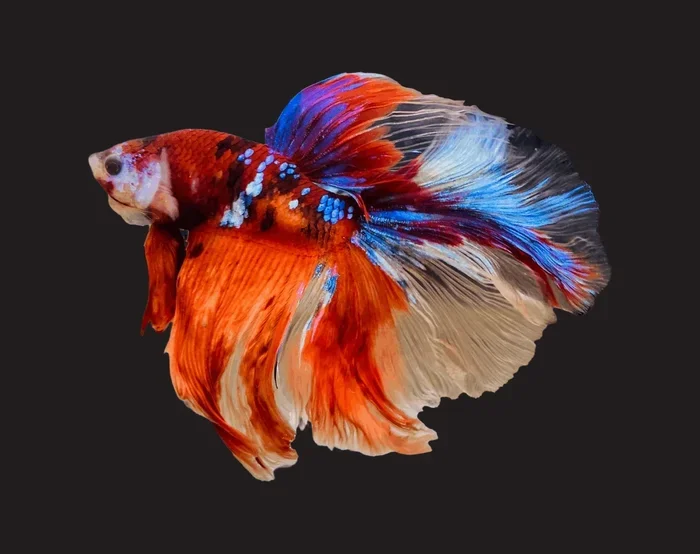
Wild‑type bettas have a more robust genetic makeup and tend to be hardier. Show‑type bettas, bred for exaggerated fins and vibrant colors, can be more prone to health issues like fin rot or swim‑bladder disease. This difference can shave months off their expected lifespan.
2. Key Factors That Influence Longevity
Water quality and temperature
Betta fish are tropical and thrive at 76‑82°F (24‑28°C). Fluctuations cause stress, weaken the immune system, and accelerate aging. Maintaining a stable temperature with a reliable heater and monitoring pH (6.5‑7.5) are non‑negotiable.

Visual guide about How Long Do.betta Fish Live
Image source: fishkeepertank.com
Tank size and environment
Contrary to popular belief, a 5‑gallon tank is the minimum for a single betta. Larger volumes dilute toxins, provide more swimming space, and allow for live plants that improve water quality. A cramped bowl can shorten life dramatically.
Nutrition and feeding habits
High‑quality betta pellets or frozen foods (bloodworms, daphnia) supply essential protein. Overfeeding leads to constipation and bacterial overgrowth, while underfeeding causes malnutrition. Feed twice daily in small portions, adjusting for age and activity.
Genetics and breeding
Selective breeding for extreme traits can introduce genetic defects. If you’re buying a betta, look for reputable breeders who prioritize health over appearance.
Stress and social factors
Betas are solitary by nature. Housing multiple males together often ends in fighting, which can cause injuries and fatal infections. Even visual stress from reflective surfaces or bright lights should be minimized.
3. Common Mistakes That Shorten a Betta’s Life
Using untreated tap water
Tap water contains chlorine and chloramine, both toxic to fish. Always treat water with a dechlorinator before adding it to the tank.

Visual guide about How Long Do.betta Fish Live
Image source: gd-hbimg.huaban.com
Skipping regular water changes
Ammonia and nitrite spikes are silent killers. A 25‑30% water change weekly keeps nitrate levels low and removes waste.
Feeding the wrong diet
Cheap flake foods lack the protein bettas need. Avoid feeding bread, peas, or any human snacks. Stick to formulated betta foods and occasional live or frozen treats.
Ignoring early signs of disease
Faded colors, torn fins, or labored swimming are warning signs. Prompt treatment with appropriate medication can save a fish that might otherwise die within days.
4. Extending Your Betta’s Lifespan: Practical Tips
Set up a proper tank
- Choose a 5‑gallon (or larger) tank with a lid to prevent jumps.
- Install a gentle filter that doesn’t create strong currents.
- Use a heater with an automatic thermostat.
- Add live plants like Java fern or Anubias for natural filtration.
Maintain water quality
Test water weekly for ammonia, nitrite, nitrate, and pH. Perform a 25% water change each week, using conditioned water at the same temperature as the tank.
Feed a balanced diet
Offer high‑protein pellets once in the morning and frozen bloodworms once in the evening. Remove any uneaten food after five minutes to prevent water contamination.
Monitor health daily
Spend a few minutes each day watching your betta. Look for changes in color, fin condition, and swimming patterns. Early detection of issues like ich (white spots) or fin rot can be treated quickly.
Provide enrichment
Include smooth rocks, silk plants, and a small cave. These give the betta places to explore and hide, reducing boredom and stress.
5. How to Tell If Your Betta Is Aging Gracefully
Physical signs of a healthy senior betta
Older bettas may show slightly faded colors but maintain active swimming, steady appetite, and intact fins. A slight reduction in activity during the night is normal.
When to consider palliative care
If a betta shows persistent loss of appetite, severe fin rot, or chronic swim‑bladder problems, consult a vet or experienced hobbyist for humane options.
Resources for ongoing care
For deeper insight into lifespan expectations, see our article How Long Do Betta Fish Live 2. It breaks down age milestones and what to expect at each stage.
Conclusion: A Longer Life Is Within Reach
Understanding how long do.betta fish live empowers you to make better decisions every day—from choosing the right tank size to feeding the perfect diet. While genetics set a baseline, your commitment to water quality, stress reduction, and regular health checks can add valuable years to your betta’s life.
Start today: test your water, upgrade to a larger tank if needed, and give your betta a balanced diet. With consistent care, you’ll enjoy the vibrant display of a healthy betta for many happy years.
Frequently Asked Questions
How many years can a betta fish live with perfect care?
With optimal water conditions, a balanced diet, and regular health monitoring, a betta can often live 5‑7 years, occasionally reaching 8 years.
Does tank size affect a betta’s lifespan?
Yes. A larger tank (5 gallons or more) provides better water stability and more space to swim, which can add months or even years to a betta’s life.
Can bettas live longer if they are wild‑type?
Wild‑type bettas generally have a sturdier genetic makeup and may live slightly longer than heavily bred show varieties.
What are the most common health problems that shorten a betta’s life?
Fin rot, ich, swim‑bladder disease, and bacterial infections are the top culprits, often caused by poor water quality or overfeeding.
How often should I change the water to keep my betta healthy?
A 25‑30% water change each week, using conditioned water at the same temperature, helps maintain low nitrate levels and prevents disease.
Is it okay to keep a betta with other fish?
Male bettas should be kept alone. Some peaceful community fish can coexist in a well‑planted, larger tank, but always monitor for aggression.