Do Betta Fish Need Filter

Betta fish can survive without a filter, but a well‑chosen filtration system makes water maintenance easier, keeps the tank healthier, and reduces stress for your finned friend. Understanding the pros and cons helps you decide the best setup for a vibrant, long‑living betta.
Key Takeaways
- Filters aren’t mandatory: Bettas can live in unfiltered water if it’s changed frequently.
- Better water quality: A filter removes waste, ammonia, and keeps parameters stable.
- Gentle flow is key: Choose low‑flow or sponge filters to match a betta’s delicate fins.
- Tank size matters: Larger tanks reduce the need for constant water changes, making filtration more beneficial.
- Maintenance matters: Regular cleaning of the filter and partial water changes keep the system effective.
- Combine with other equipment: Heaters, lights, and plants work together with filtration for optimal health.
- Cost‑effective options: DIY sponge filters or hang‑on‑back units are affordable for beginners.
📑 Table of Contents
Introduction: Why the Question Comes Up
If you’ve ever watched a betta flare its gorgeous fins and wondered how simple its home can be, you’ve probably heard the age‑old debate: do betta fish need filter? Some hobbyists swear by a pristine, filtered tank, while others keep their bettas in tiny bowls with weekly water changes. The truth lies somewhere in the middle, and it depends on what you want for your fish and how much time you can devote to maintenance.
In this guide we’ll break down the science behind filtration, look at the pros and cons, and give you practical tips for choosing the right system. By the end, you’ll know exactly whether a filter is a must‑have or a nice‑to‑have for your betta’s happy, healthy life.
How Filtration Works: The Basics
Mechanical, Biological, and Chemical
Most aquarium filters combine three types of filtration:
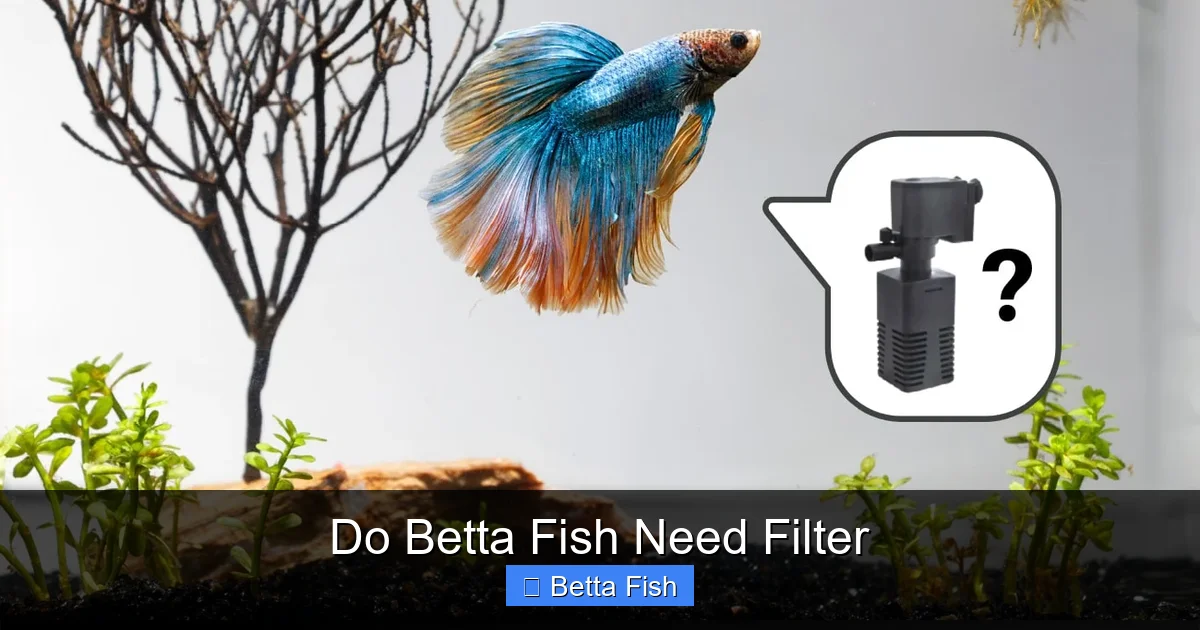
Visual guide about Do Betta Fish Need Filter
Image source: buildyouraquarium.com
- Mechanical: Traps particles like uneaten food and fish waste.
- Biological: Houses beneficial bacteria that convert toxic ammonia into nitrite and then nitrate.
- Chemical: Uses activated carbon or other media to remove odors and dissolved organics.
Even a simple sponge filter provides mechanical and biological filtration, which is often enough for a single betta.
Why Bettas Are Different
Bettas (Betta splendens) are surface‑breathers with a labyrinth organ that lets them gulp air directly from the water surface. This means they’re less dependent on dissolved oxygen than many other fish. However, they still produce waste, and without a filter, harmful ammonia can build up quickly.
Pros of Using a Filter for Betta Fish
1. Stable Water Parameters
Filters host colonies of nitrifying bacteria that continuously process ammonia. Stable parameters reduce stress and lower the risk of diseases such as fin rot.

Visual guide about Do Betta Fish Need Filter
Image source: images.tv.osn.com
2. Less Frequent Water Changes
In a filtered tank you can get away with weekly 25‑30% water changes instead of daily swaps. This saves time and keeps the water chemistry more consistent.
3. Cleaner Environment
Mechanical filtration removes floating debris, keeping the water clear so your betta’s colors shine.
4. Supports Live Plants
Plants benefit from the gentle water flow and the extra surface area for beneficial bacteria. In turn, plants help absorb nitrates, creating a natural balance.
5. Reduces Algae Blooms
By removing excess nutrients, a filter can keep unwanted algae at bay, preserving the aesthetic of a sleek betta tank.
Cons and Considerations
1. Flow Strength Can Stress a Betta
Bettas are not strong swimmers. A high‑flow filter can cause them to hide or become exhausted. Choose low‑flow or adjustable options, and position the outlet so the current is gentle.
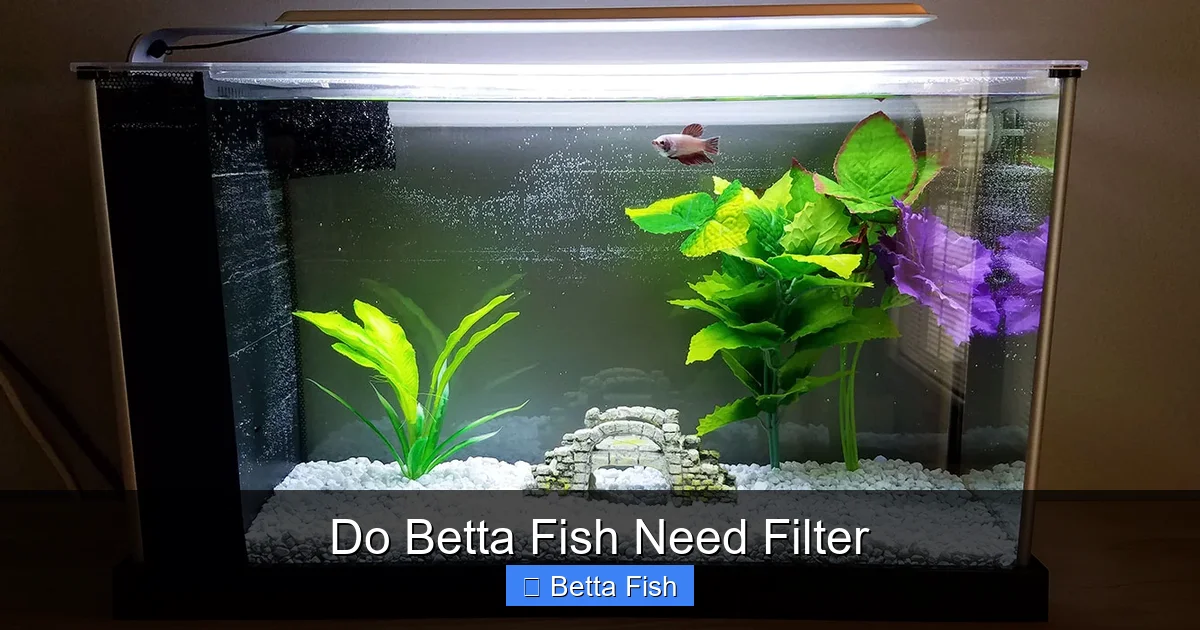
Visual guide about Do Betta Fish Need Filter
Image source: bettafish.org
2. Cost and Space
Even a small sponge filter costs a few dollars and takes up space. If you’re truly limited to a 2‑gallon bowl, a filter may be impractical.
3. Maintenance
Filters need cleaning every 2‑4 weeks. Neglecting this can lead to clogging, reduced efficiency, and a spike in ammonia.
Choosing the Right Filter for a Betta
Sponge Filters
Sponge filters are the most betta‑friendly. They provide gentle flow, excellent biological filtration, and are easy to clean. You can power them with an air pump or a small powerhead.
Hang‑On‑Back (HOB) Filters
Look for models with adjustable flow rates. Position the output near the tank’s top corner and aim it away from the betta’s resting spot.
Internal Filters
These sit inside the tank and often have a flow control knob. Choose a low‑flow setting and hide the filter behind decorations to reduce visual stress.
DIY Options
For the budget‑conscious, a simple air‑driven sponge filter can be built with a piece of filter foam, airline tubing, and a small air stone. This setup is quiet, cheap, and perfect for a betta.
Setting Up a Filtered Betta Tank
Step‑by‑Step Guide
- Pick the right tank size: Aim for at least 5 gallons. Larger water volume dilutes waste and makes filtration more effective. (See How Much Space Do Betta Fish Need for details.)
- Install the filter: Follow the manufacturer’s instructions. For sponge filters, attach the sponge to a suction cup and connect the airline to an air pump.
- Set the flow: Adjust the flow to a gentle ripple. A good test is to place your hand near the outlet; you should feel a light breeze, not a strong current.
- Cycle the tank: Run the filter for 24‑48 hours, then add a small amount of betta food daily to seed the bio‑filter.
- Monitor water parameters: Test ammonia, nitrite, and nitrate weekly for the first month.
- Perform regular maintenance: Rinse the sponge in removed tank water once a month, and change 25% of the water weekly.
Complementary Equipment
While a filter handles waste, a heater keeps the water at the ideal 78‑80°F (What Temperature Do Betta Fish Need). A dimmable LED light mimics natural day/night cycles, and live plants like Java fern add extra filtration.
Do You Really Need a Filter? Making the Decision
Answering do betta fish need filter comes down to your lifestyle:
- If you have time for daily water changes: You can keep a betta in a small, unfiltered tank, but expect to change 50% of the water every day.
- If you prefer low‑maintenance: A low‑flow sponge or HOB filter will dramatically reduce the workload.
- If you’re new to fishkeeping: Starting with a filtered 5‑gallon tank gives you a forgiving environment to learn proper water care.
Remember, even with a filter, regular water changes are essential. Filtration is a tool, not a replacement for good husbandry.
Conclusion: The Balanced Answer
In short, betta fish do not strictly need a filter, but using one is highly recommended for most hobbyists. A gentle, low‑flow filter improves water quality, eases maintenance, and creates a more stable habitat where your betta can thrive and display its full spectrum of colors. Choose a filter that matches your tank size, keep the flow soft, and combine it with regular water changes, a proper heater, and clean décor. With these steps, you’ll give your betta the best chance at a long, vibrant life.
Frequently Asked Questions
Do betta fish need a filter to survive?
They can survive without one if you perform frequent, thorough water changes, but a filter makes maintaining safe water conditions much easier.
What type of filter is safest for bettas?
Low‑flow sponge filters or adjustable hang‑on‑back filters are safest because they provide gentle water movement that won’t stress the fish.
Can I keep a betta in a bowl with a filter?
Yes, as long as the bowl is at least 2‑3 gallons and the filter’s flow is very mild. However, a proper tank of 5 gallons or more is recommended.
How often should I clean the filter?
Rinse the filter media in water removed from a water change every 2‑4 weeks. Never use tap water, as it can kill beneficial bacteria.
Will a filter affect my betta’s breeding?
No. A gentle filter actually helps keep water parameters stable, which can encourage healthier breeding behavior.
Do I need a filter if I have live plants?
Live plants provide some natural filtration, but a filter still helps manage waste and keeps the water clear, especially in a smaller tank.