Do Betta Fish Bite Hurt

Betta fish can bite, but the pain is usually mild and short‑lived. Understanding why they bite, what it feels like, and how to prevent it helps you enjoy a happy, healthy aquarium without worry.
Key Takeaways
- Betta bites are rare: Most bites happen when the fish feels threatened or stressed.
- Pain level is low: A betta’s bite feels like a tiny pinch, similar to a mosquito bite.
- Prevention starts with tank setup: Proper space, hiding spots, and water conditions keep aggression down.
- Know the signs: Flaring fins, rapid gill movement, and chasing indicate a bite may be coming.
- First‑aid is simple: Clean the wound, apply an antiseptic, and watch for infection.
- Male vs. female: Males are more prone to bite, especially during breeding season.
- Regular care matters: Good water quality and a balanced diet reduce stress‑related biting.
📑 Table of Contents
Introduction: Why the Question Matters
If you’ve ever reached into a betta tank and felt a tiny nip, you’ve probably wondered, “do betta fish bite hurt?” The short answer is yes, they can bite, and the sensation is usually a mild pinch. But the deeper answer involves fish behavior, tank conditions, and how you interact with your pet.
Betta fish (Betta splendens) are famous for their bright colors and flowing fins, yet they also have a reputation for being feisty. This reputation can make new owners nervous about handling their fish. In this article we’ll break down the science behind betta bites, describe exactly how it feels, and give you practical steps to keep both you and your fish comfortable.
1. Understanding Betta Aggression
1.1 Natural instincts
Betta fish are native to the shallow, warm waters of Thailand, where they often live in small, densely vegetated pools. In the wild, they defend tiny territories against other males. This territorial instinct carries over to the home aquarium.

Visual guide about Do Betta Fish Bite Hurt
Image source: m.media-amazon.com
1.2 When does a betta decide to bite?
Typical triggers include:
- Feeling cornered or startled.
- Seeing a reflection that looks like another male.
- Improper tank size or lack of hiding places.
- Sudden changes in water temperature or quality.
These stressors can cause a betta to flare its fins, open its mouth, and give a quick nip. For more detail on why bettas bite, see our article Do Betta Fish Bite.
2. How Much Does a Betta Bite Hurt?
2.1 The physical sensation
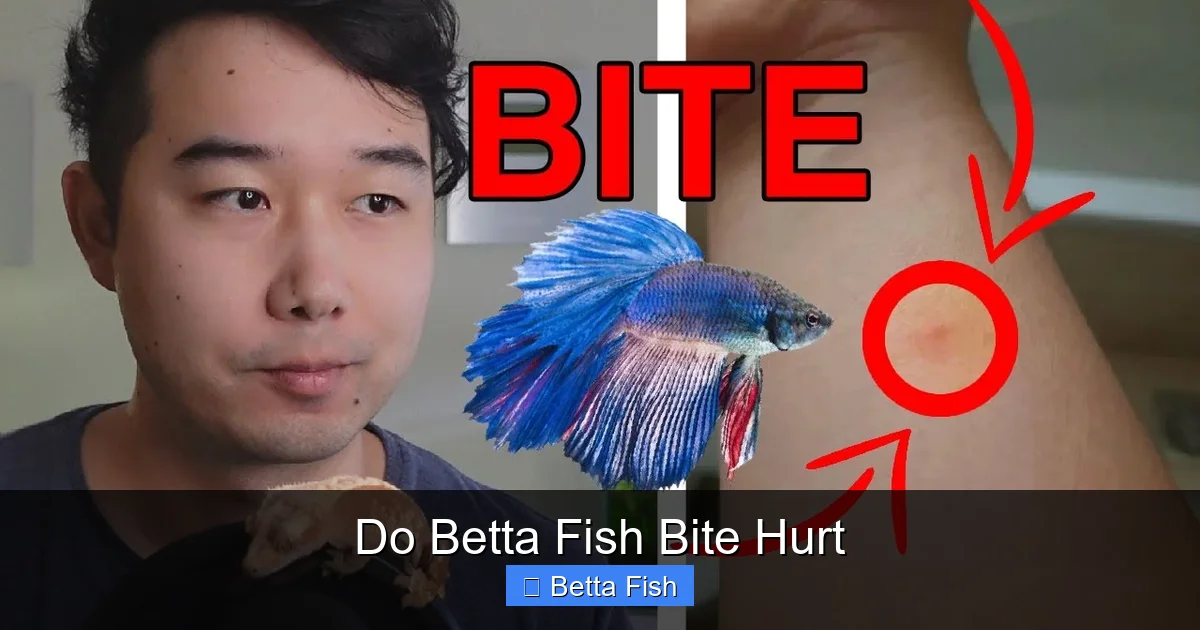
Most owners describe the bite as a tiny pinch, similar to a mosquito bite or a gentle pinch from a clothespin. The pain is brief—usually lasting only a second or two—because a betta’s teeth are tiny, conical, and not built for deep penetration.
Visual guide about Do Betta Fish Bite Hurt
Image source: i.ytimg.com
2.2 Comparing to other fish bites
Compared with larger fish like cichlids or catfish, a betta’s bite is almost negligible. Even a larger guppy’s nip feels sharper than a betta’s. If you’re worried about infection, the risk is low; the main concern is the minor irritation.
2.3 When a bite might feel worse
If the betta is especially stressed or aggressive, it may bite a little harder. A bite on sensitive skin (e.g., fingertips) can cause a small reddening that looks like a tiny puncture wound. In rare cases, a very aggressive male may leave a shallow scratch, but this still heals quickly.
3. Preventing Unwanted Bites
3.1 Tank size and layout
Betta fish need at least 2.5 gallons of water, but 5 gallons is ideal. A cramped tank makes a betta feel threatened, increasing the chance of a bite. Provide plenty of vertical space, live plants, and smooth decorations where your fish can hide.

Visual guide about Do Betta Fish Bite Hurt
Image source: ik.imagekit.io
3.2 Water quality matters
Stressed bettas are more likely to bite. Keep the temperature between 76‑82°F (24‑28°C) and maintain stable pH (6.5‑7.5). Regular water changes (about 25 % weekly) keep ammonia low and help the fish stay calm. For step‑by‑step guidance, read How Do You Change A Betta Fish Water.
3.3 Feeding and nutrition
A well‑fed betta is less likely to act aggressively. Offer high‑quality pellets once or twice daily and supplement with occasional frozen or live foods. Over‑feeding can cloud the water, which also raises stress levels.
3.4 Handling techniques
When you need to move your betta, use a soft net or a cup. Approach slowly, and let the fish see your hand before you attempt to scoop it. Sudden movements often trigger a defensive bite.
3.5 Male vs. female behavior
Male bettas are more territorial and prone to bite, especially during breeding season. Female bettas can also bite, but they are generally less aggressive. If you keep multiple bettas, consider a “sorority” of females with plenty of space, or keep a single male in a separate tank.
4. What to Do If You Get Bitten
4.1 Immediate care
First, wash the area with mild soap and water. Apply an over‑the‑counter antiseptic (like hydrogen peroxide or a small amount of betadine) to prevent infection. The wound should stop bleeding quickly.
4.2 Monitoring for infection
Watch the bite site for redness, swelling, or pus over the next 24‑48 hours. If any of these signs appear, see a medical professional—though such complications are extremely rare.
4.3 Adjusting tank conditions after a bite
Review your tank setup. Add more hiding spots, check water parameters, and consider reducing reflections (cover the outside of the tank with a dark background). These steps lower stress and reduce future biting incidents.
5. Frequently Asked Questions About Betta Bites
Do betta fish bite humans?
Yes, they can bite, but the bite is usually a mild pinch that feels like a tiny sting.
Are betta bites dangerous?
For healthy adults, the bite is not dangerous. It may cause minor skin irritation, but serious injury is unlikely.
Why does my betta bite when I clean the tank?
Cleaning can disturb the fish’s environment and cause stress. Move the fish gently to a temporary container before cleaning to avoid startling it.
Can a betta bite other fish?
Betta bites are directed at anything they perceive as a threat, including other fish that are too small or aggressive. Keep compatible tank mates and provide enough space.
Do female bettas bite?
Females can bite, but they are generally less aggressive than males. A well‑balanced sorority with plenty of plants often prevents biting.
Will my betta bite more during breeding season?
Yes. Hormonal changes make males especially territorial, increasing the likelihood of a bite.
Conclusion: Peaceful Coexistence Is Possible
So, do betta fish bite hurt? The answer is yes, but only a little. The bite feels like a brief pinch and rarely causes any lasting harm. By understanding why bettas bite—stress, territory, and instinct—you can create a calm environment that minimizes aggression.
Remember to keep the tank spacious, maintain clean water, provide hiding spots, and handle your fish gently. If a bite does happen, simple first‑aid will keep you safe. With these practices, you’ll enjoy the vibrant beauty of your betta without fear of painful encounters.
Frequently Asked Questions
Do betta fish bite hurt?
Yes, a betta’s bite can cause a mild, short‑lasting pinch, similar to a mosquito bite. The pain is usually minimal and heals quickly.
What triggers a betta to bite?
Stress, feeling threatened, sudden movements, poor water conditions, and territorial disputes are common triggers for a bite.
Can I prevent my betta from biting?
Provide adequate tank space, stable water parameters, plenty of plants or decorations, and handle the fish calmly to reduce stress.
How should I treat a betta bite on my skin?
Wash the area with soap and water, apply an antiseptic, and monitor for signs of infection over the next couple of days.
Are male bettas more likely to bite than females?
Yes, males are typically more territorial and aggressive, especially during breeding season, making them more prone to bite.
Do betta bites hurt other fish?
Betta bites can injure small or slow‑moving tank mates, so choose compatible species and give each fish enough space.