Can Arrow Crabs Eat Betta Fish Flakes

Arrow crabs can nibble betta fish flakes, but it’s not their ideal diet. Supplementing with protein‑rich foods and monitoring water quality will keep your crabs healthy.
Key Takeaways
- Safe in moderation: Arrow crabs will accept betta fish flakes, but only as a occasional treat.
- Protein matters: Crabs need more protein than flakes provide, so add shrimp or bloodworms.
- Watch water quality: Over‑feeding flakes can cloud the water and stress both crabs and bettas.
- Feeding method: Use a feeding dish or drop the flakes near the substrate to prevent waste.
- Tank mates: Ensure your betta isn’t competing for the same flakes; feed at separate times.
- Observe behavior: If crabs ignore the flakes, try a more suitable crab‑specific pellet.
- Internal resources: Learn more about betta diets and compatible tank mates through our related articles.
📑 Table of Contents
- Introduction: Why the Question Comes Up
- 1. Understanding Arrow Crabs
- 2. What’s Inside Betta Fish Flakes?
- 3. Can Arrow Crabs Eat Betta Fish Flakes?
- 4. Best Practices for Feeding Crabs with Betta Flakes
- 5. Compatibility: Betta Fish and Arrow Crabs Together
- 6. When to Say No: Red Flags and Alternatives
- Conclusion: A Balanced Approach Works Best
Introduction: Why the Question Comes Up
If you keep a betta fish and a few arrow crabs together, you might wonder whether the same food can satisfy both. Betta fish flakes are widely sold, cheap, and convenient, so many hobbyists ask, “can arrow crabs eat betta fish flakes?” The short answer is yes, they can, but the long answer involves nutrition, behavior, and tank dynamics.
In this article we’ll break down everything you need to know: the nutritional profile of betta flakes, the natural diet of arrow crabs, how to feed safely, and what to watch for to keep both species thriving. By the end you’ll feel confident deciding whether to share flakes or switch to a crab‑specific diet.
1. Understanding Arrow Crabs
1.1. Natural Habitat and Diet
Arrow crabs (often Scylla species) are native to brackish mangrove swamps. In the wild they scavenge on detritus, small crustaceans, mollusks, and plant matter. Their diet is high in protein and chitin, which helps build a strong exoskeleton.
1.2. Physical Traits That Affect Feeding
These crabs have strong claws for cracking shells and a keen sense of smell. They are opportunistic eaters, meaning they will try anything that looks edible and fits in their mouthparts. This is why they may investigate betta fish flakes, but they often prefer foods they can crush.
2. What’s Inside Betta Fish Flakes?
2.1. Typical Ingredients
Most betta flakes contain:

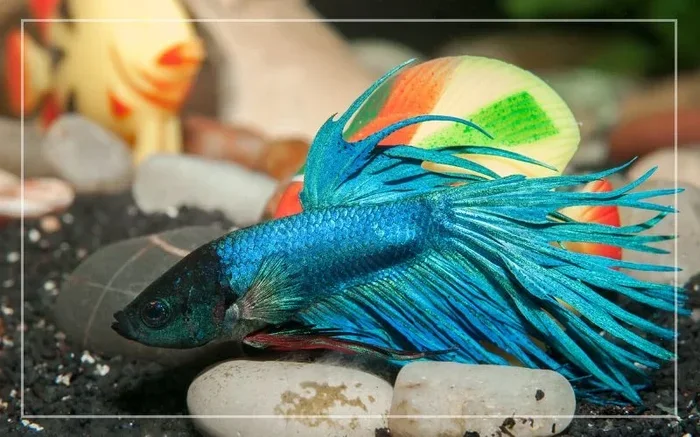
Visual guide about Can Arrow Crabs Eat Betta Fish Flakes
Image source: petscareworld.com
- Fish meal or shrimp meal (protein source)
- Vegetable powders (spirulina, algae)
- Vitamins and minerals
- Binders and preservatives
While these ingredients provide protein, the overall protein percentage is lower than what a carnivorous crab needs.
2.2. Nutritional Gaps for Crabs
Arrow crabs thrive on 30‑40% protein diets, whereas betta flakes often sit around 20‑25%. They also lack the chitin and calcium that help crabs molt properly. Feeding flakes exclusively can lead to a soft exoskeleton and slower growth.
3. Can Arrow Crabs Eat Betta Fish Flakes?
3.1. The Short Answer
Yes, arrow crabs will eat betta fish flakes if given the chance. They will pick at the flakes, especially if the flakes are floating near the surface where the crabs can reach them.
3.2. How Often Is Safe?
Because the flakes are not nutritionally complete for crabs, they should be offered only as a supplemental treat—no more than 2‑3 times a week and in very small amounts (no larger than a pea‑size piece per crab).
3.3. Signs of Acceptance or Rejection
- Acceptance: Crabs grasp the flake with their claws, break it into smaller pieces, and eat it.
- Rejection: Crabs ignore the flake or push it away; this means the texture or taste isn’t appealing.
4. Best Practices for Feeding Crabs with Betta Flakes
4.1. Separate Feeding Zones
Place a small feeding dish at one end of the tank. This keeps the flakes from drifting to the betta’s territory and reduces competition. Crabs will crawl down to the dish, and you can monitor how much they consume.
4.2. Timing Is Key
Feed the betta first, then wait 10‑15 minutes before adding flakes for the crabs. This prevents the betta from gobbling up the entire portion.
4.3. Supplement with Protein‑Rich Foods
To fill the nutritional gap, offer:
- Frozen or live bloodworms (high protein, easy to crush)
- Small shrimp pieces (soft shell works best)
- Commercial crab pellets formulated for marine or brackish species
These foods provide the chitin and calcium crabs need for healthy molting.
4.4. Watch Water Quality
Flake particles that sink can decompose and raise ammonia levels. Remove any uneaten flakes after 5‑10 minutes. Use a water test kit weekly to keep nitrite and nitrate in check.
5. Compatibility: Betta Fish and Arrow Crabs Together
5.1. Temperament Check
Betta fish are territorial and may see a roaming crab as a threat. Conversely, arrow crabs are generally non‑aggressive but will defend themselves if provoked. Observe early interactions closely.
5.2. Tank Setup Tips
- Provide plenty of hiding spots (caves, driftwood) for the crab.
- Use a divider if the betta becomes overly aggressive.
- Maintain a brackish salinity of 1.005‑1.010 for most arrow crabs; bettas tolerate low‑end brackish water.
5.3. Feeding Both Species
When you feed betta flakes, aim them at the surface where the betta can access them. Then lower a separate dish with a few flakes for the crab. This method reduces competition and ensures each animal gets its share.
6. When to Say No: Red Flags and Alternatives
6.1. Signs the Flakes Aren’t Working
If you notice any of the following, stop feeding betta flakes to your crabs:
- Crabs appear lethargic or lose their hard shell shine.
- Frequent molting problems (soft shells, stuck molts).
- Excess waste buildup in the tank.
6.2. Better Food Options
Consider these alternatives:
- Tropical fish flakes formulated for omnivores – higher protein.
- Commercial brackish crab pellets – balanced calcium and chitin.
- Live or frozen mysis shrimp – excellent source of protein and nutrients.
6.3. Transitioning Away From Flakes
Gradually replace flakes with crab pellets over a week. Start with a 75% flake / 25% pellet mix, then shift to 50/50, and finally 100% pellet. Monitor the crab’s appetite and health during the change.
Conclusion: A Balanced Approach Works Best
So, can arrow crabs eat betta fish flakes? Yes, they can, but only as a small, occasional supplement. Their long‑term health depends on a diet rich in protein, calcium, and chitin—nutrients that betta flakes lack. By feeding flakes sparingly, providing dedicated crab foods, and keeping the tank clean, you can enjoy a harmonious community of betta fish and arrow crabs.
Remember to observe your pets daily, adjust feeding schedules, and use the tips above to maintain water quality. With a little attention, both your betta and crabs will thrive side by side.
Frequently Asked Questions
Can arrow crabs survive on betta fish flakes alone?
No. Betta flakes lack sufficient protein and calcium for crabs, leading to weak exoskeletons and poor growth.
How often should I feed betta flakes to my arrow crabs?
Limit flake feeding to 2‑3 times per week and only a pea‑size piece per crab.
Will my betta fish eat the flakes meant for the crabs?
Betta fish will often eat floating flakes first, so feed the betta before offering flakes to the crabs.
What are the best supplemental foods for arrow crabs?
High‑protein options like bloodworms, small shrimp, and commercial brackish crab pellets are ideal.
Can I keep arrow crabs and bettas in the same tank?
Yes, with a well‑decorated tank, proper salinity, and separate feeding areas to reduce competition.
How do I know if my crabs are getting enough nutrition?
Look for a hard, glossy shell, regular molting, and active foraging behavior. If any of these decline, adjust the diet.