Are Betta Fish Livebearers
Betta fish are not livebearers; they are egg‑laying oviparous species. These vibrant “Siamese fighting fish” reproduce by building bubble nests and releasing fertilized eggs, which hatch outside the mother’s body. Understanding this helps you provide the right environment for successful breeding and healthy pets.
Key Takeaways
- Betta fish are egg layers: They belong to the family Osphronemidae and reproduce by laying eggs, not giving birth to live fry.
- Bubble nest is essential: Males build a frothy nest on the water surface where eggs are placed and guarded.
- Temperature matters: Ideal breeding temps are 78‑82°F (25‑28°C) to ensure proper egg development.
- Separate parents after spawning: Removing the male prevents him from eating the fry and reduces stress.
- Livebearer myths stem from confusion: Some guppy‑like fish are livebearers, but bettas are not.
- Proper care boosts success: Clean water, appropriate diet, and low stress increase hatch rates.
- Know the signs: Courtship displays, flaring, and nest building signal that breeding is about to begin.
📑 Table of Contents
- Introduction: Why the Question Keeps Coming Up
- 1. The Biology of Betta Reproduction
- 2. How to Identify a Breeding Pair
- 3. Setting Up the Perfect Breeding Environment
- 4. The Spawning Process Step‑by‑Step
- 5. Raising Betta Fry: From Hatchlings to Juveniles
- 6. Common Myths and Misconceptions
- Conclusion: The Bottom Line on Betta Reproduction
Introduction: Why the Question Keeps Coming Up
If you’ve ever stared at a bright, flowing‑fin betta and wondered how it reproduces, you’re not alone. The internet is full of mixed messages—some sites claim bettas are livebearers, while others say they lay eggs. The confusion often arises because many popular aquarium fish, like guppies and mollies, *are* livebearers, and beginners tend to lump all small, colorful fish together.
In this article we’ll settle the debate once and for all: are betta fish livebearers? We’ll dive into their natural breeding habits, explain the science behind bubble nests, and give you practical tips to breed bettas successfully. By the end, you’ll know exactly what to expect when you set up a breeding tank, and you’ll avoid costly mistakes that stem from the livebearer myth.
1. The Biology of Betta Reproduction
Oviparous, Not Viviparous
Betta fish belong to the order Cypriniformes and the family Osphronemidae. All members of this family are oviparous—they lay eggs that develop and hatch outside the mother’s body. Unlike livebearers (viviparous fish) that retain embryos until birth, bettas release fertilized eggs into the water.

Visual guide about Are Betta Fish Livebearers
Image source: i.pinimg.com
The Role of the Bubble Nest
Male bettas are famous for building a delicate, foamy structure on the water’s surface. This “bubble nest” is made from air bubbles coated with mucus, creating a floating cradle for the eggs. The male guards the nest fiercely, retrieving stray eggs and keeping the surface calm.
Typical Clutch Size
A healthy female can release anywhere from 20 to 100 eggs per spawning session, depending on her size, age, and nutrition. After fertilization, the male gathers the eggs and places them in the nest, where they remain for 2‑4 days before hatching.
2. How to Identify a Breeding Pair
Visual Cues of Courtship
- Fin flaring: The male spreads his dorsal and caudal fins to display his colors.
- Bubble blowing: He will surface repeatedly, creating bubbles that become part of the nest.
- Color intensification: Males often become brighter when ready to breed.
Sexing Betta Fish
Knowing which fish is male and which is female is crucial. Males have longer, more flowing fins and a broader, more pronounced “beard” (pectoral fin extension). Females have shorter fins and a more rounded body shape. For a deeper dive, see our guide on how to tell if betta fish are male or female.

Visual guide about Are Betta Fish Livebearers
Image source: content.twinkl.co.uk
3. Setting Up the Perfect Breeding Environment
Tank Size and Filtration
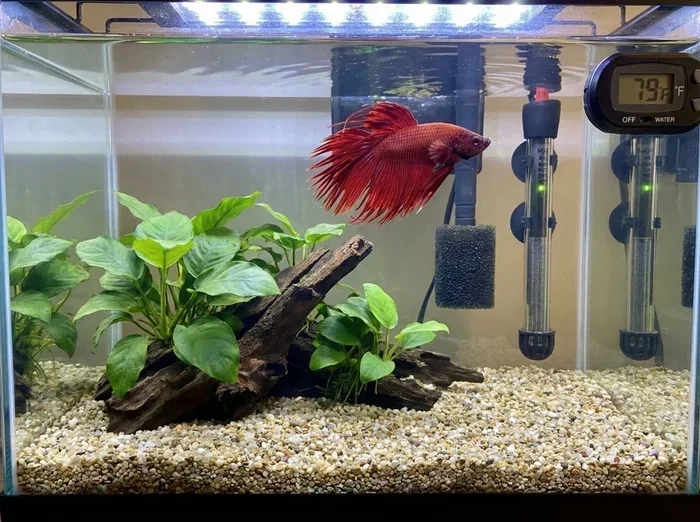
A 5‑gallon (19‑liter) tank is sufficient for a single breeding pair. Use a gentle sponge filter to avoid strong currents that could disrupt the bubble nest.

Visual guide about Are Betta Fish Livebearers
Image source: static.digit.in
Water Parameters
- Temperature: 78‑82°F (25‑28°C)
- pH: 6.5‑7.5
- Hardness: Soft to moderately hard (5‑12 dGH)
Maintaining stable conditions mimics the betta’s natural habitat in the shallow rice paddies of Southeast Asia.
Plants and Decorations
Live plants such as Java moss or Anubias provide hiding spots for fry once they hatch. They also help maintain water quality. For plant ideas, check out which live plants are good for betta fish.
4. The Spawning Process Step‑by‑Step
1. Conditioning the Pair
Feed both fish a high‑protein diet (brine shrimp, bloodworms) for 5‑7 days. This boosts egg production and encourages the male to build a nest.
2. Nest Building
The male will begin blowing bubbles at the surface. Once the nest is about the size of a half‑penny, it’s ready for spawning.
3. The Actual Spawning
The female approaches the nest, and the male wraps his body around her. He releases milt (sperm) while she releases eggs. The male immediately scoops the fertilized eggs into the nest.
4. Post‑Spawn Care
Leave the male in the tank for 24‑48 hours to guard the eggs. After the fry hatch (usually 2‑3 days later), remove the male to prevent him from eating the newborns.
5. Raising Betta Fry: From Hatchlings to Juveniles
Feeding the First Days
Fry are tiny and need infusoria or commercially available liquid fry food for the first week. After 5‑7 days, introduce newly hatched brine shrimp.
Water Changes
Perform 25‑30% water changes daily for the first two weeks to keep ammonia at zero.
Separating by Sex
Once the fry are large enough to see their vent differences (about 4‑6 weeks), you can start separating males from females to avoid future aggression.
6. Common Myths and Misconceptions
Myth: Betta Fish Give Birth to Live Fry
This is simply not true. The misconception likely stems from the popularity of livebearers like guppies, which are often kept in the same hobby. Betta fry are observable as tiny, transparent embryos inside eggs before they hatch.
Myth: All Small, Colorful Fish Are Livebearers
Color and size do not determine reproductive method. Each species has its own evolutionary strategy. Betta fish have evolved the bubble‑nest strategy to protect their eggs in stagnant, low‑oxygen waters.
Myth: You Can Keep a Breeding Pair in a Small Bowl
While adult bettas can survive in small containers, breeding requires good water flow, stable temperature, and space for a nest. Small bowls lack these essentials and increase stress, often leading to failed spawning.
Conclusion: The Bottom Line on Betta Reproduction
Answering the headline question, betta fish are not livebearers. They are dedicated egg layers that rely on the male’s bubble nest to protect and oxygenate their offspring. Knowing this helps you set up the right conditions, avoid common pitfalls, and enjoy the rewarding experience of watching tiny betta fry emerge and grow.
Whether you’re a beginner curious about breeding or an experienced aquarist looking to refine your technique, understanding the true nature of betta reproduction is the first step toward success. So set that temperature, add a sponge filter, and get ready to witness one of the most fascinating breeding spectacles in the aquarium world.
Frequently Asked Questions
Are betta fish livebearers?
No. Betta fish are oviparous—they lay eggs that develop and hatch outside the mother’s body.
What does a male betta do during breeding?
The male builds a bubble nest, courts the female, fertilizes the eggs, and guards the nest until the fry hatch.
How many eggs does a betta female lay?
A healthy female can release 20‑100 eggs per spawning, depending on her size, age, and nutrition.
Can I keep a breeding pair in a small bowl?
It’s not recommended. A 5‑gallon tank with stable temperature and gentle filtration provides the space and conditions needed for a successful spawn.
What should I feed betta fry?
Start with infusoria or liquid fry food for the first few days, then move to newly hatched brine shrimp as they grow.
Do betta fish need a bubble nest to breed?
Yes. The bubble nest protects the eggs and provides oxygen. Without a proper nest, egg survival rates drop dramatically.