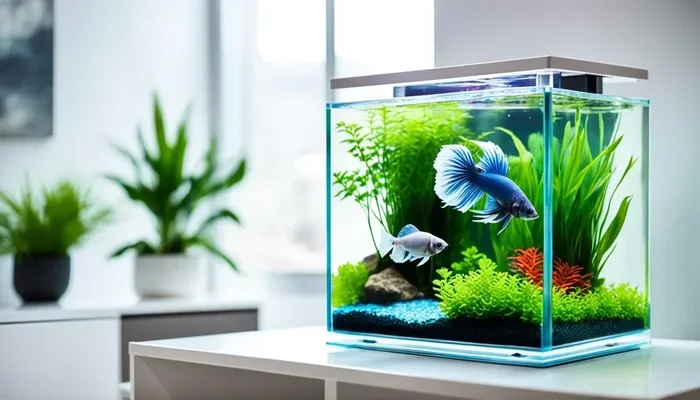
A Betta Fish Fight

A betta fish fight can be dramatic, but it’s usually a sign of stress, territory issues, or improper tank setup. By understanding the triggers and learning simple prevention strategies, you can keep your bettas healthy and happy. Read on for easy‑to‑follow advice that works for beginners and seasoned hobbyists alike.
Key Takeaways
- Know the triggers: Size, gender, and tank conditions are the main reasons betta fish fight.
- Spot the warning signs: Gasping, flaring fins, and rapid swimming often precede a full‑blown fight.
- Tank setup matters: A minimum 5‑gallon tank, proper heating, and plenty of hiding spots reduce aggression.
- Separate when needed: Use dividers or a quarantine tank if fights become unavoidable.
- Monitor water quality: Poor water parameters increase stress and provoke fighting.
- Gender differences: Males are far more territorial than females, but females can also clash under crowded conditions.
- Prevention is cheaper than cure: Small adjustments now save you time, money, and heartache later.
📑 Table of Contents
Introduction: The Drama Behind a Betta Fish Fight
If you’ve ever watched a betta fish flare its gorgeous fins, you know the spectacle is beautiful—but when two bettas lock horns, the scene can turn into a high‑speed showdown. A betta fish fight isn’t just a splash of color; it’s a warning sign that something in the environment is off‑balance. Most hobbyists think aggression is “just how bettas are,” yet with the right knowledge you can dramatically lower the odds of a clash.
In this guide we’ll walk through why bettas fight, how to read the body language, and what practical steps you can take to keep the peace. Whether you have a single champion or you’re thinking about a community tank, the information below will help you raise healthy, stress‑free fish.
1. Why Do Betta Fish Fight?
Territorial Instincts
Betta fish (Betta splendens) are native to shallow rice paddies in Thailand, where they defend small patches of water from rivals. In the wild, a male’s territory is just a few square inches, so in an aquarium a cramped tank feels like an invasion.
Gender and Hormones
Male bettas are the classic “Siamese fighting fish,” built to protect their space and impress females. Female bettas can also be aggressive, especially when many are kept together in a multiple‑betta tank. Hormonal spikes during breeding season amplify this behavior.
Environmental Stressors
- Water temperature: Betta fish thrive at 78‑80°F (25‑27°C). Temperatures below 75°F raise stress and can spark fights. See our guide on what temperature should a betta fish water be for details.
- Poor water quality: High ammonia or nitrite levels irritate gills and make fish irritable.
- Insufficient space: A tank smaller than 5 gallons forces fish into constant contact.
- Lack of hiding spots: Without plants or decorations, bettas can’t establish visual barriers.
2. Recognizing the Early Signs of a Betta Fish Fight
Fin Flaring and Gasping
Before a full confrontation, a betta will often flare its dorsal and caudal fins, puff up its body, and gulp air at the surface. This is a visual warning meant to intimidate a rival.
Rapid, Erratic Swimming
Sudden bursts of speed, especially along the tank walls, indicate that a fish feels threatened. If you see one betta darting back and forth while another circles, a fight may be imminent.
Color Changes
Stress can cause a betta’s colors to fade or turn darker. A normally bright blue turning dull is a subtle cue that something is wrong.
Physical Damage
After a clash you might notice torn fins, missing scales, or even small bite marks. Early detection lets you intervene before injuries become severe.
3. Setting Up a Peace‑Friendly Tank
Choosing the Right Size
Even a single male needs at least a 5‑gallon tank with a gentle filter. If you plan to keep multiple bettas (e.g., a sorority of females), aim for 10 gallons or more to give each fish its own territory.
Temperature and Filtration
Maintain a steady 78‑80°F using an aquarium heater. A low‑flow filter keeps water clean without creating strong currents that stress bettas.
Decor and Hiding Places
- Live or silk plants create natural partitions.
- Cave ornaments and driftwood give each fish a place to retreat.
- Use a background poster to reduce reflections that can trigger aggression.
Dividers and Quarantine
If you must house two males together for a short period (e.g., breeding), use a clear acrylic divider. This lets them see each other without physical contact, reducing the urge to fight.
4. Managing an Ongoing Betta Fish Fight
Immediate Intervention
When you see a fight start, turn off the tank lights to calm the fish. A sudden darkness can break the visual stimulus that fuels aggression.
Separating the Combatants
Quickly move the aggressor to a separate container with the same water parameters. A small, covered quarantine tank works well. Keep the water temperature identical to avoid shock.
Treatment of Injuries
- Trim torn fins with sterilized scissors if necessary.
- Add a mild antibacterial dip (e.g., a short soak in a diluted aquarium salt solution) for a few minutes.
- Monitor for signs of infection such as white spots or cloudy eyes.
Long‑Term Prevention
After a fight, reassess tank conditions. Increase hiding spots, check water parameters, and consider whether the remaining fish are compatible. Sometimes moving a fish to a larger tank or a community setup with peaceful tank mates like snails or small rasboras can soothe aggression.
5. Frequently Asked Questions About Betta Fish Fights
Do female bettas fight as often as males?
Females can be territorial, especially in crowded conditions, but they are generally less aggressive than males. A sorority needs ample space and plenty of plants to keep fights rare.
Can I keep a male and a female betta together?
Only if you have a large, well‑planted tank and the female is clearly identified. The male will still try to court, which can lead to stress. Read more about keeping a male and female betta together for detailed guidance.
Is a betta fish fight ever beneficial?
In the wild, fights establish dominance and breeding rights, which is natural. In captivity, however, unnecessary fighting only causes injury and shortens lifespan.
How long does it take for a betta to recover from a fight?
Minor injuries may heal within a week if water quality is optimal. Severe fin damage can take several weeks, and some fish never fully regrow lost tissue.
Should I feed my betta more after a fight?
Stress reduces appetite. Offer high‑quality, protein‑rich food in small portions twice a day. If the fish refuses to eat for more than 48 hours, check water parameters and consider a veterinary check.
Can tank mates cause a betta to become more aggressive?
Yes. Fast‑moving fish or those with bright colors can be mistaken for rivals. Choose peaceful, slow‑moving companions like snails or shrimp, and avoid other fin‑nipping species.
Conclusion: Turning Conflict into Calm
A betta fish fight is rarely a mystery; it’s a symptom of an environment that doesn’t meet the fish’s natural needs. By providing adequate space, stable temperature, clean water, and plenty of visual barriers, you give your betta the best chance to thrive without constant aggression. Remember to watch for early warning signs, act quickly if a clash erupts, and always keep a backup quarantine tank on hand.
With a little attention to detail, you’ll turn those dramatic flares into graceful displays of color—and enjoy a peaceful aquarium that both you and your betta can be proud of.
Frequently Asked Questions
Why do betta fish fight each other?
Betta fish fight to protect territory, establish dominance, and attract mates. Stress from poor water conditions or cramped spaces can intensify this natural behavior.
Can I keep two male bettas together?
Only with a solid divider that prevents physical contact. Even then, visual cues can still trigger aggression, so it’s best to house males separately.
What should I do if my betta’s fins are torn after a fight?
Trim any ragged edges with sterilized scissors, keep the water pristine, and consider a short antibacterial dip. Monitor for infection over the next few days.
How can I tell if a betta is about to fight?
Look for fin flaring, rapid swimming, gulping at the surface, and color darkening. These are clear warning signs that a confrontation may follow.
Is it safe to keep a betta with other fish?
Yes, if you choose peaceful, non‑fin‑nipping species and provide plenty of hiding spots. Read more about what fish is compatible with a betta fish for safe options.
What water temperature helps prevent fights?
Keeping the water at a stable 78‑80°F (25‑27°C) reduces stress and aggression. Sudden temperature swings are a common trigger for fights.